Clear coat is a transparent powder coating applied over a cured base coat to add protection, depth, and longevity to the finish. While many powder coating colors perform well as a single coat, certain applications and finish types benefit significantly from a clear top coat. Understanding when clear coat is necessary, when it is optional, and when it is unnecessary helps you make informed decisions about your projects.
DIY
DIY Powder Coating Clear Coat Guide: When, Why, and How to Apply Clear Over Base
Sundial Powder Coating·April 22, 2026·11 min
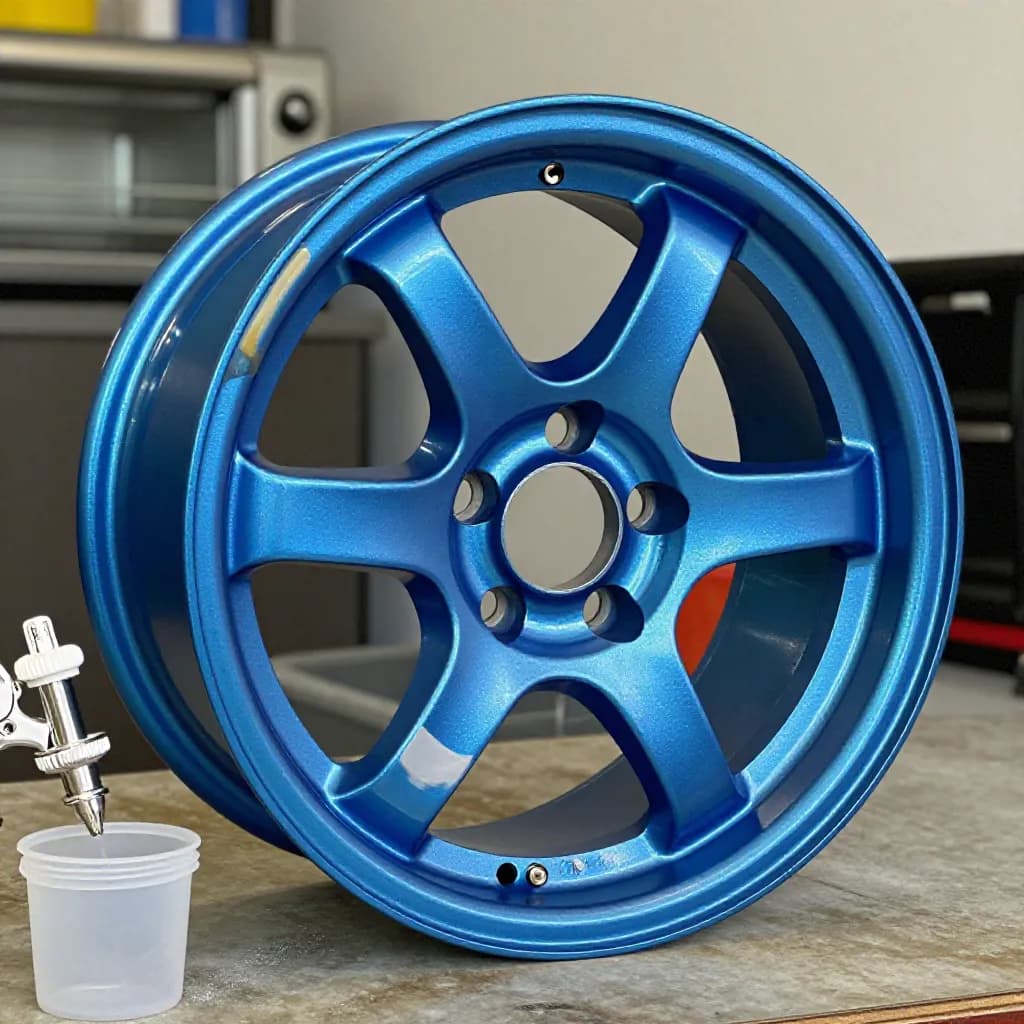
In the simplest terms, clear coat serves two primary functions: it protects the base coat from environmental damage, and it enhances the visual appearance of the finish. For some base coat types — particularly metallics and candy coats — clear coat is essentially mandatory for long-term performance. For standard solid colors, clear coat is optional but can add value in demanding applications.
Ready to Start Your Project?
From one-off customs to 15,000-part production runs — get precise pricing in 24 hours.
On This Page
Understanding Clear Coat in Powder Coating
The clear coat process adds a second cure cycle to your project, which means additional time, powder, and energy. It also introduces the possibility of inter-coat adhesion issues if not done correctly. These trade-offs mean that clear coat should be applied deliberately and for specific reasons, not as a default step on every project.
This guide covers the situations where clear coat adds genuine value, the types of clear powder available, proper application technique over a cured base coat, and the common mistakes that cause clear coat failures. Whether you are protecting a metallic wheel finish or adding UV resistance to outdoor furniture, understanding clear coat fundamentals will help you achieve the best possible results.
When Clear Coat Is Essential
Metallic powder coatings are the most common application where clear coat is essential rather than optional. Metallic powders contain aluminum flakes, mica particles, or other reflective pigments that create their characteristic sparkle and depth. Without a clear coat, these metallic particles are exposed at the surface and will oxidize over time, causing the finish to dull, darken, and lose its reflective quality.
The oxidation process is accelerated by moisture, UV exposure, and chemical contact. A metallic finish on a wheel exposed to brake dust, road salt, and rain will degrade noticeably within months without clear coat protection. The same finish with a quality clear coat will maintain its appearance for years. For any metallic powder coating that will be exposed to the elements or handled frequently, clear coat is not optional — it is essential.
Candy coat finishes also require clear coat protection. The translucent candy layer is thin and relatively delicate compared to a standard solid color coat. Clear coat adds physical protection against scratching and chipping while also providing UV resistance that prevents the candy color from fading.
Chrome-effect and mirror-finish powders are extremely sensitive to surface contact and environmental exposure. These specialty finishes must be clear coated immediately after curing to preserve their reflective properties. Even fingerprints on an unprotected chrome-effect finish can cause permanent marks.
Any powder-coated part that will be subjected to frequent handling, chemical exposure, or abrasive contact benefits from clear coat. Tool handles, automotive accessories that are regularly cleaned with chemicals, and parts in high-wear environments all last longer with a clear protective layer.
When Clear Coat Is Optional or Unnecessary
Standard solid-color polyester powder coatings are formulated to be complete, durable finishes on their own. A quality polyester powder in a solid color — black, white, red, blue, or any non-metallic shade — does not require clear coat for most applications. The polyester resin provides inherent UV resistance, chemical resistance, and mechanical durability that meets or exceeds the demands of typical use.
For indoor applications like furniture, fixtures, shelving, and decorative items, clear coat on solid colors adds cost and time without meaningful benefit. The indoor environment does not subject the coating to the UV exposure, moisture, and chemical contact that degrade finishes. A single coat of quality polyester powder provides all the protection and appearance these applications need.
Textured finishes — wrinkle, hammertone, river vein, and sand textures — generally do not benefit from clear coat. The texture itself provides a degree of surface protection by distributing wear across the raised and recessed areas of the texture pattern. Additionally, applying clear coat over a textured base can alter the texture appearance, filling in the recesses and softening the texture definition. If you want the texture to look its best, leave it uncleared.
Super durable polyester powders designed for architectural and outdoor applications are specifically formulated for long-term UV resistance without clear coat. These powders are tested to maintain color and gloss for years of direct sun exposure. Adding clear coat to a super durable polyester is redundant — the base coat already provides the UV protection that clear coat would add.
That said, clear coat can add value even on solid colors in certain situations. Parts that will be frequently handled (like motorcycle controls or tool handles) benefit from the additional scratch resistance. Parts exposed to harsh chemicals (like industrial equipment) benefit from the additional chemical barrier. Evaluate each project individually rather than applying a blanket rule.
Types of Clear Powder Coat
Clear powder coatings are available in several formulations, each with different properties that suit different applications. Choosing the right clear coat for your project ensures compatibility with the base coat and appropriate performance for the intended use.
Gloss clear is the most common type, providing a high-shine transparent finish that enhances color depth and metallic sparkle. It is the standard choice for automotive wheels, motorcycle parts, and any application where a bright, reflective finish is desired. Gloss clear is available in both standard and super durable polyester formulations.
Satin clear provides a softer, less reflective finish than gloss clear. It reduces the mirror-like reflectivity of metallic base coats to a more subdued, modern appearance. Satin clear is popular for contemporary automotive and home decor applications where a high-gloss finish would look too flashy.
Matte clear produces a flat, non-reflective finish that dramatically changes the character of the base coat. A metallic base under matte clear creates a unique brushed-metal appearance that is increasingly popular in automotive and industrial design. Matte clear requires careful application — thickness variations are more visible on matte finishes than on gloss.
UV-resistant clear coats are formulated with additional UV stabilizers for maximum outdoor durability. These are the best choice for parts that will spend their life in direct sunlight — outdoor furniture, architectural elements, and vehicle parts. Standard clear coats provide some UV protection, but UV-specific formulations offer significantly longer fade resistance.
High-temperature clear coats are available for applications that experience elevated temperatures, such as engine components and exhaust accessories. These clears maintain their transparency and adhesion at temperatures that would cause standard clear coats to yellow or delaminate.
Ensure your clear coat chemistry is compatible with your base coat chemistry. Polyester clear over polyester base is the safest combination. Mixing chemistries (for example, epoxy clear over polyester base) can cause adhesion failures and should be avoided unless the manufacturer specifically recommends the combination.
Application Technique: Clear Over Cured Base
Applying clear coat over a cured base coat requires attention to several factors that do not apply to single-coat applications. The base coat surface must be properly prepared, the clear coat must be applied at the correct thickness, and the cure must be managed to avoid damaging the base coat.
Surface preparation of the cured base coat is critical for clear coat adhesion. The base coat surface should be clean, free of contamination, and have a slight surface texture for the clear to grip. If the base coat is freshly cured and has not been handled or contaminated, a light scuff with a fine scotch-brite pad (gray or maroon) provides adequate surface preparation. If the base coat has been handled, wipe it with a tack cloth or solvent to remove fingerprints and dust before scuffing.
Do not over-scuff metallic or candy base coats. Aggressive scuffing can scratch through the thin metallic or candy layer and expose the underlying coat. Use the lightest touch necessary to create a slight surface texture — you should not see visible scratch marks in the base coat.
Apply clear coat at 1.5 to 2.5 mils thickness. This is thinner than a typical base coat application. Excessive clear coat thickness can cause orange peel, runs, and a cloudy or milky appearance that obscures the base coat color. Thin, even application is the key to a crystal-clear finish that enhances rather than obscures the base coat.
Use moderate gun settings — 50 to 70 percent voltage and low to medium powder flow. High voltage can cause back-ionization on the already-coated surface, creating texture problems in the clear layer. Maintain consistent spray distance and speed for uniform thickness across the entire part.
Cure the clear coat according to its specific cure schedule, which may differ from the base coat schedule. The base coat will experience a second cure cycle during clear coat curing — this is normal and most base coats tolerate it without issue. However, avoid significantly exceeding the recommended cure temperature or time, as this can cause yellowing of the clear coat or color shift in the base coat.
Common Clear Coat Problems and Solutions
Orange peel in the clear coat is the most common application defect. It is caused by the same factors as orange peel in any powder coat — excessive thickness, high voltage, or insufficient cure temperature — but it is more noticeable in clear coat because the transparent layer magnifies the texture. Reduce your application thickness and voltage, and verify your cure temperature.
Cloudiness or milkiness in the clear coat makes the finish look hazy rather than crystal clear. This is typically caused by moisture contamination — either in the powder itself or in the compressed air supply. Ensure your air supply is clean and dry, and store clear powder in a sealed container in a dry location. Moisture-contaminated clear powder should be discarded.
Yellowing of the clear coat occurs when the cure temperature is too high or the cure time is too long. Clear coats are more sensitive to overcuring than pigmented coats because there is no color pigment to mask the yellowing. Follow the manufacturer's cure schedule precisely and verify your oven temperature with an independent thermometer.
Delamination — the clear coat peeling away from the base coat — indicates an adhesion failure between the two layers. This is usually caused by contamination on the base coat surface (fingerprints, dust, or silicone), insufficient surface preparation (no scuffing), or incompatible chemistries between the base and clear coats. Always scuff the base coat lightly, clean it thoroughly, and use compatible powder chemistries.
Fish eyes and craters in the clear coat are caused by the same contaminants that cause them in base coats — silicone, oil, and other surface-active contaminants. Because clear coat is transparent, these defects are highly visible. Thorough cleaning of the base coat surface before clear application is essential.
If you encounter clear coat defects, the fix depends on the severity. Minor orange peel can be wet-sanded with 1000-2000 grit sandpaper and polished to a smooth finish. More serious defects require stripping the clear coat (without damaging the base coat if possible) and reapplying. In severe cases, both the clear and base coat may need to be stripped and the entire part recoated.
Advanced Clear Coat Techniques and Tips
Wet sanding and polishing cured clear coat can achieve a mirror-like finish that exceeds what comes straight out of the oven. After the clear coat is fully cured and cooled, wet sand with progressively finer grits — start at 800 or 1000 grit and work up to 2000 or 3000 grit. Follow with a polishing compound and a buffer to bring the surface to a deep, liquid shine. This technique is borrowed from automotive paint finishing and works equally well on powder-coated clear.
Not all clear coats respond well to wet sanding and polishing. Gloss clears generally polish beautifully, while matte and satin clears should not be polished (polishing defeats the purpose of the matte finish). Test on an inconspicuous area or a test panel before polishing a visible surface.
For parts that will be exposed to extreme UV, consider a two-layer clear coat system: a standard clear coat for adhesion and thickness, followed by a UV-specific clear coat as the outermost layer. This provides maximum UV protection while maintaining the adhesion benefits of a standard clear. Each layer requires its own cure cycle.
When clear coating wheels, pay special attention to the spoke faces and lip area where brake dust and road debris cause the most wear. These areas benefit from slightly thicker clear coat application (within the recommended range) for additional protection. The barrel interior and back face can receive a thinner clear coat since they are less visible and less exposed.
Timing between base coat cure and clear coat application matters. Ideally, apply clear coat within 24 hours of curing the base coat. The base coat surface is cleanest and most receptive to clear coat adhesion when it is freshly cured. If more than 24 hours pass, the surface may accumulate dust and contaminants that require more thorough cleaning before clear application.
Keep detailed records of your clear coat process — the clear product used, application thickness, cure schedule, and any issues encountered. Clear coat behavior can vary between products and even between batches of the same product. Your records help you reproduce successful results and troubleshoot problems efficiently.
Frequently Asked Questions
Do all powder coated parts need a clear coat?
No. Standard solid-color polyester powders are complete finishes that do not require clear coat for most applications. Clear coat is essential for metallic, candy, and chrome-effect finishes to prevent oxidation. It is optional but beneficial for parts subject to heavy handling, chemical exposure, or extreme UV.
Can I apply clear coat over any powder coating color?
Yes, as long as the clear coat chemistry is compatible with the base coat chemistry. Polyester clear over polyester base is the safest combination. Avoid mixing incompatible chemistries unless the manufacturer specifically recommends it. Always scuff and clean the cured base coat before applying clear.
Why does my clear coat look cloudy or milky?
Cloudiness is typically caused by moisture contamination in the powder or compressed air supply. Ensure your air supply is clean and dry with proper moisture filtration. Store clear powder in sealed containers in a dry location. Discard any clear powder that has been exposed to excessive humidity.
How thick should clear coat be over powder coating?
Apply clear coat at 1.5-2.5 mils thickness. This is thinner than a typical base coat. Excessive thickness causes orange peel, runs, and cloudiness. Thin, even application produces the clearest, most transparent finish. Use moderate gun settings with low to medium powder flow.
Can I wet sand and polish powder coated clear coat?
Yes, gloss clear coats can be wet sanded with 800-3000 grit sandpaper and polished with compound and a buffer to achieve a mirror-like finish. This technique works well for removing minor orange peel and achieving maximum gloss. Do not polish matte or satin clear coats, as polishing will change their intended finish.
How soon after curing the base coat should I apply clear coat?
Ideally within 24 hours. The base coat surface is cleanest and most receptive to clear coat adhesion when freshly cured. If more than 24 hours pass, clean the surface thoroughly and scuff lightly with fine scotch-brite before applying clear. Always handle the base coat with clean gloves to prevent contamination.
Ready to Start Your Project?
From one-off customs to 15,000-part production runs — get precise pricing in 24 hours.