Powder coating workshop tools is one of the most practical applications of a home powder coating setup. Tools are expensive to replace, they rust and corrode in humid shop environments, and a fresh powder coat provides both protection and a professional appearance that makes your workshop look organized and well-maintained.
DIY
DIY Powder Coating Tools and Equipment: Wrenches, Pliers, and Workshop Organization
Sundial Powder Coating·April 22, 2026·10 min
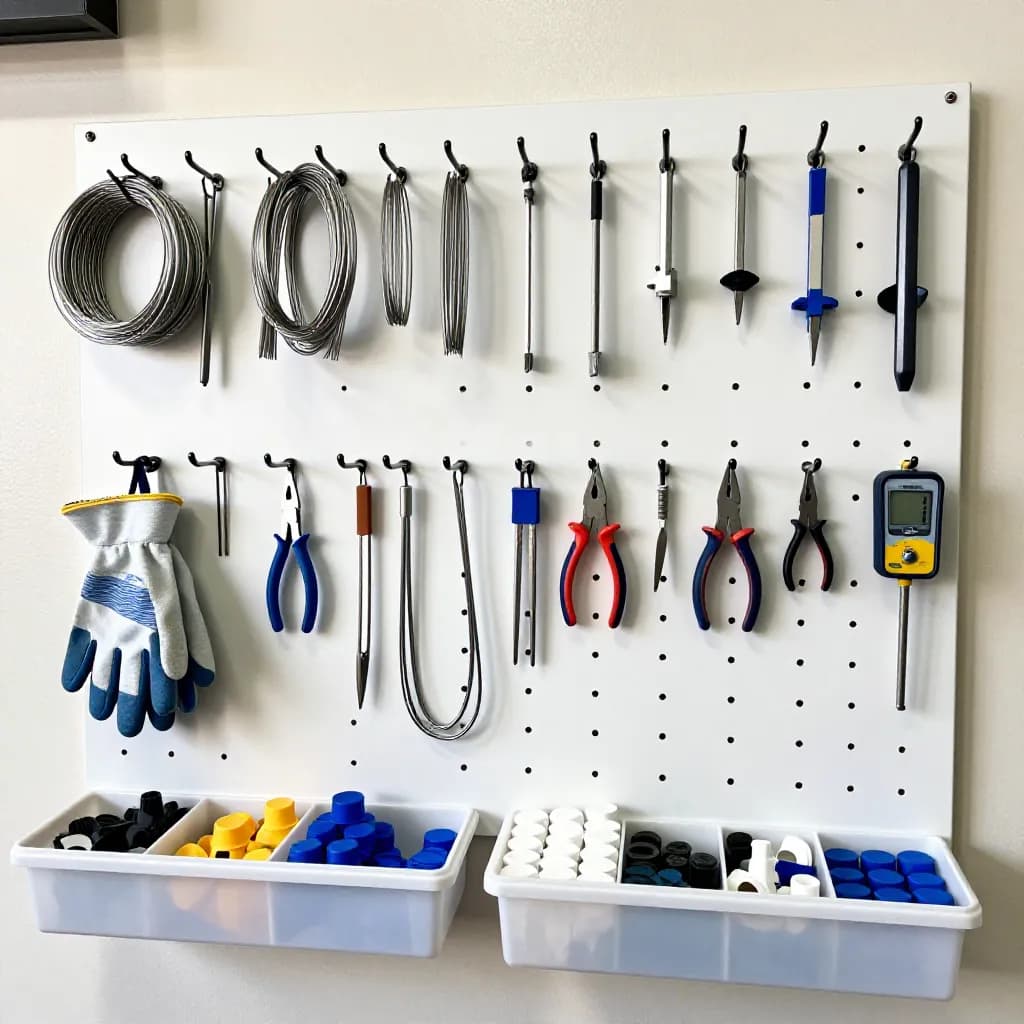
Beyond aesthetics, powder coating tools serves a functional purpose. A coated wrench resists rust in a damp toolbox. Color-coded tools are easier to identify and organize — coat metric tools in one color and standard in another, or use different colors for different tool sets. Coated pliers and vise grips are easier to grip and more comfortable to use for extended periods.
Ready to Start Your Project?
From one-off customs to 15,000-part production runs — get precise pricing in 24 hours.
On This Page
Why Powder Coat Your Workshop Tools
Tools are also ideal practice projects for developing your powder coating skills. They are small, plentiful, and have a variety of geometries that teach you to handle different shapes and surfaces. A set of wrenches gives you practice with flat surfaces and open-end geometries. Pliers teach you to coat around pivot points and handle areas. Vise grips have complex mechanisms that require careful masking.
Batch coating tools is an efficient way to use your powder coating setup. Rather than firing up the oven for a single wrench, accumulate a batch of tools and coat them all in one session. This makes better use of your time, powder, and energy, and gives you a satisfying pile of freshly coated tools at the end of the session.
Preparing Tools for Powder Coating
Tool preparation follows the same principles as any powder coating project, but tools present some unique considerations. Many tools have hardened surfaces, chrome plating, or specialized coatings that affect preparation and adhesion.
Start by sorting your tools into groups based on material and condition. Plain carbon steel tools (most wrenches, pliers, and hand tools) are straightforward to prepare. Chrome-plated tools require extra effort to remove the chrome, which is very hard and resistant to blasting. Chrome-vanadium and other alloy steel tools may have surface treatments that need to be addressed.
For plain steel tools, degrease thoroughly and blast with aluminum oxide to remove rust, old coatings, and surface contamination. Most hand tools blast quickly due to their small size. Work through your batch systematically, blasting each tool completely before moving to the next.
Chrome-plated tools are more challenging. Chrome is extremely hard and resists blasting with standard media. You have two options: blast aggressively with aluminum oxide at high pressure to remove the chrome (time-consuming but effective), or use a chemical chrome stripper to dissolve the plating before blasting. Chemical stripping is faster but requires handling caustic chemicals safely.
After blasting, handle all tools with clean gloves. Organize them on a clean surface ready for coating. If you are batch coating a large number of tools, consider building a simple hanging rack from wire that holds multiple tools at once — this speeds up both the coating and curing process significantly.
Masking Functional Surfaces on Tools
Unlike decorative items, tools have functional surfaces that must remain uncoated for proper operation. Identifying and masking these surfaces is critical for maintaining tool function after coating.
On wrenches, mask the jaw surfaces — both open-end and box-end. Powder coating on wrench jaws changes the fit on fasteners and can cause rounding. Use high-temperature tape to cover the jaw contact surfaces precisely. The rest of the wrench handle and body can be coated.
On pliers, mask the jaw faces and the cutting edges if the pliers have wire cutters. The pivot point area is a judgment call — some coaters mask it to maintain smooth operation, while others coat it and work the pivot a few times after curing to break through the thin coating. If the pliers have spring-loaded handles, remove the spring before coating and reinstall after.
On vise grips, mask the jaw faces, the adjustment screw threads, and the release lever mechanism. The locking mechanism must operate freely after coating, so either mask the moving parts or plan to work them after curing to ensure free movement.
Socket sets present a unique challenge — the interior of the socket must remain uncoated to maintain proper fit on fasteners. Plug each socket with a silicone plug or wrap a bolt of the appropriate size with high-temp tape and insert it into the socket. The exterior of the socket can be coated for corrosion protection and color coding.
Screwdriver tips must remain uncoated for proper engagement with fastener heads. Mask the tip area with tape or dip the tip in a liquid masking compound that peels off after curing.
Batch Coating Techniques for Maximum Efficiency
Batch coating is the most efficient way to powder coat tools. Rather than coating one tool at a time, prepare and coat an entire batch in a single session. This approach saves time on setup, cleanup, oven preheating, and color changes.
Build a batch hanging system that holds multiple tools simultaneously. A simple approach is a length of steel wire or rod suspended horizontally, with individual hooks or loops for each tool. Space tools far enough apart that you can spray each one without overspray contaminating its neighbors — 3 to 4 inches between tools is usually sufficient.
For small tools like wrenches and screwdrivers, you can hang dozens on a single rack. For larger tools like pliers and vise grips, you may need multiple racks or a larger spacing. Design your rack to fit inside your oven with clearance on all sides.
Coat all tools in the batch with the same color before moving to the next color. This minimizes color changes and the associated cleaning time. If you are color-coding tools, plan your batches by color — all the red tools in one batch, all the blue in the next, and so on.
When loading the batch into the oven, ensure adequate air circulation around each tool. Tools packed too tightly will have uneven curing due to restricted airflow. The oven should be able to maintain its setpoint temperature with the full batch loaded — if the temperature drops significantly and recovers slowly, you may be overloading the oven.
Small tools reach cure temperature quickly, so cure times are typically short. A batch of wrenches in a preheated 400°F oven will reach temperature within 5 minutes. Add the powder manufacturer's specified cure time and your total oven time per batch is usually under 25 minutes.
Color Coding and Workshop Organization
One of the most practical benefits of powder coating tools is the ability to implement a color-coding system that makes your workshop more organized and efficient. Color coding helps you find the right tool quickly, identify tools that belong to different sets, and spot borrowed tools that need to be returned.
A common color-coding scheme for automotive workshops is metric tools in one color and standard (SAE) tools in another. Blue for metric and red for standard is a popular combination that is easy to remember and visually distinct. This eliminates the frustrating experience of grabbing the wrong size wrench because you picked up a 13mm instead of a 1/2-inch.
Another approach is to color-code by tool set or storage location. Tools that belong in the top drawer get one color, second drawer another, and so on. This makes it immediately obvious where a tool belongs when you are cleaning up, and it is easy to spot a tool that has migrated to the wrong location.
For shared workshops, color coding by owner prevents disputes and lost tools. Each person's tools get a distinctive color, making ownership instantly identifiable. This is particularly useful in family workshops or shared maker spaces where multiple people use the same work area.
Beyond color coding, powder coating makes tools easier to organize because the smooth, consistent finish looks professional and motivates you to maintain an organized workspace. There is something about a drawer full of matching, freshly coated tools that encourages you to put them back where they belong rather than tossing them on the bench.
Special Considerations for Different Tool Types
Different tool types have specific considerations that affect how you prepare, mask, and coat them. Understanding these nuances helps you achieve the best results across your tool collection.
Hammers and mallets can be fully coated on the handle, but the striking face should be left bare or coated with a thin layer that will wear through quickly in use. Powder coating on a hammer face will chip off with the first few strikes and create debris. Mask the striking face and coat the rest for corrosion protection and grip improvement.
Pry bars and chisels have working edges that must remain bare and sharp. Mask the working end and coat the handle and shaft. The coating on the shaft provides corrosion protection and a better grip surface.
Measuring tools like calipers, micrometers, and rulers should generally not be powder coated, as the coating thickness affects measurement accuracy. If you want to protect measuring tools from corrosion, a thin oil film or vapor corrosion inhibitor is more appropriate than powder coating.
Clamps and vises can be partially coated for corrosion protection and appearance, but mask all sliding surfaces, screw threads, and clamping faces. The moving parts must operate freely, and the clamping surfaces need bare metal for grip.
Power tool housings and guards can be powder coated if they are metal and can be removed from the tool. Disassemble completely, mask any mounting surfaces or electrical contact points, and coat the exterior surfaces. This is an excellent way to restore the appearance of older power tools while providing corrosion protection.
Frequently Asked Questions
Will powder coating affect how my tools work?
Not if you mask functional surfaces properly. Wrench jaws, plier faces, cutting edges, socket interiors, and screwdriver tips must remain uncoated. The coating on handles and bodies actually improves grip and corrosion resistance. Mask all surfaces that contact fasteners or workpieces.
Can I powder coat chrome-plated tools?
Yes, but chrome must be removed first for proper adhesion. Either blast aggressively with aluminum oxide at high pressure to remove the chrome plating, or use a chemical chrome stripper before blasting. Powder coating will not adhere reliably over intact chrome plating.
How many tools can I coat in one batch?
This depends on your oven size and hanging system. Small tools like wrenches can be hung 3-4 inches apart on a wire rack, allowing dozens per batch. Ensure adequate air circulation and verify your oven maintains temperature with the full batch loaded. Overloading causes uneven curing.
What is the best color coding system for workshop tools?
A popular system uses different colors for metric vs standard (SAE) tools — for example, blue for metric and red for standard. Other approaches include color coding by storage location, tool set, or owner in shared workshops. Choose colors that are visually distinct and easy to remember.
How durable is powder coating on hand tools?
Powder coating on tool handles and bodies is very durable, resisting chips, scratches, and corrosion through normal use. High-wear areas like wrench handles may show wear over years of heavy use, but the coating significantly outlasts spray paint. Functional surfaces should be left uncoated.
Ready to Start Your Project?
From one-off customs to 15,000-part production runs — get precise pricing in 24 hours.