Powder coating is often described as safer than liquid painting because it eliminates solvent vapors and VOC emissions. While this is true, it does not mean powder coating is without hazards. A DIY powder coating setup involves high-voltage electrical equipment, ovens operating at 400°F or higher, finely ground combustible powder, compressed air systems, and chemical cleaning agents. Each of these presents real risks that must be managed through proper safety practices.
DIY
DIY Powder Coating Safety Guide: PPE, Ventilation, Fire, and Electrical Safety
Sundial Powder Coating·April 22, 2026·12 min
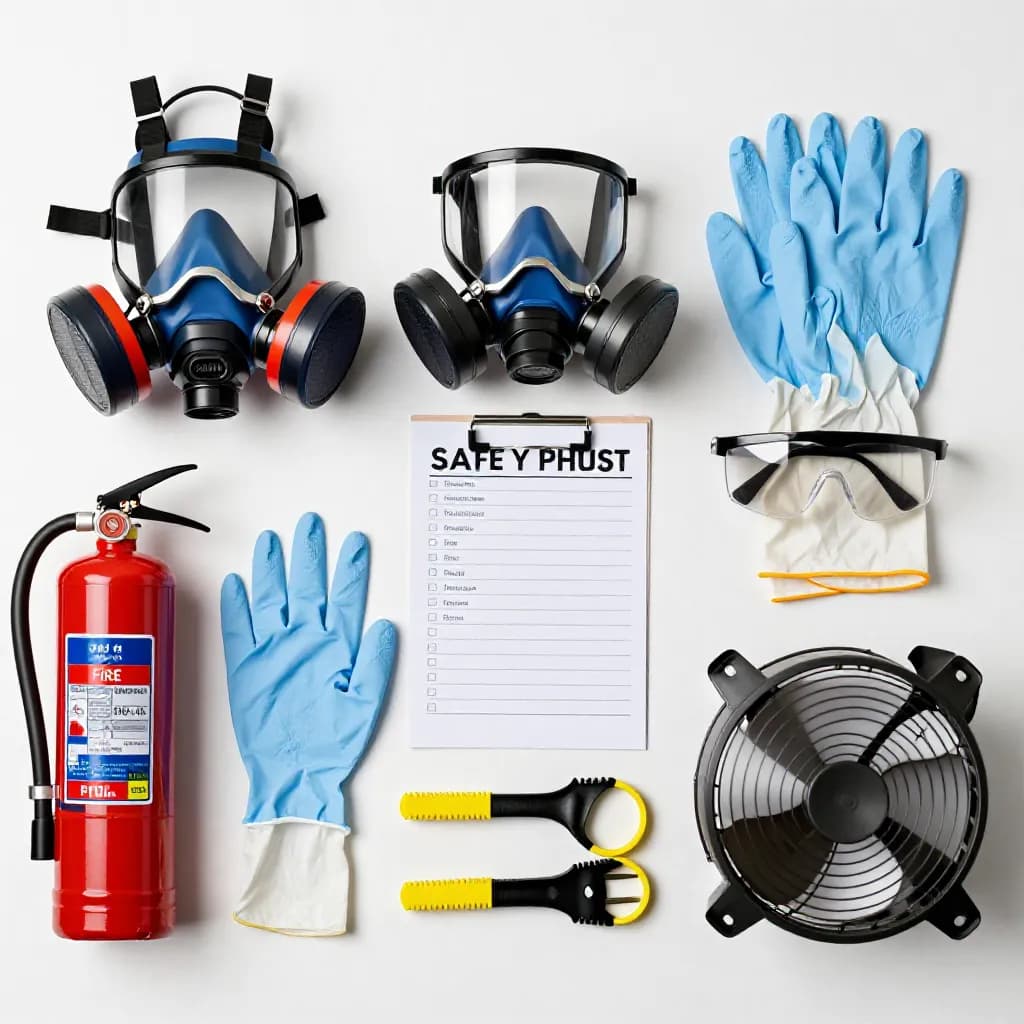
The good news is that powder coating can be done safely at home with the right knowledge, equipment, and habits. The hazards are well understood, and the protective measures are straightforward and affordable. No specialized training is required — just common sense, the right personal protective equipment, and a commitment to following safe practices every time you coat.
Ready to Start Your Project?
From one-off customs to 15,000-part production runs — get precise pricing in 24 hours.
On This Page
Safety Is Not Optional in Powder Coating
This guide covers the five main safety areas for DIY powder coating: personal protective equipment (PPE), ventilation and respiratory protection, fire prevention, electrical safety, and chemical handling. Each section explains the specific hazards, the protective measures required, and the equipment you need. Treat this guide as a minimum standard — your specific setup may have additional hazards that require additional precautions.
Safety equipment is not an area to cut corners. The cost of proper PPE, ventilation, and fire protection is trivial compared to the cost of a medical emergency, a workshop fire, or chronic health problems from repeated exposure to hazards. Invest in safety equipment before you invest in a better gun or a fancier powder color.
Personal Protective Equipment for Powder Coating
PPE for powder coating protects you from the specific hazards present at each stage of the process. Different tasks require different protection, so understand what you need for each activity rather than wearing the same gear for everything.
During surface preparation and blasting, wear safety glasses or a full-face shield, hearing protection (blasting is loud), heavy-duty gloves, and a respirator rated for particulate exposure. If you are using chemical strippers, add chemical-resistant gloves and splash-proof goggles. Blasting generates fine dust that is harmful to inhale — a half-face respirator with P100 particulate filters is the minimum; a full-face respirator or supplied-air blast hood is better for extended blasting sessions.
During powder application, wear safety glasses, nitrile gloves, and a respirator with particulate filters. The powder particles are not acutely toxic, but inhaling any fine particulate matter repeatedly is harmful to your lungs over time. A half-face respirator with P100 filters provides adequate protection for occasional hobby use. If you coat frequently, consider upgrading to a powered air-purifying respirator (PAPR) for greater comfort during long sessions.
During oven loading and unloading, wear heat-resistant gloves rated for at least 450°F. Standard leather work gloves are not adequate — they conduct heat and can cause burns when handling hot parts or reaching into a hot oven. Dedicated heat-resistant gloves with extended cuffs protect your hands and forearms.
Wear long sleeves and long pants during all powder coating activities to protect your skin from powder contact, chemical splashes, and heat exposure. Avoid loose clothing that could catch on equipment or contact hot surfaces. Closed-toe shoes with non-slip soles are essential — sandals and open-toe shoes have no place in a powder coating workshop.
Ventilation and Respiratory Protection
Adequate ventilation is essential at every stage of the powder coating process. During preparation, blasting generates dust. During application, powder particles become airborne. During curing, the powder releases small amounts of volatile gases as it crosslinks. Each of these requires appropriate ventilation to maintain safe air quality in your workspace.
Your spray booth should have a ventilation system that moves air away from you and through filters before exhausting it outdoors or recirculating it. The booth ventilation system is your primary defense against inhaling powder particles during application. Ensure the system is running before you start spraying and leave it running until the airborne powder has cleared after you finish.
If your oven is inside your workshop, provide ventilation during curing cycles. Open garage doors or windows, or install an exhaust fan near the oven that activates during curing. The gases released during powder curing are minimal compared to liquid paint, but they should not be allowed to accumulate in an enclosed space. Some coaters notice a slight odor during curing — this is normal but indicates that ventilation should be improved.
During chemical cleaning and stripping, work in a well-ventilated area or outdoors. Chemical strippers, degreasers, and solvents release vapors that can be harmful if inhaled in concentrated amounts. Read the safety data sheet (SDS) for every chemical product you use and follow its ventilation recommendations.
A respirator is your last line of defense when ventilation alone is not sufficient. Choose a respirator rated for the specific hazard — particulate filters (P100) for dust and powder, organic vapor cartridges for solvent vapors, or combination cartridges for mixed exposures. Ensure the respirator fits properly by performing a fit check every time you put it on. A respirator that does not seal against your face provides little protection. Replace filters and cartridges according to the manufacturer's schedule or when you notice increased breathing resistance.
Fire Prevention and Response
Fire is a real hazard in powder coating operations. Finely ground powder suspended in air is combustible — under the right conditions, an airborne powder cloud can ignite or even explode. While the concentrations required for explosion are unlikely in a typical DIY setup, localized ignition of powder accumulations is a genuine risk that must be managed.
Keep your spray booth and surrounding area clean. Powder accumulations on surfaces, in corners, and on equipment are fuel for a fire. Clean up overspray regularly — do not let it build up over multiple coating sessions. Vacuum or wipe down booth surfaces, and sweep the floor around your coating area after each session.
Keep ignition sources away from the powder coating area. This includes open flames, sparks from grinding or welding, lit cigarettes, and electrical equipment that can arc or spark. Never smoke in or near the powder coating area. If you need to grind or weld in the same workshop, do so before coating and clean up all sparks and debris before opening any powder containers.
Your curing oven is a controlled heat source, but it can become a fire hazard if misused. Never cure parts with excessive powder buildup — thick accumulations can ignite in the oven. Keep the area around the oven clear of flammable materials including powder containers, solvents, rags, cardboard, and paper. Never leave a hot oven unattended for extended periods.
Have appropriate fire extinguishers readily accessible. A Class ABC dry chemical extinguisher handles most fire types you might encounter in a powder coating workshop — electrical fires, combustible material fires, and flammable liquid fires. Mount the extinguisher within easy reach of both the spray booth and the oven, and ensure everyone who uses the workshop knows its location and how to use it. Inspect the extinguisher regularly and replace or recharge it according to the manufacturer's schedule.
Electrical Safety in the Powder Coating Workshop
Electrical hazards in a powder coating workshop come from three main sources: the powder coating gun's high-voltage power supply, the curing oven's heating elements and wiring, and the general electrical infrastructure of your workshop.
The powder coating gun operates at high voltage — typically 25,000 to 100,000 volts — to charge the powder particles electrostatically. While the current is very low (microamps), the voltage can deliver a painful shock. Never touch the electrode tip while the gun is energized. Keep the gun pointed away from yourself and others during operation. Turn off the power supply before cleaning, adjusting, or servicing the gun.
The gun's power supply should be properly grounded and connected to a GFCI (Ground Fault Circuit Interrupter) protected outlet. A GFCI will trip and cut power if it detects a ground fault, protecting you from electrical shock. Test the GFCI monthly by pressing the test button and verifying that it trips.
Your curing oven operates on high-amperage circuits — typically 240 volts at 15 to 30 amps for a custom-built oven. All oven wiring must be properly rated for the load, securely connected, and protected by an appropriately sized circuit breaker. Use high-temperature wire where it passes through or near the oven shell. If you are not confident in your electrical skills, hire a licensed electrician to wire your oven.
Ground all metal equipment in your workshop — the oven frame, spray booth structure, compressor, and any metal workbenches or racks. Grounding prevents static charge buildup and provides a safe path for fault currents. Use a multimeter to verify ground continuity periodically.
Inspect all electrical cords, plugs, and connections regularly for damage, wear, or overheating. Replace any damaged components immediately. Do not use extension cords for high-amperage equipment like ovens — connect directly to a dedicated outlet on an appropriately rated circuit.
Chemical Handling and Hazardous Materials
A powder coating workshop uses several chemical products that require safe handling: degreasers, solvents, chemical strippers, blasting media, and the powder coating material itself. While none of these are extremely hazardous when handled properly, careless handling can cause skin irritation, respiratory problems, or environmental contamination.
Obtain and read the Safety Data Sheet (SDS) for every chemical product in your workshop. The SDS provides specific information about hazards, safe handling procedures, required PPE, first aid measures, and disposal requirements. Keep SDS documents accessible in your workshop — a binder near the work area is the traditional approach, though digital copies on your phone work too.
Degreasers and solvents can cause skin irritation and are harmful if inhaled in concentrated amounts. Wear chemical-resistant gloves (nitrile is suitable for most common solvents) and work in a ventilated area. Avoid skin contact and wash hands thoroughly after handling. Store solvents in their original containers with labels intact, away from heat sources and ignition sources.
Chemical paint strippers are among the most hazardous products in a powder coating workshop. Some contain methylene chloride or other aggressive chemicals that require specific PPE including chemical-resistant gloves, splash-proof goggles, and respiratory protection. Follow the product's SDS recommendations exactly. Consider using less hazardous alternatives like citrus-based strippers when possible.
Powder coating material itself is relatively low-hazard. It is not acutely toxic, flammable in bulk form, or corrosive. The primary hazard is respiratory — inhaling fine powder particles repeatedly can cause lung irritation. Wear a particulate respirator during application and cleanup. Dispose of waste powder according to local regulations — most cured powder coating waste can be disposed of as regular solid waste, but uncured powder may have different requirements in your area.
Blasting media dust, especially from aluminum oxide and other mineral abrasives, is a respiratory hazard. Always wear a respirator during blasting and cleanup. Never use silica sand for blasting — it causes silicosis, a serious and irreversible lung disease.
Creating a Safety Culture in Your Workshop
Safety is not just about having the right equipment — it is about developing habits and a mindset that prioritize safety in every task. The most dangerous moment in any workshop is when you get comfortable and start cutting corners because nothing bad has happened yet.
Create a safety checklist for your powder coating process and follow it every time. Include items like: PPE on and properly fitted, ventilation running, fire extinguisher accessible, ground connections verified, oven temperature verified, and work area clean. A checklist takes 60 seconds to run through and catches the oversights that lead to incidents.
If others use your workshop — family members, friends, or fellow hobbyists — make sure they understand the hazards and safety rules. Post basic safety rules in a visible location. Keep the workshop locked or secured when not in use to prevent unauthorized access, especially by children who may be curious about the equipment.
Maintain your safety equipment. Replace respirator filters on schedule. Inspect fire extinguishers monthly. Test GFCI outlets regularly. Check electrical cords for damage. Verify that ventilation systems are functioning properly. Safety equipment that is not maintained is safety equipment that may not work when you need it.
Know what to do in an emergency. If a fire starts, know where the extinguisher is and how to use it. If someone receives an electrical shock, know how to safely disconnect the power. If someone is exposed to chemicals, know the first aid procedures from the SDS. Keep a first aid kit in the workshop and know the location of the nearest emergency room.
Finally, never work when you are tired, distracted, or impaired. Fatigue and distraction are contributing factors in most workshop accidents. If you are not fully alert and focused, save the coating project for another day. The parts will wait — your safety cannot.
Frequently Asked Questions
What respirator do I need for powder coating?
A half-face respirator with P100 particulate filters is the minimum for powder application and blasting. For solvent use during cleaning and stripping, add organic vapor cartridges or use combination cartridges. Ensure proper fit by performing a seal check every time you put the respirator on. For frequent use, consider a powered air-purifying respirator (PAPR).
Is powder coating a fire hazard?
Yes, finely ground powder suspended in air is combustible. Keep your work area clean of powder accumulations, keep ignition sources away from the coating area, never cure parts with excessive powder buildup, and have a Class ABC fire extinguisher readily accessible near both the spray booth and oven.
Do I need a GFCI outlet for my powder coating gun?
Yes, connecting your powder coating gun's power supply to a GFCI-protected outlet is strongly recommended. The gun operates at high voltage (25,000-100,000V), and a GFCI provides protection against ground faults that could cause electrical shock. Test the GFCI monthly to ensure it functions properly.
What PPE do I need for media blasting?
Wear a full-face shield or blast hood, hearing protection, heavy-duty gloves, long sleeves, and a respirator with P100 particulate filters at minimum. A supplied-air blast hood provides the best respiratory protection for extended blasting sessions. Never blast without eye and respiratory protection.
How do I safely dispose of powder coating waste?
Cured powder coating waste can typically be disposed of as regular solid waste. Uncured powder may have different disposal requirements depending on local regulations — check with your local waste management authority. Chemical strippers, solvents, and contaminated rags should be disposed of according to their SDS recommendations and local hazardous waste regulations.
Ready to Start Your Project?
From one-off customs to 15,000-part production runs — get precise pricing in 24 hours.