Metal patio furniture takes a beating from the elements. Sun, rain, humidity, temperature swings, and salt air (in coastal areas) all conspire to degrade finishes and promote corrosion. Factory finishes on budget patio furniture are often thin and poorly applied, lasting only a few seasons before fading, chipping, and rusting. Even higher-quality furniture eventually succumbs to years of outdoor exposure.
DIY
DIY Powder Coating Patio Furniture: Stripping, Prep, and UV-Resistant Finishes
Sundial Powder Coating·April 22, 2026·11 min
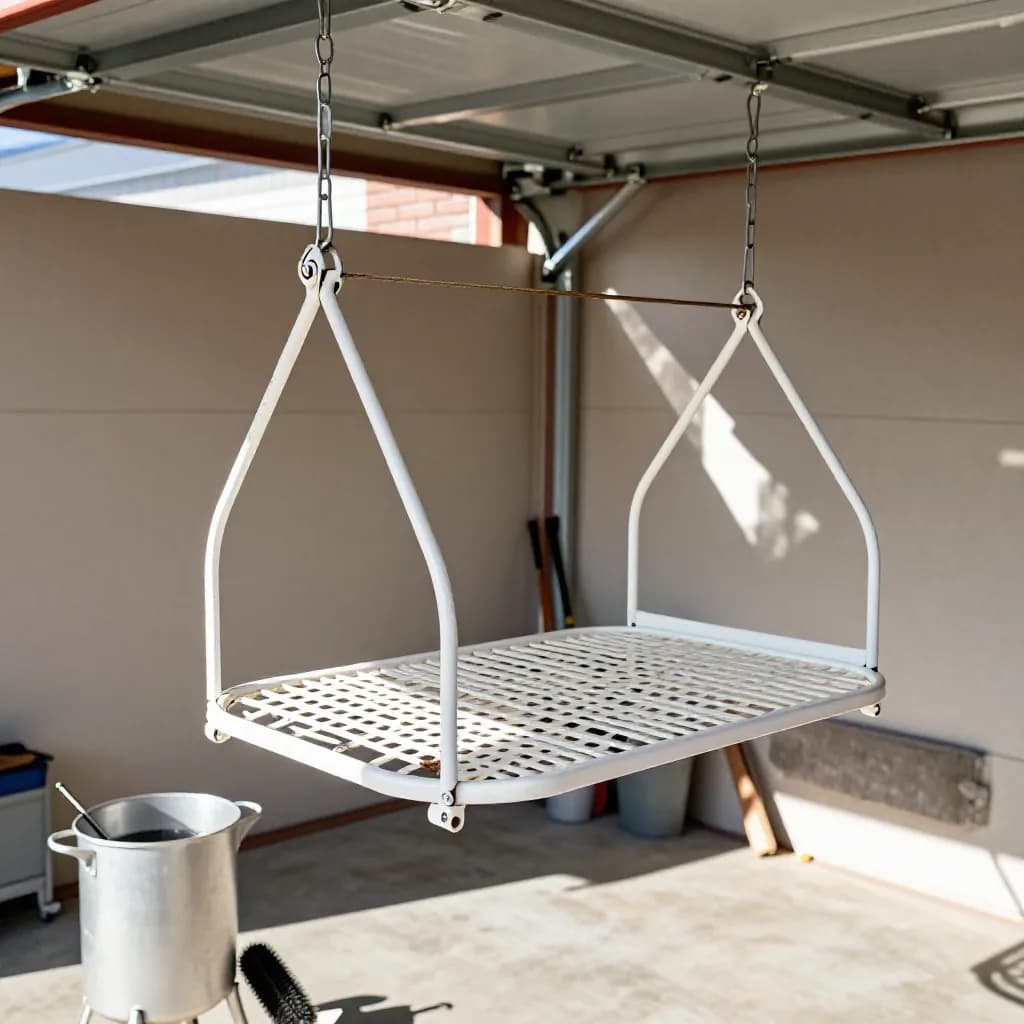
Powder coating is the ideal solution for restoring and protecting outdoor metal furniture. A properly applied powder coat is significantly thicker and more durable than the original factory finish on most patio furniture. It resists UV fading, moisture penetration, chipping, and scratching far better than spray paint or brush-on enamel. With the right powder selection, a DIY powder coat can protect your furniture for many years of outdoor use.
Ready to Start Your Project?
From one-off customs to 15,000-part production runs — get precise pricing in 24 hours.
On This Page
Why Powder Coat Patio Furniture
Patio furniture is also a satisfying DIY project because the transformation is dramatic and immediately useful. A set of rusty, faded chairs and a table can be restored to better-than-new condition in a weekend, saving the cost of replacement while giving you exactly the color and finish you want. It is also a great way to update the look of functional furniture that is structurally sound but cosmetically tired.
The main challenge with patio furniture is size. Chairs, tables, and loungers are often too large for a standard kitchen oven, requiring either a custom-built oven or a creative approach to disassembly. Many patio furniture pieces can be partially disassembled into components that fit a moderately sized oven, making the project accessible even without a large custom oven.
Stripping Old Finish from Patio Furniture
Most patio furniture arrives at your workshop with layers of degraded paint, rust, and accumulated grime. All of this must be removed to reach clean bare metal. The stripping method depends on the type and condition of the existing finish.
For furniture with peeling or loose paint, media blasting is the fastest and most thorough approach. Blast with aluminum oxide or garnet at moderate pressure, working systematically across each component. Pay attention to joints, welds, and crevices where old paint and rust accumulate. Blasting simultaneously strips the old finish and creates the surface profile needed for powder adhesion.
Chemical stripping is an alternative for furniture that cannot be easily blasted, such as pieces with intricate scrollwork or thin-gauge tubing that might warp under blast pressure. Apply a quality paint stripper, allow it to work according to the product directions, and scrape off the softened finish. Multiple applications may be needed for heavy buildup. Follow chemical stripping with a light blast or thorough sanding to create a surface profile.
For furniture with heavy rust, address the corrosion before or during stripping. Blasting removes surface rust effectively, but deep pitting may remain. Inspect the metal after stripping — if rust has eaten through the metal or created structural weakness, the piece may not be worth coating. Minor pitting can be filled with a high-temperature body filler, sanded smooth, and blasted to create a uniform surface.
After stripping, degrease all surfaces thoroughly. Patio furniture accumulates sunscreen, food oils, bird droppings, and other organic contamination that embeds in the surface over years of use. A thorough solvent wipe followed by a final acetone wipe ensures a contamination-free surface ready for coating.
Choosing Outdoor-Rated Powder for UV Protection
Not all powder coatings are created equal when it comes to outdoor durability. For patio furniture that will spend its life exposed to sunlight, rain, and temperature extremes, you need a powder specifically formulated for exterior use with strong UV resistance.
Super durable polyester (SDP) powders are the gold standard for outdoor applications. These powders use UV-stabilized polyester resins that resist fading and chalking far longer than standard polyester formulations. SDP powders are what commercial outdoor furniture manufacturers and architectural coaters use for products that must maintain their appearance for years in direct sunlight.
Standard polyester powders will work outdoors but will fade and chalk noticeably faster than super durable formulations, especially in dark or vibrant colors. If you are coating furniture for a covered patio with limited direct sun exposure, standard polyester may be adequate. For furniture in full sun, invest in super durable polyester — the difference in long-term performance is significant.
Avoid epoxy and hybrid (epoxy-polyester) powders for outdoor furniture. Epoxy powders have poor UV resistance and will chalk and fade rapidly in sunlight. They are designed for indoor applications and will disappoint you on outdoor furniture within the first season.
Color choice affects UV performance. Lighter colors and earth tones generally show less visible fading than dark or vibrant colors. Black, dark blue, and bright red are the most challenging colors for UV retention. If you choose a dark or vibrant color, super durable polyester is especially important. White and light gray are the most forgiving colors for outdoor use, showing minimal visible change even after years of sun exposure.
Disassembly and Oven Sizing Strategies
The biggest practical challenge with patio furniture is fitting it in your oven. A standard patio chair might be 24 inches wide, 24 inches deep, and 34 inches tall — dimensions that exceed most DIY ovens. However, many furniture pieces can be disassembled into components that fit a moderately sized oven.
Examine your furniture for bolted connections, riveted joints, and welded assemblies. Bolted connections are easy to disassemble and reassemble. Riveted joints can be drilled out and replaced with new rivets or bolts during reassembly. Welded assemblies must be coated as a single piece unless you are willing to cut and re-weld, which is generally not practical.
Common disassembly points on patio chairs include the seat frame from the back frame, armrests from the main frame, and legs from the seat. Tables often separate into a top frame and leg assembly. Loungers may break down into a seat section, back section, and leg assembly. Each disassembled component should be small enough to fit your oven.
If disassembly is not possible and your oven is too small, you have several options. Build a larger oven specifically for furniture-sized parts — this is a worthwhile investment if you plan to coat furniture regularly. Alternatively, some coaters use infrared heat lamps to cure powder on parts that are too large for an oven. This approach requires careful heat management to ensure uniform curing but can work for flat or gently curved surfaces.
Label all disassembled components and hardware so reassembly goes smoothly. Take photos of the assembled furniture from multiple angles before disassembly, noting how components connect and orient relative to each other.
Application Technique for Furniture Components
Patio furniture components typically consist of tubular steel or aluminum frames with various joints, bends, and connection points. The tubular geometry is generally forgiving for powder application, but joints and connection points create Faraday cage areas that require attention.
Hang components from hooks or wire at points that will be hidden in the assembled furniture — bolt holes, connection points, or interior surfaces. Ensure good ground contact at the hanging point. If the component is large or heavy, use multiple hanging points to keep it stable and prevent swinging during spraying.
Coat the difficult areas first: inside corners of joints, the back sides of tubes, and any recessed connection points. Use reduced voltage and a narrow spray pattern for these areas. Then coat the main tube surfaces with your normal settings, using smooth overlapping passes to build even coverage.
Pay attention to the ends of tubes and any cut edges. These areas are prone to thin coverage and are where corrosion typically starts on outdoor furniture. Give tube ends and edges an extra pass to ensure adequate film build. If the furniture has decorative scrollwork or cast elements, treat these like any complex geometry — coat the recesses first at low voltage, then build coverage on the exposed surfaces.
For furniture that will be assembled with visible hardware, consider coating the bolts and nuts as well. Matching hardware completes the professional look and provides corrosion protection for the fasteners. Thread bolts into a piece of scrap metal for hanging and coat them along with the furniture components.
Curing and Reassembly of Patio Furniture
Cure each component according to the powder manufacturer's schedule. Tubular furniture components are relatively thin-walled and reach cure temperature quickly — typically within 5 to 10 minutes in a preheated oven. Heavier cast components take longer. Verify part temperature with a thermometer rather than relying on oven time alone.
Allow all components to cool completely before handling or assembling. Hot powder coating is soft and easily damaged — even fingerprints can leave marks on a coating that has not fully cooled and hardened.
Reassemble the furniture using your photos and labels as guides. Replace any hardware that was corroded or damaged during disassembly with new stainless steel or zinc-plated fasteners. If you drilled out rivets during disassembly, install new rivets or substitute bolts with lock nuts for a secure connection.
Apply a thread-locking compound to bolts that must stay tight in service — patio furniture experiences vibration from wind and use that can loosen fasteners over time. For bolts that may need future removal, use a medium-strength thread locker rather than permanent.
Once assembled, inspect all joints and connections for stability. Sit in chairs, lean on tables, and test the furniture under load to verify that everything is secure. Check that all components align properly and that the furniture sits level on a flat surface.
For additional protection in harsh environments, apply a coat of automotive wax to the powder-coated surfaces. This adds a sacrificial layer that protects against minor scratches and makes cleaning easier. Reapply wax at the beginning of each outdoor season for maximum protection.
Maintaining Powder Coated Outdoor Furniture
Proper maintenance extends the life of your powder-coated patio furniture significantly. The good news is that powder coating requires much less maintenance than paint — regular cleaning and occasional wax application are usually all that is needed.
Clean furniture regularly with mild soap and water. A soft brush or cloth removes dirt, pollen, and bird droppings that can stain or degrade the coating if left in place. Avoid abrasive cleaners, steel wool, or harsh chemicals that can scratch or dull the finish. For stubborn stains, a non-abrasive household cleaner works well.
Inspect the coating periodically for chips, scratches, or areas where the finish has been damaged. Address any damage promptly by cleaning the area, applying a touch-up paint matched to the powder color, and sealing with clear coat. Exposed bare metal will rust quickly in outdoor conditions, and rust that starts under the coating will spread and cause larger failures over time.
During winter or extended periods of non-use, store furniture in a covered area or use furniture covers to reduce UV exposure and moisture contact. While powder coating is designed for outdoor use, minimizing unnecessary exposure extends its service life. If storage is not possible, at minimum clean and wax the furniture before the off-season.
If the coating eventually shows signs of chalking or fading after several years, you can restore the appearance by cleaning thoroughly and applying a UV-protective automotive wax or sealant. For more significant degradation, the furniture can be stripped and recoated — the beauty of powder coating is that the process is fully repeatable, and a second coat will perform just as well as the first.
With proper powder selection and basic maintenance, expect your powder-coated patio furniture to maintain its appearance for five to ten years or more in typical outdoor conditions. In covered or shaded locations, the coating can last even longer.
Frequently Asked Questions
What type of powder should I use for outdoor patio furniture?
Use super durable polyester (SDP) powder for the best UV resistance and outdoor longevity. Standard polyester works but fades faster, especially in dark colors. Never use epoxy or hybrid powders outdoors — they chalk and fade rapidly in sunlight. SDP powders are what commercial outdoor furniture manufacturers use.
How do I fit large patio furniture in my powder coating oven?
Disassemble the furniture into components that fit your oven. Look for bolted connections and riveted joints that can be separated. Label all parts and hardware for reassembly. If disassembly is not possible, consider building a larger oven or using infrared heat lamps for curing oversized pieces.
How long does powder coating last on outdoor furniture?
With super durable polyester powder and basic maintenance, expect 5-10 years or more in typical outdoor conditions. Covered or shaded locations extend the life further. Regular cleaning, periodic waxing, and prompt repair of any chips or scratches maximize the coating's service life.
Can I powder coat aluminum patio furniture?
Yes, aluminum furniture powder coats well. Pre-bake cast aluminum components to prevent outgassing. Use reduced blast pressure (40-50 PSI) with glass bead or fine aluminum oxide to avoid warping thin sections. The same outdoor-rated super durable polyester powder works on both steel and aluminum substrates.
How do I maintain powder coated patio furniture?
Clean regularly with mild soap and water using a soft brush or cloth. Apply automotive wax at the beginning of each outdoor season for additional protection. Inspect periodically for chips or damage and touch up promptly. Avoid abrasive cleaners and harsh chemicals that can scratch or dull the finish.
Ready to Start Your Project?
From one-off customs to 15,000-part production runs — get precise pricing in 24 hours.