One of the biggest misconceptions about DIY powder coating is that it requires a massive upfront investment. While a fully equipped professional shop costs tens of thousands of dollars, a functional home setup capable of producing excellent results on small to medium parts can be assembled for a fraction of that. The key is understanding what you truly need to start, what you can improvise or defer, and how to prioritize your spending for maximum impact.
DIY
DIY Powder Coating on a Budget: Minimum Viable Setup and Growing Over Time
Sundial Powder Coating·April 22, 2026·11 min
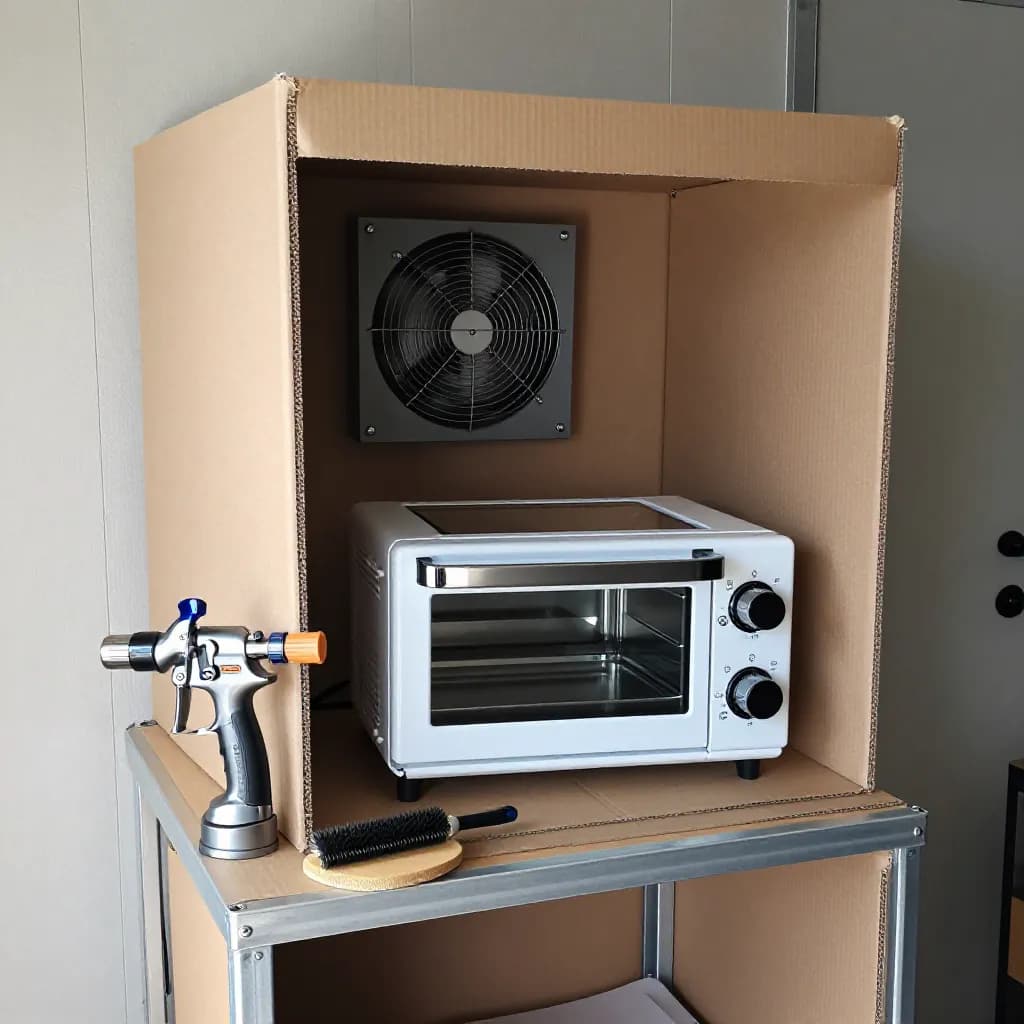
The minimum viable powder coating setup consists of four essential components: a way to prepare surfaces, a way to apply powder, a way to cure the coating, and basic safety equipment. Everything else — dedicated spray booths, blast cabinets, PID controllers, and specialty tools — enhances your capability and convenience but is not strictly necessary for your first projects.
Ready to Start Your Project?
From one-off customs to 15,000-part production runs — get precise pricing in 24 hours.
On This Page
You Do Not Need a Fortune to Start Powder Coating
This guide takes a practical, phased approach to building your powder coating capability. Phase one gets you coating with the absolute minimum investment. Phase two adds equipment that significantly improves your results and efficiency. Phase three builds out a complete home workshop that can handle virtually any project. You can move through these phases at whatever pace your budget and interest allow.
The beauty of this approach is that you start producing results immediately while learning what equipment upgrades will benefit you most. Rather than spending money on equipment you think you need, you spend money on equipment you know you need based on actual experience. Many coaters find that their phase one setup serves them well for months or even years before they feel the need to upgrade.
Phase One: The Absolute Minimum Setup
Phase one gets you powder coating with the least possible investment. The goal is to produce your first successful coated parts and learn the fundamentals of the process before committing to more expensive equipment.
For surface preparation, start with hand tools you probably already own: sandpaper (80 to 180 grit), a wire brush, and a degreaser like acetone or brake cleaner. Hand sanding is slow and does not produce the ideal surface profile that blasting provides, but it works for learning the process on small, simple parts. Supplement with a chemical etch primer if available — it improves adhesion on hand-prepared surfaces.
For powder application, an entry-level powder coating gun is your primary purchase. Basic corona guns designed for hobbyists are available from several manufacturers and represent the most important single investment in your setup. These guns come with a power supply and basic accessories. Add a small container of powder in a versatile color like gloss black or satin black.
For curing, a used electric kitchen oven is the budget option. Check thrift stores, online marketplaces, and garage sales. The oven must be electric — never gas — and should reach at least 400°F reliably. Test it with an oven thermometer before committing. A used oven can often be found for very little money, sometimes even free.
For safety, invest in a half-face respirator with P100 filters, safety glasses, nitrile gloves, and heat-resistant gloves for oven work. Do not skip safety equipment to save money — this is the wrong place to cut corners. A basic fire extinguisher should also be on your list if you do not already have one in your workshop.
For your spray area, a simple setup of a cardboard box backdrop and a drop cloth to catch overspray works for your first few projects. Spray outdoors on a calm day or in a well-ventilated garage. This is not ideal, but it gets you started.
Phase Two: Meaningful Upgrades That Improve Results
After completing several projects with your phase one setup, you will have a clear understanding of where your equipment limits your results. Phase two addresses the most impactful upgrades based on what most coaters find limiting first.
A blast cabinet is typically the first major upgrade. Hand sanding is tedious and produces inferior results compared to blasting. A basic blast cabinet with a siphon-feed gun dramatically improves your surface preparation speed and quality. Look for used cabinets — they are common on the secondhand market because many people buy them for one project and then sell them. Pair the cabinet with a bag of aluminum oxide media.
Upgrading your compressor may be necessary to support the blast cabinet. If your current compressor cannot deliver at least 10 CFM at 90 PSI, blasting will be frustratingly slow. A larger compressor with a 60-gallon or bigger tank is a worthwhile investment that also improves your powder gun performance by providing cleaner, more consistent air.
A simple spray booth improves your coating quality and keeps your workspace cleaner. Build one from PVC pipe and plastic sheeting with a box fan and furnace filters for ventilation. This basic booth contains overspray, provides controlled airflow, and protects your parts from dust contamination. The materials are inexpensive and the construction is straightforward.
An independent oven thermometer — or better yet, a PID temperature controller if you are building a custom oven — gives you accurate temperature control that eliminates one of the most common causes of coating defects. Knowing your actual oven temperature rather than trusting the built-in thermostat makes a significant difference in cure consistency.
Additional powder colors and a few specialty finishes expand your creative options. Once you have the basics working well, experimenting with metallics, textures, and different colors keeps the hobby interesting and develops your skills.
Phase Three: Building a Complete Home Workshop
Phase three transforms your setup from a basic hobby station into a capable home workshop that can handle virtually any project. These upgrades are about capability, efficiency, and convenience rather than basic functionality.
A custom-built oven sized for your most ambitious projects is the centerpiece of a complete setup. Whether you want to coat wheels, motorcycle frames, or furniture, a properly sized oven with good insulation, adequate heating elements, and PID temperature control opens up projects that a kitchen oven simply cannot accommodate.
Upgrading your powder coating gun to a model with adjustable voltage and flow control gives you much more control over your application. The ability to dial down voltage for Faraday cage areas and adjust flow for different part sizes produces noticeably better results, especially on complex geometries.
A permanent spray booth with proper ventilation, lighting, and filtration replaces the temporary setup from phase two. Build it with a solid frame, good lighting on multiple sides, a proper filter bank, and an exhaust fan sized for your booth opening. Include a powder recovery system if you want to reclaim and reuse overspray.
A pressure blasting system or a larger blast cabinet expands your preparation capability to handle bigger parts. If you are coating wheels and frames, a cabinet large enough to accommodate them — or a pressure pot for outdoor blasting — is essential.
Workshop organization and workflow optimization round out the complete setup. Dedicated storage for powder, media, and supplies. A hanging rail system that moves parts from booth to oven. A clean prep area separated from the blasting area. Good lighting throughout. These details make the difference between a workshop that is a pleasure to use and one that fights you at every step.
Smart Spending: Where to Invest and Where to Save
Not all equipment purchases deliver equal value. Understanding where to invest for quality and where to save with budget options helps you get the most capability for your money.
Invest in your powder coating gun. The gun is the tool you use most and has the biggest impact on your results. A quality gun with adjustable voltage and consistent powder delivery is worth the investment. Cheap guns with fixed voltage and poor flow control will frustrate you and limit your results.
Invest in safety equipment. A quality respirator, proper gloves, and a fire extinguisher are non-negotiable. These items protect your health and safety — do not compromise on them.
Save on your oven — at least initially. A used kitchen oven works perfectly for small parts and costs very little. When you are ready for a larger oven, building your own from sheet steel and insulation is significantly less expensive than buying a commercial unit, and you can size it exactly for your needs.
Save on your spray booth. A DIY booth built from PVC, plastic sheeting, and box fans works nearly as well as a commercial booth for a fraction of the cost. Upgrade to a permanent booth when your budget allows, but do not let the lack of a fancy booth stop you from starting.
Buy used when possible. Blast cabinets, compressors, and ovens are commonly available secondhand. These items do not wear out quickly and a used unit in good condition performs identically to a new one. Check online marketplaces, estate sales, and industrial auctions.
Buy powder in small quantities until you know what you like. One-pound bags are more expensive per pound than bulk purchases, but they prevent you from being stuck with five pounds of a color you do not like or a chemistry that does not suit your applications.
Making the Most of a Limited Setup
A budget setup has limitations, but smart technique and planning can compensate for many of them. Here are strategies for getting professional-quality results from basic equipment.
Batch your projects to make efficient use of oven preheating time and energy. Rather than coating one part at a time, accumulate several parts and coat them all in one session. This is especially important with a kitchen oven, where preheating takes time and energy.
Prepare surfaces meticulously. When you do not have a blast cabinet, thorough hand preparation becomes even more critical. Spend extra time sanding, cleaning, and degreasing to compensate for the lack of a blasted surface profile. Use chemical etch primers to improve adhesion on hand-prepared surfaces.
Practice your spray technique on scrap metal before coating important parts. With a basic gun that has limited adjustability, your technique must compensate for what the equipment cannot do. Develop consistent speed, distance, and overlap through practice.
Control your environment as much as possible. Even without a dedicated spray booth, you can minimize contamination by coating in a clean area, on a calm day (if outdoors), with a drop cloth to catch overspray. Wipe down surfaces near your coating area before spraying.
Learn to read the powder as it lands on the part. With experience, you can judge coverage, thickness, and uniformity by the appearance of the uncured powder. This skill is more valuable than any piece of equipment because it allows you to catch and correct problems before they go into the oven.
Document everything. Keep notes on what works and what does not with your specific equipment. Your notes become a personalized reference that is more valuable than any generic guide because it reflects your actual setup, materials, and conditions.
Growing Your Capability Over Time
The phased approach to building your powder coating setup has a hidden benefit: it develops your skills in parallel with your equipment. By the time you invest in advanced equipment, you have the experience to use it effectively. A beginner with a professional-grade setup will not produce better results than an experienced coater with basic equipment — skill matters more than gear.
Let your projects drive your upgrades. When you find yourself consistently limited by a specific piece of equipment, that is the signal to upgrade. If you are spending hours hand-sanding parts, a blast cabinet is your next purchase. If your kitchen oven is too small for the projects you want to tackle, it is time to build a bigger oven. If your basic gun cannot handle complex geometries, upgrade to one with adjustable voltage.
Consider taking on small paid jobs to fund your upgrades. Many DIY coaters offset their equipment costs by coating parts for friends, family, and local car enthusiasts. A few wheel jobs or a batch of motorcycle parts can fund your next equipment purchase while giving you valuable practice on a variety of parts.
Connect with the DIY powder coating community for advice on equipment purchases. Experienced coaters can tell you which upgrades made the biggest difference in their results and which purchases they regret. Online forums and social media groups are full of honest equipment reviews from people who actually use the gear in home workshops.
Remember that the goal is not to replicate a professional shop — it is to produce results you are proud of on the projects you care about. A thoughtfully assembled home setup, built over time based on actual needs, will serve you better than an expensive setup purchased all at once based on assumptions about what you might need.
Frequently Asked Questions
What is the absolute minimum I need to start powder coating at home?
An entry-level powder coating gun with power supply, a used electric kitchen oven, sandpaper and degreaser for surface prep, powder in your chosen color, and basic safety equipment (respirator, safety glasses, nitrile gloves, heat-resistant gloves). This minimum setup can produce good results on small, simple parts.
What should I upgrade first in my budget powder coating setup?
A blast cabinet is typically the most impactful first upgrade. It dramatically improves surface preparation speed and quality compared to hand sanding. You may also need to upgrade your compressor to support the blast cabinet — at least 10 CFM at 90 PSI is needed for a siphon-feed cabinet.
Can I get professional-quality results with a budget setup?
Yes, on small to medium parts with simple geometries. The key is meticulous surface preparation, practiced spray technique, and accurate temperature control. Budget equipment has limitations on part size and complex geometries, but skill and attention to detail compensate for many equipment limitations.
Should I buy new or used powder coating equipment?
Used equipment is an excellent value for blast cabinets, compressors, and ovens — these items do not wear out quickly and perform identically to new units. Buy your powder coating gun new for warranty protection and to ensure it has not been damaged. Safety equipment should always be purchased new.
Can I make money with a home powder coating setup?
Many DIY coaters take on small paid jobs for friends, family, and local enthusiasts to offset equipment costs. This can fund upgrades while providing valuable practice. However, check local business licensing and insurance requirements before accepting paid work, and be realistic about your capabilities and turnaround times.
Ready to Start Your Project?
From one-off customs to 15,000-part production runs — get precise pricing in 24 hours.