Once you have mastered the fundamentals of single-color powder coating, a world of creative possibilities opens up. Multi-color techniques allow you to create custom finishes that are truly unique — two-tone designs, deep candy coat effects, smooth color fades, stenciled graphics, and artistic combinations that transform ordinary parts into showcase pieces.
DIY
DIY Powder Coating Multi-Color Techniques: Two-Tone, Candy Coats, Fades, and Stencils
Sundial Powder Coating·April 22, 2026·12 min
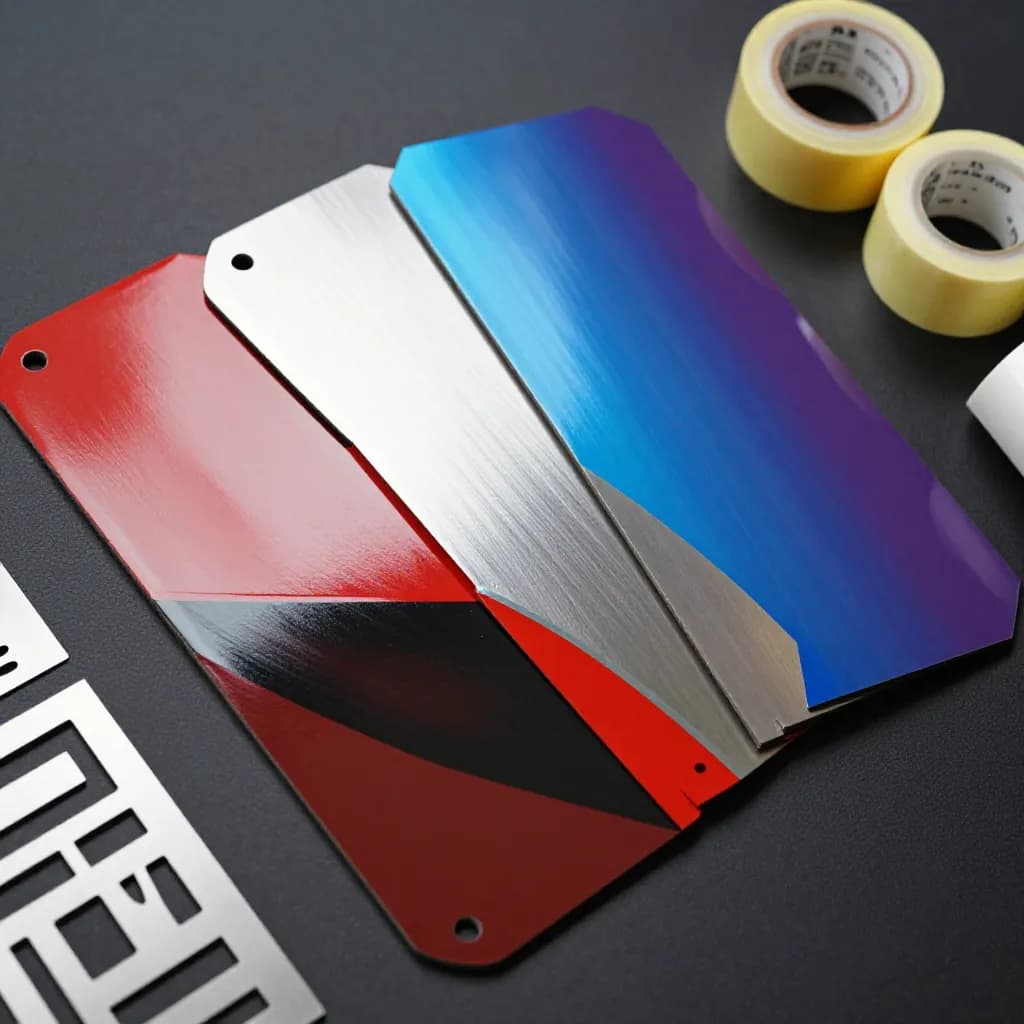
Multi-color powder coating is more complex than single-color work because it involves multiple application and cure cycles, precise masking, and careful planning. Each additional color adds a cure cycle, which means more time and more opportunities for things to go wrong. But the results can be spectacular, and the techniques are well within the reach of a patient DIY coater.
Ready to Start Your Project?
From one-off customs to 15,000-part production runs — get precise pricing in 24 hours.
On This Page
Beyond Single-Color Coating: Creative Possibilities
The key to successful multi-color work is planning. Before you spray a single particle of powder, you need a clear vision of the finished design, a masking strategy that achieves clean color transitions, and a process sequence that builds the design layer by layer. Rushing into a multi-color project without a plan leads to messy transitions, color contamination, and wasted time.
This guide covers the most popular multi-color techniques for DIY coaters, from simple two-tone designs to advanced candy coats and stencil work. Each technique builds on the single-color skills you have already developed, adding masking precision and process management to your existing application and curing abilities. Start with the simpler techniques and work up to the more complex ones as your confidence grows.
Two-Tone Masking: Clean Lines Between Colors
Two-tone coating is the most accessible multi-color technique and produces striking results. The concept is simple: coat the entire part in one color, cure it, mask off the areas you want to keep in the first color, apply the second color to the exposed areas, and cure again. The result is a part with two distinct colors separated by a clean, sharp line.
The critical skill in two-tone work is masking. The line between your two colors is defined by the edge of your masking material, so the quality of your masking directly determines the quality of your color transition. Use high-temperature masking tape designed for powder coating — standard masking tape will not survive the cure oven and will leave residue on your first color.
Apply masking tape along the desired color transition line with precision. Press the tape edge firmly against the cured first coat to prevent powder from creeping underneath. For straight lines, use a straightedge as a guide. For curves, apply the tape in short segments, following the curve gradually. Take your time — a few extra minutes of careful masking saves hours of touch-up work.
For complex masking shapes, consider cutting your mask from high-temperature vinyl or polyester masking film using a craft cutter or sharp blade. These materials conform to curved surfaces better than tape and can be cut to precise shapes. Transfer tape helps position complex mask shapes accurately on the part.
After applying the second color and curing, remove the masking to reveal the two-tone design. Peel the tape slowly and at a low angle to avoid lifting the second color at the edge. If any powder crept under the masking, it will appear as a rough edge that can be carefully trimmed with a sharp blade. A clean, sharp color transition is the hallmark of quality two-tone work.
Candy Coat Effects: Depth and Brilliance
Candy coat finishes are among the most visually stunning effects achievable with powder coating. A candy coat consists of a metallic base coat topped with a translucent color coat, creating a deep, jewel-like finish that appears to glow from within. The metallic base provides reflectivity and sparkle, while the translucent top coat adds color depth that changes with viewing angle and lighting.
The process requires two separate coating and curing cycles. First, apply a metallic silver, gold, or chrome-effect base coat and cure it completely. The base coat color affects the final appearance — silver produces the brightest, most vivid candy colors, while gold bases create warmer tones. After the base coat is cured and cooled, apply the translucent candy color coat over it and cure again.
Translucent candy powders are specifically formulated to allow light to pass through to the metallic base and reflect back through the color layer. They are available in a range of colors including red, blue, green, gold, orange, and purple. The thickness of the candy coat affects the color intensity — thinner coats produce a lighter, more transparent effect, while thicker coats produce deeper, more saturated color.
Consistency is the biggest challenge with candy coats. Because the color intensity depends on film thickness, any variation in application thickness shows up as color variation in the finished part. Areas with thicker candy coat appear darker, while thinner areas appear lighter. This makes even, consistent application technique absolutely critical. Practice on test panels to develop a feel for the correct thickness before coating your actual part.
Candy coats benefit from a final clear coat to protect the finish and add additional depth. The clear coat also evens out any minor thickness variations in the candy layer, improving the overall appearance. Apply the clear coat as a third cure cycle after the candy coat is fully cured.
Fade and Gradient Effects
Fade effects — smooth transitions from one color to another across a surface — are one of the most challenging multi-color techniques in powder coating. Unlike liquid paint, where two wet colors can be blended at the boundary, powder particles do not blend. Creating a convincing fade requires a different approach.
The most effective fade technique uses overlapping applications of two colors. Apply the first color to the entire part and cure it. Then mask the area where you want the first color to remain pure, leaving the transition zone and the second color area exposed. Apply the second color, feathering it into the transition zone by gradually reducing coverage as you approach the first color area. Cure again.
The feathering technique requires a light touch. In the transition zone, apply the second color in very thin, overlapping passes that gradually build coverage. Near the boundary with the first color, use minimal powder — just enough to create a speckled mix of both colors that reads as a gradient from a normal viewing distance. This is not a true blend but an optical illusion created by the intermixing of two colored particles.
Another approach to fades uses multiple shades of the same color family. Instead of fading from blue to white, for example, use four or five shades of blue from dark to light, applying each shade in a band with slight overlap at the boundaries. This stepped approach creates a more convincing gradient than a two-color fade because each transition is subtle.
Fade effects work best on large, relatively flat surfaces where the gradient has room to develop. Small parts do not provide enough surface area for a convincing fade. Practice this technique extensively on test panels before attempting it on a project part — it requires precise control of powder flow and spray distance that takes time to develop.
Stencil Work and Graphic Designs
Stenciling allows you to add logos, patterns, text, and graphic designs to powder-coated surfaces. The technique uses a mask cut to your desired shape, applied over a cured base coat, with a second color sprayed over the stencil. When the stencil is removed after curing, the design appears in the second color against the base coat background.
Create stencils from high-temperature masking materials that can survive the cure oven. High-temp vinyl, polyester masking film, and specialized powder coating stencil materials are all suitable. For simple shapes, cut stencils by hand with a sharp craft knife. For complex designs, use a vinyl cutter or laser cutter to produce precise, repeatable stencils.
Apply the stencil to the cured base coat, pressing all edges firmly to prevent powder from creeping underneath. Pay special attention to inside corners and fine details where the stencil is most likely to lift. For very fine details, apply a thin layer of high-temp adhesive spray to the back of the stencil to improve adhesion to the base coat.
Spray the second color over the stencil using reduced powder flow and moderate voltage. Heavy powder application can build up against the stencil edges and create a raised border around the design. Light, even application produces cleaner edges and a flatter design that integrates better with the base coat surface.
After curing, remove the stencil carefully. Peel slowly and at a low angle to avoid lifting the second color. If the design has fine details, use tweezers or a craft knife to remove small stencil pieces. Inspect the design edges for any powder creep or rough spots and clean up with a sharp blade if needed.
For multi-color graphics, repeat the stencil process for each additional color, curing between each application. Complex multi-color designs require careful registration — aligning each stencil precisely with the previous colors. Registration marks cut into the stencil material help with alignment on subsequent layers.
Texture and Finish Combinations
Combining different textures and finishes on a single part creates visual contrast and tactile interest that single-finish coatings cannot achieve. This technique uses the same masking and multi-cure approach as two-tone color work, but instead of changing colors, you change the finish type.
A popular combination is gloss and matte on the same part. For example, a valve cover with a gloss black body and matte black fins creates a subtle, sophisticated contrast that highlights the fin detail without the visual noise of a second color. Apply the matte finish first (it is typically more forgiving of the slight texture change at the masking line), cure, mask the matte areas, apply the gloss finish, and cure again.
Smooth and textured combinations are equally effective. A wrinkle-finish body with smooth, gloss-finished accent areas creates a classic hot-rod look on valve covers and engine accessories. The textured areas hide minor surface imperfections while the smooth areas provide visual contrast and a premium feel.
Metallic base with matte or satin clear is another popular combination. The metallic base provides sparkle and depth, while the matte or satin clear softens the reflectivity for a more understated, modern appearance. This is a simple two-coat process — metallic base cured first, then matte clear over the top.
When combining finishes, consider how the different textures interact at the boundary. A sharp line between gloss and matte reads as intentional and clean. A sharp line between smooth and wrinkle texture can look abrupt — consider placing the transition at a natural break in the part geometry, like a raised rib or a change in surface angle, where the eye expects a transition.
Experiment with finish combinations on test pieces before committing to a project part. The interaction between different finishes can be surprising — some combinations that sound good in theory look awkward in practice, while unexpected combinations can produce stunning results.
Tips for Successful Multi-Color Projects
Multi-color projects require more planning, patience, and precision than single-color work. These tips will help you achieve clean, professional results on your multi-color projects.
Always test your design on a sample piece first. Cut a piece of scrap metal to a similar size and shape as your project part and run through the entire multi-color process. This test reveals masking challenges, color interactions, and process issues before you commit to the actual part. The cost of a test piece is trivial compared to stripping and restarting a failed multi-color project.
Plan your color sequence carefully. Generally, apply lighter colors first and darker colors second. Light powder over a dark base coat requires more thickness for opacity, which can cause texture issues. Dark powder over a light base coat covers in a thinner layer and produces cleaner results. For candy coats, the metallic base always goes first.
Clean your gun thoroughly between colors. Even a tiny amount of the previous color contaminating the next color will show up as specks in the finish. Disassemble the gun, blow out all passages, and verify that no residual powder remains before loading the next color.
Use fresh, sharp masking materials. Reused tape loses its adhesion and is more likely to allow powder creep. Cut stencils with sharp blades for clean edges. Replace any masking material that has been stretched, wrinkled, or contaminated.
Accept that each additional cure cycle slightly affects the previous layers. The base coat experiences the heat of every subsequent cure cycle, which can cause slight color shift or gloss change on some powders. Test your specific powder combination to understand how multiple cure cycles affect the base coat appearance. Most quality powders tolerate two to three cure cycles without noticeable change, but some colors are more sensitive than others.
Document your multi-color processes in detail. Record the colors used, application sequence, masking approach, cure schedules, and any issues encountered. Multi-color projects have many variables, and detailed notes are essential for reproducing a successful design or diagnosing problems in a failed one.
Frequently Asked Questions
How do I get a clean line between two colors in powder coating?
Use high-temperature masking tape designed for powder coating, applied precisely along the desired color transition line. Press the tape edge firmly against the cured first coat to prevent powder creep. For complex shapes, use high-temp vinyl or masking film cut with a craft knife or vinyl cutter. Peel masking slowly at a low angle after curing.
What is a candy coat in powder coating?
A candy coat is a two-layer finish consisting of a metallic base coat topped with a translucent color coat. The metallic base provides reflectivity while the translucent top adds color depth that changes with viewing angle. It requires two separate cure cycles and produces a deep, jewel-like finish.
Can I create a fade or gradient effect with powder coating?
Yes, though it requires advanced technique. Apply the first color and cure it, then feather the second color into the transition zone with very thin, overlapping passes. The result is an optical gradient created by intermixed particles rather than a true blend. Practice extensively on test panels first.
How many cure cycles can powder coating withstand?
Most quality powders tolerate 2-3 cure cycles without noticeable change, making multi-color techniques practical. Some colors may show slight shift or gloss change with repeated curing. Test your specific powder combination on a sample piece to verify how multiple cure cycles affect the base coat appearance.
What materials can I use for powder coating stencils?
Use high-temperature vinyl, polyester masking film, or specialized powder coating stencil materials that survive cure oven temperatures (400°F+). Cut by hand with a sharp craft knife for simple shapes, or use a vinyl cutter or laser cutter for complex designs. Standard vinyl and paper stencils will burn in the oven.
Ready to Start Your Project?
From one-off customs to 15,000-part production runs — get precise pricing in 24 hours.