One of the most exciting aspects of powder coating is the enormous range of colors and finishes available. From standard solid colors to metallics, textures, candies, and special effects, the options can be overwhelming for a DIY coater who is used to the limited selection at the local hardware store's spray paint aisle.
DIY
DIY Powder Coating Color Selection: Buying, Matching, Mixing, and Storage
Sundial Powder Coating·April 22, 2026·10 min
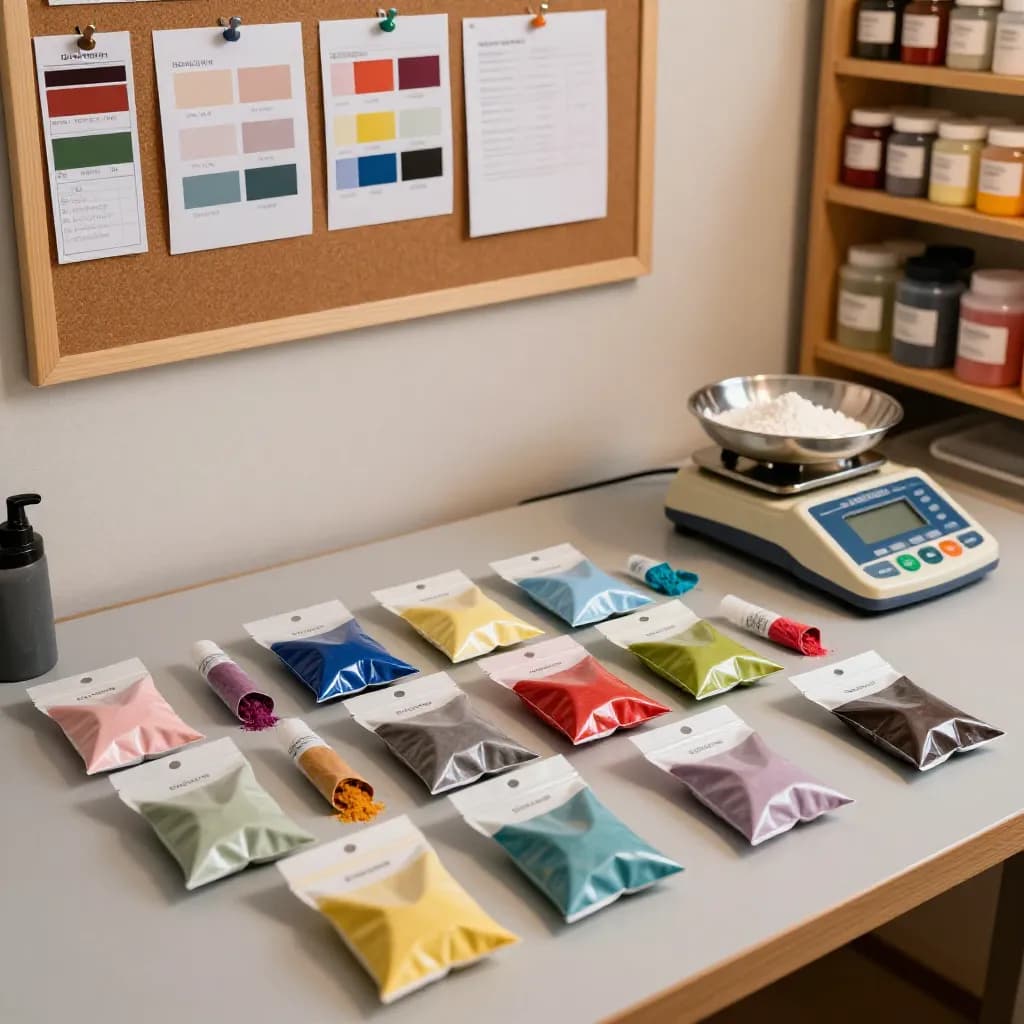
Understanding how powder colors are organized, where to buy them, and how to select the right product for your project will save you money and frustration. Not all powders are created equal — different chemistries (polyester, epoxy, hybrid) have different performance characteristics, and the same color can look dramatically different in a gloss versus matte finish or a smooth versus textured application.
Ready to Start Your Project?
From one-off customs to 15,000-part production runs — get precise pricing in 24 hours.
On This Page
Navigating the World of Powder Coating Colors
For the DIY coater, color selection involves several practical decisions: What chemistry do you need for your application? What finish (gloss, satin, matte, texture) suits your project? Where can you buy small quantities suitable for hobby use? How do you match a specific color? And how do you store powder to maintain its quality over time?
This guide addresses each of these questions with practical advice for the home coater. Whether you are looking for a specific OEM color match for a restoration project or exploring creative options for a custom build, understanding the color selection process will help you get exactly the result you want.
Where to Buy Powder for DIY Projects
The DIY powder coating market has grown significantly, and there are now multiple sources for small-quantity powder purchases. Each source has advantages depending on what you need.
Specialty DIY powder coating suppliers are the best starting point for most hobbyists. Companies like Eastwood, Prismatic Powders, Columbia Coatings, and Powder Buy the Pound cater specifically to the DIY market with small package sizes (typically 1-pound bags), extensive color selections, and helpful customer service that understands home coating applications. These suppliers often provide detailed technical data sheets, application guides, and cure schedules for each product.
Online marketplaces offer a wide selection from multiple sellers, but quality and consistency can vary. Stick with established powder coating brands and sellers with strong reviews. Be cautious of extremely cheap powder from unknown sources — poor-quality powder can cause application problems, inconsistent color, and premature coating failure.
Local powder coating shops may sell small quantities of powder from their inventory. This is a great option if you need a specific color quickly and want to see the actual color before buying. Many shops are happy to sell a pound or two to a hobbyist, and some will even let you see cured samples of their available colors.
Sample kits are an excellent investment for new coaters. Several suppliers offer kits with small quantities (2-4 ounces) of multiple colors, allowing you to experiment with different colors and finishes without committing to full-size purchases. These kits are also useful for testing how different colors look on your specific substrate and in your lighting conditions.
Understanding Powder Types and Finish Options
Before selecting a color, understand the powder chemistry options and how they affect your project. The three main chemistries for DIY use are polyester, epoxy, and hybrid (epoxy-polyester blend).
Polyester powder is the most versatile choice for DIY coaters. It offers excellent UV resistance, good chemical resistance, and is available in the widest range of colors and finishes. Use polyester for any project that will be exposed to sunlight or outdoor conditions. Super durable polyester (SDP) provides enhanced UV resistance for demanding outdoor applications.
Epoxy powder offers superior chemical resistance and hardness but has poor UV resistance — it will chalk and fade in sunlight. Use epoxy for indoor applications where chemical exposure is a concern, such as tool boxes, shelving, and indoor furniture. Epoxy is also the standard choice for functional coatings where appearance is secondary to protection.
Hybrid powder combines properties of both epoxy and polyester, offering moderate UV resistance and good chemical resistance. It is a reasonable all-purpose choice for indoor projects and items with limited sun exposure.
Within each chemistry, finishes range from high gloss (90+ gloss units) through satin (40-60 gloss units) to matte (10-30 gloss units). Textured finishes include wrinkle, hammertone, river vein, and sand texture. Metallic powders contain aluminum or mica flakes that create a sparkling, reflective appearance. Translucent candy powders are designed to be applied over a metallic base coat for deep, jewel-toned effects.
Each finish type has practical implications. Gloss finishes show surface imperfections more readily than matte or textured finishes. Textured finishes hide minor surface defects and are more forgiving of imperfect application technique. Metallic powders require a clear coat for long-term protection of the metallic flakes.
Color Matching Techniques for DIY Coaters
Color matching is one of the more challenging aspects of powder coating, especially for restoration projects where you need to match an existing OEM color or coordinate with other painted surfaces. Unlike liquid paint, which can be custom-mixed at a paint store, powder coating colors are manufactured in fixed formulations.
The most reliable approach to color matching is using a color reference system. RAL Classic is the most widely used color standard in the powder coating industry, with over 200 defined colors. If you can identify the RAL number of the color you need, most powder suppliers can provide an exact match. NCS (Natural Color System) and Pantone are other reference systems that some powder manufacturers support.
For matching an existing color without a reference number, start by obtaining a physical sample — a chip of the original coating, a painted panel, or the actual part with the color you want to match. Send this sample to a powder supplier that offers custom color matching. They will use a spectrophotometer to analyze the color and either identify a standard match or formulate a custom powder. Custom matching typically requires a minimum order quantity.
For less critical matches, visual comparison is often sufficient. Order samples or small quantities of colors that look close to your target and spray test panels. Compare the cured test panels to your reference color under the same lighting conditions — colors can look dramatically different under fluorescent, LED, and natural light. Daylight is the most accurate reference for color evaluation.
Keep in mind that the substrate color and surface profile affect the final appearance of the powder coat. The same powder will look slightly different on a smooth, bright surface versus a rough, dark surface. Always evaluate color on a test panel prepared identically to your actual project.
Mixing Powders and Creating Custom Colors
Mixing different powder colors together is possible but comes with important caveats that DIY coaters should understand before attempting it. Unlike liquid paint, where mixing two colors produces a predictable blend, mixing powder coatings creates a speckled or mottled appearance rather than a true blended color. This is because the individual powder particles retain their original color — they do not dissolve into each other.
The speckled effect of mixed powders can be desirable for certain applications. Mixing black and white powder creates a salt-and-pepper granite-like appearance. Mixing complementary colors produces a tweedy, textured look. Some coaters deliberately mix powders to create unique custom finishes that cannot be achieved with a single color.
If you want a true blended color (not speckled), you need to mix powders of the same chemistry and cure schedule, then apply them in very thin coats so the particles melt and flow together during curing. Even then, the result may not be a perfectly uniform blend. For a true custom color, ordering a custom-matched powder from a supplier is more reliable.
When mixing powders, only combine products with the same chemistry (polyester with polyester, epoxy with epoxy) and similar cure schedules. Mixing different chemistries can cause compatibility problems including poor adhesion, inconsistent cure, and surface defects. Keep records of your mixing ratios so you can reproduce a mix that works well.
Store mixed powders in a clean, labeled container. Note the component colors, ratios, chemistry, and cure schedule on the label. Mixed powders should be used relatively quickly, as the different particle types may separate over time due to differences in density and particle size.
Proper Powder Storage for Long-Term Quality
Powder coating materials are sensitive to moisture, heat, and contamination. Proper storage is essential for maintaining powder quality and ensuring consistent results over time. Poorly stored powder can clump, lose its charging ability, and produce defective finishes.
Moisture is the primary enemy of stored powder. Powder particles absorb moisture from humid air, which causes clumping, poor fluidization, and charging problems during application. Store powder in airtight containers — the original sealed bags work well if they have not been opened. Once opened, transfer unused powder to a clean, dry container with a tight-fitting lid. Zip-lock bags with the air squeezed out work for small quantities.
Temperature affects powder stability. Store powder in a cool, dry location away from direct sunlight and heat sources. Temperatures above 80°F (27°C) can cause some powders to partially fuse or clump, especially in humid conditions. A climate-controlled area of your home is ideal; an un-insulated garage in a hot climate is not.
Contamination is the other major storage concern. Even tiny amounts of a different color powder mixed into your stored powder will show up as specks in the cured finish. Use dedicated containers for each color and never return overspray to the original container unless you are certain it is uncontaminated. Label every container clearly with the color name, manufacturer, chemistry, cure schedule, and date of purchase.
Properly stored powder has a shelf life of one to three years depending on the formulation. Older powder may still work but may require more aggressive fluidization and may not charge as efficiently. If powder has been stored for an extended period, test it on a scrap piece before using it on an important project. Discard any powder that has hardened, formed solid clumps that do not break apart easily, or has an unusual odor.
Frequently Asked Questions
Where is the best place to buy powder coating for DIY projects?
Specialty DIY suppliers like Prismatic Powders, Columbia Coatings, Eastwood, and Powder Buy the Pound offer small quantities, extensive color selections, and technical support for home coaters. Sample kits with small quantities of multiple colors are an excellent starting point for new coaters.
Can I mix different powder coating colors together?
Yes, but mixing creates a speckled or mottled appearance rather than a true blended color. Only mix powders with the same chemistry and similar cure schedules. For a true custom color, order a custom-matched powder from a supplier. The speckled effect of mixed powders can be desirable for certain decorative applications.
How long does powder coating last in storage?
Properly stored powder has a shelf life of 1-3 years. Store in airtight containers in a cool, dry location below 80°F. Moisture and heat are the primary enemies — they cause clumping and charging problems. Always test older powder on scrap before using it on important projects.
How do I match a specific color for a restoration project?
Identify the RAL, NCS, or Pantone color number if possible — most suppliers can match standard reference colors. For unknown colors, send a physical sample to a supplier offering custom color matching. For less critical matches, order samples of similar colors and compare cured test panels under daylight.
What is the difference between polyester and epoxy powder?
Polyester offers excellent UV resistance and is best for outdoor or sun-exposed applications. Epoxy provides superior chemical resistance and hardness but fades in sunlight — use it for indoor applications only. Hybrid (epoxy-polyester) blends offer moderate UV and chemical resistance for indoor use with limited sun exposure.
Ready to Start Your Project?
From one-off customs to 15,000-part production runs — get precise pricing in 24 hours.