Coating durability is one of the most significant yet often overlooked environmental metrics in building and product design. A coating that lasts twice as long as an alternative effectively halves the total environmental impact of surface protection over the asset's lifetime, because each recoating cycle carries its own burden of raw material extraction, manufacturing, transportation, application, and waste generation.
Environmental
Coating Durability and Lifecycle Environmental Impact
Sundial Powder Coating·April 20, 2026·9 min
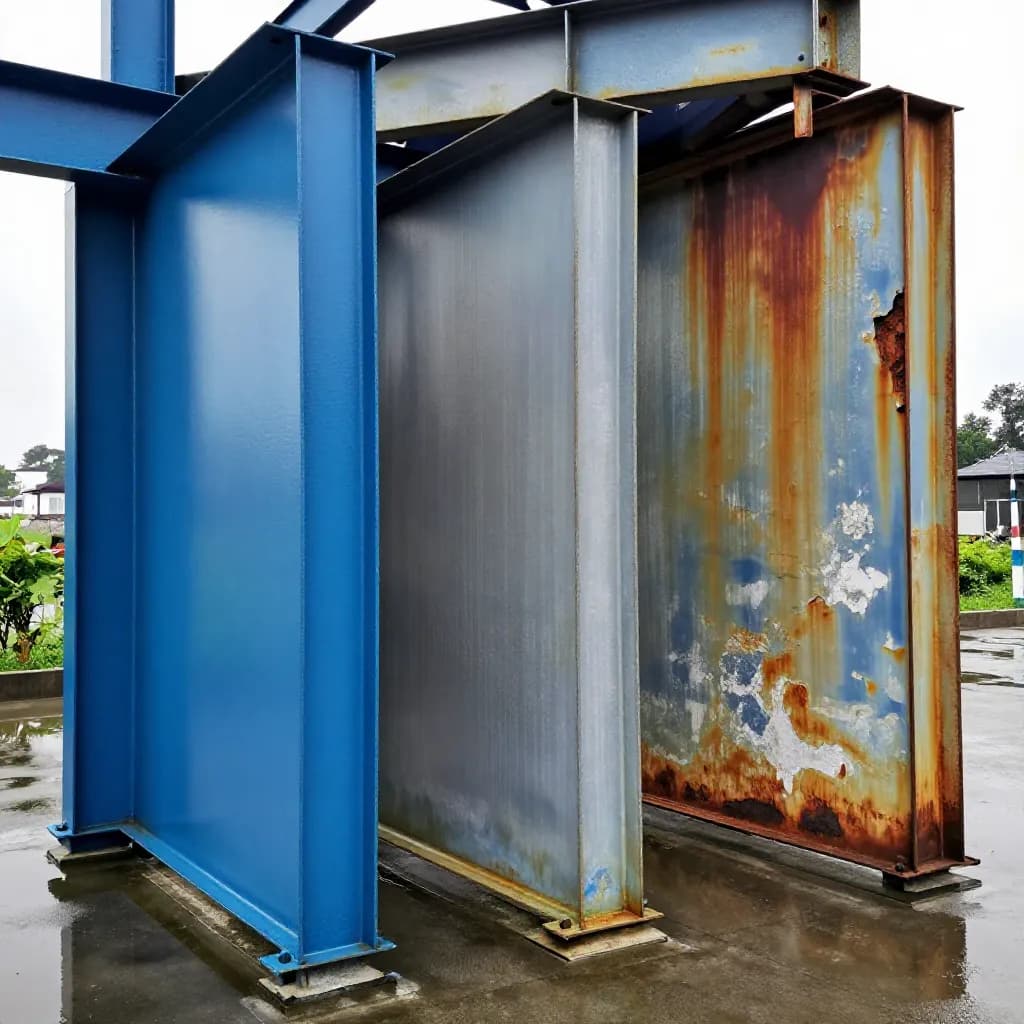
This relationship between durability and environmental impact is captured in the concept of functional unit in lifecycle assessment. Rather than comparing coatings per kilogram or per liter, a meaningful environmental comparison uses a functional unit such as "one square meter of surface protected to a specified performance level for a defined period." When assessed on this basis, a more durable coating that requires fewer applications over the assessment period will typically show lower total environmental impact, even if its per-application impact is higher.
Ready to Start Your Project?
From one-off customs to 15,000-part production runs — get precise pricing in 24 hours.
On This Page
Why Durability Is an Environmental Metric
The environmental case for durability extends beyond material and energy savings. Each recoating cycle involves logistical impacts — scaffolding erection and removal, access equipment, project management, quality inspection — that generate their own carbon footprint and resource consumption. For buildings, recoating also causes disruption to occupants and operations. By extending the interval between these maintenance events, durable coatings deliver compounding environmental and practical benefits over the asset's life.
Lifecycle Assessment of Coating Systems
Lifecycle assessment (LCA) provides the methodological framework for comparing the total environmental impact of different coating systems from cradle to grave. A coating LCA following ISO 14040/14044 quantifies impacts across all lifecycle stages: raw material extraction and processing (A1), transport to manufacturer (A2), coating manufacturing (A3), transport to site (A4), application including waste and emissions (A5), maintenance and recoating during the use phase (B2-B4), and end-of-life treatment (C1-C4).
The use phase (B-stages) is where coating durability has its greatest influence on LCA results. A coating system requiring recoating every 10 years over a 60-year building reference study period will accumulate six application cycles, each with its associated A1-A5 impacts. A more durable system requiring recoating every 25 years accumulates only two or three cycles over the same period. The cumulative difference in environmental impact can be substantial across indicators including global warming potential, resource depletion, and waste generation.
LCA also reveals trade-offs that are not apparent from single-metric comparisons. A coating with higher embodied energy per application but significantly longer service life may have lower lifecycle energy consumption than a lower-energy coating that requires frequent replacement. Similarly, a coating manufactured from more resource-intensive raw materials but delivering superior durability may show lower lifecycle resource depletion. LCA provides the holistic perspective needed to identify the genuinely lowest-impact option.
Powder Coating's Lifecycle Advantage
Powder coating demonstrates a strong lifecycle advantage driven by both its application-stage efficiency and its long-term durability. At the application stage, near-zero VOC emissions, 95-98% material utilization through overspray recovery, and the absence of hazardous waste streams give powder coating a lower per-application environmental footprint than most liquid alternatives.
The durability advantage amplifies this per-application benefit over the asset's lifetime. Superdurable polyester powder coatings, formulated with UV-stable resins and high-performance pigments, deliver validated exterior service lives of 25 years or more when applied to properly pretreated substrates. Standard polyester powders provide 15-20 years of exterior performance. These service lives compare favorably with liquid paint systems that typically require maintenance recoating every 8-12 years in exterior exposure.
When lifecycle impacts are calculated over a 60-year building reference period, the combination of lower per-application impact and fewer recoating cycles gives powder coating a compelling environmental advantage. A superdurable powder coating requiring two applications over 60 years versus a liquid system requiring five or six applications can show lifecycle impact reductions of 50-70% across key indicators including carbon footprint, waste generation, and resource consumption.
Environmental Impact of Recoating
Each recoating cycle generates environmental impacts that extend well beyond the coating material itself. Surface preparation — which may involve chemical stripping, abrasive blasting, or mechanical sanding to remove the deteriorated existing coating — produces waste (stripped coating residue, spent blasting media, chemical waste) and emissions (dust, solvent vapor from strippers). For buildings, scaffolding or access equipment must be erected, transported, and eventually removed, each step consuming energy and generating emissions.
The coating application itself repeats the full impact cycle: manufacturing new coating material, transporting it to site, applying it with associated overspray waste and emissions, and disposing of application waste. For liquid paint recoating, this includes VOC emissions, solvent waste, and paint sludge. The cumulative impact of multiple recoating cycles over a building's life can exceed the impact of the original coating application several times over.
Recoating also creates indirect environmental impacts through disruption. Building occupants may need to be temporarily relocated, business operations may be interrupted, and the aesthetic and functional performance of the building is compromised during the recoating period. While these impacts are difficult to quantify in a standard LCA, they represent real environmental and social costs that are avoided when coating durability extends the maintenance interval.
Specifying for Minimum Lifecycle Impact
Specifiers seeking to minimize the lifecycle environmental impact of coatings should prioritize durability as a primary selection criterion alongside initial performance requirements. This means selecting coating systems with proven long-term performance data — accelerated weathering test results, real-world exposure data, and warranty terms that reflect genuine confidence in service life. Quality certification schemes such as Qualicoat, GSB, and AAMA provide independent validation of coating durability through standardized testing protocols.
The specification should consider the complete coating system, not just the topcoat. Pretreatment quality, primer selection (where applicable), and film thickness all influence long-term durability. A well-specified system where each layer is optimized for its function will outperform a system where any component is underspecified, regardless of the topcoat's inherent quality.
Lifecycle thinking should also inform the choice between coating technologies. Where the substrate and application allow, powder coating's combination of zero-VOC application, high material efficiency, and superior durability makes it the lowest-lifecycle-impact option for most metal finishing applications. For projects with formal sustainability targets, requesting EPDs and conducting comparative LCA using product-specific data enables quantified comparison of lifecycle impacts, supporting evidence-based specification decisions.
Frequently Asked Questions
Why is coating durability considered an environmental metric?
Because a longer-lasting coating requires fewer recoating cycles over the asset's lifetime, and each avoided recoating eliminates the environmental impact of manufacturing, transporting, and applying new coating material, plus the waste and emissions from surface preparation and old coating removal.
How long do powder coatings last compared to liquid paint?
Superdurable polyester powder coatings deliver validated exterior service lives of 25 years or more, while standard polyester powders provide 15-20 years. Comparable liquid paint systems typically require maintenance recoating every 8-12 years in exterior exposure, meaning powder coating can last two to three times longer.
What is a functional unit in coating lifecycle assessment?
A functional unit defines the basis for comparison in an LCA — for coatings, it is typically one square meter of surface protected to a specified performance level for a defined period. This ensures that coatings are compared on the basis of the service they deliver, not just their material quantity.
How can specifiers verify coating durability claims?
Look for independent quality certifications such as Qualicoat, GSB, or AAMA that validate durability through standardized accelerated weathering tests. Request accelerated weathering data (Florida exposure, QUV, Xenon arc), real-world exposure results, and warranty terms that reflect the manufacturer's confidence in long-term performance.
Ready to Start Your Project?
From one-off customs to 15,000-part production runs — get precise pricing in 24 hours.