Magnesium and its alloys can be powder coated, and the results are excellent when the process is handled correctly. However, magnesium is one of the most safety-sensitive substrates in the powder coating world due to its flammability. Fine magnesium particles and dust are highly combustible and can ignite or even explode when suspended in air, making the surface preparation stage — particularly abrasive blasting — a genuine safety hazard if proper precautions are not taken.
Consumer
Can You Powder Coat Magnesium? Risks and Best Practices
Sundial Powder Coating·April 22, 2026·9 min
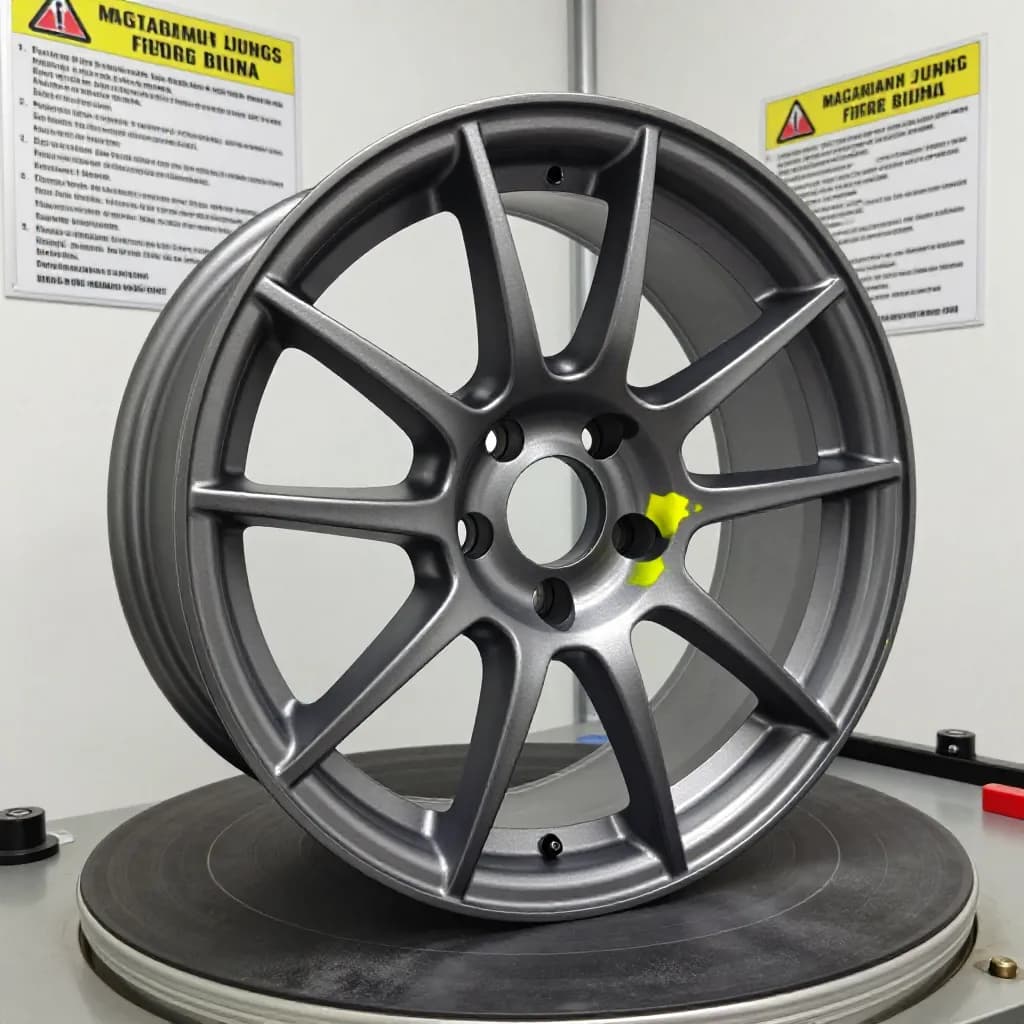
The powder coating application and curing stages themselves are less hazardous because solid magnesium parts are not easily ignited at the temperatures used in powder curing ovens, which typically operate between 160 and 200 degrees Celsius. Magnesium's ignition temperature in bulk form is approximately 470 degrees Celsius, well above standard curing temperatures. The danger is concentrated in the preparation phase where grinding, sanding, or blasting can generate fine magnesium dust that is extremely flammable.
Ready to Start Your Project?
From one-off customs to 15,000-part production runs — get precise pricing in 24 hours.
On This Page
Yes, Magnesium Can Be Powder Coated — With Serious Safety Precautions
Despite these safety considerations, magnesium is regularly powder coated in the aerospace, automotive, electronics, and sporting goods industries. Magnesium alloy wheels, transmission housings, laptop cases, camera bodies, power tool housings, and aircraft components are all examples of magnesium parts that receive powder coating for both protection and appearance. The key is working with a facility that understands the specific hazards of magnesium and has the equipment and procedures to manage them safely.
Fire and Explosion Risks with Magnesium
The fire risk associated with magnesium processing is not theoretical — it is a well-documented industrial hazard that has caused serious incidents. Magnesium dust and fine particles can ignite spontaneously in air, and once ignited, magnesium burns at extremely high temperatures exceeding 3,000 degrees Celsius. Magnesium fires cannot be extinguished with water, carbon dioxide, or standard fire extinguishers — in fact, water reacts violently with burning magnesium, producing hydrogen gas and intensifying the fire.
The greatest risk occurs during abrasive blasting, grinding, or sanding of magnesium parts, which generates fine particles and dust. If this dust accumulates in a blast cabinet, dust collector, or work area and is exposed to a spark or ignition source, the result can be a flash fire or dust explosion. Proper dust collection systems with spark arrestors, explosion venting, and wet collection methods are essential safety measures for any facility processing magnesium.
Not all powder coating shops are equipped or willing to handle magnesium, and this is a reasonable position given the safety requirements. Facilities that do accept magnesium work must have specific safety protocols in place, including dedicated blast equipment for magnesium, appropriate fire suppression systems (Class D fire extinguishers using dry powder agents), proper ventilation and dust collection, and trained personnel who understand the hazards. If you need magnesium parts powder coated, always verify that the shop has specific experience and safety measures for magnesium before submitting your parts.
Pretreatment for Magnesium Alloys
Magnesium requires careful pretreatment to achieve good coating adhesion and corrosion protection. Like aluminum, magnesium forms a natural oxide layer when exposed to air, but magnesium oxide is less protective than aluminum oxide and does not provide adequate corrosion resistance on its own. Magnesium is also highly susceptible to galvanic corrosion when in contact with other metals, making thorough coating coverage essential for parts used in multi-metal assemblies.
The pretreatment process for magnesium typically begins with alkaline cleaning to remove oils, greases, and surface contaminants. This is followed by an acid pickling or etching step to remove the oxide layer and any surface impurities. The specific acid chemistry must be carefully selected for magnesium — hydrofluoric acid-based solutions or proprietary magnesium etch solutions are commonly used. Standard acid treatments designed for steel or aluminum can be too aggressive for magnesium and may cause excessive material removal or hydrogen embrittlement.
After etching, a conversion coating is applied to create a stable, corrosion-resistant surface that promotes coating adhesion. Chrome-based conversion coatings have historically been the standard for magnesium, but environmental regulations have driven the development of chromate-free alternatives. Permanganate-based, rare earth-based, and phosphate-fluoride conversion coatings are among the chromate-free options now available for magnesium. The conversion coating step is particularly critical for magnesium because the bare metal corrodes rapidly in humid environments — much faster than steel or aluminum — so the window between preparation and coating must be kept very short.
Powder Selection and Application Considerations
The choice of powder coating for magnesium should prioritize corrosion protection, as this is typically the primary reason for coating magnesium parts. Epoxy primers provide excellent corrosion resistance and adhesion to pretreated magnesium surfaces and are commonly used as the first coat in a two-coat system. The epoxy primer creates a dense, chemically resistant barrier that protects the reactive magnesium substrate from moisture and corrosive agents.
For parts requiring UV resistance and outdoor durability, a polyester or superdurable polyester topcoat is applied over the epoxy primer. This two-coat system — epoxy primer plus polyester topcoat — is the most common specification for magnesium parts that will be exposed to outdoor environments. The total film build of the two-coat system is typically 100 to 150 microns, providing a robust protective barrier.
Single-coat hybrid epoxy-polyester powders can be used for indoor applications or parts with less demanding corrosion requirements. These powders offer a balance of adhesion, corrosion resistance, and appearance in a single application, reducing processing time and cost. However, for critical applications where corrosion protection is paramount — such as automotive or aerospace components — the two-coat primer-plus-topcoat system is strongly recommended. Film thickness should be carefully controlled, as both insufficient and excessive coating thickness can compromise performance on magnesium.
Magnesium Corrosion: Why Coating Matters
Understanding why magnesium needs coating helps explain why the preparation and application process must be done correctly. Magnesium is the most electrochemically active structural metal in common use, which means it corrodes more readily than steel, aluminum, or zinc when exposed to moisture and electrolytes. In practical terms, unprotected magnesium parts can develop white, powdery corrosion products within days of exposure to humid or salty environments.
Galvanic corrosion is an even greater concern. When magnesium is in contact with a more noble metal — such as steel, stainless steel, copper, or even aluminum — in the presence of an electrolyte like saltwater or condensation, the magnesium acts as a sacrificial anode and corrodes at an accelerated rate. This galvanic effect can cause rapid and severe degradation of magnesium components in multi-metal assemblies, making complete coating coverage essential to electrically isolate the magnesium from adjacent metals.
Powder coating provides one of the most effective barriers against both atmospheric and galvanic corrosion on magnesium. The thick, continuous, non-porous film created by properly applied and cured powder coating prevents moisture and electrolytes from reaching the magnesium surface. However, any break in the coating — from scratching, impact damage, or incomplete coverage — can become a site for accelerated corrosion. This is why coating integrity is so critical for magnesium, and why touch-up of any coating damage should be performed promptly.
Common Magnesium Items That Are Powder Coated
The automotive industry is one of the largest users of powder-coated magnesium. Magnesium alloy wheels are a premium product in the aftermarket and motorsport sectors, valued for their light weight and distinctive appearance. These wheels are almost always powder coated or painted for corrosion protection, as bare magnesium wheels would deteriorate rapidly in road conditions. Transmission cases, engine covers, steering column housings, and interior structural components made from magnesium die castings are also frequently powder coated.
Consumer electronics represent another major application area. Magnesium alloy is widely used for laptop computer housings, tablet frames, camera bodies, and smartphone structural components because of its excellent strength-to-weight ratio and electromagnetic shielding properties. These parts are typically powder coated or painted during manufacturing to provide a durable, attractive exterior finish and to protect the magnesium from handling-related corrosion.
Aerospace components made from magnesium alloys — including gearbox housings, instrument panels, seat frames, and structural brackets — are powder coated or primed and painted to meet stringent corrosion protection requirements. The sporting goods industry also uses powder-coated magnesium in products like bicycle components, fishing reel bodies, and archery equipment. In all these applications, the coating serves the dual purpose of protecting the reactive magnesium substrate and providing the desired aesthetic finish.
Alternatives to Powder Coating Magnesium
Several alternative finishing methods are available for magnesium, and the best choice depends on the specific application requirements. Anodizing — specifically micro-arc oxidation or plasma electrolytic oxidation — creates a hard, ceramic-like oxide layer on the magnesium surface that provides excellent wear and corrosion resistance. This process is more complex and expensive than conventional anodizing of aluminum, but it produces a highly durable surface that can be used as a standalone finish or as a base for subsequent painting or powder coating.
Electrophoretic coating (e-coat) is widely used in the automotive industry for magnesium components. E-coat provides excellent coverage of complex geometries, including recesses and internal surfaces that are difficult to reach with electrostatic powder application. The thin, uniform film provides good corrosion protection and serves as an excellent base for subsequent powder coating or liquid paint topcoats.
Chemical conversion coatings alone — without a topcoat — can provide adequate protection for magnesium parts used in mild indoor environments. Chromate and chromate-free conversion coatings create a thin protective layer that resists corrosion and can be left as the final finish for parts where appearance is not critical. For maximum protection in severe environments, a multi-layer system combining conversion coating, e-coat primer, and powder coating topcoat provides the most robust defense against corrosion.
Finding a Qualified Magnesium Coater
Finding a powder coating shop qualified to handle magnesium requires more due diligence than finding a coater for steel or aluminum. The safety requirements for magnesium processing mean that not all shops can or should accept this work. Start by asking potential coaters directly whether they have experience with magnesium and what specific safety measures they have in place for handling this material.
Key questions to ask include whether the shop has dedicated blast equipment for magnesium with appropriate dust collection and fire suppression, whether their personnel are trained in magnesium fire safety, whether they stock Class D fire extinguishers, and whether they have specific pretreatment chemistry for magnesium alloys. A shop that answers these questions confidently and can describe their magnesium process in detail is a much better choice than one that treats magnesium the same as any other metal.
For critical applications — particularly aerospace and automotive — look for coaters with relevant industry certifications and quality management systems. Aerospace magnesium coating is governed by specifications such as SAE AMS-C-27725 and various OEM-specific requirements that mandate specific pretreatment and coating processes. Automotive OEMs also have their own specifications for magnesium coating. Working with a certified coater ensures that the process meets established standards and that quality controls are in place to verify coating performance.
Frequently Asked Questions
Is it safe to powder coat magnesium at home?
Powder coating magnesium at home is strongly discouraged due to the serious fire and explosion risks associated with magnesium dust generated during surface preparation. Fine magnesium particles are highly flammable and require specialized dust collection, fire suppression, and safety equipment that is not typically available in home workshops. This work should be done by professional facilities with proper safety measures.
Can you powder coat magnesium wheels?
Yes, magnesium alloy wheels are commonly powder coated for both protection and appearance. The process requires proper pretreatment with magnesium-specific chemistry and careful surface preparation using safe methods. A two-coat system with an epoxy primer and polyester topcoat is typically recommended for wheels exposed to road conditions, salt, and moisture.
Why do magnesium parts corrode so quickly?
Magnesium is the most electrochemically active structural metal, meaning it reacts readily with moisture and electrolytes. It is also highly susceptible to galvanic corrosion when in contact with other metals. This reactivity makes protective coating essential for magnesium parts used in any environment where moisture exposure is possible.
What fire extinguisher is needed for magnesium fires?
Class D fire extinguishers using dry powder agents such as sodium chloride or copper-based compounds are required for magnesium fires. Never use water, carbon dioxide, or standard ABC fire extinguishers on burning magnesium, as these can cause violent reactions and intensify the fire. Any facility processing magnesium must have Class D extinguishers readily accessible.
Can you use the same blast cabinet for magnesium and steel?
Using the same blast cabinet for magnesium and steel is not recommended due to contamination and safety concerns. Steel particles embedded in the magnesium surface can create galvanic corrosion sites, and mixed metal dust in the collection system increases fire risk. Dedicated blast equipment for magnesium is a standard safety practice in professional coating facilities.
Ready to Start Your Project?
From one-off customs to 15,000-part production runs — get precise pricing in 24 hours.