Aluminum is not only suitable for powder coating — it is the most commonly powder-coated substrate in the architectural sector and one of the most popular across all industries. The combination of aluminum's lightweight strength, natural corrosion resistance, and excellent thermal conductivity makes it an ideal candidate for the electrostatic powder coating process. Millions of aluminum components are powder coated every year, from window frames and curtain wall profiles to facade panels, railings, and decorative trim.
Technical
Can You Powder Coat Aluminum? Everything You Need to Know
Sundial Powder Coating·April 20, 2026·8 min
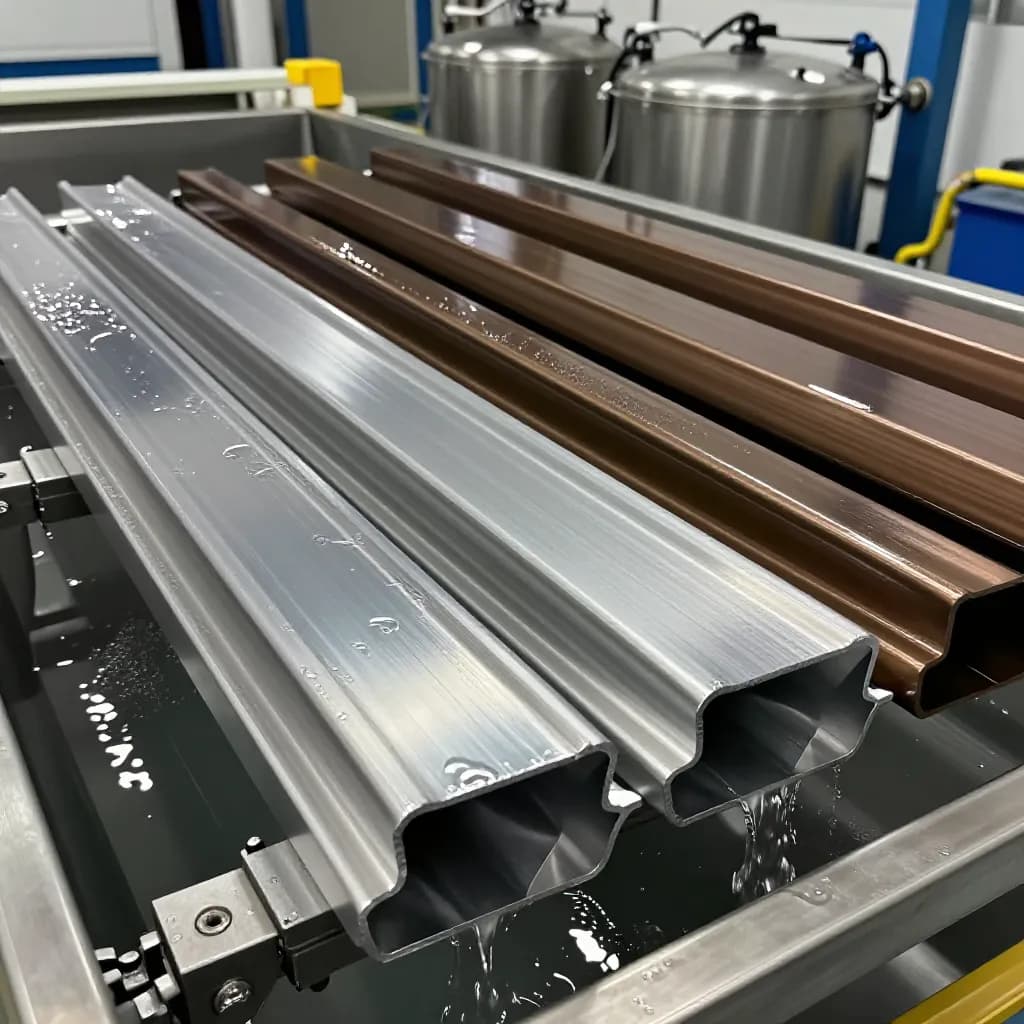
The electrostatic application process works exceptionally well with aluminum because the metal is an excellent electrical conductor, allowing the charged powder particles to be attracted uniformly across the surface. Aluminum's relatively low density means that parts can be easily handled and racked for coating, and its thermal properties allow it to heat up quickly and evenly in the curing oven, promoting consistent powder flow and cross-linking.
Ready to Start Your Project?
From one-off customs to 15,000-part production runs — get precise pricing in 24 hours.
On This Page
Yes, You Can Powder Coat Aluminum
Powder-coated aluminum has become the material of choice for modern architecture worldwide. The ability to combine aluminum's structural versatility with the virtually unlimited color and finish options of powder coating gives architects and designers extraordinary creative freedom. Whether the project calls for a sleek matte anthracite facade, a warm wood-grain window frame, or a bold metallic feature wall, powder-coated aluminum delivers the performance and aesthetics that contemporary design demands.
Why Aluminum Is Ideal for Powder Coating
Aluminum possesses several inherent properties that make it particularly well-suited for powder coating. Its natural oxide layer provides a baseline level of corrosion resistance that, when enhanced by proper pretreatment and powder coating, creates an exceptionally durable finishing system. Unlike steel, aluminum does not rust, which means that even if the coating is scratched or damaged, the substrate will not develop the aggressive red rust that can undermine the entire coating system.
The metal's excellent strength-to-weight ratio is another significant advantage. Aluminum is approximately one-third the weight of steel, making powder-coated aluminum components easier and less expensive to transport, handle, and install. This weight advantage is particularly important in facade and curtain wall applications where the cladding system must be supported by the building structure. Lighter components reduce structural loading requirements and can simplify installation logistics.
Aluminum is also highly recyclable without any loss of quality, which aligns perfectly with the sustainability credentials of powder coating. Recycling aluminum requires only about five percent of the energy needed to produce primary aluminum from bauxite ore. When combined with the zero-VOC, high-efficiency characteristics of powder coating, the aluminum-plus-powder-coating system represents one of the most environmentally responsible material and finish combinations available for construction and manufacturing.
Pretreatment Requirements for Aluminum
Proper pretreatment is essential for achieving long-lasting adhesion and corrosion protection on powder-coated aluminum. The pretreatment process serves two critical functions: it removes surface contaminants that would prevent the powder from bonding properly, and it creates a conversion coating that enhances adhesion and provides an additional barrier against corrosion.
A typical pretreatment line for aluminum includes multiple stages. The process begins with an alkaline or acidic cleaning stage to remove oils, grease, and other organic contaminants from the extrusion or fabrication process. This is followed by one or more rinse stages using clean water. An acid etch or deoxidizing stage then removes the natural oxide layer and any surface impurities, creating a clean, chemically active surface. After further rinsing, a conversion coating is applied. Traditional chromate conversion coatings have been the industry standard for decades due to their excellent corrosion protection, but environmental and health concerns about hexavalent chromium have driven a widespread shift toward chromate-free alternatives.
Modern chromate-free pretreatment technologies include titanium and zirconium-based conversion coatings, which deposit a thin, amorphous oxide layer on the aluminum surface. These systems provide excellent adhesion promotion and corrosion resistance while eliminating the environmental and regulatory burden associated with chromium. Silane-based and organosilane hybrid pretreatments are also gaining popularity. The choice of pretreatment system should be matched to the performance requirements of the application, with architectural exterior applications demanding the highest levels of pretreatment quality.
Common Aluminum Powder Coating Applications
Architectural applications represent the largest market for powder-coated aluminum. Window frames and door systems are among the most common products, with millions of aluminum windows powder coated annually in colors ranging from classic white and anthracite grey to wood-grain effects and bold contemporary hues. The combination of aluminum's structural performance with powder coating's durability and color range has made it the dominant material system for commercial and residential fenestration in many markets.
Curtain wall systems and facade cladding panels are another major application area. Modern commercial buildings frequently feature extensive aluminum curtain walls with powder-coated mullions, transoms, and spandrel panels. Aluminum composite panels (ACM) used for facade cladding are typically powder coated or coil coated with high-performance finishes. Louvers, sunshades, balustrades, column covers, and soffit panels are additional architectural elements that are routinely powder coated.
Beyond architecture, powder-coated aluminum is widely used in transportation (automotive trim, truck bodies, rail car components), consumer electronics (laptop housings, smartphone frames), furniture (outdoor seating, shelving systems), and industrial applications (heat sinks, electrical enclosures, machinery housings). The marine and offshore industries also use powder-coated aluminum for components that must withstand harsh saltwater environments, though these applications require particularly robust pretreatment and coating systems.
Specifications and Standards
Several international quality standards govern the powder coating of aluminum for architectural applications, providing specifiers with confidence in the long-term performance of the finished product. Qualicoat, based in Zurich, Switzerland, is the leading European quality label for powder-coated and liquid-painted aluminum. Qualicoat certification requires coating applicators to meet rigorous standards for pretreatment, coating application, curing, and quality control, with regular audits and testing. Qualicoat offers three classes of approval — Class 1, Class 2, and Class 3 — corresponding to increasing levels of weathering durability.
GSB International, based in Germany, operates a similar quality certification system with three performance tiers: GSB Master, GSB Premium, and GSB Premium Plus. GSB standards are widely specified in German-speaking countries and increasingly across Europe. Both Qualicoat and GSB require the use of approved powder coatings that have been independently tested and certified to meet the relevant performance criteria, including adhesion, hardness, impact resistance, chemical resistance, and accelerated weathering.
In North America, the American Architectural Manufacturers Association (AAMA) publishes specifications for high-performance organic coatings on aluminum. AAMA 2603 covers general-purpose coatings, AAMA 2604 covers high-performance coatings with enhanced weathering requirements, and AAMA 2605 specifies superior-performing coatings with the most stringent weathering and durability criteria. These specifications are widely referenced in architectural project specifications across the United States and Canada. Selecting the appropriate standard and performance tier for the project's location and exposure conditions is a critical step in the specification process.
Frequently Asked Questions
Does aluminum need to be primed before powder coating?
For most standard applications, aluminum does not require a separate primer coat before powder coating, provided that proper pretreatment (cleaning and conversion coating) is performed. However, for harsh environments such as coastal locations or industrial areas with high corrosion risk, applying an epoxy or polyester primer coat before the topcoat provides additional corrosion protection and is recommended by quality standards like Qualicoat for seaside applications.
Can you powder coat anodized aluminum?
Powder coating over existing anodized aluminum is possible but requires careful surface preparation. The anodized layer must be lightly abraded or chemically etched to create a surface profile that allows the powder to adhere properly. Simply applying powder over a smooth anodized surface without preparation will result in poor adhesion. For best results, consult with the powder coating applicator about the specific preparation requirements.
What temperature does aluminum need for powder coating curing?
Standard powder coatings cure at metal temperatures of 160-200 degrees Celsius, which aluminum handles easily since its melting point is approximately 660 degrees Celsius. The relatively low thermal mass of aluminum means it heats up quickly in the curing oven, typically reaching cure temperature within a few minutes. Low-bake powder coatings that cure at 150 degrees Celsius or lower are also available for energy savings.
How long does powder coating last on aluminum windows?
Powder coating on aluminum windows typically lasts 20-30 years or more when properly specified and maintained. Superdurable polyester coatings meeting Qualicoat Class 2 or GSB Premium standards are the most common specification for architectural windows and are designed to maintain color and gloss for at least 20-25 years. Regular cleaning with mild soapy water helps maintain appearance and extends the coating's service life.
Ready to Start Your Project?
From one-off customs to 15,000-part production runs — get precise pricing in 24 hours.