Bio-based coatings are formulated using resins and other raw materials derived wholly or partially from renewable biological sources rather than petroleum. In the context of powder coatings, this primarily means polyester resins synthesized from bio-based monomers — diacids and diols produced from plant oils (such as castor oil, soybean oil, or rapeseed oil), sugars (such as succinic acid from fermentation), or lignin (a byproduct of the paper and bioethanol industries).
Environmental
Bio-Based Powder Coatings: The Future of Sustainable Finishing
Sundial Powder Coating·April 20, 2026·8 min
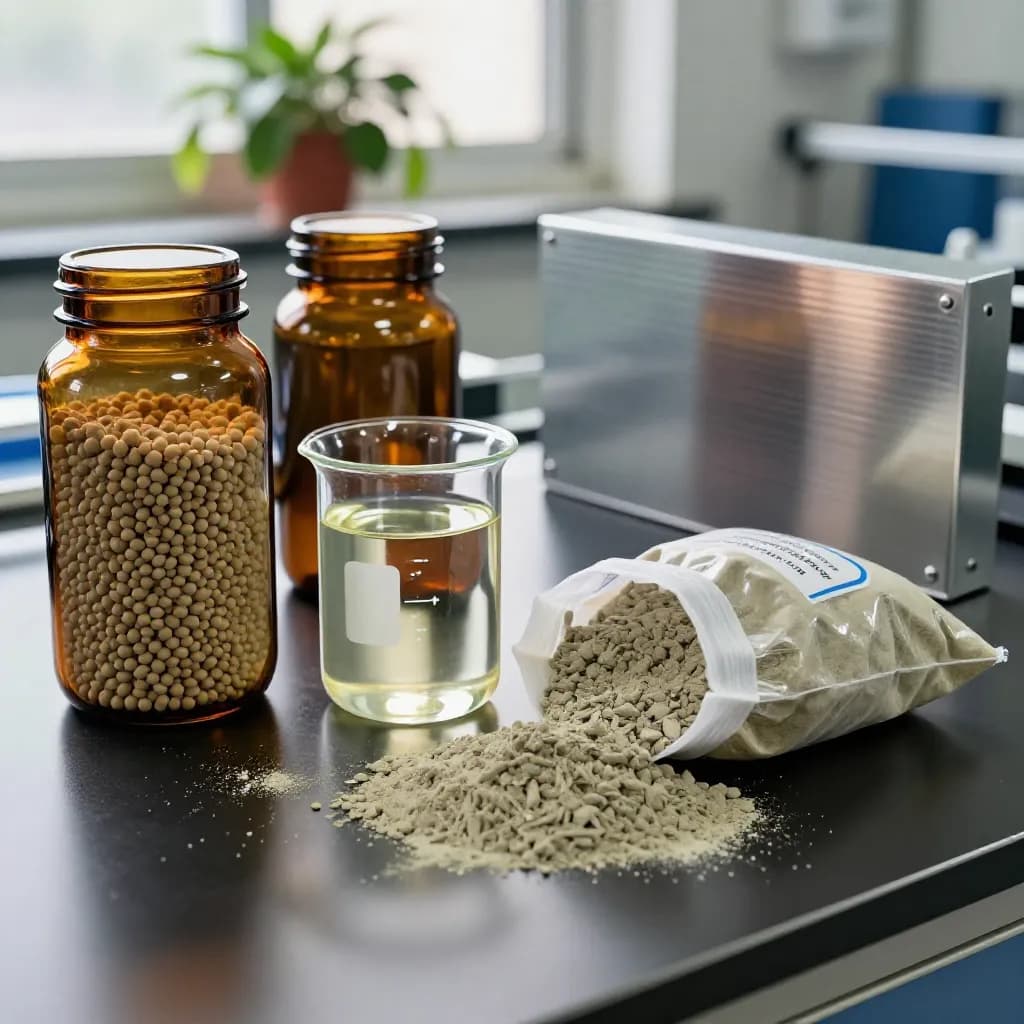
The bio-based content of a coating is measured as the percentage of carbon in the product that is derived from renewable sources, typically determined using radiocarbon (C-14) analysis according to standards such as ASTM D6866 or EN 16785. A coating with 30% bio-based content means that 30% of its carbon atoms originate from recently living biological material rather than fossil sources. This metric provides an objective, verifiable measure of renewable content.
Ready to Start Your Project?
From one-off customs to 15,000-part production runs — get precise pricing in 24 hours.
On This Page
What Are Bio-Based Coatings?
It is important to distinguish bio-based from biodegradable. Bio-based powder coatings are designed to be durable and long-lasting — their bio-based origin does not make them any less permanent once cured. The environmental benefit lies in reducing dependence on fossil feedstocks and potentially lowering the carbon footprint of raw material production, as the carbon in bio-based materials was recently captured from the atmosphere by plants through photosynthesis.
Current State of Bio-Based Powder Technology
Bio-based powder coating technology has progressed from laboratory curiosity to commercial reality, with several manufacturers now offering products with bio-based content ranging from 25% to 40%. These first-generation bio-based powders typically use polyester resins where one or more of the monomers (the building blocks of the polymer chain) are sourced from renewable feedstocks, while other components — hardeners, pigments, and additives — remain conventionally sourced.
The most commercially advanced bio-based monomers for powder coating resins include sebacic acid (derived from castor oil), succinic acid (produced by fermentation of sugars), isosorbide (derived from corn starch), and 1,3-propanediol (produced from corn sugar by fermentation). These monomers can be incorporated into polyester resin synthesis using existing manufacturing processes, making the transition to bio-based production relatively straightforward for resin manufacturers.
Certification and labeling of bio-based content is becoming standardized. The USDA BioPreferred program in the United States and the European EN 16785 standard provide frameworks for verifying and communicating bio-based content. Some powder coating manufacturers have obtained third-party certification of their bio-based products, providing specifiers with verified data to support sustainability claims and green building certification applications.
Performance Comparison with Conventional Powders
The critical question for any bio-based coating is whether it can match the performance of its conventional counterpart. Current bio-based powder coatings have demonstrated mechanical properties — hardness, flexibility, adhesion, and impact resistance — that are equivalent to standard petrochemical-based polyester powders. Film appearance, including gloss, color accuracy, and surface smoothness, is also comparable.
Weathering performance is the most demanding test for any exterior coating, and bio-based powders are progressively demonstrating their capability in this area. Accelerated weathering tests (QUV, Xenon arc) and natural outdoor exposure programs have shown that well-formulated bio-based polyester powders can achieve durability ratings comparable to standard polyester systems. Some bio-based monomers, such as isosorbide, contribute rigidity and UV stability to the polymer backbone that can actually enhance weathering resistance.
Chemical resistance and corrosion protection performance of bio-based powders is generally equivalent to conventional formulations when the overall resin design and crosslinking chemistry are properly optimized. The bio-based origin of the monomers does not inherently compromise the cured film's resistance to chemicals, moisture, or salt spray, provided the resin architecture delivers the same crosslink density and barrier properties as conventional systems.
Challenges to Wider Adoption
Despite promising performance, several challenges limit the wider adoption of bio-based powder coatings. Supply chain maturity is a primary concern — bio-based monomers are produced in smaller volumes than their petrochemical equivalents, and supply can be affected by agricultural variability, competing demand from other industries (food, biofuels, bioplastics), and the limited number of commercial-scale producers. This can result in supply constraints and price volatility that make long-term planning difficult for coating manufacturers.
Consistency of bio-based raw materials is another challenge. Agricultural feedstocks can vary in composition depending on crop variety, growing conditions, and processing methods. Resin manufacturers must manage this variability to ensure that the finished resin meets tight specifications for molecular weight, functionality, and thermal properties. Quality control protocols for bio-based monomers are still maturing compared to the well-established supply chains for petrochemical raw materials.
Certification and communication present additional hurdles. While standards for measuring bio-based content exist, there is no universally recognized labeling system that consumers and specifiers readily understand. The relationship between bio-based content and actual environmental benefit (carbon footprint reduction, reduced fossil resource depletion) depends on the specific feedstock, its agricultural practices, and the efficiency of conversion to monomers — factors that require lifecycle assessment to evaluate properly.
The Roadmap to Higher Bio-Content Powder Coatings
The powder coating industry's roadmap toward higher bio-based content involves parallel advances in raw material development, resin chemistry, and supply chain scaling. Near-term targets focus on increasing bio-based content from the current 25-40% range to 50-60% by incorporating additional bio-based monomers into polyester resin synthesis. This requires qualifying new bio-based diacids and diols that can replace their petrochemical counterparts without compromising resin performance.
Medium-term development aims for bio-based content above 70%, which will require bio-based alternatives not only for the resin monomers but also for hardeners and potentially some additives. Research into bio-based crosslinkers — including hardeners derived from amino acids, terpenes, and other natural compounds — is underway but has not yet reached commercial maturity. Bio-based pigments and fillers derived from mineral and agricultural waste streams could further increase the overall renewable content.
The long-term vision is a powder coating where the majority of carbon content is bio-based, manufactured using renewable energy, and applied with the same zero-VOC, high-efficiency process that makes powder coating environmentally advantageous today. Achieving this vision requires continued investment in green chemistry research, scaling of bio-based monomer production, development of industry standards for bio-based coating products, and market demand driven by sustainability-conscious specifiers and end users.
Frequently Asked Questions
What does bio-based content mean in a powder coating?
Bio-based content is the percentage of carbon in the coating derived from renewable biological sources (plant oils, sugars, lignin) rather than petroleum. It is measured using radiocarbon (C-14) analysis per ASTM D6866 or EN 16785. Current bio-based powder coatings achieve 25-40% bio-based content.
Are bio-based powder coatings biodegradable?
No. Bio-based powder coatings are designed to be durable and long-lasting, just like conventional powders. The bio-based origin of the raw materials does not make the cured coating biodegradable. The environmental benefit is in reducing fossil resource dependence and potentially lowering the carbon footprint of production.
Do bio-based powder coatings perform as well as conventional powders?
Yes, in most applications. Current bio-based powder coatings demonstrate mechanical properties, appearance, and weathering performance equivalent to standard polyester powders. Some bio-based monomers can actually enhance specific properties such as rigidity and UV stability.
What is the target for bio-based content in future powder coatings?
The industry roadmap targets 50-60% bio-based content in the near term through additional bio-based resin monomers, and above 70% in the medium term by developing bio-based hardeners and additives. The long-term vision is majority bio-based content across the full formulation.
Ready to Start Your Project?
From one-off customs to 15,000-part production runs — get precise pricing in 24 hours.