The global focus on hygiene and infection control has intensified demand for surfaces that actively resist microbial colonization. Healthcare-associated infections affect millions of patients annually, with contaminated environmental surfaces identified as a significant transmission pathway for pathogens including MRSA, VRE, C. difficile, and norovirus. Public transport systems, schools, food processing facilities, and commercial buildings face similar challenges in maintaining hygienic surfaces that are touched by thousands of people daily.
Technical
Antimicrobial Powder Coatings: A Complete Guide to Hygienic Surface Protection
Sundial Powder Coating·April 22, 2026·12 min
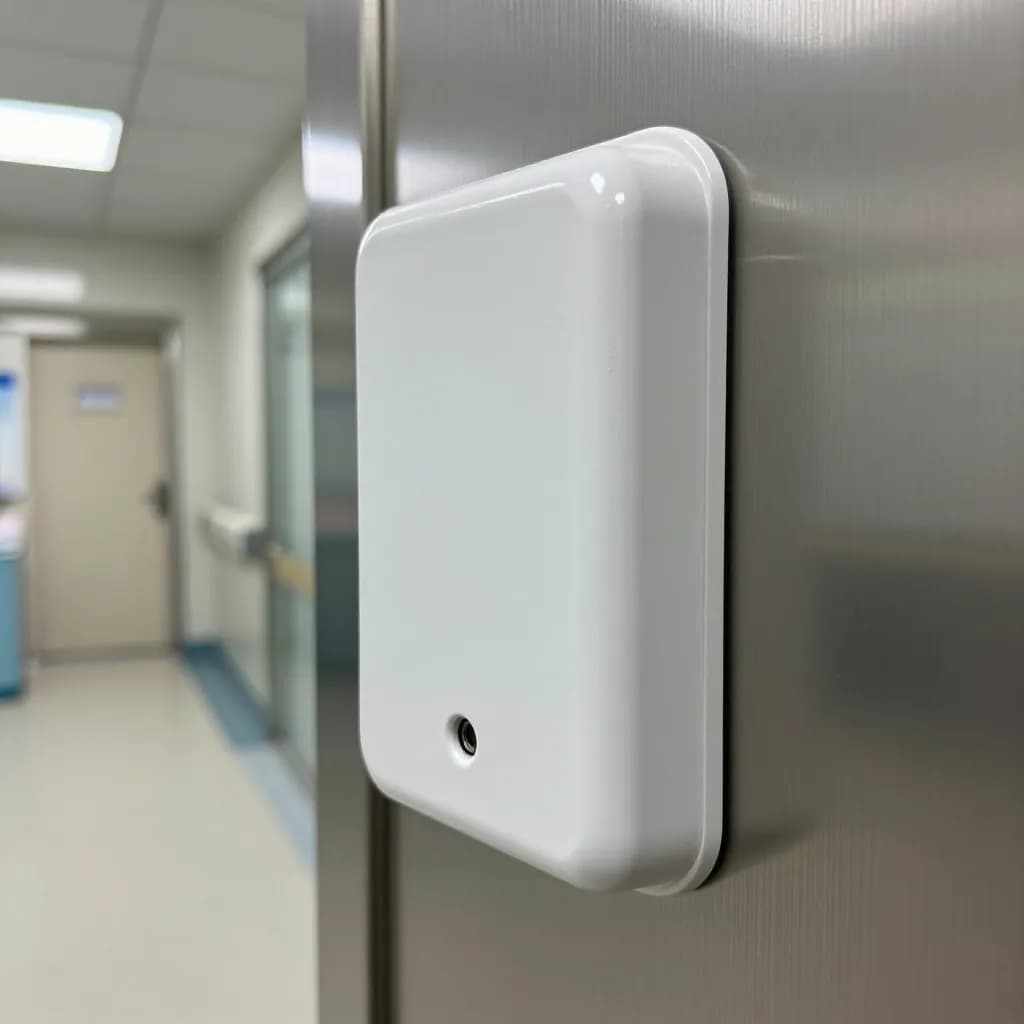
Traditional cleaning and disinfection protocols are essential but have inherent limitations. Surfaces become recontaminated within minutes of cleaning, disinfectant residues lose effectiveness as they dry, and compliance with cleaning schedules is inconsistent. Antimicrobial coatings provide a complementary layer of protection that works continuously between cleaning events, reducing the microbial burden on surfaces and lowering the risk of cross-contamination.
Ready to Start Your Project?
From one-off customs to 15,000-part production runs — get precise pricing in 24 hours.
On This Page
The Growing Demand for Antimicrobial Surface Protection
Antimicrobial powder coatings integrate biocidal agents directly into the coating matrix, creating surfaces that inhibit the growth and survival of bacteria, fungi, and in some cases viruses on contact. Unlike topical antimicrobial treatments that wear off with cleaning and abrasion, the active agents in powder coatings are distributed throughout the film thickness and continue to function for the lifetime of the coating. This built-in, long-lasting antimicrobial activity makes powder coatings an attractive solution for high-touch surfaces in environments where hygiene is paramount.
Silver Ion Antimicrobial Technology
Silver has been recognized for its antimicrobial properties for millennia, and modern silver ion technology represents the most widely used antimicrobial system in powder coatings. Silver ions disrupt multiple cellular processes in microorganisms simultaneously: they bind to sulfhydryl groups in enzymes, disrupting metabolic function; they interfere with DNA replication, preventing cell division; and they damage cell membranes, causing leakage of cellular contents. This multi-modal mechanism of action makes it extremely difficult for microorganisms to develop resistance.
In powder coating formulations, silver is typically incorporated as silver-substituted zeolites, silver phosphate glass, or silver-doped ceramic particles. These carrier systems provide controlled release of silver ions at the coating surface, maintaining antimicrobial activity over extended periods while preventing excessive silver release that could cause discoloration or environmental concerns. The carrier particles are thermally stable, surviving the extrusion and curing temperatures of standard powder coating processes without degradation of antimicrobial function.
Silver-based antimicrobial powder coatings demonstrate broad-spectrum efficacy against gram-positive bacteria such as Staphylococcus aureus and MRSA, gram-negative bacteria such as Escherichia coli and Pseudomonas aeruginosa, and fungi including Aspergillus niger and Candida albicans. Typical log reductions of 2-4 within 24 hours are achievable under ISO 22196 test conditions, representing 99-99.99% reduction in viable microorganisms on the coated surface compared to an untreated control.
Copper and Zinc Oxide Antimicrobial Systems
Copper-based antimicrobial systems offer an alternative to silver with distinct advantages in certain applications. Copper ions exhibit rapid antimicrobial action — often achieving significant kill rates within 1-2 hours compared to the 24-hour timeframe typical of silver systems. The mechanism involves generation of reactive oxygen species that damage cell membranes and intracellular components, combined with direct interaction with microbial proteins and nucleic acids. Copper surfaces have been registered by the US EPA as the first solid antimicrobial material, with demonstrated efficacy against a range of healthcare-associated pathogens.
In powder coating formulations, copper is incorporated as copper oxide nanoparticles, copper-doped glass, or copper alloy particles. The challenge with copper-based systems is managing the characteristic color — copper compounds impart brown, green, or blue tones that limit the available color palette. Encapsulation and surface treatment of copper particles can mitigate color impact, but copper-based antimicrobial powder coatings are generally best suited to applications where the metallic or earth-tone aesthetic is acceptable or where the antimicrobial function takes priority over color flexibility.
Zinc oxide is a third antimicrobial option that offers good efficacy against bacteria and fungi with the advantage of being white, enabling a wider range of coating colors. Zinc oxide nanoparticles generate reactive oxygen species under UV illumination and also exhibit antimicrobial activity in the dark through direct contact mechanisms. Zinc oxide is generally less potent than silver or copper but is more cost-effective and is already widely used in powder coatings as a pigment and UV stabilizer, simplifying formulation. Hybrid systems combining zinc oxide with low levels of silver or copper can achieve synergistic antimicrobial performance while managing cost and color constraints.
Hospital and Healthcare Environments
Healthcare facilities represent the highest-value application for antimicrobial powder coatings due to the severe consequences of healthcare-associated infections and the intense regulatory scrutiny of infection control practices. High-touch surfaces in hospitals — door handles, bed rails, IV poles, nurse call buttons, light switches, and equipment housings — are frequently contaminated with pathogenic microorganisms and serve as reservoirs for transmission between patients, staff, and visitors.
Antimicrobial powder coatings on these surfaces provide a continuous baseline of microbial reduction that supplements manual cleaning and disinfection. Studies in clinical settings have demonstrated that antimicrobial copper surfaces reduce microbial burden by 80-90% compared to standard surfaces, with corresponding reductions in healthcare-associated infection rates. While similar clinical studies specific to antimicrobial powder coatings are still accumulating, the laboratory efficacy data and the established clinical evidence for antimicrobial metals support the value proposition.
Specification of antimicrobial powder coatings for healthcare applications requires attention to several factors beyond antimicrobial efficacy. The coating must withstand aggressive cleaning regimens involving hospital-grade disinfectants, including quaternary ammonium compounds, sodium hypochlorite, hydrogen peroxide, and peracetic acid. Chemical resistance testing per ASTM D1308 or equivalent standards should be conducted with the specific disinfectants used in the target facility. The coating must also meet fire safety requirements, typically Class A flame spread per ASTM E84, and should be free of substances that could compromise indoor air quality in sensitive patient care environments.
Public Transport and High-Traffic Applications
Public transport systems — buses, trains, metro cars, and stations — present unique challenges for antimicrobial surface protection. These environments experience extremely high passenger throughput, limited cleaning windows between service runs, and exposure to a diverse microbial population from thousands of daily users. Handrails, grab poles, seat frames, ticket machines, and door activation buttons are touched by hundreds of people per hour during peak periods, creating ideal conditions for pathogen transmission.
Antimicrobial powder coatings are well-suited to transit applications because of their mechanical durability. The hard, abrasion-resistant film withstands the constant physical contact, cleaning, and environmental exposure that transit components endure. Unlike antimicrobial surface treatments or coatings that rely on a thin active layer, powder coatings maintain their antimicrobial function even as the surface wears, because the active agents are distributed throughout the full film thickness.
Food processing facilities share similar requirements for antimicrobial surface protection combined with exceptional durability and chemical resistance. Equipment housings, conveyor frames, shelving, and wall panels in food production environments must resist microbial contamination while withstanding daily washdown with caustic cleaners and sanitizers. Antimicrobial powder coatings for food processing must comply with FDA 21 CFR or EU Regulation 1935/2004 for food-contact materials, ensuring that antimicrobial agents do not migrate into food products at levels exceeding established safety limits. The combination of antimicrobial function, chemical resistance, and food-contact compliance makes powder coating a compelling choice for food industry surface protection.
Testing and Certification: ISO 22196 and Beyond
ISO 22196 is the primary international standard for evaluating the antibacterial activity of plastics and other non-porous surfaces, and it serves as the benchmark test method for antimicrobial powder coatings. The test involves inoculating the coated surface with a standardized bacterial suspension, incubating under controlled conditions for 24 hours, and then recovering and counting the surviving bacteria. The antimicrobial activity is expressed as the log reduction compared to an untreated control surface.
While ISO 22196 provides a standardized comparison framework, it has limitations that specifiers should understand. The test is conducted under warm, humid conditions that favor bacterial survival and antimicrobial agent activity, which may not represent real-world conditions on dry surfaces at ambient temperature. The 24-hour contact time is longer than typical surface contact events. And the test uses only two reference organisms — Staphylococcus aureus and Escherichia coli — which may not represent the full spectrum of pathogens relevant to a specific application.
Supplementary testing beyond ISO 22196 is recommended for critical applications. Antifungal testing per ISO 846 or ASTM G21 evaluates efficacy against mold and yeast. Antiviral testing per ISO 21702 assesses activity against enveloped and non-enveloped viruses. Simulated-use testing under realistic environmental conditions — ambient temperature, low humidity, short contact times — provides more representative performance data. Durability testing after accelerated aging, chemical exposure, and abrasion cycling confirms that antimicrobial activity persists over the coating's intended service life. A comprehensive test program addressing all relevant organisms, conditions, and durability factors provides the strongest evidence base for antimicrobial coating claims.
Regulatory Landscape and Responsible Claims
The regulatory framework for antimicrobial coatings varies significantly by jurisdiction and intended claim. In the United States, antimicrobial coatings that claim to protect the coated surface from microbial degradation — such as preventing mold growth or odor — are regulated by the EPA under FIFRA as treated articles. Coatings that claim to protect human health — such as reducing infection risk — face more stringent registration requirements as antimicrobial pesticides.
In the European Union, antimicrobial active substances used in coatings must be approved under the Biocidal Products Regulation, and the coated articles must comply with Article 58 requirements for treated articles, including labeling obligations. The regulatory pathway requires demonstration of efficacy, safety, and environmental acceptability of the antimicrobial substance.
Responsible marketing of antimicrobial powder coatings requires careful distinction between what the coating can and cannot do. Antimicrobial coatings reduce microbial populations on surfaces but do not eliminate the need for regular cleaning and disinfection. They are not a substitute for hand hygiene, personal protective equipment, or other infection control measures. Claims should be supported by standardized test data, should specify the organisms tested and the conditions of testing, and should not imply clinical outcomes such as infection prevention without supporting clinical evidence. The coating industry's credibility depends on making accurate, substantiated claims that help specifiers make informed decisions without overpromising antimicrobial performance.
Frequently Asked Questions
How long does the antimicrobial effect last in powder coatings?
Antimicrobial powder coatings are designed to maintain their efficacy for the lifetime of the coating, typically 10-20 years for interior applications. Because the antimicrobial agents are distributed throughout the full film thickness rather than applied as a surface treatment, they continue to function even as the surface experiences normal wear. Accelerated aging tests confirm sustained antimicrobial activity after simulated years of use.
Are antimicrobial powder coatings safe for use in hospitals?
Yes, antimicrobial powder coatings using silver ion, copper, or zinc oxide technologies are safe for healthcare environments when properly formulated. The active agents are bound within the coating matrix with controlled release rates well below toxicological thresholds. The coatings produce zero VOC emissions, meet fire safety requirements, and withstand hospital-grade disinfectant cleaning protocols.
Do antimicrobial coatings replace the need for cleaning?
No. Antimicrobial coatings are designed to complement, not replace, regular cleaning and disinfection. They reduce microbial burden on surfaces between cleaning events and provide a continuous baseline of protection, but routine cleaning remains essential for removing soil, organic matter, and maintaining overall hygiene standards.
Can bacteria develop resistance to antimicrobial coatings?
The risk of resistance development is very low for silver and copper-based systems because these metals attack multiple cellular targets simultaneously, making it extremely difficult for microorganisms to develop resistance through single-gene mutations. This multi-modal mechanism distinguishes metal-based antimicrobials from single-target antibiotics where resistance is a significant concern.
What testing standard should I specify for antimicrobial powder coatings?
ISO 22196 is the primary standard for antibacterial testing of non-porous surfaces and should be the baseline specification. For comprehensive evaluation, also consider ISO 846 for antifungal testing, ISO 21702 for antiviral testing, and simulated-use testing under realistic conditions. Specify the target organisms relevant to your application and require durability testing after aging and chemical exposure.
Ready to Start Your Project?
From one-off customs to 15,000-part production runs — get precise pricing in 24 hours.