Graffiti vandalism imposes enormous financial and social costs on cities, transit authorities, and property owners worldwide. Annual graffiti removal expenditures run into billions of dollars globally, with individual transit agencies spending tens of millions per year on cleaning operations alone. Beyond direct removal costs, graffiti contributes to perceptions of urban decay, reduces property values, discourages public transport use, and can signal broader social disorder that invites further vandalism.
Technical
Anti-Graffiti Powder Coatings for Urban Infrastructure and Transit Systems
Sundial Powder Coating·April 22, 2026·11 min
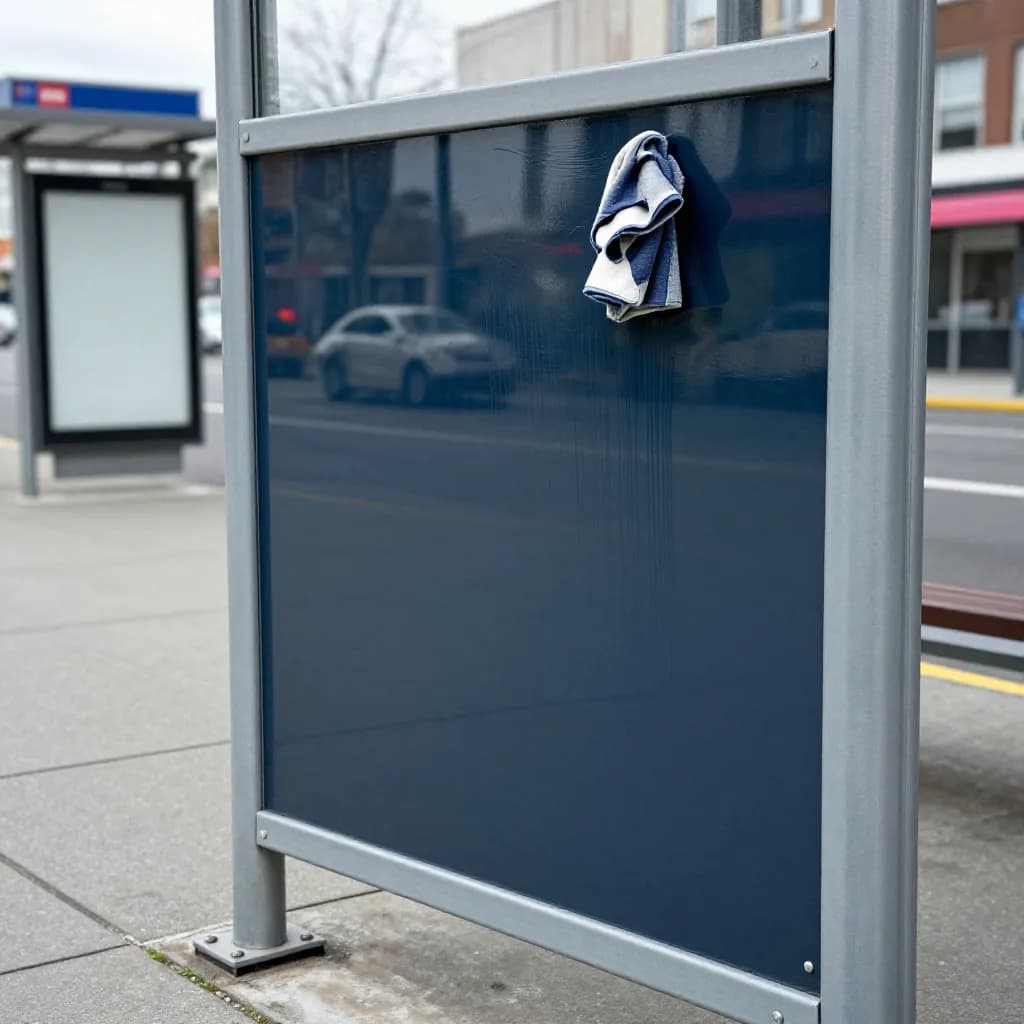
Traditional graffiti removal methods — chemical strippers, pressure washing, abrasive blasting, and repainting — are labor-intensive, environmentally problematic, and often damage the underlying surface. Repeated removal cycles progressively degrade unprotected substrates, creating rougher surfaces that are even more difficult to clean. This cycle of vandalism and removal accelerates asset deterioration and increases long-term maintenance costs.
Ready to Start Your Project?
From one-off customs to 15,000-part production runs — get precise pricing in 24 hours.
On This Page
The Cost of Graffiti and the Case for Protective Coatings
Anti-graffiti coatings break this cycle by creating surfaces from which graffiti can be removed easily, quickly, and without damage to the underlying finish. Powder coating technology is particularly well-suited to anti-graffiti applications because of its inherent durability, chemical resistance, and environmental credentials. A well-formulated anti-graffiti powder coating can withstand dozens of graffiti removal cycles while maintaining its protective and aesthetic properties, dramatically reducing the lifecycle cost of graffiti management for urban infrastructure and transit assets.
Sacrificial Anti-Graffiti Systems
Sacrificial anti-graffiti coatings work by providing a removable barrier layer between the graffiti and the permanent base coating. When graffiti is applied, it adheres to the sacrificial layer rather than the underlying powder coating. During removal, the sacrificial layer is dissolved or stripped away along with the graffiti, leaving the base coating intact. A fresh sacrificial layer is then reapplied to restore protection.
Sacrificial systems are typically based on wax, biopolymer, or water-soluble polymer formulations that can be applied over a cured powder coating base. The sacrificial layer is thin — usually 5-15 microns — and is designed to be easily removed with hot water, steam, or mild alkaline cleaners without the need for aggressive chemical strippers. This makes the removal process faster, cheaper, and more environmentally friendly than removing graffiti from unprotected surfaces.
The primary advantage of sacrificial systems is their simplicity and reliability. Because the entire contaminated layer is removed and replaced, there is no risk of ghost images or residual staining that can occur with other anti-graffiti approaches. The base powder coating is never exposed to graffiti materials or removal chemicals, preserving its appearance and performance indefinitely. The disadvantage is the need to reapply the sacrificial layer after each cleaning event, which adds ongoing maintenance cost and requires access to the surface. For large-scale infrastructure such as bridge abutments, retaining walls, and building facades, the reapplication requirement can be logistically challenging, making sacrificial systems best suited to smaller, accessible surfaces with moderate graffiti frequency.
Permanent Anti-Graffiti Powder Coatings
Permanent anti-graffiti powder coatings are engineered to resist graffiti adhesion and enable removal without sacrificing any coating material. These coatings achieve their anti-graffiti properties through surface chemistry modifications that reduce the surface energy of the cured film, preventing spray paint, marker ink, and adhesive materials from forming strong bonds with the coating surface.
The most effective permanent anti-graffiti powder coatings utilize fluoropolymer or silicone-modified resin systems that create surfaces with very low surface energy — typically below 25 millinewtons per meter. At these surface energy levels, most graffiti materials bead up on the surface rather than wetting and penetrating the film, and can be removed with mild solvents, citrus-based cleaners, or even pressure washing without damaging the coating. The coating can withstand multiple graffiti application and removal cycles — typically 20-50 or more — without significant degradation of anti-graffiti performance or appearance.
Polyurethane-based anti-graffiti powder coatings offer another approach, using highly crosslinked, chemically resistant film chemistry that prevents graffiti materials from penetrating the coating surface. While the surface energy may not be as low as fluoropolymer systems, the dense crosslink network resists solvent penetration, allowing aggressive graffiti removal chemicals to dissolve the graffiti without attacking the coating. These systems are particularly effective against permanent markers and adhesive stickers, which can be challenging for low-surface-energy systems alone. The choice between fluoropolymer and polyurethane approaches depends on the specific graffiti threats, removal chemical preferences, and performance requirements of the application.
Nano-Coatings and Easy-Clean Surface Technology
Nanotechnology has introduced a new generation of anti-graffiti surface treatments that can be integrated into powder coating systems. Nano-structured surfaces exploit the lotus effect — the self-cleaning property observed on lotus leaves where water droplets roll off the surface, carrying dirt and contaminants with them. By creating surface textures with features in the nanometer range, combined with low-surface-energy chemistry, these coatings achieve superhydrophobic and oleophobic properties that resist the adhesion of both water-based and solvent-based graffiti materials.
In powder coating applications, nano-functionality can be achieved through several routes. Nano-silica or nano-alumina particles can be incorporated into the powder formulation to create surface roughness at the nanoscale after curing. Fluorinated nano-particles or silane-based surface modifiers can be added to reduce surface energy. Post-application treatments, such as plasma deposition of fluorocarbon layers or application of nano-ceramic sealants over cured powder coatings, provide another pathway to nano-enhanced anti-graffiti performance.
The easy-clean properties of nano-enhanced powder coatings extend beyond graffiti resistance to general dirt and stain rejection. Surfaces that resist graffiti adhesion also resist accumulation of atmospheric soiling, biological growth, and industrial fallout, reducing routine cleaning frequency and cost. For architectural applications, this self-cleaning capability maintains the building's appearance with minimal maintenance intervention. For transit applications, easy-clean surfaces reduce the time and cost of daily cleaning operations, improving vehicle availability and passenger experience. The convergence of anti-graffiti and easy-clean functionality in a single powder coating system provides compelling value for asset owners managing large portfolios of exposed surfaces.
Urban Infrastructure Applications
Urban infrastructure presents some of the most demanding applications for anti-graffiti powder coatings. Bridge structures, highway sound barriers, retaining walls, utility cabinets, street furniture, public art installations, and building facades are all targets for graffiti vandalism and must withstand outdoor exposure including UV radiation, temperature cycling, moisture, and atmospheric pollution in addition to repeated graffiti removal.
For steel infrastructure such as bridges, guardrails, and utility enclosures, anti-graffiti powder coatings must be applied over appropriate pretreatment systems — typically zinc phosphate or iron phosphate conversion coatings — to provide both corrosion protection and graffiti resistance. The anti-graffiti topcoat must maintain its low-surface-energy properties after years of UV exposure, which requires careful selection of UV-stable resin systems and pigments. Super-durable polyester formulations modified with fluoropolymer or silicone additives offer the best combination of weathering resistance and anti-graffiti performance for exterior infrastructure applications.
Aluminum infrastructure including light poles, signage, bus shelters, and architectural cladding benefits from the combination of aluminum's inherent corrosion resistance with anti-graffiti powder coating protection. The lightweight nature of aluminum structures makes them particularly suitable for powder coating application, as components can be easily transported to coating facilities for factory application under controlled conditions. For large or installed structures that cannot be removed for factory coating, field-applied anti-graffiti treatments over existing powder coatings provide a practical alternative, though with generally shorter service life than factory-applied systems.
Transit System Protection Strategies
Transit systems require a comprehensive anti-graffiti strategy that addresses both rolling stock and fixed infrastructure. Rail cars, buses, trams, and their associated stations, platforms, and facilities are high-visibility targets for graffiti vandalism, and the operational constraints of transit systems — limited maintenance windows, high utilization rates, and public visibility — demand anti-graffiti solutions that enable rapid, effective cleaning with minimal service disruption.
For rolling stock exteriors, anti-graffiti powder coatings must meet stringent requirements for appearance, durability, and fire safety in addition to graffiti resistance. European rail standards EN 45545 for fire safety and EN 12206 for powder coating quality define the performance envelope within which anti-graffiti functionality must be achieved. The coating must maintain its anti-graffiti properties after exposure to the aggressive cleaning chemicals used in automated train wash systems, which typically include alkaline detergents, solvent-based graffiti removers, and high-pressure water.
Station infrastructure — including platform furniture, ticket machines, information displays, elevator interiors, and handrails — requires anti-graffiti coatings that combine vandal resistance with aesthetic quality appropriate for public-facing environments. The coating color and finish must be maintainable over the asset's service life, with graffiti removal leaving no visible trace. For high-frequency graffiti targets, permanent anti-graffiti systems are strongly preferred over sacrificial systems to minimize maintenance intervention. Some transit authorities have adopted a layered approach, using permanent anti-graffiti powder coatings as the base system with an additional sacrificial clear coat for the most heavily targeted surfaces, providing belt-and-suspenders protection.
Performance Testing and Specification
Specifying anti-graffiti powder coatings requires performance criteria that go beyond standard coating property measurements. The key performance metrics include graffiti removability, number of removal cycles before performance degradation, compatibility with specific removal chemicals, and retention of anti-graffiti properties after weathering and aging.
Graffiti removability testing typically involves applying standardized graffiti materials — spray paint in multiple colors, permanent marker, lipstick, crayon, and adhesive stickers — to the coated surface, allowing them to dry for a specified period (usually 24-72 hours), and then attempting removal using the specified cleaning method. The surface is evaluated for residual staining, gloss change, and color shift after removal. A rating system from complete removal with no trace to permanent staining quantifies the result for each graffiti type.
Cyclic testing repeats the graffiti application and removal process multiple times — typically 10, 20, or 50 cycles — to assess the durability of the anti-graffiti function. The coating must maintain acceptable removability throughout the specified number of cycles without significant degradation of appearance or protective properties. Accelerated weathering testing per ASTM G154 or ISO 16474, followed by graffiti removability testing, evaluates whether outdoor exposure compromises the anti-graffiti function. A comprehensive specification should define the graffiti materials, dwell times, removal chemicals, number of cycles, and post-weathering performance requirements specific to the intended application.
Frequently Asked Questions
What is the difference between sacrificial and permanent anti-graffiti coatings?
Sacrificial systems provide a removable barrier layer that is stripped away along with the graffiti and then reapplied. Permanent systems resist graffiti adhesion through low surface energy chemistry, allowing graffiti to be removed without damaging or consuming the coating. Permanent systems require less ongoing maintenance but are more expensive initially. Sacrificial systems guarantee complete graffiti removal but require reapplication after each cleaning.
How many times can graffiti be removed from a permanent anti-graffiti powder coating?
High-quality permanent anti-graffiti powder coatings can withstand 20-50 or more graffiti removal cycles without significant degradation of anti-graffiti performance or appearance. The actual number depends on the coating formulation, the aggressiveness of the removal chemicals used, and the types of graffiti materials encountered.
Do anti-graffiti powder coatings work against all types of graffiti?
Anti-graffiti powder coatings are effective against spray paint, marker ink, crayon, lipstick, and most adhesive materials. Etching or scratching damage is not addressed by anti-graffiti coatings, as these involve physical removal of coating material rather than surface contamination. For scratch resistance, specify coatings with high hardness and abrasion resistance in addition to anti-graffiti properties.
Can anti-graffiti powder coatings be applied in any color?
Permanent anti-graffiti powder coatings are available in a wide range of colors, though the color palette may be somewhat more limited than standard powder coatings due to the specialized resin systems required. Fluoropolymer-modified systems may have restrictions on certain pigments. Consult with the coating manufacturer to confirm availability in your specified color and finish.
Are anti-graffiti coatings environmentally friendly?
Anti-graffiti powder coatings are significantly more environmentally friendly than the alternative of repeated graffiti removal from unprotected surfaces. They eliminate the need for aggressive chemical strippers, reduce water consumption from pressure washing, and prevent substrate damage that leads to premature replacement. The powder coating itself produces zero VOC emissions during application.
Ready to Start Your Project?
From one-off customs to 15,000-part production runs — get precise pricing in 24 hours.