Anodizing is an electrochemical process that converts the surface of aluminum into a durable, corrosion-resistant aluminum oxide layer. Unlike paint or powder coating, which add a layer on top of the metal, anodizing transforms the aluminum itself — the oxide layer grows from the substrate and becomes an integral part of the metal surface. This is achieved by immersing the aluminum in an acid electrolyte bath and passing an electrical current through it, causing oxygen ions to bond with the aluminum atoms at the surface.
Technical
Anodizing vs Powder Coating: Comparing Aluminum Finishes
Sundial Powder Coating·April 20, 2026·10 min
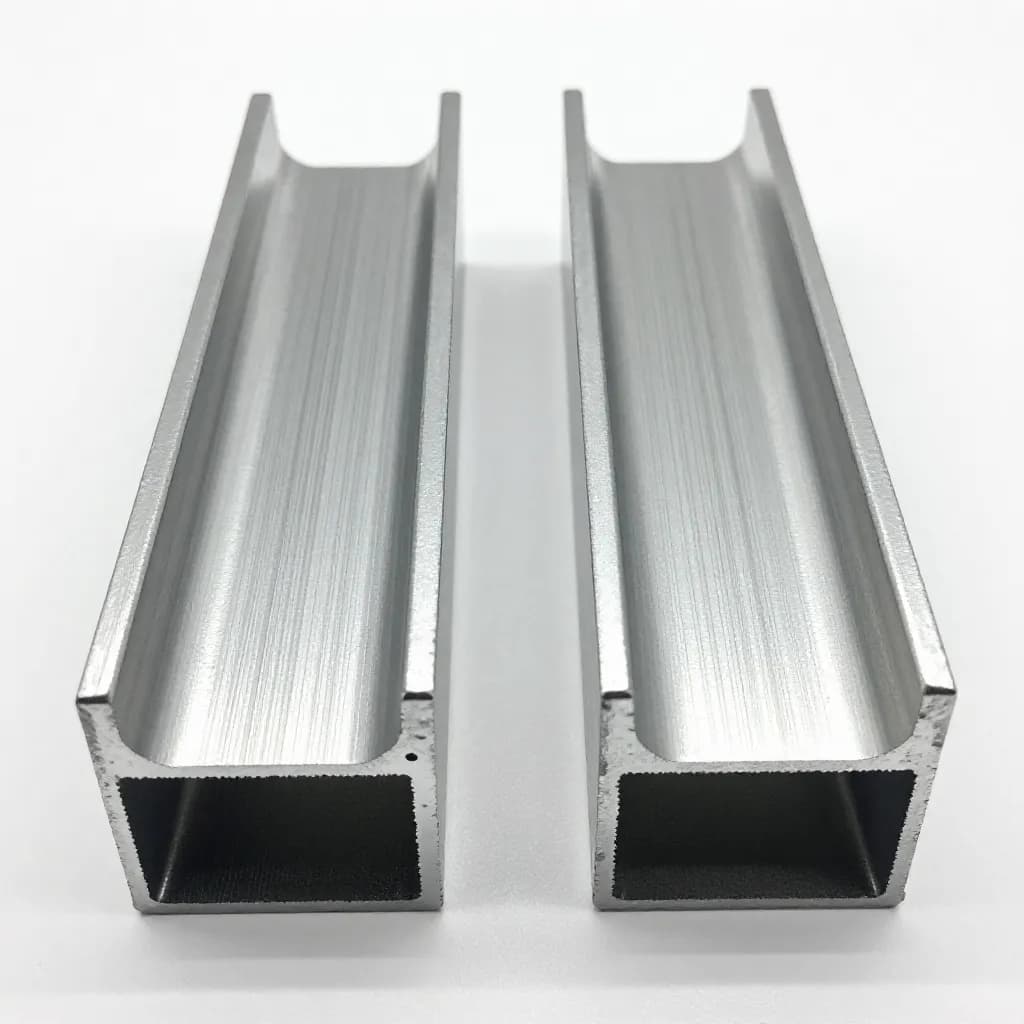
The resulting anodic oxide layer is extremely hard — typically 60-70 on the Rockwell C scale — and is tightly bonded to the substrate because it is literally part of the metal. The layer is also porous before sealing, which allows it to absorb dyes for coloring. After dyeing, the pores are sealed through a hydration process, locking in the color and creating a smooth, dense protective surface.
Ready to Start Your Project?
From one-off customs to 15,000-part production runs — get precise pricing in 24 hours.
On This Page
What Is Anodizing?
Anodizing thickness varies by application. Decorative anodizing (Type II) typically produces an oxide layer of 5-25 microns, while hard anodizing (Type III) can produce layers of 25-150 microns for applications requiring extreme wear resistance. Architectural anodizing for building facades and window frames typically specifies a minimum of 15-20 microns to ensure long-term exterior durability, as defined by standards such as Qualanod and AAMA 611.
What Is Powder Coating?
Powder coating is a dry finishing process in which finely ground particles of pigment and resin are electrostatically charged and sprayed onto a grounded metal surface. The charged powder particles adhere to the metal and are then cured in an oven at temperatures typically between 160-200°C, where the powder melts, flows, and chemically cross-links to form a continuous, durable film. The result is a tough, uniform coating that is thicker and more consistent than most liquid paint applications.
Unlike anodizing, powder coating sits on top of the substrate rather than becoming part of it. The coating is bonded to the metal through a combination of mechanical adhesion (aided by surface roughness from pretreatment) and chemical adhesion (promoted by conversion coatings such as chromate or chrome-free alternatives). Proper pretreatment is essential for long-term adhesion and corrosion protection.
Powder coatings are available in a vast range of chemistries — polyester, epoxy, hybrid, polyurethane, and fluoropolymer — each offering different performance characteristics. For exterior architectural applications on aluminum, polyester and superdurable polyester formulations are the standard, offering excellent UV resistance, color retention, and weathering performance certified to standards such as Qualicoat, GSB, and AAMA 2604/2605.
Appearance Differences: Metallic Depth vs Unlimited Color
One of the most significant differences between anodizing and powder coating is their visual character. Anodizing preserves and enhances the natural metallic appearance of aluminum. Because the oxide layer is translucent, the underlying metal grain and texture remain visible, giving anodized surfaces a distinctive depth and luster that cannot be replicated by any applied coating. This metallic quality is particularly valued in high-end architectural applications where designers want to celebrate the material itself.
However, anodizing has a limited color palette. Natural anodizing produces a silver-gray finish, and electrolytic coloring can produce a range of bronze, champagne, gold, and black tones. Organic dyes can extend the palette to include blues, reds, and greens, but these dyed colors are less lightfast than electrolytic colors and may fade over time in exterior applications. The practical architectural color range for anodizing is therefore relatively narrow — typically limited to natural silver, light bronze, medium bronze, dark bronze, and black.
Powder coating, by contrast, offers virtually unlimited color options. Any color from the RAL, NCS, Pantone, or custom color systems can be matched, and finishes range from high gloss to deep matte, smooth to textured, solid to metallic, pearlescent, and even wood-grain effects through sublimation transfer. This makes powder coating the clear choice when specific brand colors, bold design statements, or unusual finishes are required.
Durability Comparison: Hardness vs Barrier Protection
Both anodizing and powder coating offer excellent durability, but they protect aluminum in fundamentally different ways. Anodizing creates an extremely hard surface that is highly resistant to scratching and abrasion. The aluminum oxide layer is one of the hardest substances found in nature, second only to diamond, and this hardness means anodized surfaces maintain their appearance even in high-traffic areas where physical contact is frequent. Anodized finishes will not peel, chip, or flake because the oxide layer is part of the metal itself.
Powder coating provides protection through a thicker barrier layer — typically 60-120 microns compared to 15-25 microns for architectural anodizing. This thicker film offers superior impact resistance and better protection against corrosive environments. Powder coating also excels in UV color retention: while anodized colors can shift subtly over decades of exposure, powder coated surfaces — particularly those using superdurable polyester formulations — maintain their original color with minimal change, measured as Delta E values below 3-5 after years of Florida exposure.
Corrosion resistance is strong for both finishes when properly specified and applied. Anodizing performs well in mildly corrosive environments but can be vulnerable to alkaline attack — contact with wet cement, mortar, or strong cleaning agents can damage the oxide layer. Powder coating provides a more robust barrier against a wider range of chemicals and is generally preferred in coastal and industrial environments where salt spray and chemical pollutants are present.
Cost Comparison
The cost of anodizing versus powder coating depends on several factors including part size, volume, color requirements, and quality specification. For standard architectural profiles in natural silver or bronze tones, anodizing and powder coating are often comparable in cost per square meter. However, the cost equation shifts depending on the specific requirements of the project.
Anodizing costs are influenced primarily by the oxide layer thickness, the coloring method, and the alloy being processed. Thicker oxide layers and electrolytic coloring add cost. Anodizing also requires careful alloy selection — different aluminum alloys produce different anodized appearances, and achieving a consistent color match across extrusions, sheet, and castings can be challenging and expensive. The anodizing process itself requires significant capital investment in chemical processing lines, which means fewer suppliers and potentially longer lead times.
Powder coating costs are driven by part complexity, color, volume, and quality standard. Color changes during production require line cleaning, which adds time and cost for small batches in multiple colors. However, powder coating is more forgiving of alloy variations, can be applied to a wider range of substrates, and benefits from a larger supplier base with more competitive pricing. For projects requiring multiple colors, special effects, or non-standard finishes, powder coating is typically more cost-effective than anodizing.
When to Choose Anodizing vs Powder Coating
Choose anodizing when the design intent calls for a natural metallic aluminum appearance with visible grain and depth. Anodizing is ideal for high-end architectural projects where the material quality of aluminum is a design feature — think premium curtain wall systems, entrance canopies, and feature cladding in natural silver or bronze tones. Anodizing is also preferred for applications requiring extreme surface hardness and scratch resistance, such as high-traffic door handles, handrails, and elevator interiors.
Choose powder coating when the project requires specific colors, bold design statements, or finishes that anodizing cannot achieve. Powder coating is the right choice for facades in corporate brand colors, residential windows in heritage or contemporary palettes, outdoor furniture, signage, and any application where color variety and finish options are priorities. Powder coating is also preferred for coastal and industrial environments where its thicker barrier film provides superior corrosion protection.
For some projects, both finishes may be used on different components to achieve the best combination of aesthetics and performance. A building might feature anodized curtain wall mullions in natural bronze alongside powder coated spandrel panels in a complementary solid color. The key is to match the finish to the design intent and performance requirements of each specific component, working with experienced finishers who can advise on the best approach for the project.
Frequently Asked Questions
Is anodizing more durable than powder coating?
Anodizing is harder and more scratch-resistant than powder coating because the aluminum oxide layer is extremely hard. However, powder coating provides a thicker protective barrier that offers better impact resistance, UV color retention, and chemical resistance. Neither is universally more durable — the best choice depends on the specific performance requirements.
Can you powder coat over anodized aluminum?
Technically yes, but it is not recommended without proper preparation. The smooth, sealed anodic layer does not provide good adhesion for powder coating. If powder coating over anodized aluminum is necessary, the surface must be mechanically abraded or chemically etched to create a suitable profile for adhesion.
Why does anodizing have limited colors compared to powder coating?
Anodizing color is achieved by dyeing or electrolytic coloring of the porous oxide layer, which limits the range to metallic tones (silver, bronze, gold, black) and a narrow selection of organic dye colors. Powder coating uses pigments mixed into the coating formulation, allowing virtually any color to be produced including bright, saturated, and custom shades.
Which is better for coastal environments, anodizing or powder coating?
Powder coating is generally preferred for coastal environments. Its thicker barrier film provides better protection against salt spray and chloride-induced corrosion. Anodizing can perform well in coastal areas if specified to adequate thickness (minimum 20 microns), but powder coating's superior chemical barrier makes it the safer choice.
Can anodized and powder coated components be used together on the same building?
Yes, many architectural projects combine anodized and powder coated components. For example, anodized curtain wall frames in natural bronze can be paired with powder coated cladding panels in a complementary color. Care should be taken to ensure the finishes are visually harmonious and that each is specified appropriately for its exposure conditions.
Ready to Start Your Project?
From one-off customs to 15,000-part production runs — get precise pricing in 24 hours.