Window frames are one of the most visible elements of any building's exterior, and their color has a profound impact on the overall architectural appearance. The right frame color can enhance a building's character, complement its surroundings, and create a cohesive design statement. Conversely, a poorly chosen frame color can clash with the facade, date the building prematurely, or undermine the architect's design intent. As windows typically represent 20 to 40 percent of a building's facade area, the color of the frames is a design decision that deserves careful consideration.
Technical
Aluminum Window Frame Colors: Popular Choices and How to Specify
Sundial Powder Coating·April 20, 2026·9 min
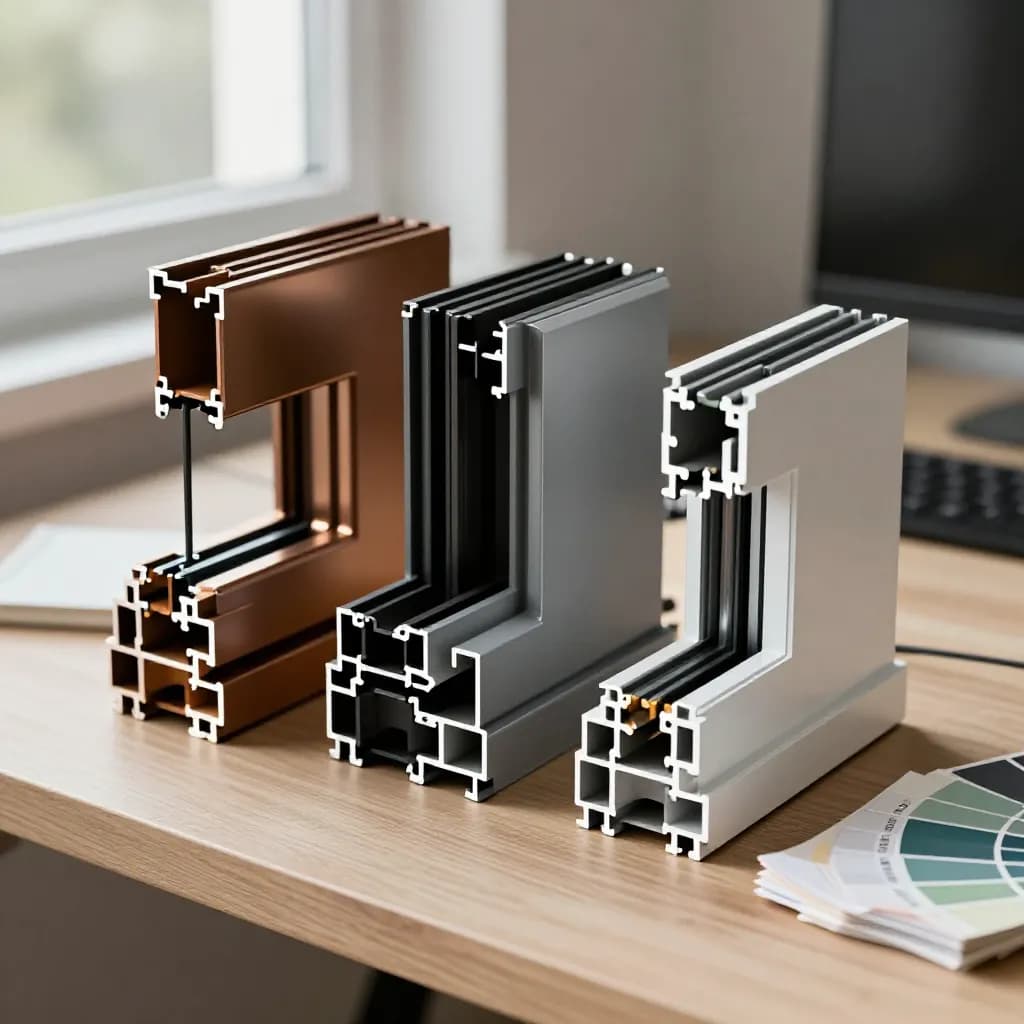
Beyond aesthetics, window frame color also has practical implications. Darker colors absorb more solar radiation, which can increase the surface temperature of the frame and affect thermal expansion. While modern aluminum window systems are engineered to accommodate thermal movement, extremely dark colors in hot climates may require additional design consideration. Lighter colors reflect more heat and tend to show dirt and weathering less visibly than very dark shades, though they may appear less dramatic from a design perspective.
Ready to Start Your Project?
From one-off customs to 15,000-part production runs — get precise pricing in 24 hours.
On This Page
Why Color Matters for Window Frames
The shift toward larger window openings and slimmer frame profiles in contemporary architecture has made frame color even more important. With less frame visible, the color must work harder to make an impact or, alternatively, to recede and let the glazing dominate. This trend has driven the popularity of dark, recessive colors like anthracite grey and black that minimize the visual presence of the frame, as well as bold accent colors that turn the frame into a deliberate design feature.
Most Popular Window Frame Colors in Europe
RAL 7016 Anthracite Grey has become the dominant window frame color across much of Europe, particularly in new construction and renovation projects. Its deep, sophisticated grey tone strikes a perfect balance between the drama of black and the subtlety of medium grey, making it versatile enough to complement virtually any facade material — from red brick and natural stone to white render and timber cladding. Anthracite grey frames have become synonymous with contemporary architectural style and show no signs of declining in popularity.
RAL 9005 Jet Black is the second most popular dark option, favored for its bold, definitive character. Black frames create strong visual contrast against light facades and are particularly popular in minimalist and industrial-inspired designs. RAL 9010 Pure White remains a perennial favorite, especially for traditional and coastal architectural styles where white frames complement light-colored facades and create a clean, timeless appearance. White frames are also popular for interior-facing surfaces in dual-color configurations.
RAL 7035 Light Grey is widely specified for commercial and institutional buildings where a neutral, professional appearance is desired. RAL 8017 Chocolate Brown maintains strong demand in markets with traditional architectural preferences, particularly in Central Europe and rural areas where brown frames complement natural materials and landscapes. RAL 6005 Moss Green is a classic choice for heritage buildings and properties in green, rural settings, offering a natural tone that blends harmoniously with garden and landscape environments.
Trending Window Frame Colors
While anthracite grey and black continue to dominate, several emerging color trends are gaining traction in the architectural window market. RAL 7021 Black Grey has emerged as a popular alternative to both RAL 7016 and RAL 9005, offering a tone that sits between anthracite and jet black. It provides the depth and drama of near-black while retaining a subtle warmth that pure black lacks. Many architects are specifying RAL 7021 for projects where they want a darker look than anthracite without the starkness of true black.
RAL 8019 Grey Brown is another rising star, offering a sophisticated dark tone with warm brown undertones that pairs beautifully with natural materials like wood, stone, and brick. This color bridges the gap between the cool grey palette and the warm brown family, making it an excellent choice for projects that seek to combine contemporary style with natural warmth. Dark greens, particularly RAL 6012 Black Green and RAL 6009 Fir Green, are experiencing a renaissance as designers rediscover the elegance of deep green tones for both traditional and modern applications.
Beyond standard RAL colors, there is growing interest in custom and non-standard finishes for window frames. Matte and ultra-matte finishes are increasingly specified for their contemporary, understated aesthetic. Metallic and anodized-look powder coatings are gaining popularity for premium residential and commercial projects, offering a distinctive visual depth that standard solid colors cannot achieve. Wood-grain sublimation finishes continue to grow in demand, allowing aluminum frames to replicate the appearance of timber while delivering the performance and low maintenance advantages of powder-coated aluminum.
Dual-Color Windows
Dual-color or bi-color window frames feature different colors on the interior and exterior surfaces, allowing the window to complement both the building's facade and its interior design. This approach has become increasingly popular as homeowners and designers recognize that the ideal exterior color may not be the best choice for the interior living space. A common combination is a dark exterior color such as RAL 7016 Anthracite Grey or RAL 9005 Jet Black paired with RAL 9010 Pure White on the interior, creating a bold exterior statement while maintaining a bright, clean interior appearance.
The dual-color approach is made possible by the powder coating process, where different colors can be applied to different surfaces of the same profile. Some manufacturers achieve this by masking one surface during coating and applying the second color in a separate pass. Others use specialized coating lines designed for efficient dual-color production. The additional processing step does increase the cost compared to single-color frames, typically by 15 to 30 percent, but the design flexibility it provides is highly valued by architects and homeowners.
Popular dual-color combinations extend beyond the classic dark exterior and white interior pairing. Grey exterior with wood-grain interior is gaining popularity, as is dark exterior with light grey interior. Some projects use contrasting colors on interior and exterior for dramatic effect, while others use closely related tones for a more subtle distinction. The ability to specify any combination of colors and finishes for interior and exterior surfaces gives designers remarkable flexibility to tailor the window appearance to each specific project.
How Window Frame Coatings Are Specified
The specification of window frame coatings in Europe is governed primarily by two quality certification systems: Qualicoat and GSB International. These organizations set comprehensive standards for the entire coating process, from pretreatment and powder application to curing and quality control, and they certify both coating applicators and powder coating products. Specifying a Qualicoat or GSB certified coating system provides assurance that the finished product will meet defined performance criteria for adhesion, hardness, flexibility, chemical resistance, and weathering durability.
Qualicoat offers three classes of certification. Class 1 is the baseline standard suitable for general exterior applications, requiring the coating to pass one year of Florida weathering exposure testing. Class 2, the most commonly specified tier for architectural windows, requires enhanced weathering performance validated by two years of Florida exposure. Class 3, the highest tier, demands three years of Florida exposure and is specified for premium projects requiring maximum long-term performance. GSB International offers a parallel system with Master, Premium, and Premium Plus tiers.
When writing a window frame coating specification, the key elements to include are the color reference (RAL code or custom color), gloss level (typically expressed as a range in gloss units), surface texture, quality standard and class (such as Qualicoat Class 2 or GSB Premium), minimum film thickness (typically 60 microns for single coat, 80-120 microns for dual coat systems), and any special requirements such as primer coats for coastal environments. Including all of these parameters in the specification ensures that the coating applicator has clear, unambiguous instructions and that the finished product will meet the project's performance and aesthetic requirements.
Maintenance and Care
Powder-coated aluminum window frames are remarkably low maintenance compared to timber or painted steel alternatives, but regular cleaning is essential to maintain their appearance and maximize the coating's service life. The recommended cleaning frequency depends on the local environment: once or twice a year is sufficient for most inland locations, while coastal properties or buildings in heavily polluted urban areas may benefit from quarterly cleaning.
The cleaning process is straightforward. Use clean water with a mild, pH-neutral detergent — ordinary household dish soap diluted in water works well — and a soft cloth, sponge, or soft-bristled brush. Wash the frame surfaces to remove accumulated dirt, dust, and atmospheric deposits, then rinse thoroughly with clean water and allow to dry. Avoid abrasive cleaners, scouring pads, steel wool, or solvent-based cleaning products, as these can scratch or damage the powder coating surface. Pressure washers should be used with caution, keeping the nozzle at a safe distance and using moderate pressure to avoid damaging seals and gaskets.
In coastal environments, salt deposits can accelerate coating degradation if left on the surface for extended periods. Regular washing removes salt buildup and prevents it from attacking the coating. For frames in industrial areas, acidic or alkaline pollutant deposits should be cleaned promptly to prevent chemical attack on the coating surface. If minor scratches or chips occur, they should be addressed promptly using color-matched touch-up products to prevent moisture from reaching the substrate. With proper care, powder-coated aluminum window frames will maintain their appearance and protective function for 20 to 30 years or more.
Frequently Asked Questions
What is the most popular color for aluminum window frames?
RAL 7016 Anthracite Grey is currently the most popular color for aluminum window frames across Europe. Its sophisticated dark grey tone complements virtually any facade material and architectural style, from contemporary to traditional. RAL 9005 Jet Black and RAL 9010 Pure White are the second and third most popular choices respectively.
Can you change the color of existing aluminum window frames?
Yes, existing aluminum window frames can be recoated to change their color. This can be done on-site using specialized liquid coating systems designed for maintenance recoating, or the frames can be removed and sent to a powder coating facility for stripping and recoating. On-site recoating is less disruptive but may not achieve the same durability as factory-applied powder coating. Professional assessment is recommended to determine the best approach.
Do dark-colored window frames get hotter?
Yes, dark-colored window frames absorb more solar radiation and can reach higher surface temperatures than light-colored frames. On a hot sunny day, a dark frame can reach temperatures of 60-80 degrees Celsius, while a white frame might only reach 40-50 degrees. Modern aluminum window systems are designed to accommodate this thermal expansion, and the powder coating itself is heat-resistant. However, in extremely hot climates, the thermal behavior of dark frames should be considered during design.
What is the difference between RAL 7016 and RAL 7021?
RAL 7016 Anthracite Grey is a dark grey with a slight blue undertone, while RAL 7021 Black Grey is noticeably darker, sitting closer to black on the grey scale. RAL 7021 has a warmer undertone compared to the cooler RAL 7016. The choice between them often comes down to how dark the designer wants the frames to appear — RAL 7016 reads clearly as dark grey, while RAL 7021 can appear almost black in certain lighting conditions.
Are wood-grain aluminum windows as durable as solid-color ones?
Wood-grain finishes on aluminum windows use a sublimation transfer process applied over a powder-coated base, and they offer comparable durability to standard solid-color powder coatings when properly specified and applied. The base powder coating provides the primary protection, while the sublimated pattern is integrated into the coating surface. Quality wood-grain finishes from reputable manufacturers meet the same Qualicoat and GSB standards as solid colors and can last 20 years or more in exterior applications.
Ready to Start Your Project?
From one-off customs to 15,000-part production runs — get precise pricing in 24 hours.