Powder coating is better than liquid paint in most measurable performance categories, which is why it has steadily replaced liquid paint across industries ranging from automotive and architecture to furniture and appliances. The advantages span durability, environmental impact, material efficiency, finish consistency, and long-term cost of ownership.
Consumer
Why Is Powder Coating Better Than Paint? A Comprehensive Comparison
Sundial Powder Coating·April 22, 2026·12 min
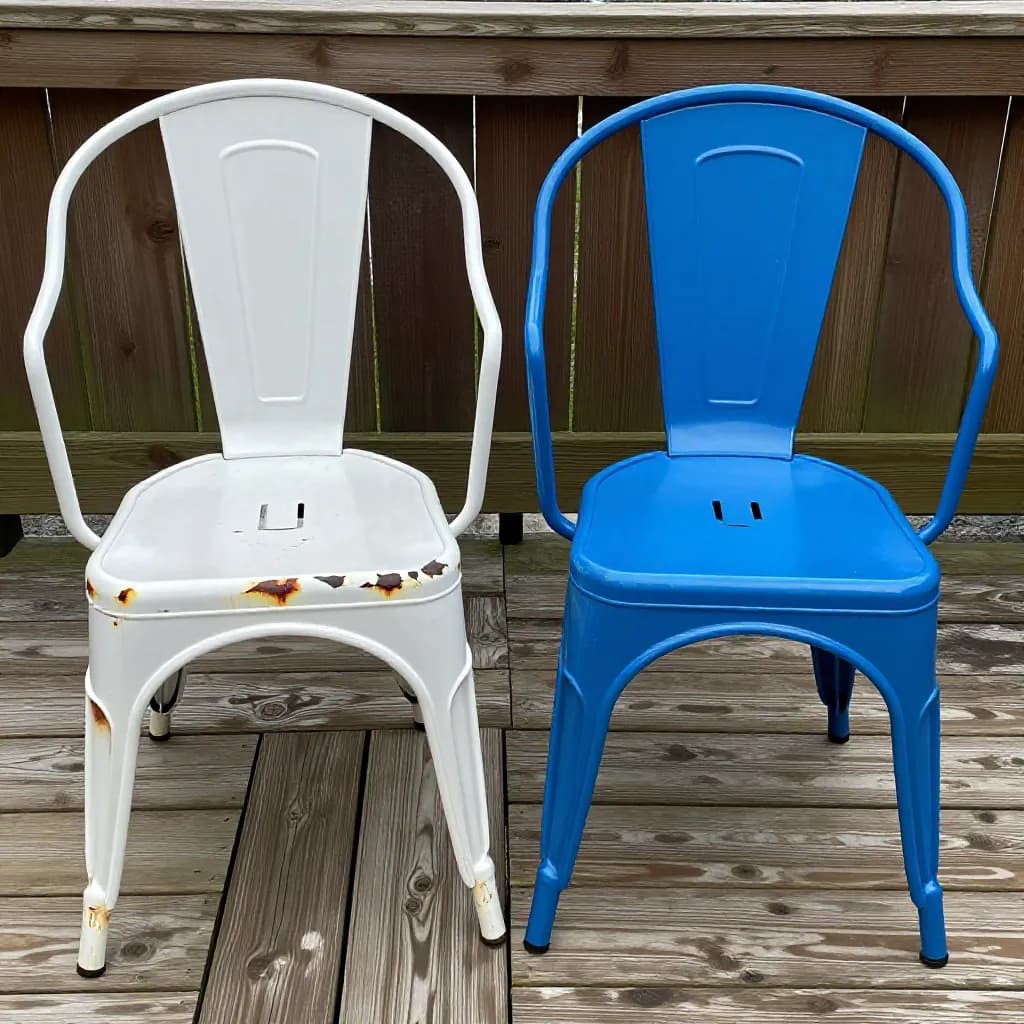
The superiority of powder coating is not a matter of opinion or marketing — it is supported by decades of comparative testing, real-world performance data, and the observable trend of manufacturers switching from liquid paint to powder coating whenever the application allows it. The global powder coating market continues to grow faster than the liquid paint market precisely because the performance advantages are compelling and well-documented.
Ready to Start Your Project?
From one-off customs to 15,000-part production runs — get precise pricing in 24 hours.
On This Page
Powder Coating Outperforms Paint Across Nearly Every Metric
That said, liquid paint retains advantages in certain specific applications. Very large structures that cannot fit in a curing oven, heat-sensitive substrates that cannot withstand cure temperatures, and applications requiring extremely thin films or field application flexibility may still favor liquid paint. Understanding both the advantages and the limitations of powder coating enables informed specification decisions.
This article provides a comprehensive, honest comparison across the key performance dimensions that matter to manufacturers, specifiers, and consumers.
Durability: Thicker, Tougher, Longer-Lasting
Durability is where powder coating's advantage over liquid paint is most dramatic and most easily demonstrated. The combination of greater film thickness, superior cross-link density, and better adhesion produces a coating that outlasts liquid paint by a significant margin in virtually every durability metric.
Film thickness is the most fundamental advantage. Standard powder coating applies at 60 to 120 microns in a single coat, compared to 25 to 40 microns for a single coat of liquid paint. Even multi-coat liquid paint systems rarely match the total film build of a single powder coat. This thicker film provides better protection against UV radiation, moisture penetration, chemical exposure, and mechanical damage.
Impact resistance testing consistently shows powder coating outperforming liquid paint by a factor of two to four. Standard powder coatings achieve 80 to 160 inch-pounds in Gardner impact testing, compared to 20 to 60 inch-pounds for most liquid paints. This translates directly to better chip resistance, dent resistance, and overall mechanical durability in real-world use.
Scratch and abrasion resistance are also superior in powder coatings due to the dense cross-linked molecular structure. The thermoset polymer network distributes mechanical forces across a larger volume of material, resisting the localized damage that causes scratching. Taber abrasion testing typically shows powder coatings losing less material per cycle than comparable liquid paint films.
Corrosion protection follows the same pattern. The thicker, denser, and better-adhered powder coating film provides a more effective barrier against moisture and oxygen, resulting in longer salt spray resistance and better real-world corrosion performance. Powder-coated steel with proper pretreatment routinely achieves 1,000 or more hours of salt spray resistance, while single-coat liquid paint systems typically achieve 200 to 500 hours.
The practical result of these durability advantages is a longer service life. Powder-coated products typically maintain their appearance and protective function for 15 to 25 years in outdoor exposure, compared to 5 to 10 years for most liquid paint systems.
Environmental Advantages: Zero VOC and Minimal Waste
The environmental comparison between powder coating and liquid paint is overwhelmingly in powder coating's favor. The differences are not marginal — they represent fundamental advantages that stem from the solvent-free nature of powder coating technology.
Zero VOC emissions is the headline environmental advantage. Liquid paints contain 30 to 60 percent organic solvents by weight, all of which evaporate as volatile organic compounds during application and drying. A medium-sized liquid paint operation can emit 20,000 to 50,000 kilograms of VOCs annually. Powder coating operations emit zero VOCs because the coating contains no solvents whatsoever.
Material efficiency is the second major environmental advantage. Powder coating reclaim systems recover and reuse overspray powder, achieving 95 to 98 percent material utilization. Liquid paint operations achieve only 30 to 70 percent transfer efficiency, with the remainder becoming waste. This means powder coating produces dramatically less waste per unit of coated product.
Waste classification differs significantly. Powder coating waste is typically classified as non-hazardous solid waste — essentially unused powder that can be disposed of through standard waste channels. Liquid paint waste, including unused paint, contaminated solvents, paint sludge, and cleaning residues, is typically classified as hazardous waste requiring specialized handling, transport, and disposal.
Water usage in the application process is zero for powder coating, which is a completely dry process. Liquid paint operations using water-wash spray booths generate contaminated wastewater that requires treatment before discharge. While both technologies require water for pretreatment, the application process itself adds no water consumption for powder coating.
Energy consumption is roughly comparable between the two technologies when all process steps are considered. While powder coating requires oven energy for curing, liquid paint operations require energy for spray booth ventilation, flash-off zones, solvent abatement equipment, and waste treatment — costs that powder coating avoids.
Efficiency: One Coat, Less Waste, Faster Throughput
Powder coating offers significant process efficiency advantages over liquid paint that translate into lower production costs and higher throughput for manufacturers.
Single-coat coverage is one of the most important efficiency advantages. Powder coating achieves its full film build and performance in a single application and cure cycle. Many liquid paint specifications require multiple coats — primer, intermediate coat, and topcoat — each requiring separate application, flash-off, and curing steps. The single-coat powder process reduces labor, equipment, floor space, and energy consumption compared to multi-coat liquid systems.
The reclaim system eliminates material waste during application. Overspray powder is captured and returned to the feed system for immediate reuse, meaning that virtually all purchased powder ends up on products. Liquid paint overspray is lost as waste, and even with high-efficiency application methods, 30 to 50 percent of the paint is wasted. This material efficiency directly reduces raw material costs.
Color change in powder coating is faster and cleaner than in liquid paint. Modern quick-color-change powder booths can switch colors in 10 to 15 minutes, compared to 30 minutes to several hours for liquid paint systems that require thorough solvent flushing of pumps, lines, and spray equipment. This faster changeover enables more flexible production scheduling and smaller batch sizes.
Cure time for powder coating is typically 10 to 20 minutes at metal temperature, after which parts are fully cured and ready for handling. Liquid paint may require extended flash-off times, multiple bake cycles for multi-coat systems, and in some cases days of ambient cure before the coating reaches full hardness. The faster cure of powder coating enables higher production throughput.
Quality consistency is inherently better with powder coating because the single-coat process eliminates inter-coat adhesion issues, solvent entrapment, and the variability associated with mixing and thinning liquid paint. The powder is supplied ready to use with consistent properties from batch to batch, reducing the process variables that can cause quality problems.
Finish Quality: Consistency, Variety, and Appearance
Powder coating delivers a finish quality that is difficult to match with liquid paint, particularly in terms of consistency, uniformity, and the range of available textures and effects.
Surface uniformity is a natural strength of powder coating. The electrostatic application process deposits powder evenly across the part surface, and the thermal flow during curing produces a smooth, uniform film without the runs, sags, and drips that can occur with liquid paint. This inherent uniformity reduces reject rates and produces a more consistent appearance across production batches.
The range of available finishes in powder coating now matches or exceeds that of liquid paint. Smooth gloss, semi-gloss, satin, and matte finishes are standard. Textured finishes including fine texture, coarse texture, wrinkle, and hammer-tone provide functional and aesthetic options. Metallic effects using aluminum, mica, and specialty pigments create eye-catching appearances. Wood-grain effects achieved through sublimation transfer technology replicate natural wood appearance on metal substrates.
Color matching capability in powder coating has advanced to the point where virtually any color reference can be matched, including RAL, Pantone, NCS, and custom samples. Digital color matching technology enables rapid and accurate color formulation, and powder manufacturers maintain extensive color libraries for quick delivery of standard colors.
Edge coverage is superior in powder coating due to the electrostatic wrap-around effect. Powder particles are attracted to edges and corners, building up coating thickness at these locations where liquid paint tends to thin. This produces a more uniform appearance and better protection at edges, which are often the most visible and most vulnerable parts of a product.
The hard, dense surface of cured powder coating resists fingerprints, staining, and dirt accumulation better than many liquid paint films. This means powder-coated products maintain their appearance with less cleaning effort, a practical advantage for consumer products, architectural components, and commercial furnishings.
Where Liquid Paint Still Has Advantages
Despite powder coating's many advantages, liquid paint retains legitimate advantages in certain applications. An honest comparison must acknowledge these situations where liquid paint is the better choice.
Heat-sensitive substrates cannot be powder coated because the curing process requires temperatures of 160 to 200 degrees Celsius. Wood, plastic, MDF, and other materials that cannot withstand these temperatures must be finished with liquid paint or other ambient-cure coatings. UV-curable powder coatings are expanding the range of heat-sensitive substrates that can be powder coated, but this technology is still limited in availability and application scope.
Very large structures that exceed the dimensions of available curing ovens cannot be powder coated in a single piece. Bridges, large structural steel assemblies, ships, and buildings must be painted with liquid coatings that cure at ambient temperature or with supplemental heating. While modular approaches can extend the size range of powder coating, there are practical limits.
Field application and repair is easier with liquid paint, which can be applied by brush, roller, or portable spray equipment without the need for electrostatic charging or oven curing. Powder coating requires specialized equipment and a curing oven, making it impractical for on-site application in most situations.
Ultra-thin films below 25 microns are more easily achieved with liquid paint than with powder coating. Applications requiring very thin coatings for dimensional reasons or weight savings may favor liquid paint, though thin-film powder coating technology is narrowing this gap.
Multi-color and artistic finishes involving blending, fading, and hand-applied effects are more easily achieved with liquid paint. While powder coating offers multi-color capabilities through masking and dual-coat techniques, the flexibility of liquid paint for custom artistic work remains superior.
Rapid prototyping and very small batch production may favor liquid paint due to lower setup costs and the ability to mix custom colors on demand. Powder coating is most economical at production volumes where the equipment investment and color inventory are justified.
Making the Right Choice for Your Application
For the vast majority of metal finishing applications, powder coating is the superior choice. Its advantages in durability, environmental performance, material efficiency, and finish quality are well-established and significant. The trend across industries continues to move from liquid paint to powder coating as manufacturers recognize these advantages and as powder coating technology continues to expand its capabilities.
Choose powder coating when the substrate can withstand cure temperatures, the parts fit in a curing oven, and the application requires durable, consistent, environmentally responsible finishing. This covers the overwhelming majority of metal finishing applications including automotive components, architectural aluminum and steel, furniture, appliances, industrial equipment, and consumer products.
Choose liquid paint when the substrate is heat-sensitive, the structure is too large for oven curing, field application is required, or the application demands ultra-thin films or artistic effects that powder coating cannot achieve. These situations represent a minority of finishing applications but are legitimate cases where liquid paint remains the appropriate technology.
For applications where both technologies could work, the decision often comes down to production volume and total cost of ownership. Powder coating has higher initial equipment costs but lower per-part costs due to material efficiency and single-coat application. At production volumes above a few hundred parts per day, powder coating typically delivers lower total cost than liquid paint.
The environmental regulatory trend also favors powder coating. As VOC emission limits continue to tighten worldwide, liquid paint operations face increasing compliance costs for emission control equipment, monitoring, and reporting. Powder coating operations are largely unaffected by VOC regulations, providing a compliance advantage that will only grow over time.
Ultimately, the question is not whether powder coating is better than paint in absolute terms — it clearly is for most applications. The question is whether your specific application falls within the majority where powder coating excels or the minority where liquid paint's unique capabilities are needed.
Frequently Asked Questions
Is powder coating really more durable than paint?
Yes, significantly. Powder coating achieves 2-4x the film thickness of liquid paint in a single coat, 2-4x the impact resistance, superior scratch and abrasion resistance, and longer corrosion protection. Powder-coated products typically last 15-25 years outdoors versus 5-10 years for liquid paint.
Why is powder coating more environmentally friendly than paint?
Powder coating produces zero VOC emissions (vs 30-60% solvent content in liquid paint), achieves 95-98% material utilization (vs 30-70% for paint), generates non-hazardous waste (vs hazardous paint waste), and uses no water or solvents in the application process.
Is powder coating more expensive than paint?
Powder coating has higher initial equipment costs but lower per-part costs due to 95-98% material efficiency, single-coat application, and reduced waste disposal costs. For production volumes above a few hundred parts per day, powder coating typically delivers lower total cost of ownership than liquid paint.
Can powder coating match any paint color?
Yes. Modern powder coating can match virtually any color reference including RAL, Pantone, NCS, and custom samples. The range of available finishes — gloss, matte, textured, metallic, wood-grain — now matches or exceeds what liquid paint offers.
When should you choose paint over powder coating?
Choose liquid paint for heat-sensitive substrates (wood, plastic), structures too large for curing ovens, field application and repair, ultra-thin films below 25 microns, and artistic multi-color effects. For most metal finishing applications, powder coating is the superior choice.
Does powder coating look better than paint?
Powder coating typically produces a more uniform finish with better edge coverage and fewer defects like runs, sags, and drips. The hard, dense surface resists fingerprints and staining better than most paint films. Both technologies can achieve excellent appearance when properly applied.
Ready to Start Your Project?
From one-off customs to 15,000-part production runs — get precise pricing in 24 hours.