Winter presents a unique combination of threats to powder coated surfaces that no other season can match. The combination of freezing temperatures, road salt, de-icing chemicals, moisture, and freeze-thaw cycling creates conditions that accelerate coating degradation and substrate corrosion far beyond what summer weather produces.
Consumer
Powder Coating Winter Preparation: Protecting Outdoor Items from Cold, Salt, and Moisture
Sundial Powder Coating·April 23, 2026·11 min
Road salt and de-icing chemicals are the primary winter threat. Sodium chloride, calcium chloride, and magnesium chloride are all highly corrosive to metal substrates, and they attack any weakness in the powder coating's protective barrier. Salt spray from passing traffic can coat surfaces hundreds of feet from the road. Salt-laden slush splashes onto railings, fences, vehicle components, and building facades at ground level.
Ready to Start Your Project?
From one-off customs to 15,000-part production runs — get precise pricing in 24 hours.
On This Page
Why Winter Is the Toughest Season for Powder Coated Surfaces
Freeze-thaw cycling compounds the damage. Water that penetrates through chips, scratches, or thin spots in the coating freezes and expands, physically forcing the coating away from the substrate. Each freeze-thaw cycle widens the damage slightly, creating larger areas of compromised coating that admit more water in the next cycle. Over a winter with dozens of freeze-thaw events, minor damage can progress to significant coating failure.
Moisture exposure is prolonged during winter months. Shorter days, lower sun angles, and cooler temperatures mean that surfaces stay wet longer after rain, snow, or condensation. Extended moisture contact gives corrosion more time to initiate and progress at any point where the coating barrier has been compromised.
Proper winter preparation addresses all of these threats through a combination of inspection, repair, cleaning, and protective measures applied before winter conditions arrive.
Pre-Winter Inspection and Repair Checklist
The most important step in winter preparation is a thorough inspection and repair of all powder coated surfaces before the first freeze. Damage that is merely cosmetic in summer becomes a corrosion entry point in winter, so addressing every chip, scratch, and defect before cold weather arrives pays significant dividends.
Begin with a systematic visual inspection of all outdoor powder coated surfaces. Check railings, fences, gates, furniture, light poles, signage, vehicle components, and any other coated items that will be exposed to winter conditions. Look specifically for chips, scratches, areas of thin coverage at edges and corners, and any signs of existing corrosion such as rust staining or blistering.
Repair all through-coating damage using appropriate touch-up methods. Clean each damage site with isopropyl alcohol, apply rust converter if any corrosion is present, and build up touch-up paint in thin layers to restore the protective barrier. Pay special attention to edges, corners, and fastener penetrations, which are the most vulnerable points for winter moisture and salt intrusion.
Check all joints, seams, and connections where water could pool or be trapped. Standing water that freezes in a joint can generate enormous pressure that damages both the coating and the underlying structure. Ensure that drainage paths are clear and that no debris is blocking water from flowing away from coated surfaces.
Inspect sealants and caulking around powder coated frames, panels, and assemblies. Deteriorated sealant allows water to penetrate behind the coating where it cannot be seen, leading to hidden corrosion that may not become apparent until significant damage has occurred. Replace any cracked, shrunk, or missing sealant before winter.
Document the inspection findings and repairs performed. This record establishes the condition of the coating entering winter and provides a baseline for comparison during the spring inspection. Photographs of repaired areas are particularly useful for tracking whether the repairs held through the winter season.
Salt Damage Prevention Strategies
Preventing salt damage is more effective and less costly than repairing it after the fact. Several strategies can significantly reduce the impact of road salt and de-icing chemicals on powder coated surfaces during winter months.
The most effective prevention strategy is physical separation from salt sources. If powder coated items can be relocated away from roads, parking lots, and areas where de-icing chemicals are applied, the salt exposure is eliminated entirely. This is practical for items like outdoor furniture, planters, and decorative fixtures that can be moved to protected locations for the winter season.
For fixed installations that cannot be moved, regular salt removal through cleaning is the primary defense. Salt deposits should be rinsed off with clean water as frequently as practical during winter. Even a quick rinse with a garden hose after a salt event removes the majority of corrosive material before it can cause damage. In areas where hose use is impractical during freezing weather, wiping surfaces with a damp cloth removes salt effectively.
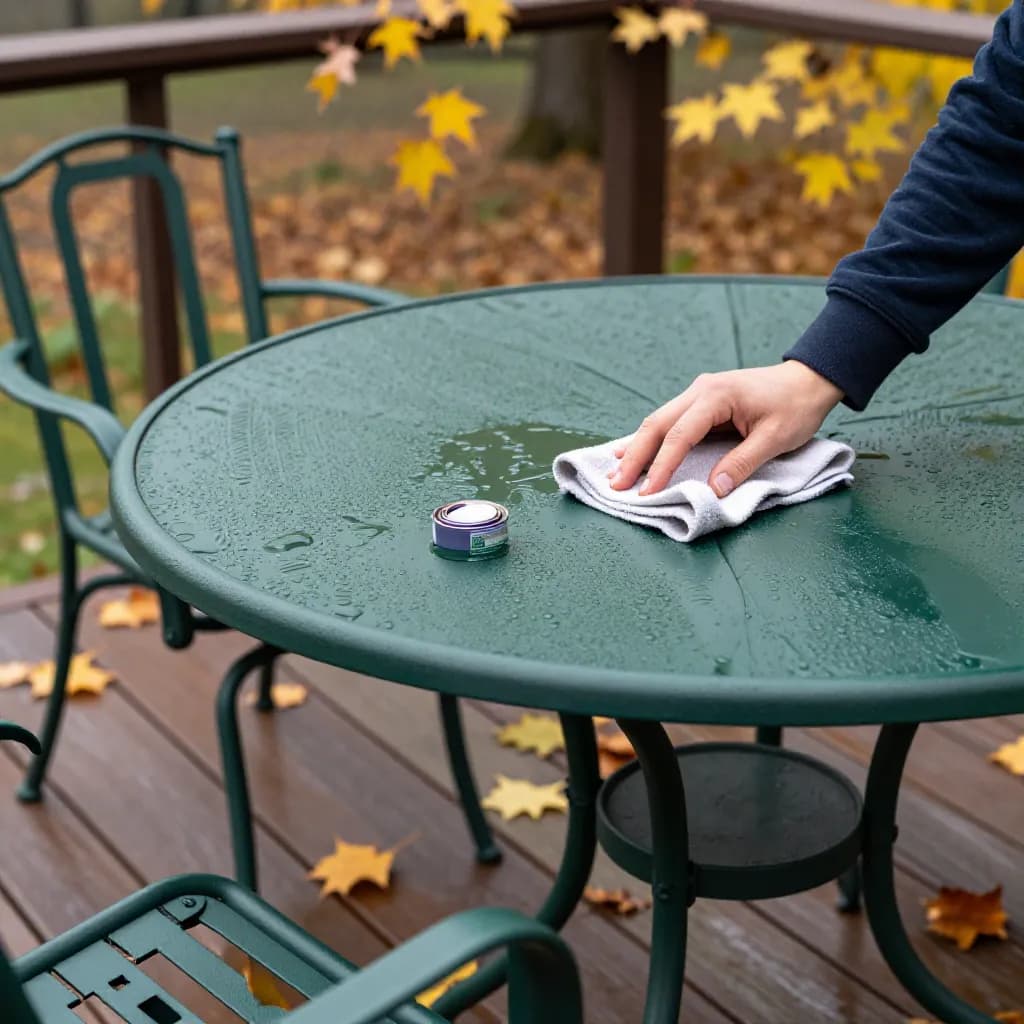
Applying a protective wax or sealant to powder coated surfaces before winter creates an additional barrier between salt and the coating. Automotive-grade carnauba wax or synthetic sealant products designed for painted surfaces work well on powder coatings. The wax layer makes it harder for salt to adhere to the surface and easier to rinse off when cleaning. Reapply wax mid-winter if the coating sees heavy salt exposure.
For ground-level surfaces near roads and walkways, consider installing splash guards, barriers, or landscaping features that deflect salt spray away from coated surfaces. A low wall, dense hedge, or gravel strip between the road and the coated surface can dramatically reduce the amount of salt that reaches the finish.
Choose de-icing products carefully for areas immediately adjacent to powder coated surfaces. Calcium magnesium acetate and potassium acetate are less corrosive alternatives to sodium chloride and calcium chloride. Sand or grit provides traction without chemical corrosion risk, though it can cause abrasion if it contacts coated surfaces directly.
Storage Tips for Removable Powder Coated Items
The simplest and most effective winter protection for removable items is proper indoor storage. Powder coated patio furniture, garden fixtures, bicycle frames, and other portable items last significantly longer when stored out of winter weather rather than left exposed to months of cold, moisture, and salt.
Before storing any powder coated item, clean it thoroughly. Remove all dirt, salt residue, bird droppings, tree sap, and other contaminants. Cleaning before storage prevents contaminants from sitting on the coating surface for months, which can cause staining and accelerate degradation even in a sheltered environment. Allow items to dry completely before placing them in storage to prevent trapped moisture from causing problems.
The ideal storage location is a dry, temperature-stable indoor space such as a garage, shed, or basement. The space does not need to be heated, but it should be protected from rain, snow, and direct contact with the ground. If items must be stored on a concrete floor, place them on wooden pallets or blocks to prevent moisture wicking from the concrete onto the coated surface.
If indoor storage is not available, outdoor storage under a breathable cover is the next best option. Use covers made from breathable fabric rather than non-porous plastic sheeting. Plastic tarps trap moisture against the surface, creating a humid microenvironment that promotes corrosion. Breathable covers shed rain and snow while allowing moisture to evaporate from the coated surface.
When stacking or nesting furniture for storage, place soft padding between contact points to prevent scratching. Felt pads, old towels, or foam sheets between stacked chairs or tables protect the coating from abrasion damage during the storage period. Avoid stacking items so heavily that the weight causes deformation or concentrated pressure on the coating.
For items that cannot be stored or covered, such as permanently installed railings and fences, the focus shifts to the inspection, repair, and salt management strategies described in the preceding sections. These items will benefit from a thorough cleaning and wax application before winter and regular salt removal throughout the season.
Protecting Powder Coated Vehicles and Automotive Parts
Powder coated automotive components face intense winter exposure from road salt, gravel, slush, and de-icing chemicals. Wheels, bumpers, brush guards, roof racks, running boards, and trailer hitches are all common powder coated parts that take a beating during winter driving.
Powder coated wheels are particularly vulnerable because they are in direct contact with road salt and brake dust throughout winter. Before winter driving begins, clean the wheels thoroughly and apply a wheel-specific sealant or wax. This protective layer makes salt and brake dust easier to remove during regular washing and reduces the time corrosive materials spend in contact with the coating.
Regular washing during winter is the single most important maintenance step for powder coated vehicle components. Wash the vehicle at least every two weeks during the salt season, paying particular attention to wheel wells, undercarriage areas, and any powder coated components near the road surface. Touchless car washes are preferable to brush washes, which can scratch the coating with embedded grit.
Inspect powder coated vehicle components for stone chip damage regularly during winter. The combination of road salt and exposed substrate at chip sites creates rapid corrosion conditions. Touch up any chips promptly with color-matched touch-up paint to restore the protective barrier before corrosion can establish itself.
For powder coated trailer hitches, tow bars, and other components that see heavy road spray exposure, consider applying a clear protective film or a heavy coat of wax before winter. These components are often close to the road surface and receive concentrated salt spray from the vehicle's own tires.
At the end of winter, perform a thorough wash and inspection of all powder coated vehicle components. Remove all accumulated salt residue, check for new damage, and touch up any chips or scratches that occurred during the winter season. This post-winter maintenance prevents winter damage from compounding through the following seasons.
Protecting Architectural and Structural Powder Coated Elements
Architectural powder coated elements such as window frames, curtain walls, cladding panels, railings, and structural steel require winter attention proportional to their exposure level. Unlike removable items, these elements must withstand winter conditions in place, making preventive maintenance and prompt response to damage essential.
Building facades and window frames in northern climates should receive a thorough cleaning before winter to remove accumulated atmospheric soiling. Contaminants trapped on the surface through winter can cause staining and accelerate degradation. A pre-winter wash with pH-neutral detergent followed by a clear water rinse prepares the surface for the months ahead.
Ground-level architectural elements are most vulnerable to salt damage from road spray, sidewalk de-icing, and snow removal operations. Railings, bollards, entrance frames, and ground-floor cladding panels within splash range of salted surfaces should be rinsed with clean water after major salt events when temperatures permit. Even occasional rinsing significantly reduces cumulative salt exposure.
Snow removal operations can damage powder coated surfaces if not performed carefully. Metal snow shovels, plows, and ice scrapers can chip and scratch coatings on railings, bollards, and ground-level panels. Use plastic shovels near coated surfaces, maintain clearance between plow blades and coated elements, and avoid using ice scrapers directly on powder coated surfaces.
Roof drainage systems should be checked to ensure that meltwater and ice dam runoff are not flowing directly over powder coated facade elements. Concentrated water flow from ice dams can carry debris and create erosion patterns on the coating surface. Icicle formation on coated surfaces can also cause mechanical damage when the ice releases.
After winter, schedule a comprehensive inspection of all architectural powder coated elements. Compare findings to the pre-winter inspection record to identify any new damage that occurred during the season. Address all damage promptly before spring and summer weather accelerates corrosion at compromised sites.
Post-Winter Assessment and Spring Maintenance
The transition from winter to spring is a critical maintenance window for powder coated surfaces. Winter damage that is identified and addressed promptly in spring is far less costly to repair than damage that is allowed to progress through another season of rain, UV exposure, and thermal cycling.
Begin the spring assessment with a thorough cleaning of all powder coated surfaces. Remove all accumulated salt residue, road grime, and winter debris. This cleaning serves a dual purpose: it removes corrosive contaminants that could continue causing damage, and it reveals the true condition of the coating surface for inspection. Damage that was hidden under dirt and salt deposits becomes visible after cleaning.
Conduct a systematic inspection following the same protocol used for the pre-winter check. Compare findings to the pre-winter documentation to identify new damage that occurred during the winter season. Pay particular attention to areas that were identified as vulnerable during the pre-winter inspection, as well as ground-level surfaces that received heavy salt exposure.
Prioritize repairs based on corrosion risk. Any damage that exposes the substrate on ferrous metals should be repaired immediately, as spring rain and humidity will accelerate corrosion at these sites. Cosmetic damage on non-ferrous substrates like aluminum is less urgent but should still be addressed to maintain appearance and prevent progressive degradation.
For items that were stored during winter, inspect them before returning them to outdoor service. Check for any damage that may have occurred during storage, such as scratches from stacking or moisture damage from inadequate ventilation. Clean stored items before placing them outdoors, and apply a fresh coat of wax or sealant for the coming season.
Update your maintenance records with the spring inspection findings and any repairs performed. This ongoing documentation builds a comprehensive history of each coated asset's condition over time, supporting informed decisions about maintenance scheduling, repair priorities, and eventual recoating timelines.
Frequently Asked Questions
Does road salt damage powder coating?
Road salt does not typically attack the powder coating itself, but it is highly corrosive to the metal substrate beneath. Salt exploits any weakness in the coating barrier such as chips, scratches, thin spots, or edge coverage gaps to reach and corrode the metal. Regular salt removal and prompt repair of coating damage are the best defenses.
Should I wax powder coated surfaces before winter?
Yes. Applying automotive-grade carnauba wax or synthetic sealant before winter creates an additional protective barrier that makes salt and contaminants easier to remove. The wax layer reduces salt adhesion and provides sacrificial protection for the coating surface. Reapply mid-winter if exposure is heavy.
Can I leave powder coated patio furniture outside in winter?
You can, but indoor storage or breathable covers significantly extend the life of the finish. If furniture must stay outdoors, clean it thoroughly before winter, repair any damage, apply wax, and rinse off salt deposits regularly. Avoid non-breathable plastic covers that trap moisture against the surface.
How often should I wash powder coated items during winter?
Rinse salt deposits off as frequently as practical. For vehicles, wash at least every two weeks during the salt season. For fixed installations near roads, rinse after major salt events when temperatures allow. Even occasional rinsing significantly reduces cumulative salt damage compared to leaving deposits in place all winter.
Does freeze-thaw cycling damage powder coating?
Freeze-thaw cycling can worsen existing damage by expanding water that has penetrated through chips or scratches. Each cycle widens the compromised area slightly. Intact powder coating with no damage points is not significantly affected by freeze-thaw cycling, which is why pre-winter repair of all damage is so important.
Ready to Start Your Project?
From one-off customs to 15,000-part production runs — get precise pricing in 24 hours.