Powder coating and spray paint both put a colored finish on a surface, but that is where the similarities end. Powder coating is a professional process where dry powder is applied electrostatically to a metal part and then cured in an oven at around 200 degrees Celsius. The heat melts the powder and chemically cross-links it into a hard, continuous film that is bonded to the metal at a molecular level.
Consumer
Powder Coating vs Spray Paint: Which Is Better for Your Project?
Sundial Powder Coating·April 20, 2026·8 min
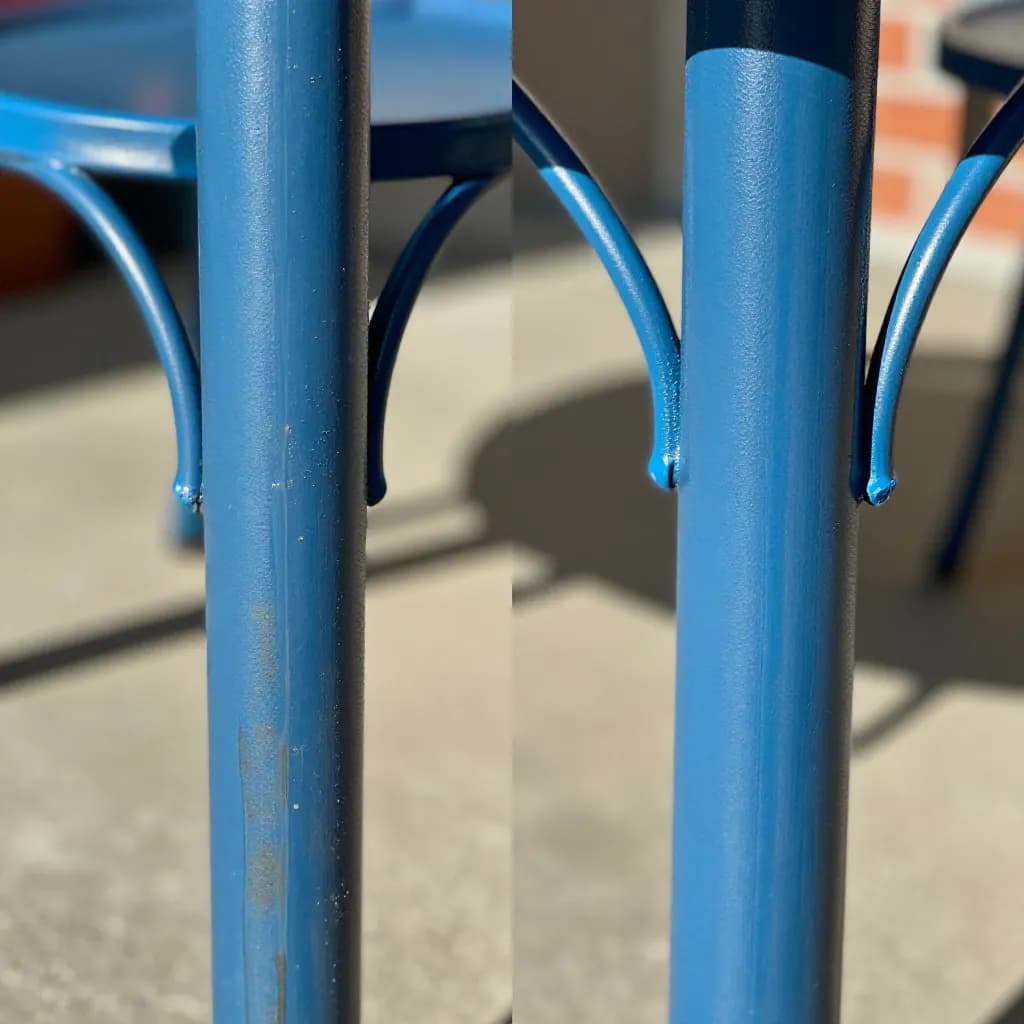
Spray paint, whether from an aerosol can or an HVLP spray gun, is a liquid coating that dries through solvent evaporation. The paint lands on the surface as a wet film, the solvents evaporate, and the remaining resins harden into a coating. Some spray paints are single-stage, while others require a separate clear coat for protection and gloss.
Ready to Start Your Project?
From one-off customs to 15,000-part production runs — get precise pricing in 24 hours.
On This Page
The Basics: Two Very Different Approaches
This fundamental difference in how the two finishes form explains most of the performance differences between them. A chemically cross-linked powder coat is inherently harder, more uniform, and more resistant to damage than a solvent-dried paint film. But spray paint has its own advantages in convenience, accessibility, and versatility that make it the right choice for certain projects.
Durability: Powder Coating Wins Decisively
In any head-to-head durability test, powder coating outperforms spray paint by a wide margin. A cured powder coat is typically 60-100 microns thick in a single application, compared to 25-50 microns for most spray paint systems. This thicker film provides a more substantial barrier against chips, scratches, UV radiation, and chemical exposure.
In practical terms, a powder-coated part will typically maintain its appearance and protection for 5-15 years depending on the application and environment. Spray paint on the same part might start showing chips, fading, or peeling within 6 months to 2 years. For outdoor items, the gap is even more dramatic because powder coating resists moisture and UV degradation far better than most consumer spray paints.
Chip resistance is where the difference is most noticeable in everyday use. Powder coating can absorb impacts that would chip spray paint right down to bare metal. This is why powder coating is the standard finish for items like wheels, bike frames, outdoor furniture, and industrial equipment that take regular physical abuse.
Appearance: Consistency and Finish Quality
Powder coating produces a remarkably smooth, even finish with no drips, runs, or brush marks. Because the powder is applied electrostatically and then flows together during curing, the result is a uniform film thickness and consistent color across the entire part. This is difficult to achieve with spray paint, especially on complex shapes where runs and thin spots are common.
The range of available finishes is broader with powder coating as well. Beyond standard gloss and matte, powder coatings are available in textured, wrinkle, hammered, metallic, candy, and even wood-grain effects. Many of these specialty finishes are simply not available in spray paint form, or the spray paint versions do not match the quality and durability of their powder equivalents.
That said, spray paint does offer some appearance advantages in specific situations. Very deep metallic flake finishes, complex multi-layer candy coats, and certain automotive-grade clear coats can be easier to achieve with liquid paint. For show-car-level custom paint work, liquid paint applied by a skilled painter still has an edge in certain specialty finishes.
Cost: Short-Term vs Long-Term Value
Spray paint is cheaper upfront, and it is not even close. A can of quality spray paint costs $5-15, and you can coat a small project in your driveway in an afternoon. Professional powder coating for the same part might cost $50-150 depending on size and the shop's pricing. For a one-time, low-stakes project, spray paint is the obvious budget choice.
But the long-term math tells a different story. If you spray paint a set of patio chairs, you will likely need to redo them every one to two years as the paint chips and fades. Over ten years, that is five to ten rounds of sanding, priming, and painting. Powder coating the same chairs once will last the entire decade. When you factor in the time, materials, and effort of repeated repainting, powder coating is often cheaper over the life of the item.
For items you plan to keep for years, items that take physical abuse, or items that live outdoors, powder coating is almost always the better investment. For temporary projects, items you might replace soon, or situations where you just need a quick cosmetic fix, spray paint makes more financial sense.
When Spray Paint Makes Sense
Spray paint is the right choice for quick touch-ups and small repairs. If you have a scratch on a powder-coated part, a color-matched spray paint touch-up is the practical fix. Stripping and recoating an entire part for a small blemish is overkill in most situations.
Non-metal surfaces are another area where spray paint wins by default. Powder coating requires a metal substrate that can be electrically grounded and withstand oven curing temperatures. Wood, plastic, fiberglass, and composite materials cannot be powder coated. If your project involves these materials, spray paint or brush-on paint is your only option.
Very small items where the cost of professional powder coating does not make sense are also good candidates for spray paint. A single small bracket, a decorative knob, or a picture frame hook is not worth a trip to the powder coater. For items like these, a quality spray paint applied over proper primer will do the job adequately.
When Powder Coating Is Worth It
Any metal item you want to last should be powder coated. Wheels, bike frames, motorcycle parts, outdoor furniture, gates, fences, railings, and automotive components all benefit enormously from the superior durability of powder coating. If the item will be exposed to weather, chemicals, physical impact, or heavy use, powder coating is the clear winner.
High-wear items are another strong case for powder coating. Tool boxes, equipment enclosures, gym equipment, and industrial parts take constant abuse that would destroy spray paint in short order. The hardness and chip resistance of powder coating make it the standard finish for anything that needs to look good while being used hard.
When appearance matters and you want a professional, factory-quality finish, powder coating delivers. The smooth, consistent coverage and wide range of colors and finishes available make it the preferred choice for custom automotive projects, furniture restoration, and any application where the finish is a key part of the visual appeal. The investment in powder coating pays off every time you look at the finished result.
Frequently Asked Questions
Can I spray paint over powder coating?
Yes, you can apply spray paint over a powder-coated surface for touch-ups or color changes. Lightly sand the powder coat with 320-400 grit sandpaper to create adhesion, clean the surface, and apply the spray paint with a primer if recommended. The spray paint will not be as durable as the original powder coat but works well for small repairs.
Is powder coating more environmentally friendly than spray paint?
Yes. Powder coating produces zero volatile organic compound emissions because it contains no solvents. Overspray powder is collected and reused, achieving 95-98 percent material efficiency. Spray paint releases solvents into the air during application and drying, and overspray is wasted. For environmental impact, powder coating is the clear winner.
Can I powder coat something that was previously spray painted?
Yes, but the old spray paint must be completely removed first. Powder coating will not adhere properly over old paint, and any remaining paint will outgas during curing, causing bubbles and defects. The powder coating shop will strip the old finish as part of their standard preparation process.
How do I decide between powder coating and spray paint for my project?
Ask yourself three questions: Is the item metal? Will it be used outdoors or take physical abuse? Do I want the finish to last more than a couple of years? If you answered yes to all three, powder coating is the better choice. If the item is non-metal, temporary, or very small, spray paint is more practical.
Ready to Start Your Project?
From one-off customs to 15,000-part production runs — get precise pricing in 24 hours.