Plating is an electrochemical process that deposits a thin layer of metal onto a substrate. The part to be plated is submerged in a chemical bath containing dissolved metal ions, and an electrical current causes those ions to bond to the surface atom by atom. The result is a metallic layer that becomes part of the surface rather than sitting on top of it like paint or powder.
Consumer
Powder Coating vs Chrome and Zinc Plating: Which Finish Is Right?
Sundial Powder Coating·April 20, 2026·9 min
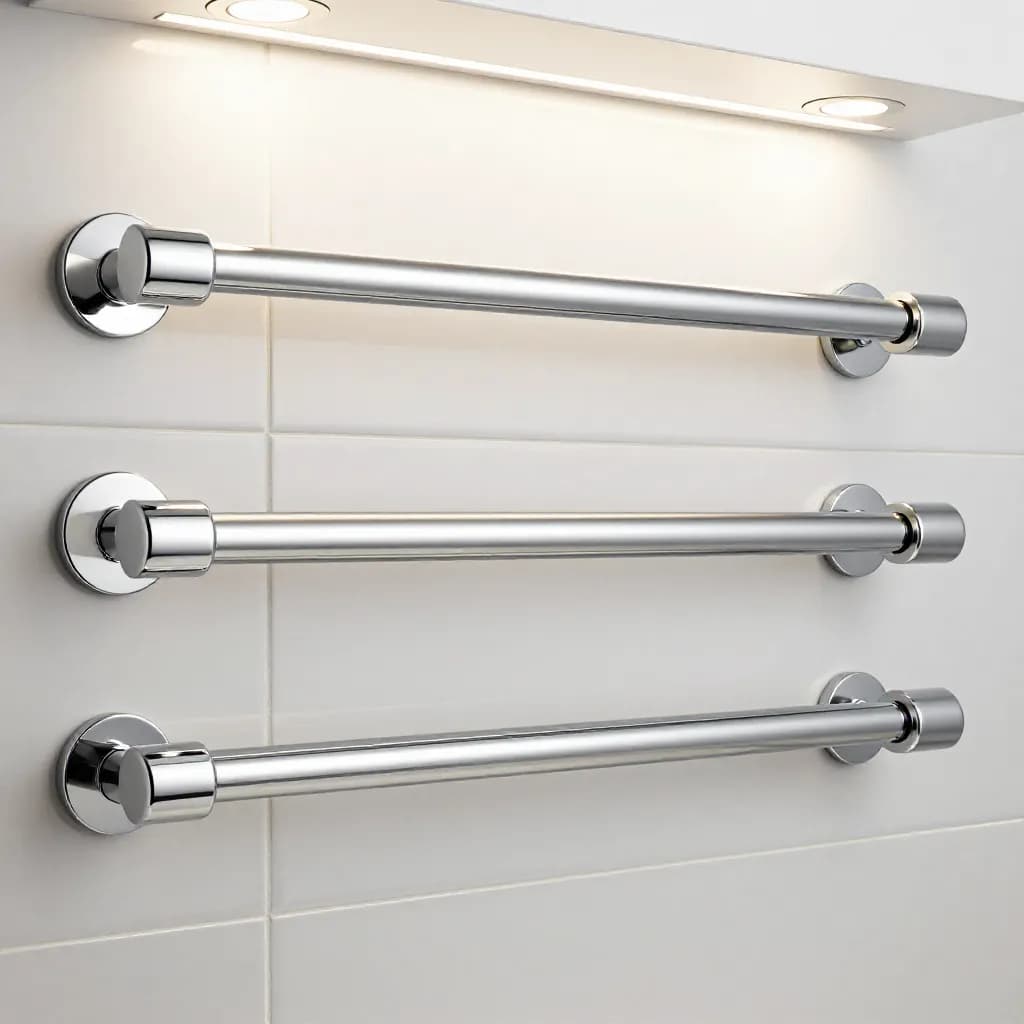
Chrome plating and zinc plating are the two most common types, but they serve very different purposes. Chrome plating is primarily decorative, producing the brilliant mirror-like shine seen on classic car bumpers, motorcycle parts, and high-end fixtures. It is applied in extremely thin layers, typically just 0.25 to 0.5 microns for decorative chrome, over an underlying layer of nickel that provides the actual corrosion resistance.
Ready to Start Your Project?
From one-off customs to 15,000-part production runs — get precise pricing in 24 hours.
On This Page
What Is Plating?
Zinc plating, by contrast, is almost entirely functional. It produces a dull grey or slightly bluish finish that is rarely chosen for its appearance. Its value lies in sacrificial corrosion protection: zinc corrodes preferentially before the underlying steel, actively protecting the base metal even if the coating is scratched or damaged. This makes zinc plating the standard choice for fasteners, brackets, and structural components where corrosion resistance matters more than looks.
How Powder Coating Differs from Plating
Powder coating applies an organic polymer film rather than a metallic layer. Dry powder particles are electrostatically charged and sprayed onto a grounded metal part, then cured in an oven at around 200°C. The heat melts the powder into a continuous film that chemically cross-links into a hard, durable coating. The result is a thick protective barrier, typically 60 to 120 microns, that is fundamentally different in composition from a plated finish.
Because powder coating is a polymer rather than a metal, it offers different strengths. It is flexible enough to absorb impacts without cracking, resistant to a wide range of chemicals, and available in virtually any color, texture, or gloss level. Plating, on the other hand, produces a metallic surface that can be polished to a mirror finish but is limited in color options and tends to be more brittle.
The application processes also differ significantly. Plating requires immersion in chemical baths with precise temperature and chemistry control, and the process generates hazardous waste that must be carefully managed. Powder coating is a dry process with no solvents, no liquid waste, and minimal environmental impact. This makes powder coating more accessible for a wider range of shops and applications.
Appearance Comparison
Chrome plating delivers a mirror-bright, reflective finish that no other coating process can truly replicate. The depth and brilliance of a well-polished chrome surface is unmistakable, which is why it remains the standard for show vehicles, luxury fixtures, and decorative hardware. However, chrome is essentially limited to one look: bright, reflective silver.
Zinc plating produces a utilitarian finish that ranges from dull grey to a slightly iridescent blue or yellow, depending on the passivation treatment applied after plating. It is not chosen for aesthetics and is typically hidden from view on structural components, fasteners, and internal parts. Some passivation treatments can produce a black zinc finish, but it lacks the depth and richness of other black coatings.
Powder coating offers the widest range of aesthetic options by far. Any color in the RAL spectrum, custom metallics, textured finishes, matte, satin, high gloss, wrinkle, and even multi-tone effects are all achievable. While powder coating cannot perfectly replicate the mirror shine of chrome, chrome-effect powders and high-gloss silver metallics can get surprisingly close for applications where exact chrome appearance is not critical.
Durability and Protection Comparison
Zinc plating excels at corrosion protection through a unique mechanism called sacrificial protection. Because zinc is more electrochemically active than steel, it corrodes first, effectively shielding the base metal even at scratches and cut edges. This makes zinc plating exceptionally effective for parts that will be scratched, drilled, or cut after coating. However, the zinc layer itself is thin and soft, offering minimal resistance to abrasion or impact.
Chrome plating is extremely hard, ranking around 68-72 on the Rockwell C scale for hard chrome applications. This hardness provides excellent wear resistance, which is why chrome is used on hydraulic cylinders, piston rings, and industrial rollers. However, decorative chrome is much thinner and more brittle. It can crack under impact, and once cracked, moisture reaches the nickel and steel beneath, causing corrosion that bubbles and flakes the chrome from underneath.
Powder coating sits between the two in hardness but offers superior flexibility and impact resistance. Its thick film absorbs impacts that would crack chrome, and it provides excellent barrier protection against moisture, chemicals, and UV radiation. While powder coating does not offer the sacrificial protection of zinc, its continuous film is highly effective at preventing corrosion as long as it remains intact. For most consumer and industrial applications, powder coating provides the best overall balance of protection.
When to Choose Each Finish
Choose chrome plating when appearance is the top priority and the part will not be subjected to heavy impacts. Classic car restoration, motorcycle accents, bathroom fixtures, and decorative hardware are all ideal applications for chrome. The mirror finish is unmatched, and in controlled environments, chrome maintains its brilliance for decades with minimal maintenance.
Choose zinc plating when corrosion protection is the primary concern and appearance is secondary. Fasteners, brackets, structural steel components, and any parts that will be hidden from view benefit from zinc's sacrificial protection. Zinc is also the right choice for parts that will be further processed after coating, since its sacrificial nature protects cut edges and drilled holes without additional treatment.
Choose powder coating when you need a combination of color, protection, and versatility. Powder coating is the best all-around finish for automotive parts, outdoor furniture, architectural metalwork, industrial equipment, and any application where you want both durability and aesthetic choice. It handles UV exposure, chemical contact, and mechanical wear better than decorative chrome, and it offers the color and texture options that plating simply cannot provide.
Frequently Asked Questions
Can you powder coat over chrome plating?
No. Chrome is extremely smooth and powder coating will not adhere to it properly. The chrome must be completely stripped back to bare metal before powder coating can be applied. Attempting to coat over chrome will result in poor adhesion and eventual peeling.
Is zinc plating or powder coating better for outdoor steel?
For maximum protection, many professionals use both. Zinc plating provides sacrificial corrosion protection at the metal surface, while a powder coat over the top adds a thick barrier layer and color. This duplex system is common on outdoor structural steel, fencing, and highway infrastructure.
Does chrome plating last longer than powder coating?
It depends on the environment. In a controlled indoor setting, chrome can maintain its appearance for decades. Outdoors or in harsh conditions, chrome is prone to pitting and flaking once moisture penetrates cracks in the thin layer. Powder coating generally performs better in demanding outdoor and industrial environments.
Can powder coating look like chrome?
Powder coating cannot perfectly replicate the mirror-bright finish of real chrome plating. However, high-gloss silver and chrome-effect powder coatings have improved significantly and can produce a bright metallic finish that works well for many applications where an exact chrome match is not required.
Ready to Start Your Project?
From one-off customs to 15,000-part production runs — get precise pricing in 24 hours.