When a metal chair, table, bed frame, or patio set needs a new finish, you face a fundamental choice: paint it yourself or have it professionally powder coated. Both approaches can transform tired, chipped, or rusted metal furniture into something that looks new, but the results, durability, cost, and effort involved are dramatically different.
Consumer
Powder Coating vs Painting Metal Furniture: Durability, Color, DIY vs Professional
Sundial Powder Coating·April 22, 2026·11 min
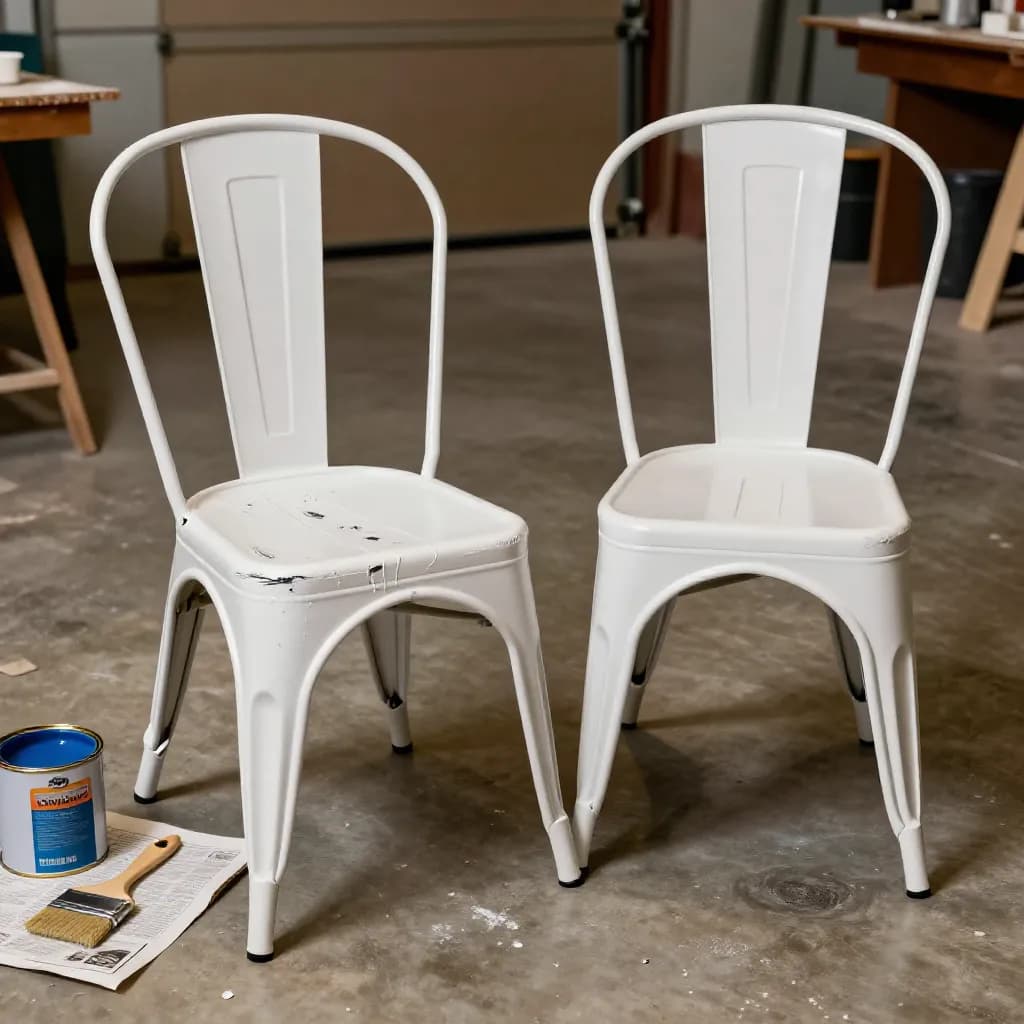
This is not a close comparison. Powder coating is objectively superior to paint in almost every measurable performance category — hardness, chip resistance, fade resistance, chemical resistance, and longevity. A powder-coated finish will outlast a painted finish by a factor of three to five times under the same conditions. The trade-off is that powder coating requires professional equipment and cannot be done at home with consumer tools, while painting is accessible to anyone with a spray can and a weekend.
Ready to Start Your Project?
From one-off customs to 15,000-part production runs — get precise pricing in 24 hours.
On This Page
The Metal Furniture Refinishing Decision
The right choice depends on your priorities. If you want the longest-lasting, most durable finish possible and are willing to pay for professional service, powder coating is the clear winner. If you need a quick, inexpensive refresh and accept that you will need to redo it in a few years, painting is a practical option. If the furniture has sentimental or monetary value that justifies a premium finish, powder coating protects that investment. If it is a budget patio chair that you would replace before repainting, spray paint makes more sense.
This article provides an honest, detailed comparison to help you make the right decision for your specific furniture and situation.
Durability: The Defining Difference
Durability is where powder coating and paint diverge most dramatically, and it is the primary reason to choose powder coating for furniture that matters to you.
Powder coating achieves a film thickness of 60-120 microns in a single application — two to four times thicker than spray paint. This thicker film provides a more robust physical barrier against impacts, scratches, moisture, and UV radiation. The cross-linked polymer structure of cured powder coating is harder and more chemically resistant than the linear polymer structure of most spray paints, further enhancing its resistance to damage.
In practical terms, a powder-coated metal chair can be dragged across a patio, bumped against walls, left in rain and sun, and cleaned with household products for 10-15 years before the finish shows significant wear. The same chair spray painted would begin showing chips and scratches within months of regular use, with visible rust developing at damage sites within the first year of outdoor exposure.
Chip resistance is particularly important for furniture. Chairs get knocked together, table legs hit door frames, and outdoor furniture endures impacts from wind, hail, and general use. Powder coating's combination of hardness and flexibility allows it to absorb these impacts without chipping, while paint — particularly spray paint — chips readily from even minor impacts.
Fade resistance matters for outdoor furniture. UV radiation from sunlight breaks down the pigments and resins in coatings, causing color fading and gloss loss. Powder coating's thicker film and UV-stabilized polyester formulations resist fading far longer than spray paint, which can noticeably fade within a single summer of outdoor exposure. Super-durable polyester powder coatings maintain their color for 15-20 years in direct sunlight.
Corrosion protection is the ultimate measure of a coating's ability to protect metal furniture. Powder coating's thick, continuous, well-adhered film prevents moisture from reaching the metal substrate, keeping rust at bay for the life of the coating. Spray paint's thinner film, combined with its tendency to chip, allows moisture to reach the metal much sooner, initiating corrosion that spreads under the paint and accelerates its failure.
Color Options and Finish Quality
Both powder coating and paint offer wide color ranges, but the quality of the finished surface differs significantly.
Powder coating provides a smooth, uniform finish with consistent color and gloss across the entire surface. The electrostatic application process deposits powder evenly, and the oven cure melts and flows the powder into a seamless film. The result is a factory-quality finish with no brush marks, drips, runs, or uneven coverage. For furniture, this means every surface — legs, frames, seats, backs, and undersides — has the same consistent appearance.
Spray paint can achieve a reasonable finish with careful technique, but it is much more difficult to get a truly uniform result. Runs and drips are common, especially on vertical surfaces and complex shapes. Coverage can be uneven, with thin spots on edges and heavy spots in recesses. Multiple coats are needed to build adequate thickness, and each coat introduces the risk of dust contamination, orange peel, and inter-coat adhesion issues.
The color range for powder coating is vast — thousands of standard RAL colors plus custom matching to any reference. Finishes include high gloss, satin, matte, textured, metallic, and specialty effects. The color and finish are consistent from part to part and batch to batch because the powder is manufactured to precise specifications.
Spray paint color range is also broad, with most common colors available at hardware stores. However, the color accuracy and consistency of spray paint is lower than powder coating. Colors can vary between cans, and the final appearance depends heavily on application technique, number of coats, and environmental conditions during application. Specialty finishes like metallic and textured effects are available in spray paint but generally do not match the quality of their powder coating equivalents.
For furniture where appearance matters — dining sets, living room pieces, and visible outdoor furniture — the finish quality advantage of powder coating is significant and immediately apparent. For utility items where appearance is secondary — workshop shelving, garage storage, and similar — the finish quality difference may not justify the cost premium.
The DIY Painting Process
Painting metal furniture yourself is a straightforward process that most homeowners can accomplish with basic tools and materials. Understanding the proper technique helps achieve the best possible result from a DIY approach.
Surface preparation is the most important step and the one most DIY painters shortchange. Remove all loose paint, rust, and contamination from the metal surface. For lightly rusted furniture, a wire brush or sandpaper (80-120 grit) removes surface rust. For heavily rusted pieces, a chemical rust remover or converter simplifies the process. After rust removal, sand the entire surface with 180-220 grit sandpaper to create a profile for paint adhesion, then wipe clean with a tack cloth or degreaser.
Primer application is essential for durability. A rust-inhibiting metal primer — available in spray cans — provides adhesion to the metal surface and corrosion protection that the topcoat alone cannot deliver. Apply primer in thin, even coats, allowing each coat to dry before applying the next. Two coats of primer provide better protection than one.
Topcoat application requires patience and technique. Hold the spray can 20-30 centimeters from the surface and apply thin, overlapping passes. Multiple thin coats produce a better result than one heavy coat. Allow each coat to dry according to the product instructions before applying the next. Three to four thin topcoats provide the best combination of coverage and finish quality.
Drying and curing take longer than most people expect. While spray paint may feel dry to the touch within an hour, it takes 24-48 hours to cure enough for light handling and 5-7 days to reach full hardness. Using the furniture before the paint has fully cured will result in fingerprints, scuffs, and damage to the soft paint film.
The total time investment for a DIY furniture painting project is typically 2-3 days of active work spread over a week of drying time. The material cost is modest — primer, paint, sandpaper, and supplies — but the labor investment is significant, particularly for large or complex pieces with many surfaces to cover.
The Professional Powder Coating Process
Having furniture professionally powder coated involves a different workflow than DIY painting, with the trade-off of higher cost for dramatically better results.
The process begins with delivering the furniture to the coating shop. Disassemble the piece as much as practical, removing any non-metal components — wood seats, fabric cushions, plastic feet, rubber bumpers, and glass surfaces. The more disassembly you do, the less the shop charges for preparation. Label all parts and hardware for reassembly.
The coating shop handles all surface preparation professionally. They will strip any existing paint or coating using chemical stripping or media blasting, blast the bare metal to create an optimal surface profile, and apply chemical pretreatment for adhesion and corrosion protection. This professional preparation is far more thorough than what is practical in a DIY setting and is a major reason why powder coating adheres better and lasts longer than DIY paint.
Powder application and curing happen in the shop's controlled environment. The furniture is hung on the coating line, powder is applied electrostatically, and the piece enters the curing oven at 180-200 degrees Celsius for 15-20 minutes. The entire coating and curing process takes about an hour, though the shop turnaround including queue time is typically 3-7 business days.
After curing and cooling, the furniture is inspected for quality, packaged for transport, and ready for pickup. The finish is fully cured and ready for immediate use — there is no waiting period for the coating to harden, unlike paint that needs days to reach full cure.
The consumer's involvement is limited to delivery, color selection, and pickup. The professional handles all the skilled work — preparation, application, and curing — using equipment and materials that produce results unachievable with consumer tools. For consumers who value their time, the convenience of dropping off furniture and picking up a finished product is a significant advantage over the multi-day DIY painting process.
Cost Comparison: Short-Term and Long-Term
The cost comparison between painting and powder coating depends on whether you consider only the immediate cost or the total cost over the furniture's lifetime.
DIY spray painting is the least expensive option in immediate out-of-pocket cost. Materials for a typical furniture piece — primer, paint, sandpaper, and supplies — are modest. However, this does not account for the value of your time. A furniture painting project typically requires 6-10 hours of active labor over several days. If you value your time, the effective cost of DIY painting increases substantially.
Professional powder coating costs more upfront. The exact cost depends on the size and complexity of the furniture, the amount of preparation needed, and the coating shop's pricing. A set of four patio chairs might cost several times more to powder coat than to spray paint yourself. However, this is a one-time cost for a finish that will last 10-15 years.
The long-term cost comparison favors powder coating. If spray paint lasts 2-3 years before needing to be redone, and powder coating lasts 10-15 years, you would need to repaint the furniture 4-5 times to match the lifespan of a single powder coating application. The cumulative cost of materials and labor for repeated repainting often exceeds the one-time cost of powder coating, even before accounting for the time and inconvenience of repeated refinishing projects.
For outdoor furniture that is exposed to weather year-round, the cost advantage of powder coating is even more pronounced. Outdoor spray paint may need refreshing annually in harsh climates, while powder coating maintains its appearance through years of weather exposure without intervention.
The break-even calculation is straightforward: if you plan to keep the furniture for more than 3-5 years and it will be used regularly, powder coating is likely the more economical choice over the furniture's lifetime. If the furniture is temporary, low-value, or will be replaced soon regardless of finish condition, spray painting is the more practical option.
Making the Right Choice for Your Furniture
The decision between powder coating and painting should be based on a realistic assessment of the furniture's value, intended use, and your priorities.
Choose powder coating when the furniture has significant value — either monetary or sentimental — that justifies a premium finish. Quality metal furniture, vintage pieces, designer items, and heirloom pieces deserve the protection and finish quality that powder coating provides. The investment in powder coating preserves and enhances the furniture's value.
Choose powder coating for outdoor furniture that will be exposed to weather year-round. The durability advantage of powder coating is most pronounced in outdoor environments where rain, sun, temperature cycling, and physical impacts constantly challenge the finish. Powder coating's superior weather resistance means your outdoor furniture looks good season after season without annual refinishing.
Choose powder coating when you want a specific color or finish that must look professional. If the furniture will be in a visible location — a dining room, living room, or front porch — the factory-quality finish of powder coating makes a noticeable difference in the overall appearance of the space.
Choose painting when the furniture is low-value and you would replace it before investing in professional finishing. Budget patio furniture, temporary furnishings, and utility items do not warrant the cost of powder coating. A quick spray paint refresh extends their useful life at minimal cost.
Choose painting when you enjoy DIY projects and the process itself is part of the appeal. Some people find furniture refinishing satisfying and therapeutic. If the project is as much about the experience as the result, DIY painting delivers that satisfaction in a way that dropping furniture at a coating shop does not.
Choose painting when you need a quick turnaround. If you need the furniture ready for an event this weekend, DIY painting can be completed in a day or two. Powder coating requires shop turnaround time of 3-7 business days minimum, which may not fit urgent timelines.
For many consumers, the best approach is a combination: powder coat the furniture that matters most and paint the pieces where cost and convenience take priority. This pragmatic approach allocates your finishing budget where it delivers the most value.
Frequently Asked Questions
How much longer does powder coating last than paint on furniture?
Powder coating typically lasts 10-15 years on metal furniture, while spray paint lasts 2-3 years under similar conditions. This three-to-five-times durability advantage means powder coating eliminates the need for repeated refinishing, making it more economical over the furniture's lifetime despite the higher initial cost.
Can I powder coat metal furniture myself at home?
Basic DIY powder coating is possible with a home setup including a powder gun, small oven, and compressor. However, the results are limited by oven size, lack of professional pretreatment, and equipment quality. For furniture-sized items, professional powder coating delivers significantly better results and is recommended for anything beyond small parts.
Is powder coating worth the extra cost for patio furniture?
Yes, especially for quality furniture you plan to keep for several years. Outdoor furniture faces constant weather exposure that degrades spray paint within one to two seasons. Powder coating withstands years of outdoor exposure without chipping, fading, or rusting. The one-time cost of powder coating is typically less than the cumulative cost of repainting every few years.
What is the best spray paint for metal furniture if I choose to paint?
Use a rust-inhibiting metal primer followed by a high-quality enamel spray paint designed for metal surfaces. Apply multiple thin coats rather than one heavy coat. Allow full curing time of 5-7 days before regular use. Rust-Oleum, Krylon, and similar brands offer metal-specific products that provide the best DIY results.
Can powder coating match any color I want for furniture?
Yes. Powder coating is available in thousands of standard colors across the RAL system and manufacturer collections, plus custom color matching to any physical sample. Finishes include gloss, matte, satin, textured, and metallic options. The color range and finish quality of powder coating exceed what is available in consumer spray paint.
Ready to Start Your Project?
From one-off customs to 15,000-part production runs — get precise pricing in 24 hours.