Tree sap is a sticky, resinous substance that bonds tenaciously to powder coated surfaces and can cause permanent damage if not removed properly. Understanding how sap interacts with powder coatings helps explain why prompt, careful removal is important and why aggressive methods should be avoided.
Consumer
Tree Sap Removal from Powder Coated Surfaces: Safe Methods for Automotive and Architectural Finishes
Sundial Powder Coating·April 23, 2026·10 min
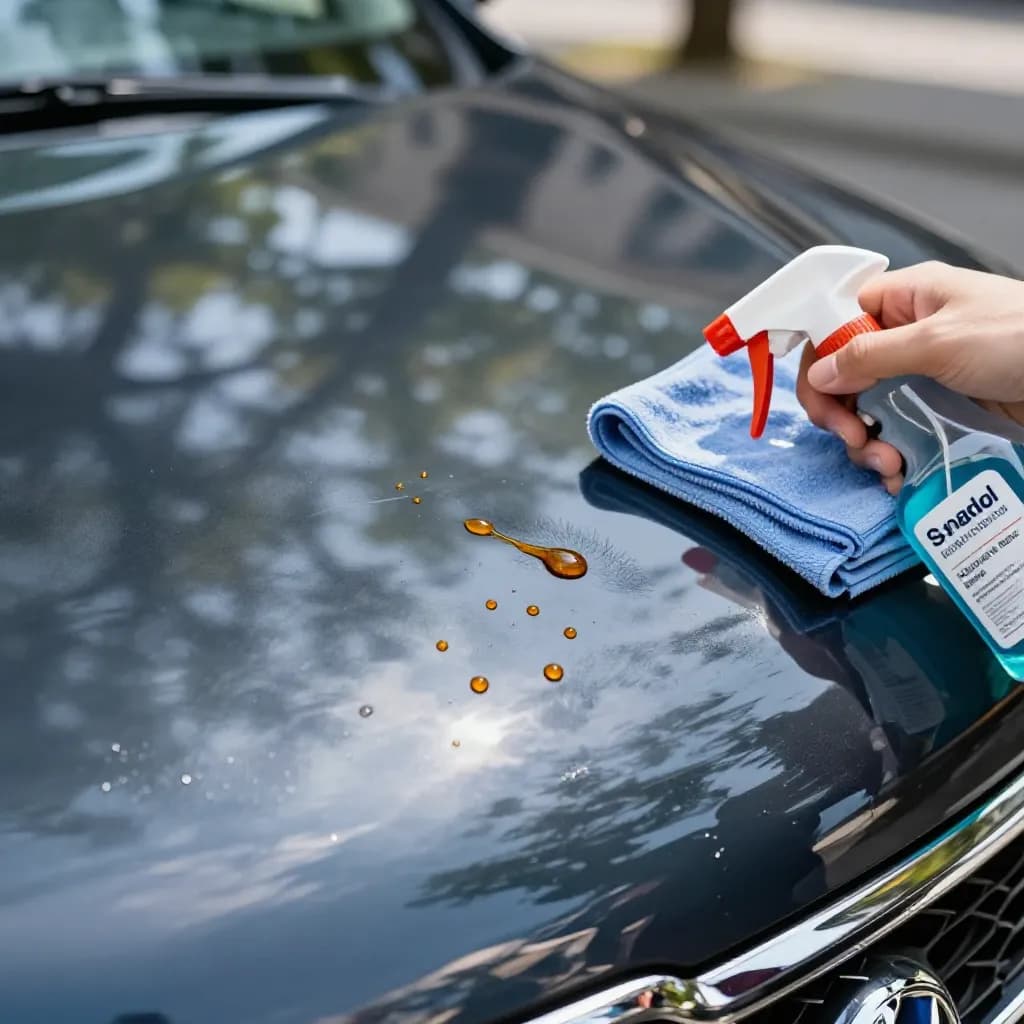
Fresh tree sap is a viscous liquid that flows onto the coating surface and begins to harden as its volatile components evaporate. During this initial phase, the sap is relatively easy to remove because it has not yet formed a strong bond with the coating. However, as it dries and hardens over hours to days, the sap becomes increasingly difficult to remove and its potential for damage increases.
Ready to Start Your Project?
From one-off customs to 15,000-part production runs — get precise pricing in 24 hours.
On This Page
How Tree Sap Damages Powder Coated Surfaces
The primary damage mechanism is chemical. Tree sap contains organic acids and terpenes that can react with the polymer surface of the powder coating, causing softening, discoloration, and etching. On hot surfaces in direct sunlight, these reactions accelerate significantly. The heat also causes the sap to become more fluid initially, allowing it to spread and penetrate into the coating's surface texture before hardening.
Mechanical damage occurs when hardened sap is scraped or pulled off the surface. Dried sap bonds strongly enough to pull coating material away with it, creating chips and bare spots. Even if the coating is not pulled away, scraping hardened sap drags abrasive particles across the surface, leaving scratches.
The combination of chemical and mechanical damage makes tree sap a dual threat. The chemical component attacks the coating's surface integrity, while the mechanical component creates physical defects. Both types of damage are permanent and cannot be reversed by cleaning alone. Prevention and prompt, gentle removal are the only effective strategies.
Safe Removal Methods for Fresh Tree Sap
Fresh tree sap that is still soft or tacky is the easiest to remove and the least likely to cause damage. If you catch sap deposits within the first few hours, removal is straightforward and the risk to the coating is minimal.
Isopropyl alcohol is the safest and most effective solvent for fresh tree sap on powder coated surfaces. Dampen a soft microfiber cloth with isopropyl alcohol and place it over the sap deposit. Allow the alcohol to dissolve the sap for 30 to 60 seconds, then gently wipe away. The sap should lift off easily without scrubbing. If any residue remains, repeat the process with a fresh section of cloth.
Mineral spirits are an alternative solvent that works well on fresh sap. Apply to a cloth rather than directly to the surface, and work on one deposit at a time. Mineral spirits evaporate more slowly than isopropyl alcohol, which gives them more time to dissolve the sap but also means they remain in contact with the coating longer. Rinse the area with soapy water after using mineral spirits to remove any residue.
Warm soapy water alone can remove very fresh sap that has not yet begun to harden. Add a few drops of dish soap to warm water, soak a cloth, and place it over the sap for several minutes. The warmth and surfactant action of the soap help dissolve the sap's bond with the surface. This is the gentlest method and should be tried first before resorting to solvents.
Commercial bug and tar removers designed for automotive use are generally safe for powder coated surfaces and effective on fresh tree sap. These products are formulated to dissolve organic deposits without damaging paint or clear coat finishes. Follow the product instructions and test on an inconspicuous area first.
After removing fresh sap, wash the entire area with pH-neutral detergent and water to remove any solvent or sap residue. Dry with a clean cloth and inspect for any marks or discoloration. Fresh sap removed promptly rarely leaves any visible trace on the coating.
Removing Hardened and Aged Tree Sap
Hardened tree sap that has been on the surface for days or weeks requires more patience and care than fresh sap. The key principle remains the same: dissolve the sap chemically rather than removing it mechanically. Never scrape, chip, or peel hardened sap from a powder coated surface.
Begin by softening the hardened sap with a solvent-soaked cloth. Saturate a microfiber cloth with isopropyl alcohol and place it directly over the sap deposit. Cover the cloth with plastic wrap to prevent the alcohol from evaporating, and leave it in place for 10 to 15 minutes. This extended contact time allows the alcohol to penetrate and dissolve the hardened sap from the outside in.
After soaking, check whether the sap has softened by gently pressing the cloth against it. If the sap yields to light pressure, begin wiping it away with gentle, lifting motions rather than scrubbing. Work from the edges of the deposit toward the center. If the sap is still hard, reapply fresh solvent and soak for another 10 to 15 minutes.
For particularly stubborn deposits, mineral spirits or a commercial tar remover may be more effective than isopropyl alcohol. These products have stronger dissolving power for hardened organic resins. Apply them using the same soaking technique, and always test on an inconspicuous area first to confirm compatibility with the specific powder coating.
Hand sanitizer containing a high percentage of alcohol can be surprisingly effective on hardened sap. The gel consistency keeps the alcohol in contact with the sap longer than a liquid, and the slight abrasive action of the gel helps lift dissolved sap from the surface. Apply a generous amount, let it sit for several minutes, and wipe away gently.
Multiple treatment cycles may be needed for thick or heavily aged sap deposits. Each cycle dissolves and removes a layer of the deposit, gradually reducing it until the surface is clean. Patience is essential. Rushing the process by applying excessive force risks damaging the coating, which is a worse outcome than the sap itself.
Prevention Strategies for Tree Sap Exposure
Preventing tree sap from reaching powder coated surfaces is always preferable to removing it after the fact. Several practical strategies can significantly reduce sap exposure for both vehicles and fixed installations.
Parking location is the most effective prevention for vehicles. Avoid parking under pine trees, maple trees, birch trees, and other species known for heavy sap production. If tree-shaded parking is unavoidable, choose deciduous trees during winter when sap flow is minimal. Covered parking eliminates sap exposure entirely and is the best option for vehicles with powder coated components.
Car covers provide excellent protection when covered parking is not available. A breathable car cover prevents sap from reaching the vehicle surface while allowing moisture to evaporate. Remove the cover carefully to avoid dragging any sap deposits that may have landed on the cover across the vehicle's surface.
For outdoor furniture and fixtures, strategic placement away from overhanging branches is the simplest prevention. When installing permanent fixtures such as railings, light poles, or signage, consider the surrounding tree canopy and position the items to minimize exposure to sap drip. Even a few feet of horizontal offset from an overhanging branch can make a significant difference.
Protective wax or sealant applied to powder coated surfaces creates a barrier that makes sap easier to remove and reduces the likelihood of chemical damage. The wax layer prevents the sap from bonding directly to the coating surface, so it can be removed more easily and with less risk of etching. Reapply wax seasonally, particularly before the spring and summer months when sap flow is heaviest.
Regular inspection during sap season allows early detection and removal of fresh deposits before they harden. A quick visual check of exposed surfaces every few days during peak sap periods catches deposits while they are still easy to remove. This simple habit prevents the accumulation of hardened sap that requires more aggressive removal methods.
Automotive Powder Coated Components and Tree Sap
Powder coated automotive components including wheels, bumpers, brush guards, roof racks, and running boards are frequently exposed to tree sap, particularly on vehicles that are regularly parked under trees. Each component type presents slightly different challenges for sap removal and prevention.
Powder coated wheels are vulnerable to sap that drips from overhead branches onto the upper surfaces of the wheel. Sap on wheels is often overlooked because attention focuses on body panels. However, sap left on wheels combines with brake dust and road grime to create a stubborn, potentially corrosive deposit. Include wheels in your sap inspection routine and clean them with the same solvent methods used for body panels.
Textured and matte powder coated components such as brush guards and running boards present a particular challenge because sap can settle into the texture of the coating, making it harder to remove and more likely to leave residue. For textured finishes, use a soft-bristle brush dampened with isopropyl alcohol to work the solvent into the texture and lift dissolved sap from the recesses.
Roof racks and cargo carriers are prime targets for tree sap because of their elevated, horizontal position directly beneath the tree canopy. These components often have complex shapes with channels and joints where sap can accumulate and harden. Pay particular attention to these areas during cleaning, using a solvent-soaked cloth pressed into channels and joints to dissolve hidden deposits.
After removing sap from any automotive powder coated component, apply a fresh coat of wax or sealant to restore the protective barrier. The solvent used for sap removal may have partially stripped the existing wax layer, leaving the surface temporarily more vulnerable to future sap deposits and other environmental contaminants.
For vehicles that are consistently exposed to heavy sap, consider applying a ceramic coating to powder coated components. Ceramic coatings provide a harder, more chemical-resistant surface that resists sap bonding and makes removal significantly easier. The initial application effort is repaid many times over in reduced cleaning difficulty throughout the sap season.
Architectural Surfaces and Tree Sap Management
Architectural powder coated surfaces including window frames, cladding panels, railings, and canopies can be affected by tree sap, particularly on buildings surrounded by mature trees. The challenge for architectural applications is that the surfaces are fixed in place and may be difficult to access for cleaning.
Window frames and sills are commonly affected because they are horizontal or near-horizontal surfaces positioned beneath the tree canopy. Sap that lands on window frames can run down onto the glass, creating a cleaning challenge that extends beyond the powder coated surface. Regular cleaning of window frames during sap season prevents buildup and reduces the risk of permanent staining.
Cladding panels on facades adjacent to trees may receive sap deposits, particularly on the upper portions of the building where branches are closest. For multi-story buildings, sap removal from upper facade panels may require professional cleaning services with appropriate access equipment. Scheduling facade cleaning during or immediately after the peak sap season ensures that deposits are removed before they cause permanent damage.
Railings and balustrades beneath trees are among the most commonly affected architectural elements. Their horizontal top rails collect sap readily, and the deposits are visible and unsightly. For railings in high-sap areas, increasing the cleaning frequency during spring and summer and applying a protective wax coating provides the best combination of prevention and easy removal.
Canopies and overhead structures collect sap on their upper surfaces, which may not be visible from ground level. This hidden sap can cause damage over time without being noticed. Include canopy tops in regular maintenance inspections, even if they require ladder or lift access. The upper surfaces of canopies often receive the heaviest sap deposits because they are closest to the tree canopy.
When planning new construction or renovation near existing trees, consider the sap exposure risk during the design phase. Specifying super-durable polyester coatings with enhanced chemical resistance provides better inherent protection against sap damage. Incorporating design features that facilitate cleaning access, such as removable panels or built-in anchor points for cleaning equipment, reduces the long-term maintenance burden.
Repairing Sap Damage on Powder Coated Surfaces
When tree sap has caused visible damage to a powder coated surface despite removal efforts, several repair options are available depending on the severity of the damage.
Light staining or discoloration from sap that was removed within a reasonable timeframe can often be improved with automotive polishing compound. Apply a small amount of fine-cut polish to a soft cloth and work it over the stained area in circular motions. The mild abrasive action removes the damaged surface layer, revealing undamaged coating beneath. This works best on gloss finishes and may not be effective on matte or textured coatings.
For moderate damage where the sap has etched into the coating surface, creating a visible depression or rough texture, polishing alone may not be sufficient. A two-step approach using a cutting compound followed by a finishing polish can address deeper surface damage. However, this removes coating material, so it should only be done when adequate film thickness remains.
Severe damage where sap has penetrated through the coating or caused significant softening requires touch-up repair. Clean the damaged area thoroughly, sand lightly to create a smooth surface, and apply color-matched touch-up paint in thin layers. Allow each layer to dry before applying the next. The touch-up will be visible on close inspection but restores protection and acceptable appearance.
For large areas of sap damage on architectural surfaces, professional assessment may be warranted. A coating professional can evaluate whether polishing, spot repair, or recoating is the most appropriate and economical solution. They can also assess whether the existing coating has sufficient remaining thickness to tolerate polishing without compromising its protective function.
Document all sap damage and repairs in the maintenance record. Recurring sap damage in the same location indicates that prevention measures need to be improved, whether through tree trimming, deterrent installation, increased cleaning frequency, or protective coating application. The maintenance record helps identify patterns and justify investment in prevention.
Frequently Asked Questions
What is the best way to remove tree sap from powder coating?
Isopropyl alcohol is the safest and most effective option. Dampen a soft cloth with isopropyl alcohol, place it over the sap for 30 to 60 seconds to dissolve it, then wipe away gently. For hardened sap, extend the soaking time to 10 to 15 minutes. Never scrape or chip dried sap, as this will scratch the coating.
Can tree sap permanently damage powder coating?
Yes. Tree sap contains organic acids and terpenes that can etch and discolor the coating surface, especially on hot surfaces in direct sunlight. Damage becomes more likely the longer the sap remains in contact. Prompt removal within hours prevents most damage, while sap left for days may cause permanent marks.
Is it safe to use rubbing alcohol on powder coating?
Yes. Isopropyl alcohol, commonly known as rubbing alcohol, is safe for powder coated surfaces and is one of the recommended solvents for removing tree sap, adhesive residue, and other organic contaminants. Apply it to a cloth rather than pouring it directly on the surface, and rinse the area afterward.
How do I prevent tree sap from landing on my powder coated items?
Park vehicles away from sap-producing trees or use a car cover. Position outdoor furniture and fixtures away from overhanging branches. Apply protective wax or sealant to create a barrier that makes sap easier to remove. Inspect surfaces regularly during spring and summer when sap flow is heaviest.
Does WD-40 remove tree sap from powder coating?
WD-40 can help dissolve tree sap and is generally safe for brief contact with powder coated surfaces. Spray it on the sap, let it sit for a few minutes, and wipe away. However, WD-40 leaves an oily residue that must be cleaned off with soapy water afterward. Isopropyl alcohol is a cleaner alternative that leaves no residue.
Ready to Start Your Project?
From one-off customs to 15,000-part production runs — get precise pricing in 24 hours.