Ultraviolet radiation from sunlight is the single greatest environmental threat to the appearance of powder coated surfaces. While powder coatings are engineered to resist UV degradation far better than most liquid paints, no organic coating is completely immune to the effects of prolonged sun exposure. Understanding how UV damage occurs helps you recognize it early and take appropriate action.
Consumer
Powder Coating Summer UV Protection: Degradation Signs, Protective Measures, and When to Act
Sundial Powder Coating·April 23, 2026·11 min
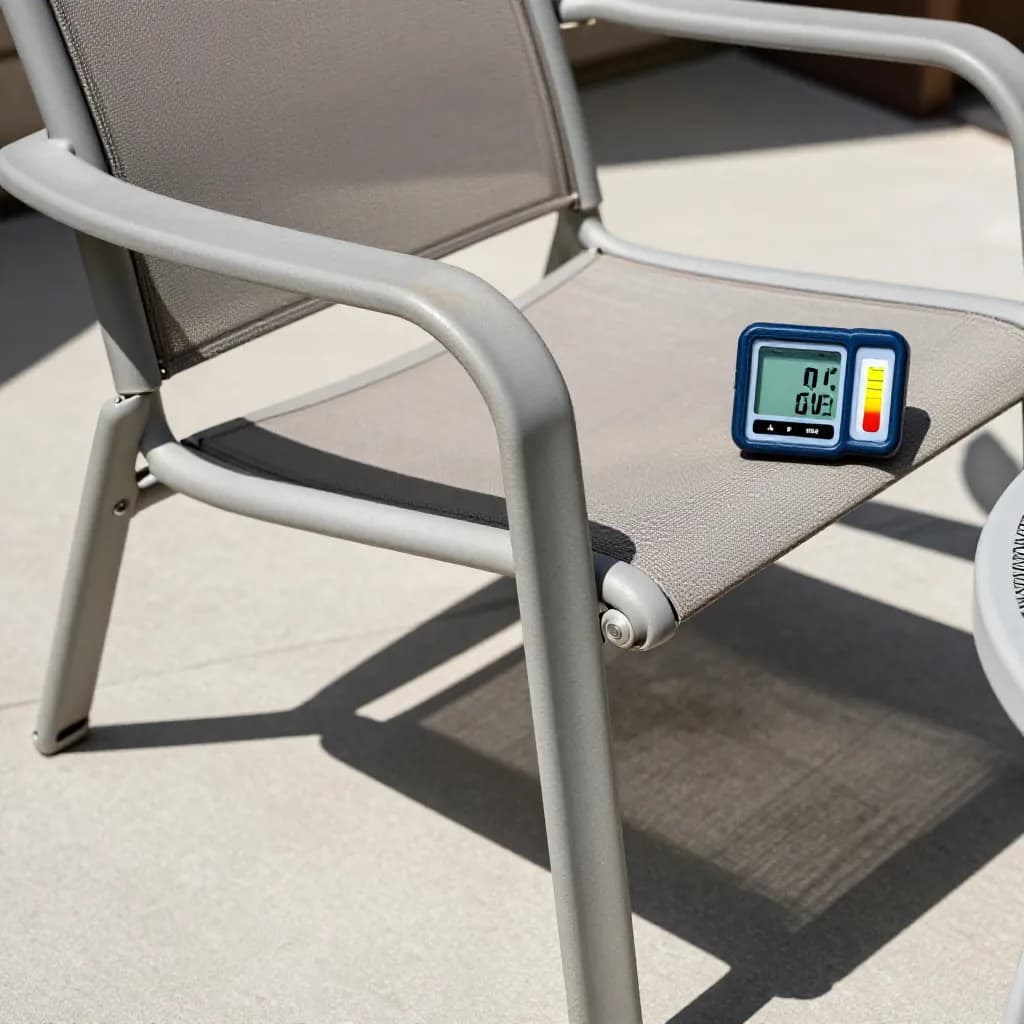
UV radiation works by breaking the chemical bonds in the polymer chains that form the coating's structure. This process, called photodegradation, occurs at the molecular level and progresses gradually from the surface inward. The coating's surface layer degrades first, releasing pigment particles and creating the chalky residue that is the hallmark of UV damage. As degradation continues deeper into the film, color changes, gloss loss, and eventually mechanical property changes follow.
Ready to Start Your Project?
From one-off customs to 15,000-part production runs — get precise pricing in 24 hours.
On This Page
How UV Radiation Affects Powder Coated Surfaces
The rate of UV degradation depends on several factors. Geographic location matters enormously: surfaces in Arizona, southern Spain, or northern Australia receive far more UV radiation annually than surfaces in Scandinavia or the Pacific Northwest. Orientation is equally important, with south and west-facing surfaces in the northern hemisphere receiving the most intense and prolonged sun exposure.
The coating chemistry plays a decisive role in UV resistance. Super-durable polyester formulations are specifically engineered for maximum UV resistance and can maintain their appearance for 20 to 25 years in full sun exposure. Standard polyester coatings offer good UV resistance for 10 to 15 years. Polyester-epoxy hybrids have moderate UV resistance suitable for 5 to 10 years of exterior exposure. Pure epoxy coatings have poor UV resistance and will chalk and fade within 1 to 3 years outdoors.
Color also influences UV vulnerability. Dark colors absorb more solar energy and experience higher surface temperatures, which accelerates degradation. Certain pigments, particularly organic reds, yellows, and oranges, are inherently less UV-stable than inorganic pigments like titanium dioxide white and iron oxide earth tones.
Recognizing Early Signs of UV Degradation
Catching UV degradation early gives you the most options for intervention. The signs progress through a predictable sequence, and knowing what to look for at each stage helps you assess the urgency of the situation.
The earliest visible sign is a subtle loss of gloss. The coating surface that once had a bright, reflective sheen begins to look slightly duller. This change is often so gradual that it goes unnoticed unless you compare the exposed surface to a protected reference area, such as under a gasket, behind a bracket, or on a surface that faces away from the sun. A gloss meter provides objective measurements, but a visual comparison is usually sufficient for initial detection.
Chalking follows gloss loss and is the most characteristic sign of UV degradation. Run a finger or a dark cloth across the coating surface. If a powdery residue transfers to your finger or cloth, the coating is chalking. Light chalking is normal after several years of sun exposure and does not indicate coating failure. Heavy chalking that leaves a thick, obvious residue indicates significant surface degradation.
Color fading becomes apparent as chalking progresses. The exposed surface appears lighter or less saturated than protected reference areas. Fading is most noticeable on dark and saturated colors, where even small changes in pigment concentration are visually obvious. White and very light colors may show yellowing rather than fading as their UV degradation pattern.
In advanced stages, the coating surface may develop a rough or uneven texture as degradation proceeds unevenly across the surface. Micro-cracking may become visible under magnification, and the coating may feel thinner or less substantial when touched. At this stage, the coating's protective properties are significantly compromised, and intervention should be planned.
Compare south-facing and north-facing surfaces on the same structure. A significant difference in appearance between these orientations confirms that UV exposure is the primary degradation mechanism rather than chemical attack or other environmental factors.
Protective Measures to Extend Coating Life in Sun Exposure
While you cannot eliminate UV exposure for outdoor surfaces, several practical measures can significantly slow the rate of degradation and extend the useful life of the powder coating.
Specifying the right coating chemistry from the start is the most effective protective measure. For surfaces that will receive heavy sun exposure, super-durable polyester powder coatings meeting Qualicoat Class 2 or AAMA 2605 specifications provide the highest level of UV resistance available. These formulations use UV-stabilized resin systems and lightfast pigments that resist degradation far longer than standard coatings.
Regular cleaning removes surface contaminants that can accelerate UV degradation. Atmospheric pollutants, industrial fallout, and organic deposits can interact with UV radiation to create chemical reactions that attack the coating surface faster than UV alone. Keeping the surface clean eliminates these synergistic degradation pathways and allows the coating's built-in UV resistance to perform at its best.
Applying a UV-protective wax or sealant provides a sacrificial barrier that absorbs some UV radiation before it reaches the coating surface. Automotive-grade products containing UV inhibitors are effective and readily available. Apply in spring before the peak UV season and reapply mid-summer for maximum protection. This is particularly beneficial for standard polyester coatings that lack the enhanced UV resistance of super-durable formulations.
Physical shading reduces UV exposure directly. Awnings, pergolas, overhangs, and landscaping that cast shade on powder coated surfaces during peak sun hours can dramatically reduce cumulative UV exposure. Even partial shading during the midday hours when UV intensity is highest provides meaningful protection.
For automotive applications, parking in shade or using a car cover when the vehicle is stationary reduces UV exposure to powder coated wheels, trim, and accessories. Garage parking provides the most protection, but even parking under a tree or in the shadow of a building helps.
Clear coat topcoats applied over the powder coating provide an additional UV-absorbing layer that protects the color coat beneath. Some powder coating systems are designed as two-coat applications with a clear topcoat specifically for enhanced UV and weathering resistance.
Seasonal UV Maintenance Calendar
A seasonal approach to UV protection ensures that powder coated surfaces receive appropriate attention throughout the year, with the most intensive care during the months of highest UV exposure.
In early spring, perform a thorough inspection of all sun-exposed powder coated surfaces. Compare their current condition to the previous year's documentation. Clean all surfaces to remove winter accumulation and prepare them for the UV-intensive months ahead. Apply a UV-protective wax or sealant to surfaces that will receive direct sun exposure. Touch up any damage discovered during the inspection.
During summer, the focus shifts to regular cleaning and monitoring. Clean sun-exposed surfaces at least monthly to remove contaminants that accelerate UV degradation. Check for new damage from summer storms, hail, or mechanical contact. Reapply UV-protective wax or sealant at mid-summer if the initial application has worn off, which is likely on surfaces that are cleaned frequently or exposed to heavy rain.
In early autumn, perform another inspection to assess how the coating fared through the peak UV season. Compare the condition to the spring baseline. Document any changes in gloss, color, or surface condition. This autumn assessment provides the data needed to plan any maintenance or repair work before winter.
During winter, UV intensity is at its lowest in most locations, providing a natural recovery period. However, surfaces at high altitude or in southern latitudes still receive significant UV exposure year-round. For these locations, the maintenance calendar should be adjusted to reflect the actual UV exposure pattern rather than assuming a winter reprieve.
Track your observations year over year to identify trends. A coating that shows minimal change from year to year is performing well. A coating that shows accelerating degradation may be approaching the end of its effective UV resistance, and planning for recoating should begin. Consistent documentation transforms subjective impressions into objective data that supports informed maintenance decisions.
When to Act: Decision Framework for UV-Damaged Coatings
Not all UV degradation requires immediate action. The decision framework for responding to UV damage balances the current condition of the coating, the rate of degradation, the consequences of further deterioration, and the practical options available.
Light chalking and minor gloss loss represent normal aging and do not require intervention beyond continued routine maintenance. The coating is still providing effective protection, and its appearance, while slightly changed from new, remains acceptable for most applications. Continue regular cleaning and UV-protective wax application, and monitor the condition at each inspection.
Moderate chalking with noticeable color change indicates that the coating's UV resistance is being consumed and the rate of degradation will accelerate from this point. This is the stage where proactive measures have the most impact. Increase cleaning frequency, ensure UV-protective products are applied consistently, and begin planning for eventual recoating. The coating may have several more years of serviceable life, but the trajectory is clear.
Heavy chalking with significant color change and gloss loss below 50 percent of original indicates that the coating surface is substantially degraded. At this stage, the coating is still providing some barrier protection to the substrate, but its aesthetic performance is compromised and its protective capacity is declining. Schedule recoating within the next one to two years to prevent substrate damage.
If UV degradation has progressed to the point where the coating is cracking, flaking, or losing adhesion, immediate action is needed. The coating is no longer providing reliable protection, and the substrate is at risk of corrosion or other damage. Recoating should be scheduled as soon as practical, with interim touch-up repairs to protect the most vulnerable areas.
For color-critical applications such as architectural facades, corporate identity elements, or premium automotive finishes, the threshold for action may be lower than for utilitarian applications. A level of fading that is acceptable on a warehouse railing may be unacceptable on a building entrance. Adjust your action thresholds to match the specific requirements of each application.
UV Performance by Coating Chemistry and Color
Understanding how different coating chemistries and colors perform under UV exposure helps set realistic expectations and informs both specification decisions and maintenance planning.
Super-durable polyester coatings represent the gold standard for UV resistance in powder coating. These formulations use specially selected polyester resins with enhanced UV stability, combined with high-performance UV absorbers and hindered amine light stabilizers. They are specified for the most demanding exterior applications and are required by Qualicoat Class 2 and AAMA 2605 standards. Expect 20 to 25 years of acceptable appearance in full sun exposure with proper maintenance.
Standard polyester coatings offer good UV resistance that satisfies the majority of exterior applications. They meet Qualicoat Class 1 and AAMA 2604 requirements and typically maintain acceptable appearance for 10 to 15 years in full sun exposure. Standard polyester is the most widely used exterior powder coating chemistry and represents an excellent balance of UV performance and broad availability.
Polyester-epoxy hybrid coatings have moderate UV resistance suitable for sheltered exterior applications or locations with limited direct sun exposure. They are commonly used for interior applications and exterior surfaces protected by overhangs or shade structures. In full sun exposure, expect noticeable chalking and fading within 5 to 8 years.
Pure epoxy coatings have poor UV resistance and should not be used for any application with significant sun exposure. Epoxy coatings will chalk heavily and lose color within 1 to 3 years outdoors. They are excellent for interior, underground, and covered applications where UV exposure is minimal.
Regarding color performance, whites and light pastels using inorganic pigments generally show the best UV color retention. Earth tones based on iron oxide pigments are also highly stable. Bright organic reds, yellows, and oranges are the most UV-sensitive colors and may show fading earlier than other colors in the same coating chemistry. Dark colors absorb more heat, which accelerates degradation, but their color change may be less visually obvious than fading on lighter colors.
Professional Assessment and Restoration Options
When UV degradation has progressed beyond what routine maintenance can address, professional assessment and restoration services can extend the life of the coating or prepare the surface for recoating.
A professional coating assessment uses calibrated instruments to objectively measure the coating's current condition. Gloss meters measure surface reflectivity at standardized angles, providing numerical data that can be compared to the original specification and tracked over time. Color spectrophotometers measure color coordinates and calculate the degree of color change from the original, expressed as a Delta E value. Film thickness gauges confirm that adequate coating remains on the surface.
For coatings with moderate UV degradation, professional restoration may be possible without full recoating. Specialized polishing compounds can remove the degraded surface layer, revealing less-damaged coating beneath. This process restores some gloss and color intensity, effectively resetting the clock on UV degradation. However, it also reduces the remaining film thickness, so it is only appropriate when the original coating was applied at adequate thickness and the degradation is limited to the surface layer.
Clear coat application over an existing powder coating can provide renewed UV protection without the need for stripping and recoating. The clear coat acts as a sacrificial UV-absorbing layer that protects the color coat beneath. This approach works best when the existing coating is still in reasonable condition with good adhesion, and the primary concern is preventing further UV degradation rather than restoring already-lost appearance.
When recoating is necessary, the existing coating surface must be properly prepared to ensure adhesion of the new coating. This typically involves cleaning, light abrasion to create mechanical adhesion, and application of an adhesion-promoting primer if the new coating is a different chemistry than the original. Professional applicators have the equipment and expertise to assess whether the existing coating can serve as a base for recoating or whether full stripping is required.
Consult with a qualified coating professional when UV degradation reaches the moderate to heavy stage. Their assessment can identify the most effective and economical path forward, whether that is restoration, overcoating, or full strip and recoat.
Frequently Asked Questions
How long does powder coating last in direct sunlight?
It depends on the coating chemistry. Super-durable polyester coatings last 20 to 25 years in full sun. Standard polyester lasts 10 to 15 years. Polyester-epoxy hybrids last 5 to 8 years. Pure epoxy coatings chalk and fade within 1 to 3 years outdoors. Geographic location, orientation, and color also affect UV longevity.
What does chalking on powder coating look like?
Chalking appears as a powdery residue on the coating surface. Run a finger or dark cloth across the surface. If a white or colored powder transfers, the coating is chalking. Light chalking is normal aging. Heavy chalking that leaves thick residue indicates significant UV degradation requiring attention.
Can I prevent UV fading on powder coated surfaces?
You can slow UV fading significantly through several measures: specify super-durable polyester coatings for high-exposure surfaces, clean regularly to remove contaminants that accelerate degradation, apply UV-protective wax or sealant seasonally, and provide physical shading where possible. Complete prevention is not possible for any organic coating.
Does dark powder coating fade faster than light colors?
Dark colors absorb more solar energy and reach higher surface temperatures, which accelerates degradation. However, the visual perception of fading depends on the specific pigments used. Bright organic reds and yellows may show noticeable fading earlier than dark colors using stable inorganic pigments. Whites and earth tones generally show the best color retention.
Can UV-damaged powder coating be restored without recoating?
Moderate UV damage can sometimes be improved through professional polishing, which removes the degraded surface layer to reveal less-damaged coating beneath. A clear coat can also be applied over the existing coating for renewed UV protection. These options work best when the coating still has good adhesion and adequate remaining thickness.
Ready to Start Your Project?
From one-off customs to 15,000-part production runs — get precise pricing in 24 hours.