Sports equipment operates at the intersection of performance, durability, and aesthetics — three areas where powder coating technology excels. From the club heads of premium golf drivers to the frames of professional bicycles, powder coating has established itself as a preferred finishing technology for metal sports equipment components that must withstand repeated high-energy impacts, environmental exposure, and the demanding expectations of athletes and recreational users alike.
Consumer
Powder Coating for Sports Equipment: Impact-Resistant Finishes for Golf, Skiing, Fishing, and More
Sundial Powder Coating·April 22, 2026·11 min
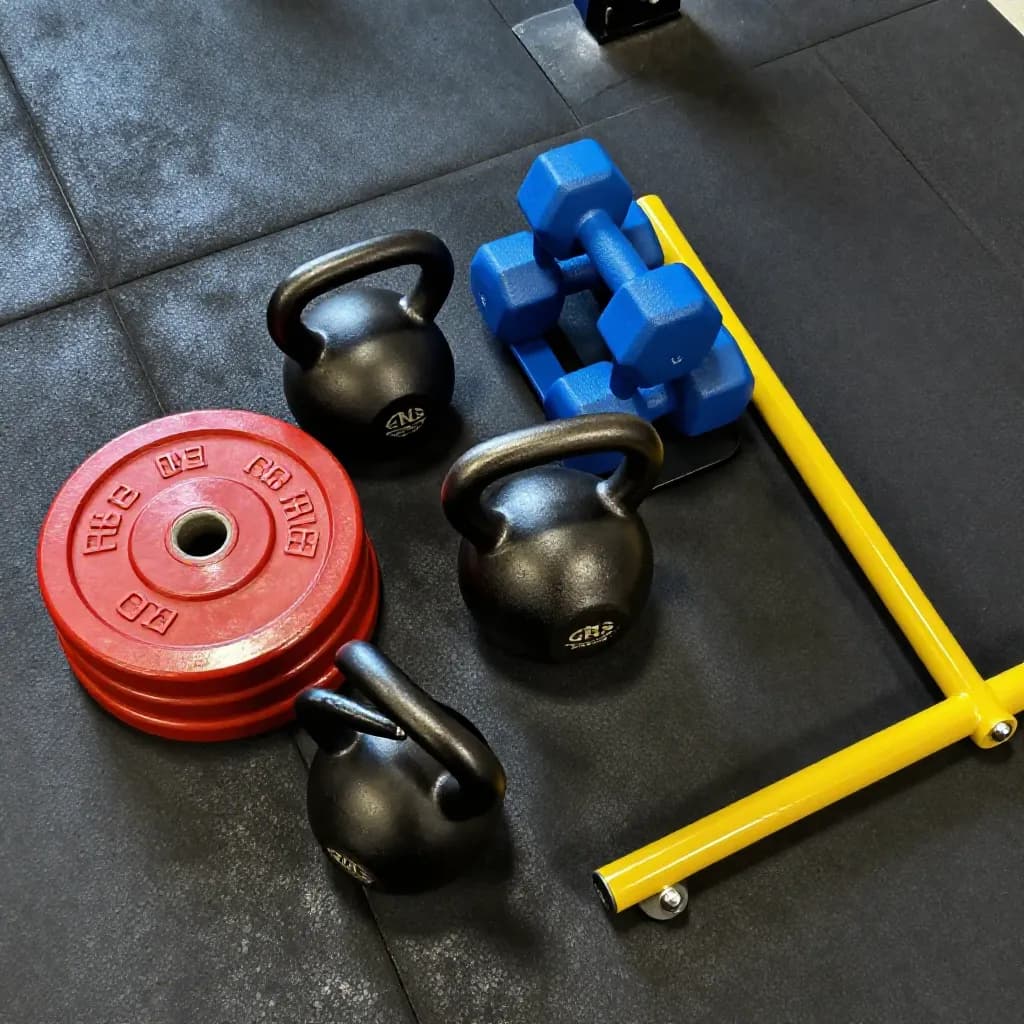
The sports equipment industry's adoption of powder coating has accelerated as manufacturers recognize the technology's advantages over traditional finishing methods. Compared to liquid paint, powder coating delivers thicker, more impact-resistant films in a single application. Compared to anodizing, it offers unlimited color options and better impact resistance on aluminum substrates. And compared to electroplating, it provides superior corrosion protection with none of the environmental concerns associated with heavy metal plating baths.
Ready to Start Your Project?
From one-off customs to 15,000-part production runs — get precise pricing in 24 hours.
On This Page
Powder Coating's Growing Role in Sports Equipment Manufacturing
The performance demands of sports equipment coating vary enormously across different sports and equipment types. A golf club head experiences instantaneous impact forces exceeding 10,000 N at ball strike. A ski pole endures continuous abrasion from snow and ice crystals at temperatures of -20°C or below. A fishing reel operates in salt water spray that would corrode unprotected metal within days. Each application requires a tailored coating specification that addresses the specific mechanical, environmental, and aesthetic requirements of the sport.
This article examines powder coating applications across major sports equipment categories, covering the technical requirements, performance standards, and design possibilities that make powder coating an increasingly important technology in the sports industry.
Golf Equipment: Club Heads, Shafts, and Accessories
Golf equipment represents one of the most technically demanding applications for powder coating in the sports sector. Golf club heads — drivers, fairway woods, irons, and putters — experience extreme impact forces at ball strike, and the coating must withstand these forces without chipping, cracking, or delaminating while maintaining the premium appearance that golfers expect from high-end equipment.
Driver and fairway wood heads are typically manufactured from titanium alloy (Ti-6Al-4V) or stainless steel castings, with crown panels sometimes made from carbon fiber composite. The powder coating on these club heads must resist the impact of golf balls traveling at speeds of 60-80 m/s, generating instantaneous contact forces of 10,000-15,000 N concentrated on a contact area of approximately 5 cm². Impact resistance testing per ASTM D2794 at 100+ inch-pounds is a minimum requirement for club head coatings.
The sole (bottom) of the club head experiences abrasion from turf, sand, and cart paths during normal play. Polyester powder coatings with Taber abrasion resistance of less than 80 mg loss per 1,000 cycles (CS-17 wheels) provide adequate wear resistance for the sole area. Some manufacturers apply a heavier film thickness (80-100 microns) on the sole compared to the crown (50-70 microns) to provide additional abrasion protection where it is most needed.
Matte and satin finishes have become the dominant aesthetic for modern golf club heads, replacing the high-gloss finishes that were standard a decade ago. Matte finishes reduce glare at address (when the golfer looks down at the club head before swinging), improving visual focus and reducing distraction. Powder coating achieves consistent matte finishes (gloss 5-15 at 60° geometry) more reliably than liquid paint on the complex curved surfaces of club heads.
Putter heads use powder coating for both aesthetic and functional purposes. The coating on the putter face can influence the feel and sound of ball contact, with softer coating formulations producing a muted, dampened feel preferred by some players. Textured powder coatings on putter faces can also influence ball spin and roll characteristics, though the rules of golf (as defined by the R&A and USGA) place restrictions on surface roughness and coatings that could unduly influence ball flight.
Golf club shafts — steel and graphite — are powder coated for corrosion protection and brand identification. Steel shafts are coated with thin-film polyester powder (30-50 microns) to prevent rust while maintaining the shaft's flex characteristics. The coating must be uniform in thickness around the shaft circumference to avoid creating imbalance that could affect swing dynamics.
Winter Sports: Ski Poles, Bindings, and Equipment Frames
Winter sports equipment operates in one of the most challenging environments for any coating system. Sub-zero temperatures, UV radiation intensified by snow reflection, abrasion from ice crystals, and exposure to de-icing chemicals and ski wax solvents create a multi-stress environment that tests every aspect of coating performance.
Ski poles are the highest-volume powder-coated winter sports product. Aluminum alloy poles (typically 7075-T6 or 6061-T6) are powder coated for corrosion protection, brand identity, and grip enhancement. The coating must withstand temperatures as low as -30°C without becoming brittle or losing adhesion, and must resist the continuous abrasion of snow and ice crystals during use. Low-temperature flexibility testing per ASTM D522 at -30°C verifies that the coating does not crack under the bending stresses that ski poles experience during planting and turning.
The grip section of ski poles often uses textured powder coatings that provide enhanced tactile grip even when wearing gloves. Coarse texture finishes with surface roughness (Ra) of 10-20 microns create a non-slip surface that improves pole control. Some manufacturers use dual-finish poles — smooth gloss on the shaft for aerodynamics and visual appeal, with textured grip sections for functionality.
Ski binding base plates and components are powder coated for corrosion protection in the wet, salt-contaminated environment of ski resorts (where road salt is used on access roads and parking areas). The coating must also resist the mechanical stresses of binding release and re-engagement, which create concentrated forces at the binding-boot interface. Impact resistance of 80+ inch-pounds and adhesion retention after salt spray exposure (500 hours per ASTM B117) are standard requirements.
Snowboard bindings and hardware use powder coating for the same combination of corrosion protection and aesthetic customization. The wide color palette available in powder coating supports the bold, graphic-intensive design language of snowboard culture, with bright colors, metallic effects, and matte finishes all popular choices.
Ice climbing equipment — crampons, ice axes, and protection devices — uses powder coating on steel and aluminum components for corrosion protection and visibility. Bright colors (orange, yellow, red) are preferred for safety visibility against snow and ice backgrounds. The coating must withstand the extreme mechanical forces of ice climbing — crampon points experience concentrated impact loads that test coating adhesion at the sharpest edges of the component.
Fishing Equipment: Reels, Rod Components, and Tackle
Fishing equipment, particularly saltwater fishing gear, operates in one of the most corrosive environments encountered by any consumer product. Salt water, salt spray, UV radiation, and the mechanical stresses of fighting fish create a demanding combination of requirements that powder coating addresses effectively.
Fishing reel bodies and frames are manufactured from aluminum alloy (typically 6061-T6 or die-cast A380), stainless steel, or graphite composite. Aluminum reel components are the primary candidates for powder coating, which provides corrosion protection superior to anodizing in salt water environments while offering the color variety that the fishing tackle market demands. Powder coating at 50-70 microns over chromate-free conversion coating provides excellent salt spray resistance — typically 500-1,000 hours per ASTM B117 — protecting the reel body from the corrosive effects of salt water exposure.
The mechanical precision of fishing reels requires careful film thickness control during coating. Bearing seats, gear mesh areas, and spool arbors must maintain tight dimensional tolerances, and excessive coating in these areas can cause binding, increased friction, or improper gear engagement. Masking of precision surfaces during coating, or post-coating machining to restore critical dimensions, ensures that the coating does not compromise reel performance.
Rod guides and reel seats on fishing rods use powder-coated aluminum or stainless steel components. The coating on rod guides must resist the abrasion of fishing line running through the guide ring at high speed during casting and retrieval. Ceramic or titanium guide inserts handle the line contact, but the guide frame coating must resist salt spray corrosion and the UV exposure of outdoor use.
Tackle boxes, rod holders, and fishing accessories use powder-coated steel or aluminum for corrosion protection in the marine environment. These products experience salt water splash, sun exposure, and the mechanical stresses of boat-mounted use. Polyester powder coatings with UV stabilizers provide the weather resistance needed for these applications, with marine-grade specifications requiring 1,000+ hours of salt spray resistance.
The fishing tackle market values both performance and aesthetics, with anglers selecting equipment partly based on visual appeal. Metallic powder coatings in blue, green, and silver tones evoke aquatic themes, while matte black and gunmetal finishes project a professional, technical aesthetic. Custom color matching for tournament team equipment and branded merchandise is a growing segment of the fishing tackle coating market.
Baseball and Softball: Bats, Helmets, and Cage Equipment
Baseball and softball equipment uses powder coating for both performance and safety applications. Aluminum bats, batting helmets, pitching machines, and batting cage structures all benefit from powder coating's combination of impact resistance, durability, and design flexibility.
Aluminum baseball and softball bats are among the most impact-intensive applications for powder coating in any industry. The barrel of an aluminum bat experiences repeated impacts with baseballs traveling at 30-45 m/s, generating peak forces of 5,000-8,000 N at the point of contact. The coating must withstand these impacts without chipping or delaminating, as loose coating material could affect bat performance or create sharp edges.
Bat manufacturers use specialized powder coating formulations with enhanced flexibility and impact resistance to meet these demands. Polyester powder coatings with elongation values exceeding 5% and impact resistance of 120+ inch-pounds (direct) provide the mechanical toughness required. Film thickness is typically 50-70 microns — thick enough for durability but thin enough to avoid adding significant weight to the bat, where every gram affects swing speed and performance.
The aesthetic design of baseball bats is a significant marketing differentiator, and powder coating enables the bold graphics, metallic effects, and multi-color schemes that characterize modern bat designs. Base colors are applied as powder coating, with detailed graphics and branding typically added as screen-printed or digitally printed decals over the cured powder coating surface. The powder coating provides a smooth, uniform base that ensures consistent graphic reproduction.
Batting helmets use powder-coated steel face guards (cages) that must meet NOCSAE (National Operating Committee on Standards for Athletic Equipment) safety standards. The coating on face guard wire must not compromise the guard's ability to absorb and distribute impact energy, and must not produce sharp edges or fragments if the guard is deformed by a ball impact. Powder coating's ductile failure mode (gradual deformation rather than brittle fracture) is advantageous for this safety-critical application.
Batting cage structures — the steel tube frames and chain-link or netting support systems used in training facilities — use powder-coated steel for corrosion protection and visual appeal. Indoor cages use standard polyester powder coating, while outdoor cages require UV-stabilized formulations and enhanced pretreatment (zinc phosphate) for weather resistance. The bright colors commonly used for batting cage structures (green, blue, red) provide visual definition that helps batters track the ball against the cage background.
Grip Textures and Functional Surface Engineering
Beyond aesthetic finishing, powder coating technology enables functional surface engineering that enhances the performance of sports equipment through controlled texture, friction, and tactile properties. Grip textures applied through powder coating formulation and application technique can improve an athlete's control of equipment without the weight, complexity, or durability limitations of separate grip materials.
Textured powder coatings achieve their surface profile through the interaction of powder particle size, melt viscosity, and curing dynamics. Coarse textures (Ra 15-30 microns) are produced by formulations with high melt viscosity that resist flow and leveling during the cure cycle, preserving the particle-scale surface roughness of the applied powder. Fine textures (Ra 5-15 microns) use moderate melt viscosity formulations that partially level during cure, producing a smoother but still tactile surface.
The coefficient of friction of textured powder coatings can be engineered to match specific grip requirements. For equipment gripped with bare hands (golf club grips, gym equipment handles), a coefficient of static friction of 0.5-0.8 against dry skin provides secure grip without being abrasive. For equipment used with gloves (ski poles, hockey sticks), higher friction coefficients of 0.6-1.0 compensate for the reduced tactile sensitivity of gloved hands.
Anti-slip powder coatings incorporating particulate additives (aluminum oxide, silica, or polymer beads) create surfaces with enhanced grip that exceeds what texture alone can achieve. These additive-modified coatings are used on step surfaces of exercise equipment, foot platforms of rowing machines, and standing surfaces of personal watercraft where slip resistance is a safety requirement.
Soft-touch powder coatings with a rubberized feel provide comfort and vibration damping on equipment handles and grips. These formulations use elastomeric resins or rubber-modified polyester to create a surface that is warm to the touch, absorbs vibration, and provides secure grip even when wet. Applications include bicycle handlebars, gym equipment grips, and tool handles for outdoor sports equipment.
The durability of textured and grip-enhanced coatings under the specific wear conditions of each sport must be validated through application-specific testing. Grip coatings on golf club shafts must withstand thousands of swings without wearing smooth. Textured coatings on ski poles must resist ice crystal abrasion over an entire season. Anti-slip coatings on exercise equipment must maintain their friction properties through years of sweaty-hand contact and regular cleaning.
Environmental Resistance and Multi-Sport Performance
Sports equipment is used across an enormous range of environmental conditions — from the salt spray of ocean fishing to the sub-zero temperatures of alpine skiing, from the intense UV of desert golf courses to the chlorinated humidity of indoor swimming facilities. Powder coating's versatility in addressing these diverse environments is a key advantage for sports equipment manufacturers who sell products globally.
Salt water and marine environments represent the most aggressive corrosion challenge for sports equipment coatings. Fishing reels, boat hardware, surfboard fins, and diving equipment all require coatings that resist the combined effects of salt water immersion, salt spray, and UV radiation. Polyester powder coatings with enhanced salt spray resistance (1,000+ hours per ASTM B117) over chromate-free pretreatment provide the protection these applications demand.
Fresh water environments — lakes, rivers, and swimming pools — present different challenges. Chlorinated pool water can attack some coating chemistries, causing discoloration and adhesion loss. Equipment used in pool environments (lane dividers, starting blocks, pool furniture frames) requires coatings tested for chlorinated water resistance. Standard polyester powder coatings resist pool-level chlorine concentrations (1-3 ppm) without difficulty.
High-altitude UV exposure is significantly more intense than sea-level UV due to the thinner atmosphere. Sports equipment used at altitude — ski equipment, mountaineering hardware, high-altitude cycling gear — experiences accelerated UV degradation compared to equivalent equipment used at lower elevations. Super-durable polyester powder coatings with enhanced UV stabilizer packages are recommended for equipment marketed for high-altitude use.
Humidity and condensation in indoor sports facilities (gyms, swimming pools, ice rinks) create persistent moisture exposure that tests coating adhesion. Gym equipment frames, pool furniture, and ice rink barriers experience continuous humidity levels of 60-90% RH, with condensation forming on cold metal surfaces. Zinc phosphate pretreatment and polyester powder coating at 60-80 microns provide adequate protection for these indoor humid environments.
The multi-sport athlete who uses the same equipment across different environments — a fishing reel used in both fresh and salt water, or ski poles used at coastal and alpine resorts — needs coatings that perform across the full range of conditions. Specifying coatings to the most demanding anticipated environment ensures reliable performance regardless of where the equipment is used.
Frequently Asked Questions
Can powder coating withstand the impact of hitting a golf ball?
Yes. Specialized powder coatings for golf club heads achieve impact resistance of 100+ inch-pounds and withstand the 10,000-15,000 N forces generated at ball strike. Matte and satin finishes also reduce glare at address. The coating on the sole resists turf and sand abrasion through enhanced film thickness and hardness.
How does powder coating perform in salt water for fishing equipment?
Polyester powder coating over chromate-free conversion coating provides 500-1,000 hours of salt spray resistance per ASTM B117 on aluminum fishing reel bodies. This significantly outperforms anodizing in salt water environments. Precision surfaces like bearing seats are masked during coating to maintain mechanical tolerances.
Can powder coating create non-slip grip surfaces on sports equipment?
Yes. Textured powder coatings achieve controlled surface roughness (Ra 5-30 microns) for enhanced grip. Anti-slip formulations with particulate additives (aluminum oxide, silica) provide even higher friction coefficients. Soft-touch rubberized powder coatings add comfort and vibration damping for handles and grips.
Does powder coating add significant weight to sports equipment?
No. A typical 60-micron powder coating adds approximately 80-100 grams per square meter. On a golf club head, this translates to roughly 1-2 grams of coating weight — negligible compared to the 200-210 gram head weight. On ski poles, the coating adds less than 5 grams to the total pole weight.
How does powder coating perform in sub-zero temperatures?
Polyester powder coatings maintain flexibility and adhesion at temperatures down to -30°C, verified by mandrel bend testing at low temperature per ASTM D522. This makes them suitable for ski equipment, ice climbing hardware, and other winter sports applications. The coating does not become brittle or crack under normal winter sports conditions.
Ready to Start Your Project?
From one-off customs to 15,000-part production runs — get precise pricing in 24 hours.