Not all scratches are created equal, and understanding the type and depth of a scratch determines the correct repair approach. Using the wrong method wastes time at best and causes additional damage at worst. A quick assessment before reaching for any repair product saves effort and produces better results.
Consumer
Powder Coating Scratch Repair: Minor Scuffs, Deep Scratches, and Professional Solutions
Sundial Powder Coating·April 23, 2026·10 min
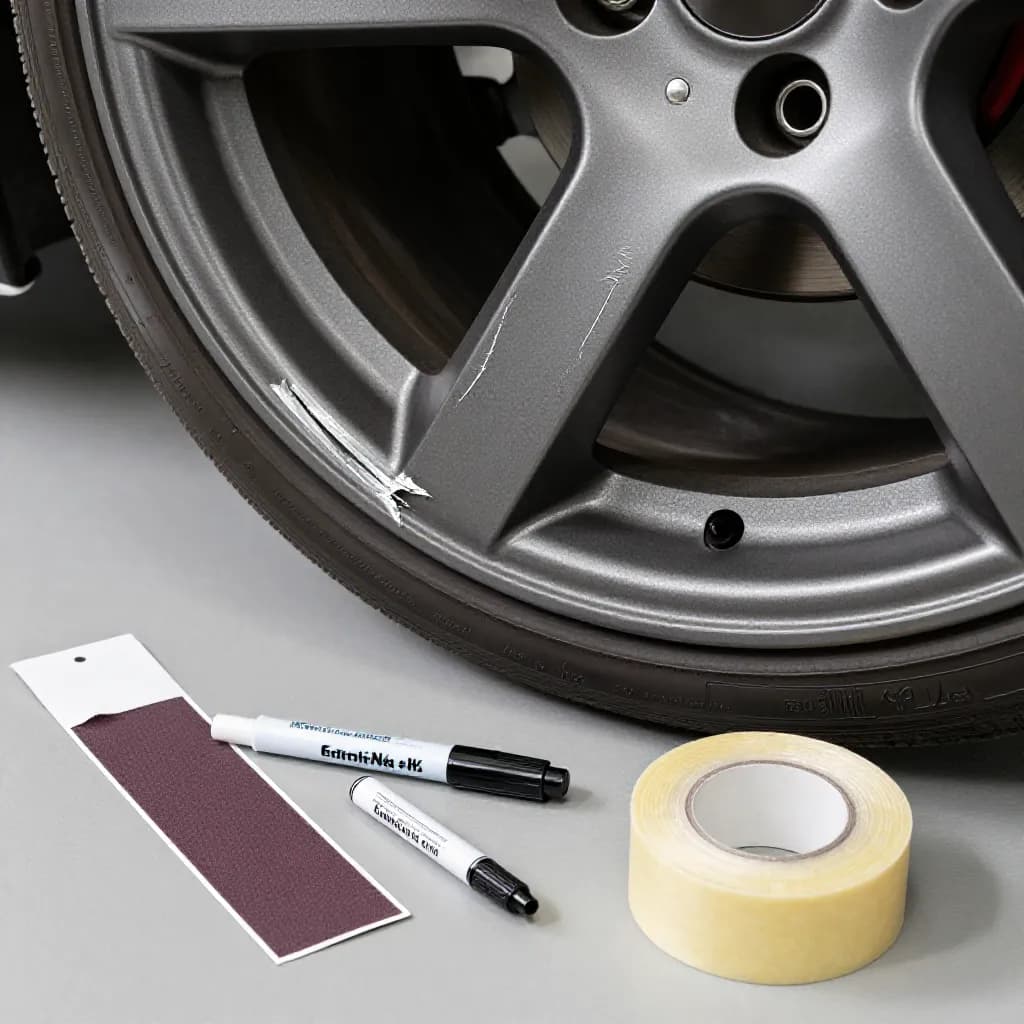
Surface scuffs are the mildest form of scratch damage. These are marks left by soft materials rubbing against the coating surface, such as rubber, plastic, or fabric. The coating itself is not actually scratched; instead, material from the contacting object has been transferred onto the coating surface. These marks often appear as dark streaks on light coatings or light marks on dark coatings. They look alarming but are usually the easiest to address.
Ready to Start Your Project?
From one-off customs to 15,000-part production runs — get precise pricing in 24 hours.
On This Page
Types of Scratches on Powder Coated Surfaces
Light scratches penetrate into the coating surface but do not go through the full coating thickness. They are visible as fine lines that catch the light at certain angles. Running a fingernail across the scratch, you can feel a slight groove, but the scratch does not reveal a different color beneath the topcoat. These scratches affect appearance but do not compromise the coating's protective function.
Deep scratches penetrate through the full thickness of the powder coating to expose the substrate or primer beneath. These are visible as lines of a distinctly different color from the surrounding coating, often showing the gray of bare metal or the color of a primer layer. Deep scratches are both a cosmetic problem and a functional concern because they breach the coating's protective barrier, allowing moisture and contaminants to reach the substrate.
Gouges are the most severe form of scratch damage, involving not just coating removal but also deformation or removal of the substrate material. These typically result from impact with sharp objects and create a visible channel or depression in the surface. Gouges require the most involved repair approach and may need professional attention depending on their severity and location.
Repairing Surface Scuffs and Transfer Marks
Surface scuffs and transfer marks are the simplest scratch-type damage to address because the powder coating itself is undamaged. The goal is to remove the transferred material without scratching the coating in the process.
Start with the gentlest approach: a clean microfiber cloth dampened with warm soapy water. Many scuff marks, particularly those from rubber and soft plastic, will wipe away with nothing more than mild detergent and gentle pressure. Work in the direction of the scuff rather than across it to avoid spreading the transferred material.
For scuffs that resist soapy water, isopropyl alcohol on a soft cloth is the next step. The alcohol dissolves many types of transferred material including rubber, adhesive residue, and some plastics. Apply the alcohol to the cloth, not directly to the surface, and wipe gently. The scuff should dissolve and transfer to the cloth.
A pencil eraser can be surprisingly effective on certain types of scuff marks, particularly those from rubber and shoe soles. Use a clean white eraser and rub gently over the scuff. The eraser's mild abrasive action lifts the transferred material without scratching the powder coating. This technique works best on smooth, gloss finishes.
For stubborn scuffs that resist these methods, a small amount of automotive polishing compound on a soft cloth can remove the transferred material along with a microscopic layer of the coating surface. Use the finest-cut compound available and apply minimal pressure. This method should be reserved for scuffs that have resisted gentler approaches, as it does remove a tiny amount of coating material.
After removing the scuff, clean the area with pH-neutral detergent and water, then apply a coat of wax or sealant to restore the surface protection. Inspect the area to confirm that no actual scratching of the coating occurred beneath the scuff mark. If fine scratches are visible after the transferred material is removed, proceed to the light scratch repair methods described in the next section.
Polishing Out Light Scratches
Light scratches that are in the coating surface but have not penetrated through to the substrate can often be reduced or eliminated through polishing. This approach works by removing a thin layer of coating material around the scratch, effectively leveling the surface to reduce the scratch's visibility.
Before polishing, clean the scratched area thoroughly to remove any dirt or debris that could cause additional scratching during the polishing process. A wash with pH-neutral detergent followed by a wipe with isopropyl alcohol ensures a clean surface.
For very fine scratches, also called swirl marks or spider webbing, a finishing polish or glaze may be sufficient. Apply a small amount to a soft foam pad or microfiber cloth and work it over the scratched area in overlapping circular motions. The ultra-fine abrasives in finishing polish smooth the edges of the scratches, reducing their ability to catch and reflect light.
For slightly deeper light scratches, a two-step process using a cutting compound followed by a finishing polish produces the best results. Apply the cutting compound to a soft pad and work it over the scratch with moderate pressure, following the direction of the scratch rather than working across it. The cutting compound removes a thin layer of coating, reducing the depth of the scratch. Follow immediately with the finishing polish to restore gloss and remove any haze left by the cutting compound.
Machine polishing with a dual-action polisher produces more consistent results than hand polishing for larger areas or numerous scratches. Use a soft foam pad and low speed settings to maintain control. Dual-action polishers are safer than rotary polishers for powder coated surfaces because they are less likely to generate excessive heat or remove too much material.
Polishing has limits. It can reduce the visibility of light scratches significantly, but it cannot eliminate deep scratches that have penetrated well into the coating thickness. If a scratch is still clearly visible after two polishing passes, it is too deep for polishing alone and requires touch-up paint. Additionally, polishing removes coating material, so it should not be repeated excessively on the same area, as this will thin the coating and reduce its protective capacity.
Touch-Up Repair for Deep Scratches
Deep scratches that have penetrated through the powder coating to the substrate require touch-up paint to restore both the protective barrier and the appearance. Touch-up repair for scratches follows the same general principles as chip repair but requires attention to the linear nature of the damage.
Begin by cleaning the scratch thoroughly. Use isopropyl alcohol on a cotton swab or fine-tipped cloth to clean inside the scratch, removing any dirt, oil, or loose coating material. If the scratch has exposed ferrous metal and any rust is visible, apply a rust converter product to the affected area and allow it to work according to the product instructions.
For scratches on steel or iron substrates, apply a thin layer of rust-inhibiting primer inside the scratch before the touch-up paint. Use a fine artist's brush or toothpick to apply the primer only inside the scratch, avoiding the surrounding intact coating as much as possible. Allow the primer to dry completely before proceeding.
Apply color-matched touch-up paint to the scratch using a fine brush, toothpick, or pen-style applicator. Work in short sections, filling the scratch from one end to the other. Apply the paint in thin layers, building up gradually rather than trying to fill the scratch in one heavy application. Each layer should be allowed to dry before the next is applied.
The goal is to fill the scratch to the level of the surrounding coating without building up a visible ridge of touch-up paint on either side. This requires a steady hand and patience. If touch-up paint gets on the surrounding coating, wipe it away immediately with a cloth dampened with isopropyl alcohol before it dries.
After the touch-up paint has cured fully, typically 24 to 48 hours, the repair can be refined. Lightly wet-sand the touch-up with 2000 grit sandpaper to level it with the surrounding surface, then polish with finishing compound to blend the repair. This refinement step is optional but produces a significantly less visible repair on gloss finishes.
When to Seek Professional Repair
Some scratch damage exceeds what can be effectively addressed with DIY methods. Recognizing when professional repair is the better option saves time and prevents amateur attempts from making the situation worse.
Multiple deep scratches covering a large area are impractical to repair individually with touch-up paint. The cumulative appearance of numerous touch-up repairs can look worse than the original scratches. A professional can assess whether the area is better served by spot refinishing, clear coat application, or localized recoating.
Scratches on metallic, textured, or special-effect powder coatings are extremely difficult to repair invisibly with touch-up paint. The metallic flake orientation, texture pattern, and visual effects of the original powder coating cannot be replicated with a brush-applied liquid paint. Professional repair may involve blending techniques or localized recoating that produces a more acceptable result.
Scratches in high-visibility locations where appearance is critical, such as building entrances, showroom displays, or premium vehicle components, may warrant professional repair even if the damage is technically repairable with DIY methods. A professional repair produces a more refined result that meets the higher appearance standards of these applications.
Scratches accompanied by substrate damage, such as dents or deformation of the metal beneath, require professional attention. The substrate must be straightened or filled before the coating can be repaired, and this metalwork is beyond the scope of coating touch-up. Body shops and metal fabrication shops can address the substrate damage before the coating is repaired.
If you are unsure whether a scratch warrants professional repair, consult with a powder coating applicator or automotive refinishing professional. They can assess the damage, explain the repair options, and provide a realistic expectation of the result. This consultation helps you make an informed decision about whether to proceed with DIY repair or invest in professional work.
Preventing Scratches on Powder Coated Surfaces
While scratches cannot be entirely prevented on surfaces that are in active use, several practical measures significantly reduce their frequency and severity.
Protective films and guards provide physical barriers at high-risk contact points. Clear protective film, similar to paint protection film used on vehicles, can be applied to powder coated surfaces in areas that receive frequent contact or abrasion. Door edges, kick plates, loading dock bumpers, and vehicle rocker panels are common applications for protective film.
Proper handling during installation and maintenance prevents many scratches. Use padded tools and fixtures when working near powder coated surfaces. Lay protective blankets or cardboard over coated surfaces when performing adjacent work. Remove rings, watches, and belt buckles that could contact the coating when reaching across or leaning against coated surfaces.
Furniture pads and bumpers prevent scratches from contact between powder coated items and other surfaces. Felt pads on the feet of powder coated chairs and tables prevent scratching of floors and the furniture itself. Rubber bumpers at contact points between doors and frames prevent impact scratching.
Regular cleaning prevents abrasive particles from accumulating on the surface where they can cause scratching during normal contact. Dust, sand, and grit that settle on a powder coated surface act as sandpaper when something slides across them. Keeping surfaces clean removes this abrasive layer.
Applying wax or sealant provides a sacrificial layer that absorbs minor scuffs and scratches before they reach the coating surface. The wax layer can be renewed periodically, effectively resetting the surface protection. This is particularly valuable for automotive and furniture applications where regular contact is unavoidable.
For items in storage or transit, proper packaging prevents scratches from contact with other items or packaging materials. Wrap powder coated items in soft, non-abrasive material. Use foam separators between stacked items. Secure items to prevent shifting during transport, which causes rubbing and scratching at contact points.
Frequently Asked Questions
Can you polish scratches out of powder coating?
Light surface scratches can often be reduced or eliminated through polishing with automotive compound. Use a fine-cut compound and soft pad, working in the direction of the scratch. Deep scratches that have penetrated through the coating cannot be polished out and require touch-up paint. Polishing removes a thin layer of coating, so avoid excessive repetition.
How do I remove scuff marks from powder coating?
Start with warm soapy water and a microfiber cloth. If that does not work, try isopropyl alcohol on a soft cloth. A clean white pencil eraser can also remove rubber and shoe scuffs. For stubborn marks, a small amount of automotive polish on a soft cloth will usually do the job. These marks are usually transferred material, not actual scratches.
Is powder coating easy to scratch?
Powder coating is harder and more scratch-resistant than most liquid paints, typically rating 2H to 4H on the pencil hardness scale. However, it can be scratched by harder materials, sharp objects, and abrasive particles. The scratch resistance depends on the specific powder formulation, with some specialty coatings offering enhanced hardness.
Should I use touch-up paint on a scratched powder coat?
Touch-up paint is appropriate for deep scratches that have penetrated through the coating to expose the substrate. For surface scratches that have not gone through the coating, polishing is a better first approach. Touch-up paint will always be visible on close inspection but provides essential corrosion protection at deep scratch sites.
Can a powder coating shop repair scratches?
Yes. Professional powder coating shops can repair scratches through several methods depending on severity: spot refinishing with liquid touch-up for localized damage, clear coat application for widespread light scratching, or localized stripping and recoating for severe damage. Professional repair produces better results than DIY methods for deep or extensive scratching.
Ready to Start Your Project?
From one-off customs to 15,000-part production runs — get precise pricing in 24 hours.