Government buildings housing vulnerable populations — schools, childcare centers, healthcare facilities, senior centers — face a unique obligation. The coating systems specified for these spaces do more than protect substrates; they directly influence the air that children breathe, the surfaces that immunocompromised patients touch, and the long-term health of populations with heightened susceptibility to toxic effects. Powder coating is not merely preferable in these settings — it is a preventive health intervention.
powder-coating-benefits
Why Powder Coating Should Be Standard in Schools and Healthcare Facilities
Sundial Research Team·February 2, 2025·6 min
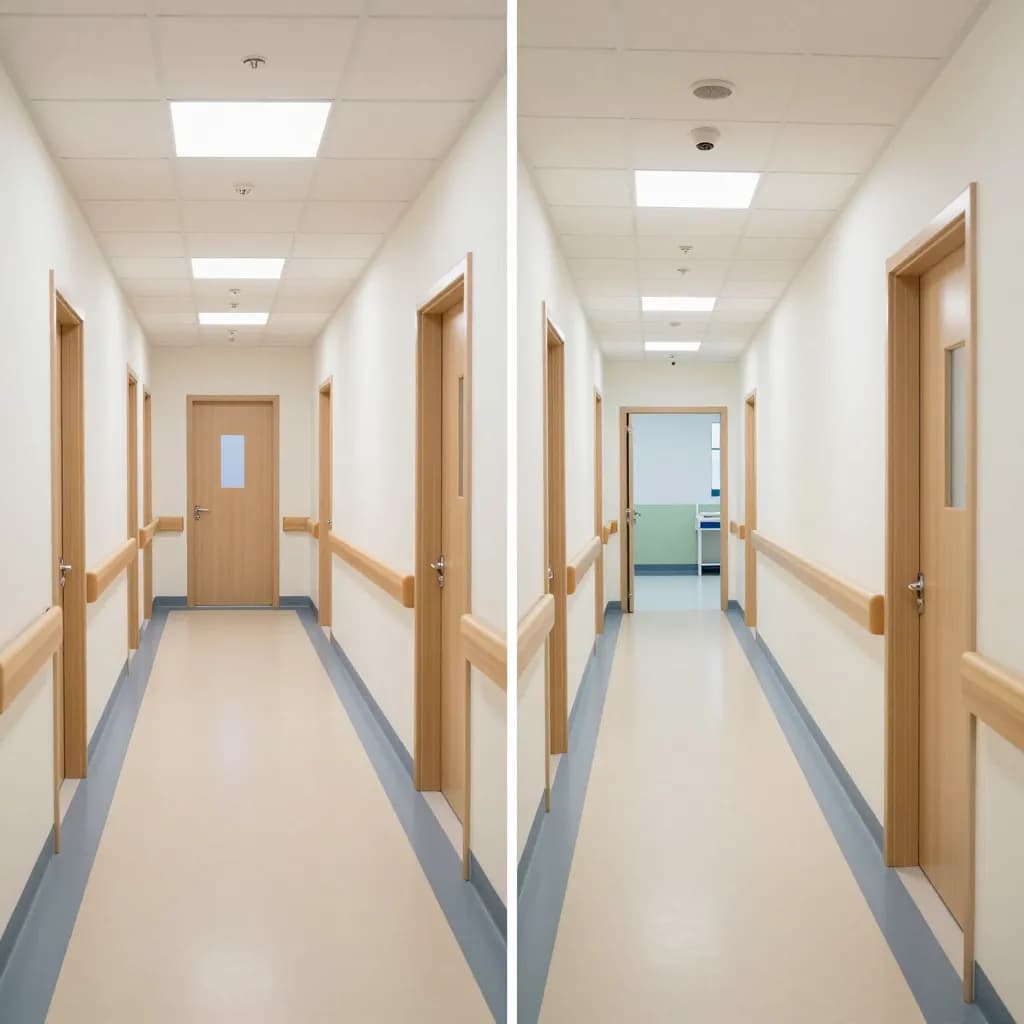
Children face disproportionate risks from coating-related exposures for multiple physiological and behavioral reasons:
Ready to Start Your Project?
From one-off customs to 15,000-part production runs — get precise pricing in 24 hours.
On This Page
Why Powder Coating Should Be Standard in Schools and Healthcare Facilities
Children's Unique Vulnerability
Higher Dose-Normalized Exposure
- Children breathe more air relative to body mass than adults
- Their higher metabolic rates increase absorption and distribution of inhaled compounds
- Lower body mass means the same environmental concentration produces a higher dose per kilogram
Developmental Susceptibility
- Developing nervous systems are more vulnerable to neurotoxic effects
- Critical windows of brain development occur during school-age years
- Endocrine-disrupting compounds can alter developmental trajectories
Behavioral Pathways
- Hand-mouthing behaviors increase ingestion of surface contaminants
- Floor-level play brings children closer to concentrations of heavier VOCs
- Direct contact with painted surfaces is more frequent and prolonged
Documented Hazard Multiplier
A peer-reviewed study found that children face hazard quotients for heavy metal ingestion from painted surfaces approximately 9.4 times greater than adults — attributable to hand-mouthing behaviors, direct contact, and elevated metabolic rates.
Healthcare Facility Vulnerabilities
Healthcare settings present a different but equally critical risk profile:
Immunocompromised Patients
- Chemotherapy recipients, transplant patients, and HIV-positive individuals have diminished capacity to recover from respiratory irritant exposure
- VOC-induced immunosuppression may compound existing conditions
- Infection risk increases when baseline respiratory function is compromised
Elderly and Frail Populations
- Diminished metabolic capacity for VOC elimination
- Pre-existing respiratory and cardiovascular conditions increase susceptibility
- Polypharmacy may create unpredictable interactions with solvent exposures
Pregnant Patients and Staff
- Prenatal exposure to VOCs and solvent mixtures affects fetal development
- Formaldehyde, toluene, and benzene are all documented reproductive toxicants
- Occupational solvent exposure during pregnancy is associated with child behavioral problems through age 12
The Sick Building Syndrome Risk
The 2025 Ruzickova chamber study found that water-based coating emissions contained 96 toxicologically relevant organic compounds at days 14–21 post-application — well into the period when a newly renovated school or clinic would likely be occupied. Specific SBS-associated compounds identified in coating emissions include:
- Formaldehyde: Carcinogenic; eye, nose, and respiratory irritant
- Toluene: Neurotoxic; CNS depression at acute levels
- Xylene: Respiratory irritant; reproductive toxicant
- Benzene: Carcinogenic; hematotoxic
- Glycol ethers: Hemolytic; reproductive toxicants
For a school that opens two weeks after summer repainting, these emissions create an environment where children spend 6–8 hours daily breathing biologically active concentrations of neurotoxic and carcinogenic compounds.
California's Regulatory Recognition
The California Department of Public Health explicitly identifies powder-coated metals as "inherently non-emitting" sources that require no VOC emissions testing. This regulatory classification reflects the fundamental absence of volatile components in properly cured powder coatings.
The 2025 California Green Code (CALGreen) extends VOC and formaldehyde limits to non-residential construction. For schools and healthcare facilities seeking CALGreen compliance or certification, powder coating systems offer streamlined compliance through elimination of emissions — reducing documentation burden and compliance risk.
Specific Benefits for Sensitive Environments
| Concern | Liquid Coating Risk | Powder Coating Solution |
|---|---|---|
| Post-application off-gassing | 60+ days of VOC emissions | Zero off-gassing |
| Immediate occupancy | Requires ventilation periods | Safe immediately after curing |
| Heavy metal exposure | Lead, cadmium, Cr(VI) possible | Formulated without heavy metals |
| Isocyanate asthma risk | Present in polyurethane systems | No isocyanates |
| Neurotoxic solvent exposure | Toluene, xylene, n-hexane | No organic solvents |
| Endocrine disruption | DEHP, BPA possible | No phthalates or BPA |
| Fire hazard | Flammable solvents | Non-flammable dry powder |
The Specification Decision
For architects, facility managers, and procurement officers specifying coatings for sensitive environments, the decision framework is straightforward:
- Identify the population: Children, elderly, immunocompromised, pregnant?
- Assess exposure duration: Daily occupancy, long-term residence?
- Evaluate vulnerability: Developing systems, compromised immunity, chronic conditions?
- Apply the precautionary principle: When in doubt, choose the option that eliminates hazard
Powder coating is the only architectural coating technology that eliminates rather than manages the VOC, heavy metal, isocyanate, and solvent hazards that place vulnerable populations at risk. In settings where occupant health is the highest priority, specification of liquid coatings — even low-VOC or water-based formulations — represents an unnecessary and potentially harmful compromise.
Economic Considerations
The economic case for powder coating in schools and healthcare facilities extends beyond material costs:
- No lost school days from SBS-related illness
- No healthcare facility air quality remediation
- No liability exposure for occupant health effects
- No ventilation infrastructure for post-coating clearance
- Reduced maintenance through superior durability
When the full cost of ownership — including health externalities, compliance, and liability — is calculated, powder coating is not merely the safest choice for sensitive environments. It is the most cost-effective.
Ready to Start Your Project?
From one-off customs to 15,000-part production runs — get precise pricing in 24 hours.