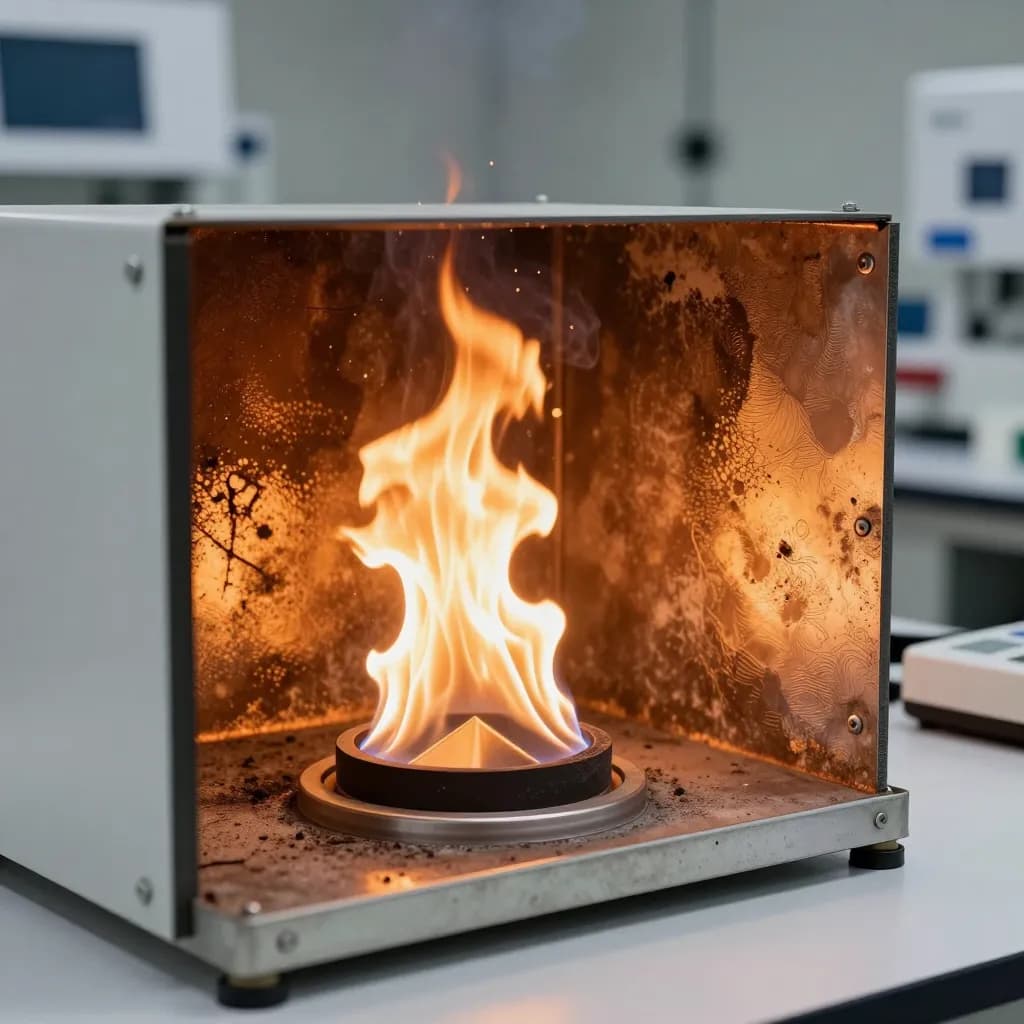
Fire safety is a critical consideration for coatings applied to transportation vehicles, electrical equipment, and public buildings. Traditional flame-retardant liquid coatings often rely on halogenated compounds (bromine, chlorine) that, while effective at suppressing flames, generate toxic smoke and corrosive gases during combustion. Flame-retardant powder coatings offer an alternative approach - using intumescent or halogen-free chemistries that provide fire protection without the toxic byproducts that endanger occupants and first responders. For government applications where fire safety and occupant protection are paramount, flame-retardant powder coatings provide a safer solution.
powder-coating-benefits
Flame-Retardant Powder Coatings: Fire Safety for Transportation and Electrical Applications
Sundial Research Team·February 19, 2025·5 min
| Application | Fire Risk | Coating Function |
|---|---|---|
| Aircraft interiors | Cabin fire | Delay flame spread, low smoke |
| Rail vehicles | Electrical, arson | Protect substrates, low toxicity |
| Electrical enclosures | Electrical fault | Insulate, contain fire |
| Public buildings | Arson, accident | Protect structural elements |
| Military vehicles | Combat, accident | Protect crew, low signature |
| Ship interiors | Compartment fire | Limit fire spread |
Ready to Start Your Project?
From one-off customs to 15,000-part production runs — get precise pricing in 24 hours.
On This Page
Flame-Retardant Powder Coatings: Fire Safety for Transportation and Electrical Applications
The Fire Safety Challenge
Why Coatings Need Flame Retardancy
The Halogen Problem
Traditional halogenated flame retardants have serious drawbacks:
| Halogen | Fire Behavior | Health Concern |
|---|---|---|
| Bromine (BFRs) | Effective flame suppression | Toxic smoke, bioaccumulative |
| Chlorine (CFRs) | Effective flame suppression | Dioxin formation, corrosive HCl |
| Antimony trioxide | Synergist with halogens | Carcinogen, toxic |
During fire, halogenated coatings produce:
- Hydrogen halide gases (HBr, HCl): Corrosive, toxic
- Dioxins and furans: Carcinogenic, persistent
- Dense smoke: Reduces visibility, impedes escape
- Respiratory toxicity: Incapacitates occupants
Flame-Retardant Powder Coating Technologies
Intumescent Powder Coatings
Mechanism: When exposed to heat, the coating expands (intumesces) to form a thick, insulating char layer
| Component | Function |
|---|---|
| Acid source (e.g., ammonium polyphosphate) | Releases acid at elevated temperature |
| Carbon source (e.g., pentaerythritol) | Forms carbon char |
| Blowing agent (e.g., melamine) | Generates gas to expand char |
| Binder | Holds system together, provides adhesion |
Performance:
- Expansion ratio: 10-100x original thickness
- Insulation value: Protects substrate from heat
- Fire rating: Up to 2-3 hours protection possible
Halogen-Free Powder Coatings
| Chemistry | Mechanism | Smoke Characteristics |
|---|---|---|
| Phosphorus-based | Char formation, radical scavenging | Low smoke |
| Metal hydroxides (ATH, MDH) | Endothermic decomposition, water release | Very low smoke |
| Melamine-based | Intumescence, radical scavenging | Low smoke |
| Silicon-based | Ceramic char formation | Very low smoke |
Key Performance Metrics
| Test | Measurement | Target |
|---|---|---|
| ASTM E84 (Steiner tunnel) | Flame spread index, smoke developed | Class A: FSI <=25, SDI <=450 |
| UL 94 | Vertical/horizontal burn rating | V-0, V-1, V-2, HB |
| ASTM D635 | Rate of burning | Self-extinguishing |
| ISO 5660 (Cone calorimeter) | Heat release rate, smoke production | Low HRR, low smoke |
| ASTM E162 | Surface flammability | Low flame spread |
| NFPA 130 | Rail vehicle fire safety | Pass per standard |
Government Applications
Transportation
| Mode | Application | Fire Safety Requirement |
|---|---|---|
| Rail (Amtrak, transit) | Interior panels, seats, partitions | NFPA 130, low smoke |
| Aviation (military/civilian) | Interior components, cargo areas | FAA fire safety standards |
| Mass transit buses | Interior panels, seat frames | FMVSS 302, low smoke |
| Military vehicles | Crew compartments, engine bays | MIL-STD fire resistance |
| Ships (Navy/Maritime) | Bulkheads, partitions, furnishings | Naval ship fire safety |
Electrical and Telecommunications
| Application | Fire Risk | Powder Coating Benefit |
|---|---|---|
| Electrical enclosures | Arc flash, overload | Contain fire, protect equipment |
| Switchgear cabinets | Electrical fault | Insulate, delay fire spread |
| Server racks | Overheating, electrical | Protect data infrastructure |
| Cable trays | Cable overheating | Fire barrier, low smoke |
| Battery enclosures | Thermal runaway | Contain, delay propagation |
Public Buildings
| Application | Code Requirement | Powder Solution |
|---|---|---|
| Structural steel | Building code fire rating | Intumescent powder to 2-3 hours |
| Exit stairways | Egress protection | Low-smoke, flame-resistant |
| HVAC ducts | Fire damper coating | Intumescent seal |
| Elevator shafts | Fire separation | Protect structural elements |
Advantages Over Liquid Intumescent Coatings
| Factor | Liquid Intumescent | Powder Intumescent |
|---|---|---|
| Application thickness | Very thick (multiple coats) | Controlled, uniform thickness |
| Drying time | Days to weeks | Minutes (curing) |
| Overspray waste | Significant (cannot reclaim) | Collected and reused |
| VOC emissions | High (water-based less, but still significant) | Zero |
| Aesthetic finish | Often rough, requires topcoat | Smooth, can be decorative |
| Durability | Moderate (may require maintenance) | Good to excellent |
| Field application | Possible | Requires shop application |
The Low-Smoke Advantage
Smoke Toxicity in Fires
Most fire fatalities result from smoke inhalation, not burns:
| Factor | Halogenated Coatings | Halogen-Free Powder |
|---|---|---|
| Smoke density | Dense, opaque | Reduced |
| Toxic gas composition | HCl, HBr, CO, dioxins | Primarily CO, CO2 |
| Corrosivity | Highly corrosive to electronics | Less corrosive |
| Visibility | Poor (impedes escape) | Better |
| Post-fire cleanup | Extensive corrosion damage | Reduced damage |
Regulatory Drivers
Regulations increasingly mandate low-smoke, low-toxicity materials:
- NFPA 130: Rail transit fire safety
- FAA regulations: Aircraft interior fire safety
- MIL-STD-2031: Fire and toxicity characteristics
- IMO FTP Code: International maritime fire safety
- Building codes: Increasingly strict smoke requirements
Specification Considerations
Performance Requirements
Specifications should define:
| Parameter | Requirement | Test Method |
|---|---|---|
| Flame spread index | Per application (e.g., <=25 for Class A) | ASTM E84 |
| Smoke developed index | Per application (e.g., <=450) | ASTM E84 |
| Fire resistance rating | Per structural requirement (e.g., 2 hours) | ASTM E119 |
| Toxicity index | Per transit or military standard | Specific to application |
| Corrosivity of smoke | Low | IEC 60754 or equivalent |
Application Requirements
| Factor | Consideration |
|---|---|
| Film thickness | Intumescent coatings require specified thickness for rating |
| Substrate preparation | Critical for adhesion and performance |
| Cure conditions | Follow manufacturer specifications |
| Quality control | Thickness verification, adhesion testing |
| Topcoat compatibility | Some systems require protective topcoat |
Environmental and Health Benefits
Worker Protection
Flame-retardant powder coatings eliminate:
- Solvent exposure from liquid intumescent coatings
- Halogenated compound exposure during application
- Isocyanate exposure from polyurethane systems
Environmental Protection
- No VOC emissions during application or curing
- No halogenated compounds in formulation (for halogen-free systems)
- Reduced hazardous waste from overspray recovery
- Lower fire toxicity if fire occurs
Conclusion
Flame-retardant powder coatings represent a significant advance in fire safety technology. By providing effective flame suppression through intumescent or halogen-free mechanisms, these coatings protect infrastructure, vehicles, and occupants from fire hazards while eliminating the toxic smoke and corrosive gases produced by traditional halogenated liquid coatings.
For government applications - whether rail transit, military vehicles, electrical infrastructure, or public buildings - flame-retardant powder coatings offer a rare convergence of safety benefits: fire protection for assets and occupants, low-toxicity smoke for escape and rescue, zero-VOC application for worker and environmental protection, and durable performance for long service life.
As fire safety regulations become more stringent and the toxic legacy of halogenated flame retardants becomes increasingly recognized, flame-retardant powder coatings provide a forward-looking specification choice that meets today's safety requirements while anticipating tomorrow's regulatory landscape. For the government specification writer, they represent another application area where powder coating technology delivers performance that liquid alternatives cannot match.
Ready to Start Your Project?
From one-off customs to 15,000-part production runs — get precise pricing in 24 hours.