Once fully cured, powder coating is chemically inert and non-toxic. The curing process in the oven triggers a complete chemical cross-linking reaction that transforms the powder resin into a stable, solid polymer film. This cured film does not leach chemicals, does not off-gas, and is safe to touch with bare skin. It is essentially a hard plastic shell bonded to the metal surface.
Consumer
Is Powder Coating Safe? Non-Toxic, Zero VOC, and Food-Adjacent Use
Sundial Powder Coating·April 20, 2026·9 min
This chemical stability is one of the reasons powder coating is used on everyday items that people handle constantly. Park benches, playground equipment, shopping carts, gym equipment, office furniture, and medical device housings are all commonly powder coated. Regulatory bodies around the world have evaluated cured powder coatings and found them safe for prolonged skin contact in consumer applications.
Ready to Start Your Project?
From one-off customs to 15,000-part production runs — get precise pricing in 24 hours.
On This Page
Is Cured Powder Coating Toxic?
It is worth noting that the safety of cured powder coating depends on proper curing. Under-cured powder may not have fully cross-linked, potentially leaving unreacted chemical groups in the film. This is why proper oven temperature and cure time are critical, and why reputable shops verify their cure schedules with regular testing.
Zero VOC During Application
One of the most significant safety advantages of powder coating is that it contains zero volatile organic compounds. VOCs are the solvents in liquid paints that evaporate during application and drying, releasing harmful fumes into the air. These fumes contribute to air pollution, create health hazards for workers, and require expensive ventilation and abatement systems. Powder coating eliminates this problem entirely because there are no solvents in the formulation.
During powder application, the only airborne material is the powder itself — fine particles of solid resin and pigment. While these particles must be controlled with proper booth ventilation and filtration, they are not chemically hazardous in the way solvent fumes are. There is no risk of the explosive solvent vapors that make liquid paint booths a fire hazard, and there is no chemical off-gassing that affects building occupants.
This zero-VOC characteristic makes powder coating the preferred finish in environmentally regulated facilities, enclosed spaces, and buildings where air quality is a concern. Hospitals, schools, food processing plants, and office buildings all benefit from specifying powder-coated components because the coating process does not introduce harmful chemicals into the environment.
Powder Coating Near Food
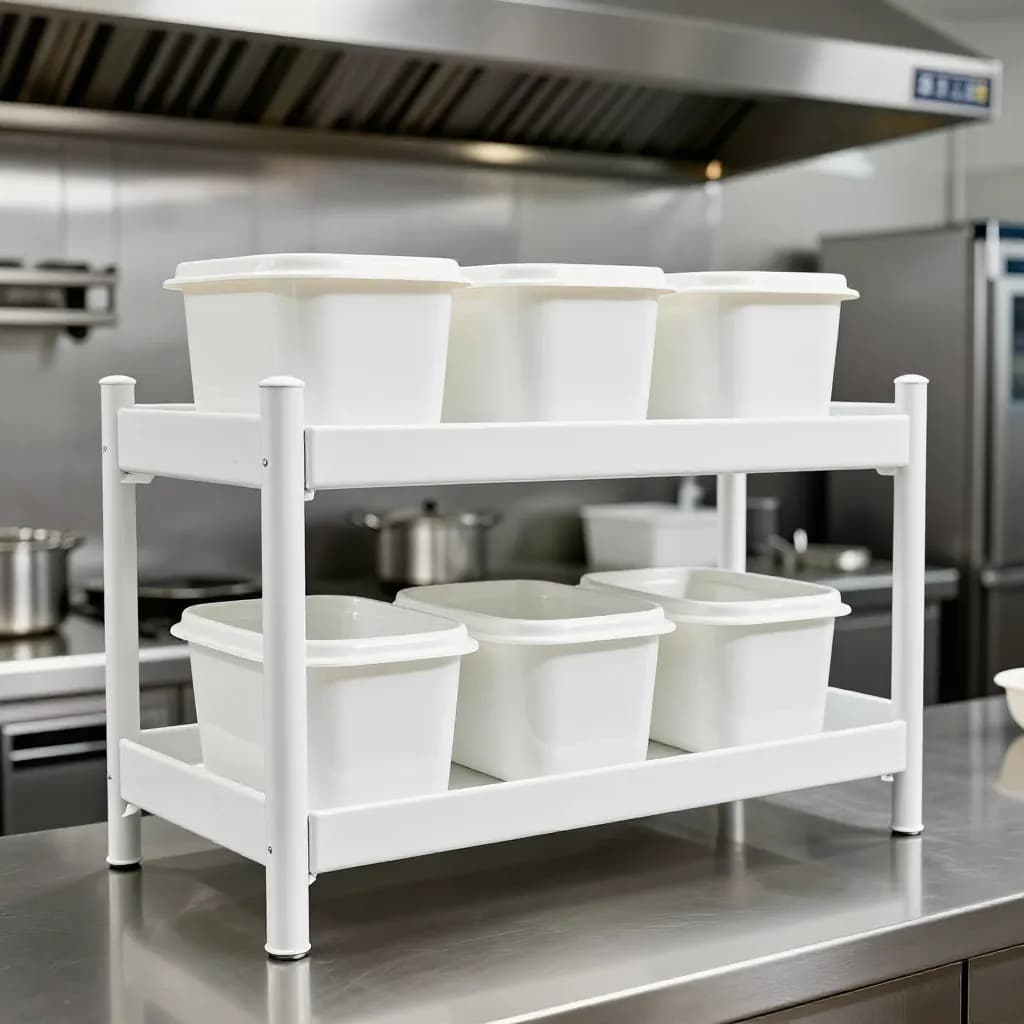
Cured powder coating is safe for food-adjacent surfaces — meaning surfaces that are near food but do not come into direct contact with it. Appliance exteriors, kitchen cabinet hardware, restaurant furniture, commercial kitchen shelving, and food processing equipment housings are all appropriate applications for standard powder coatings. The cured film is inert and does not contaminate nearby food.
However, standard powder coatings are not FDA-approved for direct food contact. Surfaces where food sits, slides, or is prepared directly on the coating require specialized food-grade powder coatings that have been tested and certified for direct contact. These formulations use resins and pigments that meet specific migration limits set by the FDA or equivalent regulatory bodies in other countries.
If your application involves direct food contact, always specify an FDA-compliant or EU-compliant food-contact powder coating and confirm the certification with the powder manufacturer. For everything else — the outside of an oven, the frame of a commercial refrigerator, the legs of a restaurant table — standard powder coatings are perfectly safe and widely used throughout the food service industry.
Safety During Application
While cured powder coating is completely safe, the application process does require standard workplace safety precautions. The primary hazard during spraying is airborne powder dust. Applicators should wear a dust respirator rated for nuisance dust or particulates, safety glasses, and gloves. These are standard PPE requirements, similar to those for any dusty industrial process.
Proper booth ventilation is essential to control airborne powder and maintain a clean working environment. Powder coating booths use filtered extraction systems that capture overspray and reclaim unused powder for reuse. This keeps the air clean for the operator and prevents powder from migrating to other areas of the shop. The reclaimed powder also reduces waste, making the process both safer and more efficient.
Compared to liquid paint application, powder coating is significantly safer for workers. There is no exposure to solvent vapors, no risk of isocyanate sensitization from two-pack paints, and no flammable atmosphere in the spray booth. The most serious health risk in a powder coating operation is typically the media blasting preparation step, which requires its own dedicated PPE and ventilation controls.
Comparing Safety to Liquid Paint
The safety gap between powder coating and liquid paint is substantial. Liquid paints, particularly two-pack polyurethane and epoxy systems, contain solvents that are flammable, toxic, and environmentally harmful. Workers applying liquid paint are exposed to VOC fumes that can cause headaches, dizziness, respiratory irritation, and long-term health effects including liver and kidney damage with chronic exposure.
Isocyanate-based hardeners used in two-pack automotive and industrial paints are a particular concern. Isocyanate exposure can cause occupational asthma, a serious and potentially permanent condition. Once sensitized, a worker may react to even trace amounts of isocyanate, effectively ending their ability to work with these materials. Powder coating eliminates this risk entirely because no isocyanates are involved in the formulation or application.
From an environmental and waste perspective, powder coating is also far cleaner. Liquid paint generates hazardous waste in the form of solvent-contaminated rags, leftover paint, cleaning solvents, and contaminated booth filters. Powder coating generates minimal waste — overspray is reclaimed and reused, and the small amount of waste powder that cannot be reclaimed is a non-hazardous solid that can be disposed of in standard landfill.
Frequently Asked Questions
Can you use powder-coated cups or containers for drinking?
Standard powder coatings are not approved for direct food or beverage contact. While the cured coating is inert, only FDA-compliant food-contact powder coatings have been tested and certified for surfaces that touch food or drink. If you see powder-coated drinkware, it should use a certified food-contact formulation.
Does powder coating smell after curing?
No. Fully cured powder coating has no odor and does not off-gas. Unlike liquid paint, which can smell for days or weeks as solvents evaporate, powder coating completes its chemical reaction in the oven. Once cooled, the finish is completely odor-free and safe for immediate use in enclosed spaces.
Is powder coating safe for children's furniture and toys?
Yes. Cured powder coating is non-toxic and safe for items children will touch and handle. It is widely used on playground equipment, school furniture, and children's bicycle frames. The coating does not contain lead or other heavy metals restricted by consumer safety regulations for children's products.
Are there any allergens in powder coating?
Cured powder coating is chemically inert and is not a known allergen. During application, the uncured powder dust can cause mild respiratory irritation if inhaled in large quantities, which is why applicators wear respirators. Once cured, the coating poses no allergy risk to end users.
Ready to Start Your Project?
From one-off customs to 15,000-part production runs — get precise pricing in 24 hours.