Rust is the common name for iron oxide, the reddish-brown compound that forms when iron or steel reacts with oxygen in the presence of moisture. The process is electrochemical: water acts as an electrolyte, allowing electrons to flow between tiny anodic and cathodic sites on the metal surface. Oxygen dissolved in the water combines with iron ions released at the anode, producing hydrated iron oxide — rust.
Consumer
How Powder Coating Prevents Rust: A Complete Guide
Sundial Powder Coating·April 20, 2026·9 min
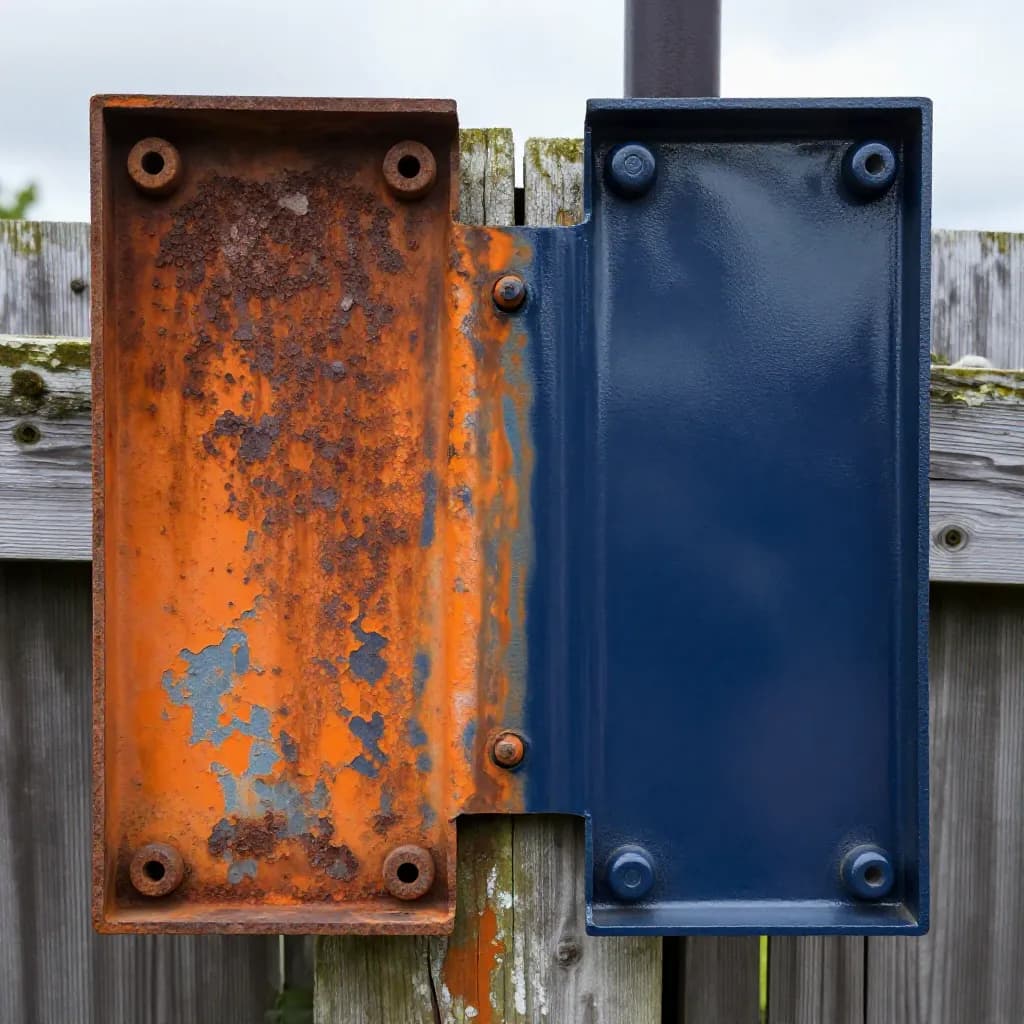
This reaction is self-sustaining and accelerating. Rust is porous and flaky, so it does not form a protective barrier the way aluminum oxide does on aluminum. Instead, each layer of rust exposes fresh metal beneath it, allowing corrosion to penetrate deeper and deeper into the steel. Left unchecked, rust will eventually consume the entire cross-section of a steel component.
Ready to Start Your Project?
From one-off customs to 15,000-part production runs — get precise pricing in 24 hours.
On This Page
How Rust Forms on Metal
Several factors speed up the process. Salt dramatically increases the conductivity of water, which is why coastal environments and road salt cause such aggressive corrosion. Humidity, acid rain, industrial pollutants, and even contact with dissimilar metals can all accelerate rust formation. Any effective rust prevention strategy must address the fundamental requirement: keep moisture and oxygen away from the iron surface.
How Powder Coating Stops Rust
Powder coating prevents rust primarily through barrier protection. The cured powder film forms a continuous, non-porous layer that physically blocks moisture and oxygen from reaching the metal surface. Without these two ingredients, the electrochemical corrosion reaction simply cannot occur. The coating acts as a shield, isolating the reactive metal from the corrosive environment.
The effectiveness of this barrier depends on its thickness, continuity, and adhesion. Powder coating excels on all three counts. A typical powder coat is 60 to 120 microns thick, several times thicker than most liquid paint systems. The electrostatic application process ensures even coverage, and the oven cure creates a fully cross-linked film with no weak spots, pinholes, or solvent-evaporation voids that are common in air-dried paints.
Adhesion is equally important. A coating that peels or lifts allows moisture to creep underneath, causing corrosion that spreads beneath the film. Powder coating bonds tenaciously to properly prepared metal, and the combination of mechanical adhesion from surface profiling and chemical adhesion from pretreatment creates a bond that resists undercutting even if the coating is chipped in one spot.
The Role of Pretreatment
Pretreatment is the chemical preparation step that happens after mechanical cleaning and before powder application. It converts the metal surface into a thin chemical layer that enhances both adhesion and corrosion resistance. Common pretreatment methods include iron phosphate, zinc phosphate, and zirconium-based conversion coatings, each offering different levels of protection.
These conversion coatings work by chemically bonding to the metal surface and creating a microscopically rough, chemically active layer that the powder can grip. More importantly, they add a secondary line of defense against corrosion. If moisture ever penetrates through a chip or scratch in the powder coat, the conversion coating beneath provides localized corrosion inhibition that slows or stops rust from spreading.
The quality of pretreatment directly determines the long-term corrosion resistance of the finished part. A powder coat over bare, untreated metal may look identical to one over properly pretreated metal, but salt spray testing reveals dramatic differences. Pretreated parts routinely withstand 500 to 1,000 hours of salt spray exposure, while untreated parts may show corrosion in under 200 hours.
Primer Systems for Maximum Rust Protection
For the most demanding corrosion environments, a single coat of powder over pretreatment may not be sufficient. In these cases, a two-coat primer-plus-topcoat system provides the highest level of protection. The primer, typically an epoxy or epoxy-polyester formulation, is applied first and cured. It provides excellent adhesion and chemical corrosion resistance directly at the metal surface.
The topcoat, usually a polyester or superdurable polyester, is then applied over the cured primer and cured again. The topcoat provides UV resistance, color, and mechanical durability that the primer alone cannot offer. Epoxy primers are outstanding at corrosion prevention but degrade quickly in sunlight, chalking and losing gloss within months of outdoor exposure. The polyester topcoat shields the primer from UV while the primer shields the metal from corrosion.
This dual-layer approach is standard for architectural steel, outdoor infrastructure, agricultural equipment, and marine applications. The combined system can achieve salt spray resistance exceeding 2,000 hours and outdoor durability measured in decades. For parts that will face harsh conditions, the additional step of applying a primer is well worth the effort.
Maintaining Rust Protection Over Time
Powder coating is not maintenance-free, even though it is remarkably low-maintenance compared to paint. Regular inspection is the most important habit. Walk around coated structures or check coated parts periodically, looking for chips, scratches, or any areas where the coating has been damaged. Catching damage early prevents rust from gaining a foothold.
When you find chips or scratches, address them promptly. Small chips can be touched up with color-matched touch-up paint or a brush-on epoxy to seal the exposed metal. For larger areas of damage, professional repair or recoating of the affected section is the best approach. The key is to prevent moisture from sitting on exposed metal for extended periods.
Regular cleaning also extends the life of the coating. Dirt, salt, and chemical residues can degrade the powder surface over time, especially in industrial or coastal environments. A simple wash with mild soap and water every few months removes contaminants before they can cause harm. Avoid abrasive cleaners or pressure washing at close range, as these can damage the coating surface and reduce its protective effectiveness.
Frequently Asked Questions
Can powder coating stop rust that has already started?
No. All existing rust must be completely removed before powder coating. Coating over rust traps moisture and corrosion products beneath the film, causing the coating to fail rapidly. Thorough abrasive blasting or chemical stripping to clean, bright metal is essential before any coating is applied.
How long does powder coating protect against rust?
A properly applied powder coat with appropriate pretreatment typically protects steel from rust for 10 to 20 years in normal outdoor conditions. In mild, dry climates, protection can last even longer. In severe environments like coastal or industrial settings, a primer-plus-topcoat system is recommended for maximum longevity.
Is powder coating better than galvanizing for rust prevention?
They work differently. Galvanizing provides sacrificial zinc protection that continues working even when scratched. Powder coating provides a thicker barrier with color options but does not offer sacrificial protection. For maximum rust prevention, many specifications call for powder coating over galvanized steel, combining both mechanisms.
Does the color of powder coating affect rust protection?
The color itself does not affect corrosion resistance, but the powder chemistry does. Epoxy-based powders offer the best chemical and corrosion resistance but poor UV stability. Polyester powders are UV-stable but slightly less corrosion-resistant. For outdoor use, a primer-topcoat system gives you the best of both.
Ready to Start Your Project?
From one-off customs to 15,000-part production runs — get precise pricing in 24 hours.