Pet equipment faces a unique combination of challenges that makes finish quality critically important. Dogs scratch at crate doors with their claws, cats rub against kennel bars, and anxious animals can chew on metal surfaces. Any coating that chips or flakes under this kind of mechanical stress creates a potential ingestion hazard. Powder coating's superior adhesion and hardness make it far more resistant to scratching and chipping than conventional paint.
Consumer
Powder Coating Pet Crates, Kennels, and Animal Equipment
Sundial Powder Coating·April 20, 2026·8 min
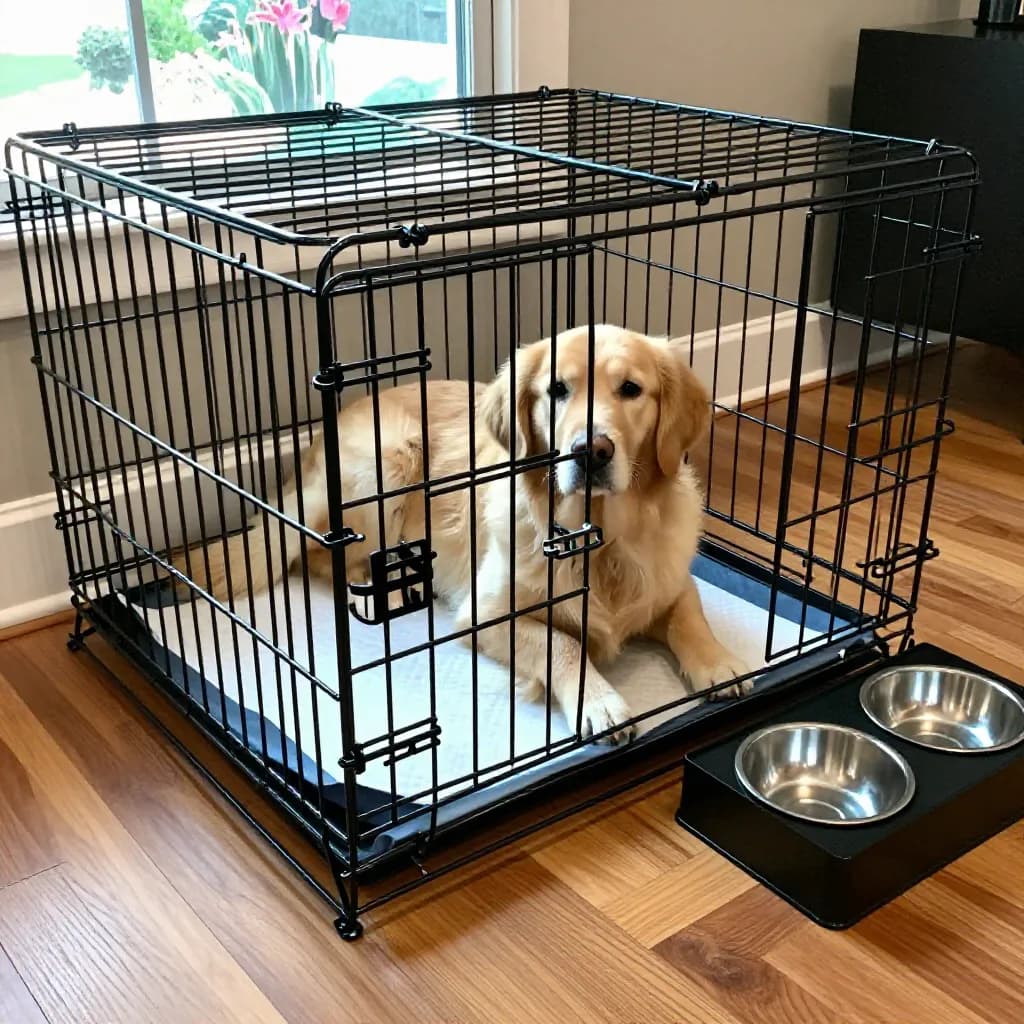
When powder coating is fully cured, it becomes chemically inert and non-toxic. This is a crucial distinction from some liquid paints that may contain residual solvents, volatile organic compounds, or heavy metals that could be harmful if an animal chews on the surface. Cured powder coating contains none of these hazards, making it the safest finish option for equipment that animals contact directly.
Ready to Start Your Project?
From one-off customs to 15,000-part production runs — get precise pricing in 24 hours.
On This Page
Why Powder Coating Matters for Pet Equipment
Ease of cleaning is another essential benefit. Pet crates, kennels, and feeding stations need frequent cleaning to maintain hygiene. Powder-coated surfaces are smooth and non-porous, so waste, food residue, and hair wash off easily with soap and water or standard pet-safe disinfectants. The finish will not degrade from regular cleaning the way painted surfaces often do.
Common Items to Powder Coat
Wire dog crates are the most commonly powder-coated pet item. Budget crates often come with thin, easily chipped paint that starts flaking after a few months of use, especially with larger or more active dogs. Recoating these crates with a proper powder finish dramatically extends their life and eliminates the risk of paint chip ingestion.
Kennel panels, dog run fencing, and outdoor enclosure frames are popular projects for both residential and commercial applications. Boarding facilities, shelters, and veterinary clinics coat these items to maintain a clean, professional appearance and to protect the metal from the constant moisture and cleaning chemicals these environments involve.
Feeding stations, elevated bowl stands, grooming tables, and veterinary exam table frames all benefit from powder coating. These items need to be sanitized frequently and must resist scratching from claws and impacts from daily use. Even smaller items like leash hooks, cage latches, and exercise pen panels can be batch coated affordably for a consistent, durable finish across an entire facility.
Safety Considerations
The safety of any coating used on animal equipment comes down to what happens after curing. Powder coating undergoes a complete chemical transformation during the oven curing process. The powder particles melt, flow together, and cross-link into a continuous, inert polymer film. Once this process is complete, the coating is chemically stable and does not release any harmful substances, even if an animal licks or chews on the surface.
This is fundamentally different from some liquid paints that dry by solvent evaporation. Solvent-based paints can retain trace amounts of volatile compounds in the film for weeks or months after application. While most modern pet-safe paints are formulated to minimize this risk, powder coating eliminates it entirely because no solvents are used at any stage of the process.
For veterinary clinics and professional boarding facilities, the inert nature of cured powder coating also simplifies compliance with health and safety standards. The finish does not harbor bacteria in pores or cracks, it withstands the aggressive disinfectants required in clinical settings, and it maintains its integrity under the constant cleaning cycles these environments demand.
Color Options
Black and white are the standard colors for pet crates and kennel equipment, and they remain the most popular choices for powder coating these items. Black hides scuffs and wear well, while white gives facilities a clean, clinical appearance that communicates hygiene and professionalism. Both colors are available in a range of sheens from matte to gloss.
For veterinary clinics and professional boarding facilities, custom colors offer a branding opportunity. Coating kennel panels, exam table frames, and reception area fixtures in the clinic's brand colors creates a cohesive, professional environment. Calming colors like soft blue or sage green are popular choices for veterinary settings, as they contribute to a less stressful atmosphere for anxious animals.
Home pet owners increasingly choose colors that coordinate with their interior decor. A wire dog crate in matte bronze, satin grey, or even a custom color that matches the living room furniture blends into the home far better than a standard black or silver crate. This small upgrade makes the crate feel like a piece of furniture rather than a utilitarian cage.
Cost and Durability
Individual wire crates and kennel panels typically cost $30 to $100 each to powder coat, depending on size. A standard medium dog crate falls at the lower end, while large or extra-large crates and heavy-duty kennel panels cost more due to their size and the amount of wire that needs coverage. Feeding stations and smaller items run $20 to $50 each.
For veterinary clinics and boarding facilities coating multiple items, batch pricing reduces the per-item cost significantly. A facility coating a dozen kennel panels, several exam table frames, and assorted smaller items in a single project will pay considerably less per piece than individual orders. Many powder coating shops offer volume discounts for commercial animal care clients.
The durability of powder-coated pet equipment is excellent. A properly coated wire crate will withstand years of daily use, regular cleaning, and the scratching and chewing that comes with housing active animals. Most pet owners find that a powder-coated crate outlasts the animal's need for it, making it a one-time investment rather than a recurring replacement expense.
Frequently Asked Questions
Is powder coating safe if my dog chews on the crate?
Fully cured powder coating is chemically inert and non-toxic. If a dog chews on a powder-coated surface, they are not exposed to harmful chemicals. However, persistent heavy chewing can eventually damage any coating. If your dog is a serious chewer, address the underlying anxiety or boredom rather than relying on any coating to withstand sustained chewing.
Can I powder coat a crate that already has a chipped finish?
Yes. The existing finish is completely stripped during preparation, removing all old paint and any rust. The bare wire is then pretreated and coated with fresh powder. The result is a crate that looks and performs like new, regardless of how damaged the original finish was.
How do I clean powder-coated pet equipment?
Clean with warm water and mild soap or a pet-safe disinfectant. The smooth, non-porous surface releases dirt, hair, and waste easily. Avoid abrasive scrubbers that could scratch the finish. For veterinary and boarding applications, standard clinical disinfectants are safe to use on powder-coated surfaces without damaging the finish.
Is powder coating better than chrome plating for pet crates?
For most applications, yes. Powder coating is more resistant to scratching and chipping than chrome plating, and it is available in a much wider range of colors. Chrome can flake in small, sharp pieces if damaged, which poses an ingestion risk for animals. Powder coating fails more gradually and does not produce sharp fragments.
Ready to Start Your Project?
From one-off customs to 15,000-part production runs — get precise pricing in 24 hours.