The waste stream from coating operations represents a significant hidden cost of liquid paint systems. Paint thinner waste, contaminated solvents, spent filters, and hazardous overspray require expensive disposal under RCRA regulations - costs that accumulate over every coating cycle. Powder coating fundamentally transforms this waste equation: with no solvents to dispose of and overspray captured for reuse, powder systems generate a fraction of the waste of liquid alternatives. For government facilities managing environmental compliance and disposal budgets, this waste reduction is both an economic advantage and an environmental benefit.
powder-coating-benefits
Powder Coating Eliminates Hazardous Solvent Waste and Reduces Disposal Costs
Sundial Research Team·February 16, 2025·5 min
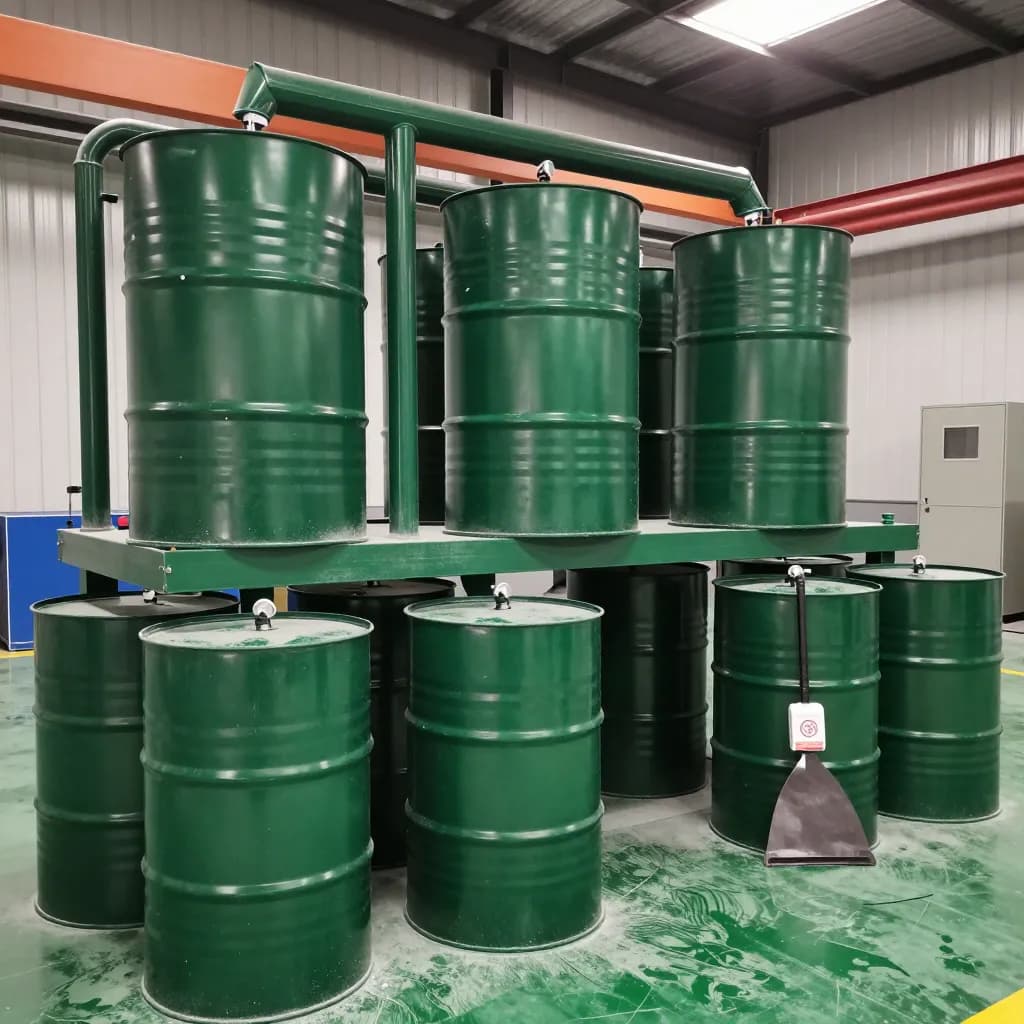
| Source | Waste Type | RCRA Classification | Disposal Cost |
|---|---|---|---|
| Gun cleaning | Contaminated thinner | D001 (ignitable) | $3-8/gallon |
| Line flushing | Mixed solvent/paint | D001, F005 | $5-12/gallon |
| Excess thinner | Unused solvent | D001 | $3-8/gallon |
| Stripper waste | Methylene chloride | D001, F002 | $8-15/gallon |
Ready to Start Your Project?
From one-off customs to 15,000-part production runs — get precise pricing in 24 hours.
On This Page
Powder Coating Eliminates Hazardous Solvent Waste and Reduces Disposal Costs
Liquid Paint Waste Streams
1. Solvent Waste
A medium-sized shop may generate 500-2,000 gallons/year of solvent waste.
2. Paint Waste
| Source | Waste Type | RCRA Classification |
|---|---|---|
| Overspray | Paint sludge/solids | D001 (ignitable if liquid) |
| Expired paint | Unusable product | May be D001 |
| Contaminated paint | Off-specification | Product waste |
| Filter media | Paint-impregnated | Hazardous if contains listed waste |
3. Contaminated Materials
- Rags and wipes: Solvent-contaminated shop towels (may be hazardous)
- PPE: Contaminated gloves, coveralls, respirator cartridges
- Containers: Empty paint cans and thinner drums (may require triple-rinsing)
- Booth filters: Overspray-laden exhaust filters
4. Wastewater
- Booth water wash: Water-based paint overspray in water wash booths
- Gun cleaning water: Waterborne gun cleaning
- Surface preparation: Pressure washing wastewater
Powder Coating Waste Streams
Minimal Waste Generation
| Waste Source | Powder Coating | Liquid Equivalent | Reduction |
|---|---|---|---|
| Solvent waste | None | 500-2,000 gal/year | 100% |
| Paint overspray | Collected and reused | Hazardous sludge | ~95% |
| Expired material | Minimal (stable powder) | Significant (liquid separates) | ~80% |
| Contaminated PPE | Minimal | Extensive | ~70% |
| Booth filters | Standard industrial | Hazardous (paint-laden) | ~60% |
| Wastewater | None (no water in process) | Varies | 100% |
What Waste Powder Coating Does Generate
- Overspray: 5-10% of sprayed powder; collected in recovery system
- Contaminated powder: Color-change contamination, foreign material
- Floor sweepings: Minor powder accumulation
- Packaging: Bags, boxes, drums (recyclable)
- Cured reject parts: Stripped and re-coated or disposed as solid waste
Most of this waste is non-hazardous and can be disposed of as ordinary industrial waste.
RCRA Regulatory Framework
Hazardous Waste Determination
Liquid paint waste is often classified as hazardous under RCRA:
| Characteristic | Test Method | Common Paint Wastes |
|---|---|---|
| Ignitability (D001) | Flash point <60C | Solvents, thinners, some paints |
| Toxicity (D004-D043) | TCLP extraction | Heavy metal pigments |
| Corrosivity (D002) | pH <=2 or >=12.5 | Some strippers, cleaners |
| Reactivity (D003) | Cyanide/sulfide generation | Some two-component systems |
Listed Wastes
| Waste Code | Description | Paint Source |
|---|---|---|
| F001 | Spent halogenated solvents | Degreasers, cleaners |
| F002 | Spent non-halogenated solvents | Thinners, reducers |
| F003 | Spent non-halogenated solvents | Nonaqueous cleaning |
| F005 | Spent non-halogenated solvents | Multisource |
| K048 | Tank bottoms (petroleum refining) | May affect some coatings |
Generator Status
| Generator Category | Monthly Waste Generation | Regulatory Burden |
|---|---|---|
| VSQG | <=100 kg/month | Minimal |
| SQG | 100-1,000 kg/month | Moderate |
| LQG | >1,000 kg/month | Extensive |
Large coating operations often exceed SQG or LQG thresholds, triggering comprehensive RCRA requirements.
Cost Comparison: Waste Disposal
Annual Disposal Costs (Medium Facility)
| Waste Stream | Liquid Paint | Powder Coating | Annual Savings |
|---|---|---|---|
| Solvent waste | $15,000-40,000 | $0 | $15,000-40,000 |
| Paint sludge | $8,000-20,000 | $500-2,000 | $7,500-18,000 |
| Contaminated materials | $5,000-12,000 | $1,000-3,000 | $4,000-9,000 |
| Container disposal | $3,000-8,000 | $500-1,500 | $2,500-6,500 |
| RCRA compliance | $5,000-15,000 | $500-2,000 | $4,500-13,000 |
| Manifesting/tracking | $2,000-5,000 | $200-500 | $1,800-4,500 |
| Training | $3,000-8,000 | $500-1,500 | $2,500-6,500 |
| Insurance | $2,000-5,000 | $500-1,000 | $1,500-4,000 |
| TOTAL | $43,000-113,000 | $3,700-11,500 | $39,300-101,500 |
Estimates for medium-sized coating facility (20-50 workers)
Environmental Benefits Beyond Disposal
Reduced Upstream Impact
- Less coating material manufactured = less raw material extraction
- Reduced transportation of raw materials and waste
- Lower energy consumption in coating production
Reduced Downstream Impact
- No solvent emissions to atmosphere
- No leaching from landfills (non-hazardous powder waste)
- No wastewater discharge
Resource Conservation
- Recovered powder is reused = circular material flow
- Extended asset life = reduced replacement frequency
- Less packaging waste (powder is concentrated; no liquid containers)
Operational Simplicity
Reduced Regulatory Burden
| Regulatory Area | Liquid Paint | Powder Coating |
|---|---|---|
| RCRA hazardous waste | Extensive | Minimal |
| SPCC plan | Required (oil storage) | May not apply |
| Stormwater permit | May apply (outdoor storage) | Less concern |
| Air emissions reporting | Extensive VOC tracking | Minimal |
| DOT shipping | Hazardous materials training | Standard freight |
| OSHA HAZWOPER | May apply | Less likely |
Simplified Housekeeping
- No solvent storage areas requiring secondary containment
- No flammable liquid cabinets
- No special fire suppression requirements
- No spill response kits for solvent spills
- Standard industrial cleaning practices
The Government Facility Advantage
For government agencies, waste reduction provides specific benefits:
- Budget predictability: Lower, more stable waste disposal costs
- Compliance simplification: Reduced regulatory burden and inspection exposure
- Environmental reporting: Improved metrics for sustainability goals
- Risk reduction: Lower liability from hazardous waste management
- Operational flexibility: Less constraint on production scheduling
Conclusion
The waste stream from liquid paint operations is a significant and often underestimated cost of coating work. Hazardous solvent waste, contaminated materials, and regulatory compliance create annual costs that can exceed $100,000 for medium-sized facilities. These costs are not merely financial - they represent environmental burdens that persist long after the coating application is complete.
Powder coating transforms this equation. With no solvents to dispose of, overspray that is collected and reused, and minimal hazardous waste generation, powder systems reduce waste management costs by 80-90% while simultaneously eliminating the environmental impacts of hazardous waste disposal.
For government agencies managing environmental compliance, sustainability goals, and operational budgets, the waste reduction advantage of powder coating is not a minor operational detail. It is a fundamental reorientation of the coating process from a waste-generating activity to a near-zero-waste operation. The choice between liquid paint and powder coating is, in part, a choice between generating hazardous waste and eliminating it.
Ready to Start Your Project?
From one-off customs to 15,000-part production runs — get precise pricing in 24 hours.