A motorcycle frame takes constant abuse from road debris, chain lube, fuel spills, and weather exposure. Powder coating provides the toughest finish available for this kind of punishment. Unlike spray paint or rattle-can enamel, a cured powder coat forms a dense, chemically cross-linked film that resists chips, scratches, fuel, brake fluid, and UV fading far better than any liquid paint.
Consumer
Powder Coating Motorcycle Frames: Everything You Need to Know
Sundial Powder Coating·April 20, 2026·8 min
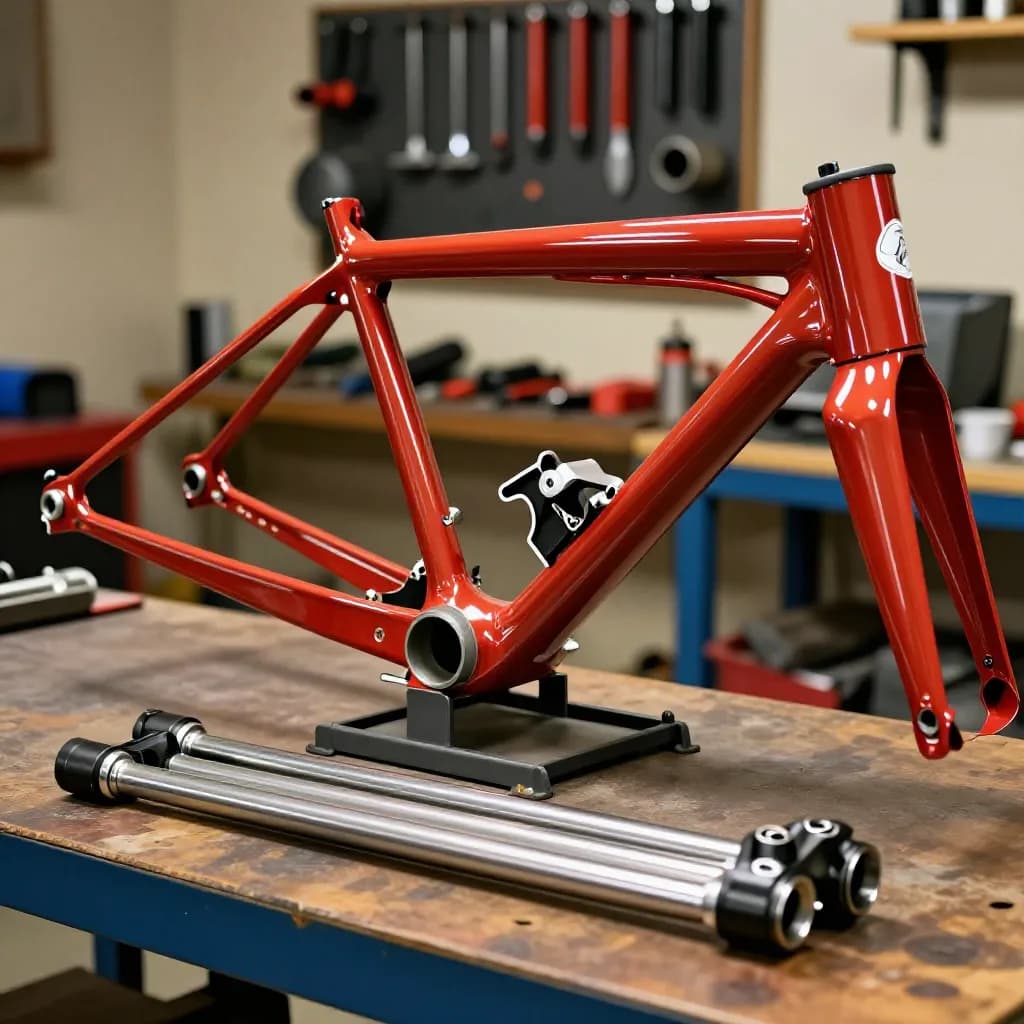
For custom builders and restorers, powder coating also opens up a huge range of color and finish options that simply are not available in off-the-shelf spray cans. Whether you want a deep gloss black, a textured wrinkle finish, or a vibrant candy color, powder coating delivers a factory-quality result that elevates the entire build.
Ready to Start Your Project?
From one-off customs to 15,000-part production runs — get precise pricing in 24 hours.
On This Page
Why Powder Coat a Motorcycle Frame?
There is also a practical durability argument. A well-prepped and properly coated frame can look great for the life of the motorcycle. Riders who have tried painting frames know the frustration of chips appearing within weeks. Powder coating largely eliminates that problem, making it the go-to choice for anyone serious about a lasting finish.
Preparation: Getting the Frame Ready
Proper preparation is the single most important factor in a successful powder coat job, and motorcycle frames require more attention than most parts. The frame must be completely disassembled before coating. Every bracket, tab, wiring clip, bearing, bushing, and fastener needs to come off. Anything left on the frame will either be ruined by the oven heat or prevent the powder from reaching the metal underneath.
Once stripped, the frame is media blasted to remove all old paint, rust, and surface contamination. This creates a clean, slightly roughened surface profile that the powder can grip. Common blasting media include aluminum oxide, glass bead, or garnet, depending on the frame material and condition.
Masking is a critical step that separates a good shop from a great one. Threaded holes, bearing surfaces, pivot points, and any machined mating surfaces must be carefully plugged or masked before coating. Powder buildup in these areas can cause assembly problems, bearing fitment issues, or prevent proper torque on fasteners. Discuss masking requirements with your coater before dropping off the frame.
Color and Finish Options
Gloss and satin black are the most popular choices for motorcycle frames, and they look sharp on virtually any style of bike from cafe racers to choppers. But powder coating offers far more than just black. Matte finishes give a modern, stealthy look, while gloss finishes provide depth and richness that catches the light beautifully.
Wrinkle and texture finishes are popular for frames because they hide minor surface imperfections and give a rugged, industrial aesthetic. Wrinkle black is a classic choice for vintage restorations and cafe racer builds. These textured finishes also tend to be more forgiving of small chips and scratches since the texture disguises minor damage.
For builders who want to make a statement, candy colors, metallics, and two-tone combinations are all achievable. Candy coats involve a metallic base layer topped with a translucent color coat, creating a deep, jewel-like finish. Two-tone frames with contrasting colors on the main tubes and subframe can look stunning. Keep in mind that multi-stage finishes require additional curing cycles and will cost more.
Cost Expectations
A single-color powder coat on a motorcycle frame typically costs between $200 and $500. The wide range reflects differences in frame size, condition, and the amount of prep work required. A clean, already-stripped sportbike frame will be at the lower end, while a large cruiser frame caked in old paint and surface rust will require more labor and cost accordingly.
Multi-stage finishes add to the price. A two-tone job or candy coat can run $400-800 or more because each color layer must be applied and cured separately. If you want the swingarm, subframe, or other chassis components coated to match, budget for those as additional pieces.
When comparing quotes, make sure you understand what is included. Some shops quote coating only and charge separately for stripping, blasting, and masking. Others provide an all-inclusive price. Ask specifically about masking, as thorough masking of threaded holes and bearing surfaces takes time and skill. A slightly higher quote from a shop that does meticulous prep work is almost always worth it.
Tips for a Great Result
Choose a shop with experience coating motorcycle frames specifically. Frames have complex geometry with tight corners, internal tubes, and hard-to-reach areas that require skill to coat evenly. A shop that primarily coats flat panels or simple parts may not have the technique to handle a frame properly. Ask to see examples of previous motorcycle work.
Bring reference photos of the color and finish you want. Verbal descriptions of colors are unreliable, and what you picture as gunmetal grey might be very different from what your coater imagines. A photo, a RAL color code, or a physical sample eliminates guesswork and ensures you get the result you are after.
Discuss masking in detail before the work begins. Provide your coater with a list of every area that needs to remain uncoated, including head tube bearings, swingarm pivot, shock mounts, and engine mount surfaces. If possible, bring the frame in person so you can point out these areas together. Taking ten minutes to walk through masking requirements can save hours of frustration during reassembly.
Frequently Asked Questions
Do I need to strip the frame myself before taking it to a powder coater?
No, most powder coating shops offer stripping and blasting as part of their service. However, you do need to fully disassemble the frame, removing all components, wiring, bearings, and hardware. The shop handles removing the old finish, but mechanical disassembly is your responsibility unless you arrange otherwise.
Will powder coating affect the frame's structural integrity?
No. The curing temperature of around 200 degrees Celsius is well below the threshold that would affect the metallurgical properties of steel or aluminum motorcycle frames. The process does not weaken, warp, or alter the frame structure in any way.
How long does powder coating a motorcycle frame take?
Most shops complete a motorcycle frame in three to five business days, depending on their workload and the complexity of the job. Multi-stage finishes or frames requiring significant repair work may take longer. Ask your shop for a timeline estimate when you drop off the frame.
Can I powder coat an aluminum motorcycle frame?
Yes, aluminum frames can be powder coated just like steel frames. The process is essentially the same, though the pretreatment chemistry may differ slightly. Aluminum frames are lighter and conduct heat differently, but an experienced coater will adjust their process accordingly for excellent results.
Ready to Start Your Project?
From one-off customs to 15,000-part production runs — get precise pricing in 24 hours.