Metallic powder coatings contain small flakes of aluminum, mica, or other reflective particles mixed into the powder formulation. When the coating is applied and cured, these flakes orient themselves within the film and reflect light at various angles, creating the sparkle, shimmer, and depth that define a metallic finish. The effect ranges from a subtle, fine shimmer to a bold, glittering sparkle depending on the size and concentration of the flakes.
Consumer
Metallic and Candy Powder Coating Finishes: A Visual Guide
Sundial Powder Coating·April 20, 2026·8 min
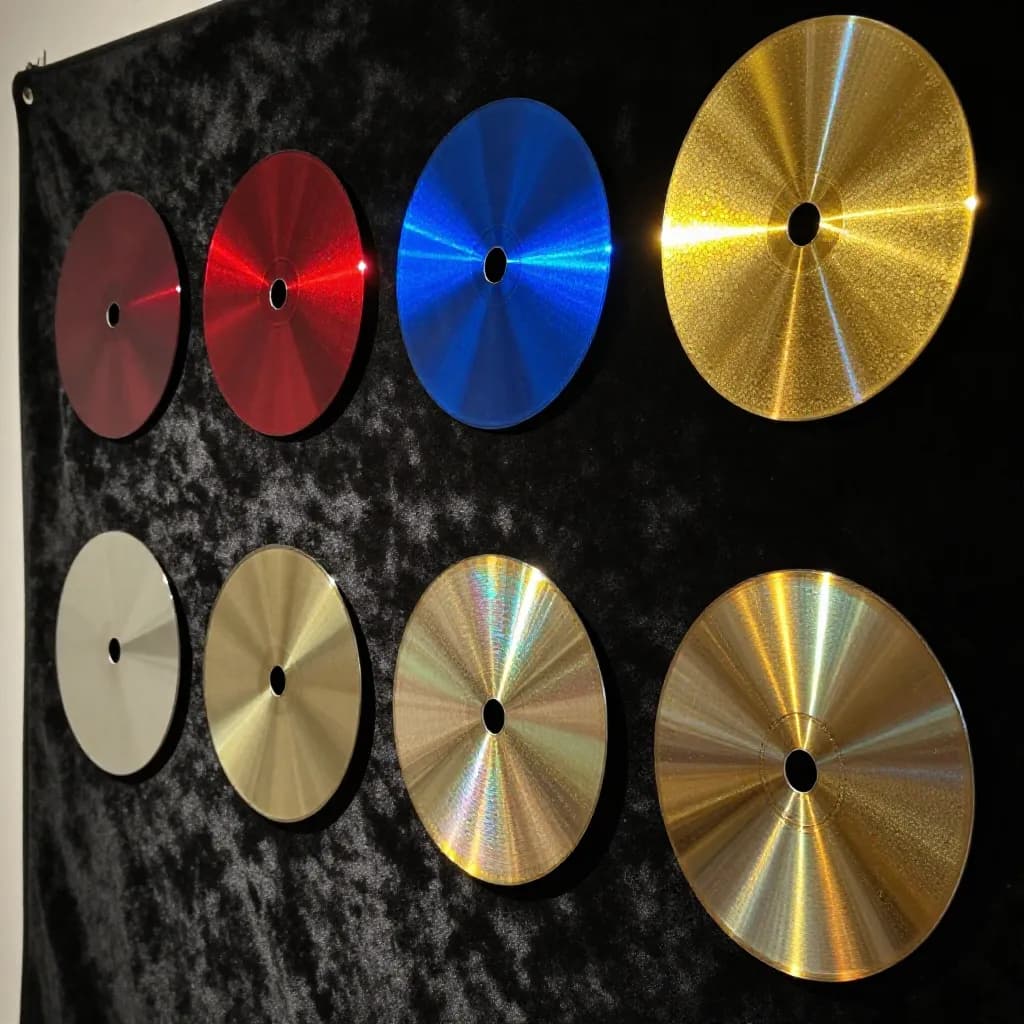
The visual impact of metallic powder coatings goes far beyond what solid colors can achieve. Light plays across the surface differently depending on the viewing angle, giving the finish a sense of depth and movement that flat colors lack. This is why metallic finishes are so popular for automotive wheels, motorcycle parts, bicycle frames, and any application where visual impact matters.
Ready to Start Your Project?
From one-off customs to 15,000-part production runs — get precise pricing in 24 hours.
On This Page
What Are Metallic Powder Coatings
Metallic powders are available in an enormous range of colors and effects. Silver, gold, bronze, and copper metallics are classics, but the range extends to metallic blues, reds, greens, purples, and virtually every other hue. The base color, flake type, flake size, and flake concentration can all be varied to create distinct effects, giving specifiers and designers a vast palette to work with.
Bonded vs Dry-Blend Metallics
There are two primary methods for incorporating metallic flakes into powder coatings, and the difference between them has a significant impact on consistency and quality. Dry-blend metallics are created by simply mixing loose metallic flakes with the base powder. The flakes and powder particles are separate entities that are loaded into the spray gun together. This method is straightforward and allows for easy customization of the metallic effect.
The drawback of dry blending is inconsistency. Because the metallic flakes and powder particles have different sizes, weights, and electrostatic properties, they do not always deposit on the part in the same ratio. The first parts sprayed from a fresh hopper may look different from the last parts as the flake-to-powder ratio shifts during application. Reclaimed overspray powder also changes in composition, making recycling problematic.
Bonded metallics solve these problems by physically attaching the metallic flakes to the surface of each powder particle during manufacturing. This ensures that every particle carries its proportional share of metallic flake, resulting in a consistent appearance from the first part to the last and from batch to batch. Bonded metallics also reclaim and recycle cleanly because the flake-to-powder ratio remains stable. For critical applications where consistency matters, bonded metallics are the clear choice.
Candy and Transparent Coatings
Candy coatings, also called transparent or translucent coatings, create a jewel-like depth of color that is impossible to achieve with standard opaque powders. The process involves applying a metallic or chrome-like base coat first, then applying a transparent colored powder over the top. Light passes through the transparent color layer, reflects off the metallic base, and passes back through the color layer again, creating an incredibly rich, deep, luminous finish.
The candy coating process requires two separate application and cure cycles, which adds complexity and time. The base coat must be fully cured before the transparent top coat is applied, and the top coat must then be cured at its own specified schedule. Each layer must be applied uniformly because variations in thickness directly affect the color intensity. Thicker areas appear darker and more saturated, while thinner areas look lighter and more washed out.
Candy red, candy blue, candy green, and candy gold are among the most popular choices, particularly for automotive and motorcycle applications. The depth and richness of a well-executed candy finish is genuinely stunning and photographs beautifully. However, the multi-step process and the sensitivity to application uniformity mean that candy coatings demand an experienced applicator and careful quality control.
Other Special Effects
Chameleon or color-shift powder coatings change color depending on the viewing angle. A part that appears green when viewed straight on might shift to blue or purple when seen from the side. This effect is created by multi-layer interference pigments that reflect different wavelengths of light at different angles. Color-shift coatings are dramatic and eye-catching, making them popular for show vehicles, custom motorcycles, and artistic metalwork.
Chrome-look powder coatings aim to replicate the appearance of chrome plating without the environmental concerns of the traditional chrome plating process. While no powder coating can perfectly match the mirror-like reflectivity of electroplated chrome, modern chrome-effect powders come impressively close. They use highly reflective aluminum flakes in a clear or lightly tinted base to create a bright, mirror-like finish that works well for decorative applications.
Pearlescent powders contain mica flakes coated with thin layers of metal oxide that create a soft, iridescent shimmer. The effect is more subtle than metallic sparkle, producing a gentle color shift and a luminous quality that adds sophistication to any surface. Glow-in-the-dark powders absorb light energy and release it slowly in darkness, creating a visible glow that can last for hours. These specialty powders are used for safety markings, novelty items, and creative applications.
Tips for Specifying Special Effect Finishes
The most important rule when specifying any special effect finish is to always approve a physical sample before production begins. Photographs, digital renderings, and screen images cannot accurately represent how metallic flakes catch the light, how a candy coat shifts in depth, or how a chameleon finish changes with viewing angle. Request a sprayed and cured sample panel and evaluate it in person under the lighting conditions where the finished parts will be displayed.
Have a detailed conversation with your coater before committing to a special effect finish. Discuss the specific effect you want, the substrate material and condition, the size and geometry of the parts, and any performance requirements. Some effects are more challenging to apply consistently on complex shapes, and your coater can advise on what will work well and what might be problematic for your specific parts.
Understand the limitations of special effect finishes. Multi-stage processes like candy coats are more susceptible to variation than single-coat applications. Touch-up and repair of special effect finishes is extremely difficult because matching the exact flake orientation and layer thickness of the original is nearly impossible. If a part is damaged, the most reliable repair is to strip and recoat the entire piece. Plan accordingly for applications where damage is likely.
Frequently Asked Questions
Are metallic powder coatings as durable as solid colors?
Yes. The metallic flakes are encapsulated within the same resin system as solid color powders, so the mechanical and chemical durability is comparable. The flakes do not compromise the coating's hardness, adhesion, or corrosion resistance. However, touch-up of metallic finishes is more difficult because matching the flake orientation and density of the original coating is challenging.
Can I get a true mirror chrome finish with powder coating?
Powder coating cannot achieve the perfect mirror reflectivity of electroplated chrome. Chrome-effect powders create a bright, highly reflective finish that looks impressive, but side by side with real chrome plating, the difference is visible. For applications where a chrome-like appearance is desired without the environmental impact of plating, chrome-effect powder is an excellent alternative.
Why does my metallic finish look different from different angles?
This is normal and expected behavior called flop or travel. Metallic flakes reflect light directionally, so the appearance changes with the viewing angle. The degree of flop depends on the flake size, type, and orientation within the film. This angular variation is part of what gives metallic finishes their visual depth and interest.
Can candy coatings be used outdoors?
Yes, provided both the base coat and the transparent top coat are formulated with UV-stable chemistries, typically polyester-based. Some transparent powders are more susceptible to UV degradation than opaque colors, so confirm with your powder supplier that the specific transparent powder you are using is rated for outdoor exposure if the parts will be in direct sunlight.
Ready to Start Your Project?
From one-off customs to 15,000-part production runs — get precise pricing in 24 hours.