Light fixtures are one of the easiest and most affordable ways to update a room, but replacing them entirely can be expensive, especially if you have quality fixtures with dated finishes. Powder coating lets you keep the fixtures you already own and give them a completely new look. That polished brass chandelier from the 1990s can become a sleek matte black centerpiece in an afternoon at the coating shop.
Consumer
Powder Coating Light Fixtures and Lamp Bases
Sundial Powder Coating·April 20, 2026·7 min
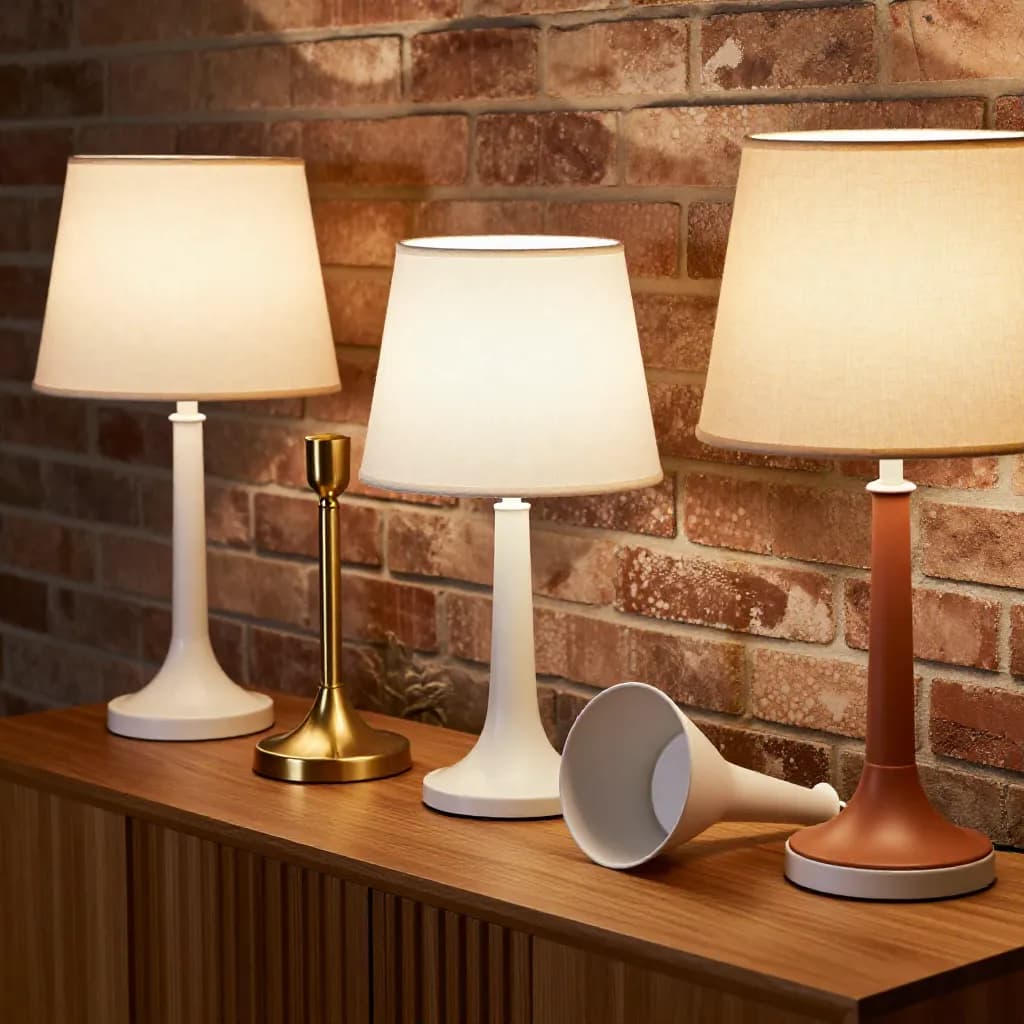
Restoring vintage and antique light fixtures is another popular reason to powder coat. Mid-century modern lamps, Art Deco wall sconces, and industrial pendant lights often have beautiful forms but worn or corroded finishes. Powder coating brings these pieces back to life while preserving their original character and craftsmanship.
Ready to Start Your Project?
From one-off customs to 15,000-part production runs — get precise pricing in 24 hours.
On This Page
Why Powder Coat Light Fixtures?
Powder coating also provides a more durable finish than spray paint for fixtures in high-moisture environments. Bathroom vanity lights, outdoor porch lanterns, and kitchen pendants above the stove all benefit from the chemical and moisture resistance that powder coating provides. The finish will not peel, bubble, or discolor from humidity the way many spray paints do.
What Can Be Coated
Any metal component of a light fixture can be powder coated. Metal lamp bases in cast iron, steel, brass, or aluminum are all excellent candidates. Chandelier frames, whether simple modern designs or ornate traditional styles, coat beautifully as long as all non-metal components are removed first.
Pendant light housings, wall sconce bodies, and outdoor lantern frames are commonly coated items. Track lighting heads and rails can also be refinished to match a new color scheme. Even ceiling fan light kits and the metal housing of recessed light trims can be powder coated for a custom look.
The key requirement is that the component must be metal and able to withstand oven curing temperatures of approximately 200°C. Glass shades, plastic diffusers, fabric lampshades, and any wiring or electrical components must be completely removed before the metal parts go to the coater. This disassembly is straightforward for most fixtures and is part of what makes lighting projects so accessible.
Popular Finishes
Matte black is the most requested finish for light fixtures, driven by the ongoing popularity of black hardware and fixtures in modern interior design. It works in virtually every room and pairs well with brass accents, natural wood, and both light and dark color palettes. Satin black offers a slightly softer look with a gentle sheen.
Satin gold and brushed gold finishes have become extremely popular as homeowners move away from polished brass toward warmer, more muted metallic tones. Powder coating can replicate these trendy finishes on existing fixtures at a fraction of the cost of buying new designer lighting. Oil-rubbed bronze is another perennial favorite that adds warmth and depth to traditional and transitional spaces.
Custom colors allow for truly personalized lighting. A bold pendant light in deep navy, forest green, or terracotta can become a statement piece in a kitchen or dining room. White and cream finishes suit coastal and Scandinavian-inspired interiors. The range of available powder colors means any design vision can be realized.
The Process
The first and most important step is complete disassembly. All wiring, sockets, switches, glass, and non-metal components must be removed from the fixture. Only the bare metal body goes to the powder coating shop. Label each piece and take photos during disassembly to make reassembly easy. If you are not comfortable with electrical work, have an electrician handle the disassembly and rewiring.
At the shop, the metal components are stripped of their existing finish using chemical stripping or light media blasting. Brass fixtures may need only a light scuff to create adhesion, while painted or corroded steel fixtures require more aggressive preparation. A pretreatment is applied to promote adhesion and prevent corrosion.
After coating and curing, the finished pieces are returned ready for reassembly. Rewiring with new sockets and cord is recommended for vintage fixtures, both for safety and because the old wiring may not survive the disassembly process. A qualified electrician can rewire and reinstall the fixture, completing the transformation.
Cost Guide
Small fixtures like wall sconces, single pendant housings, and lamp bases typically cost $20 to $75 each to powder coat. At this price point, refinishing is almost always cheaper than buying new designer fixtures, which can easily cost $100 to $500 or more for quality pieces. Batch coating multiple small fixtures at once often qualifies for a volume discount.
Larger fixtures like chandeliers, multi-arm pendants, and outdoor lanterns range from $75 to $200 depending on size and complexity. Ornate fixtures with many small parts require more masking and handling time, which increases the cost. However, even at the higher end, powder coating a quality chandelier is far less expensive than replacing it with a comparable new fixture.
Factor in the cost of rewiring if you are restoring vintage fixtures. New sockets, cord, and installation by an electrician typically add $30 to $100 per fixture. The total investment for stripping, coating, and rewiring a vintage fixture is still a fraction of what a new designer piece would cost, and you end up with something unique that cannot be bought off a shelf.
Frequently Asked Questions
Can I powder coat a fixture that is currently chrome or polished nickel?
Yes. Chrome and nickel plating can be coated over after proper surface preparation, typically light abrasive blasting to create a surface profile for adhesion. The plating does not need to be fully stripped in most cases, though your coater will assess the specific piece and recommend the best approach.
Will powder coating hide imperfections in old fixtures?
Powder coating can mask minor surface imperfections, and textured finishes like wrinkle or hammertone are especially good at hiding small dents and pitting. However, significant dents, deep scratches, or structural damage should be repaired before coating for the best result.
Is it safe to powder coat fixtures used in wet locations like bathrooms?
Yes, and powder coating is actually an excellent choice for wet locations. The cured finish is moisture resistant and will not peel or bubble from humidity like some spray paints. For outdoor fixtures, powder coating provides superior weather resistance compared to most factory finishes on budget lighting.
How do I find the right color to match my other hardware?
Bring a sample of your existing hardware, such as a cabinet pull or door handle, to the powder coating shop. Most shops have extensive color charts and can match or closely approximate any finish. RAL color codes and manufacturer color references help ensure an accurate match across different pieces.
Ready to Start Your Project?
From one-off customs to 15,000-part production runs — get precise pricing in 24 hours.