Powder coating has become the dominant finishing technology for kitchen appliances, replacing porcelain enamel and liquid paint across a wide range of products from full-size refrigerators to countertop mixers. The shift began in the 1990s as appliance manufacturers recognized that powder coating could deliver comparable aesthetics and durability at higher production speeds with significantly lower environmental impact.
Consumer
Powder Coating for Kitchen Appliances: Heat-Resistant, Fingerprint-Proof Finishes for Modern Kitchens
Sundial Powder Coating·April 22, 2026·11 min
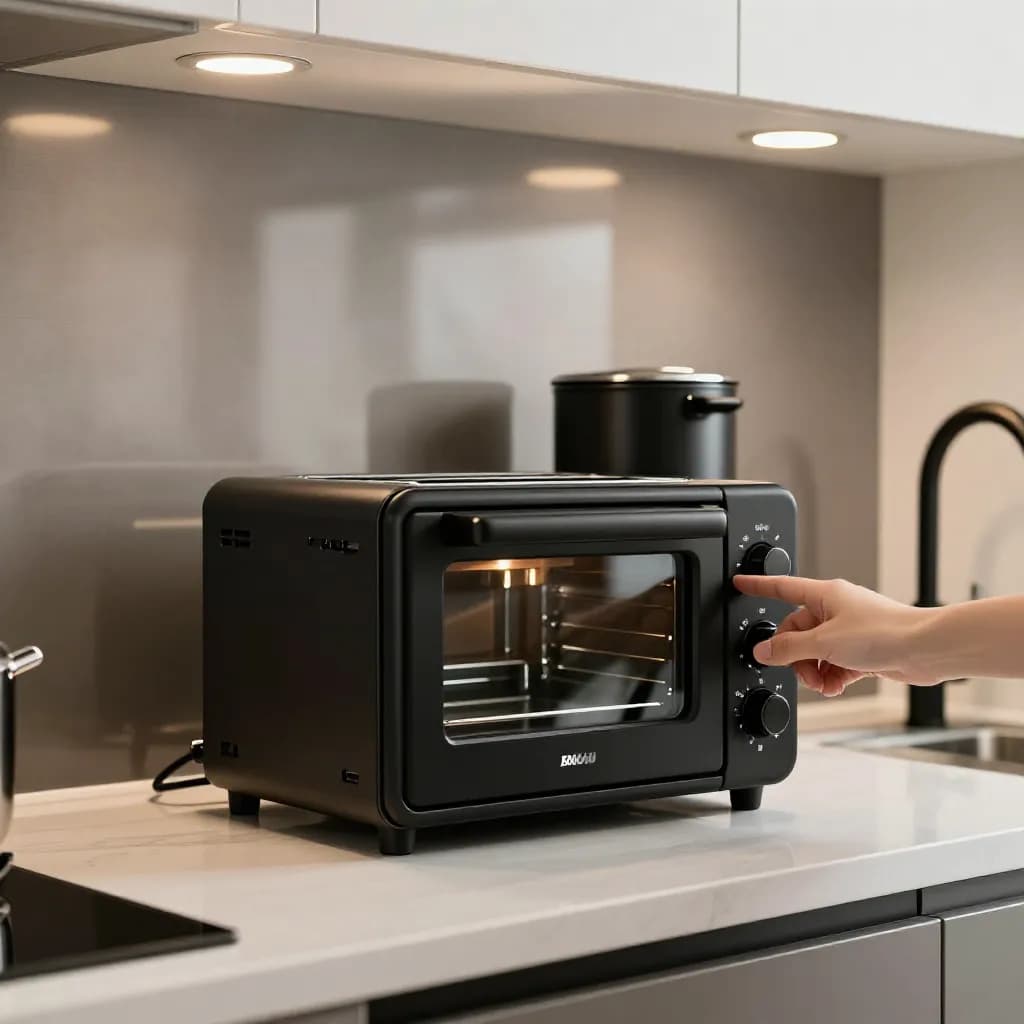
Today, virtually every major appliance manufacturer uses powder coating for at least part of their product range. The technology's advantages align perfectly with the demands of appliance finishing: consistent color and gloss across large production runs, excellent adhesion to steel and aluminum substrates, resistance to the thermal and chemical stresses of kitchen environments, and compliance with increasingly stringent VOC emission regulations.
Ready to Start Your Project?
From one-off customs to 15,000-part production runs — get precise pricing in 24 hours.
On This Page
The Role of Powder Coating in Modern Appliance Manufacturing
The appliance sector has also driven significant innovation in powder coating technology. The demand for ultra-smooth finishes that rival liquid paint has led to the development of thin-film powder coatings that can be applied at 40-60 microns while maintaining full coverage and edge protection. Low-temperature cure formulations that crosslink at 140-160°C have expanded the range of substrates and components that can be powder coated, including plastic-containing assemblies that cannot withstand traditional 180-200°C cure schedules.
Fingerprint-resistant and anti-smudge powder coatings represent one of the most commercially significant recent developments, addressing a consumer pain point that has driven purchasing decisions in the premium appliance segment. These specialized formulations use micro-textured surface profiles or oleophobic additives to minimize the visibility of fingerprints and make them easier to wipe clean.
Refrigerators and Freezers: Exterior and Interior Coatings
Refrigerators represent the largest single application for powder coating in the appliance industry. The exterior panels, doors, and handles of modern refrigerators are almost universally powder coated, with the technology having largely displaced porcelain enamel and pre-coated steel (coil coating) for these components.
Exterior refrigerator coatings must meet demanding aesthetic and performance requirements. Color consistency across doors, side panels, and trim pieces manufactured on different production lines is essential — visible color variation between components of the same appliance is a quality defect. Powder coating achieves this consistency through precise formulation control and automated application systems that maintain uniform film thickness within tight tolerances of ±5 microns.
The finish must also resist the daily wear of a kitchen environment: fingerprints, food splashes, cleaning chemicals, and minor impacts from pots, pans, and utensils. Polyester and polyester-epoxy hybrid powder coatings are the standard chemistries for refrigerator exteriors, providing a balance of hardness (pencil hardness H to 2H), flexibility, chemical resistance, and UV stability for units positioned near windows.
Interior refrigerator surfaces present different challenges. These coatings must withstand continuous cold temperatures (typically 2-4°C for fresh food compartments and -18°C for freezers), high humidity, and contact with acidic and alkaline food substances. Epoxy powder coatings are commonly used for interior surfaces due to their excellent chemical resistance and adhesion retention under cold, humid conditions. FDA compliance for food-contact surfaces is verified through extraction testing per 21 CFR 175.300.
The trend toward stainless steel appearance in refrigerators has been partially addressed by metallic powder coatings that replicate the look of brushed stainless at lower weight and with better fingerprint resistance than actual stainless steel surfaces.
Ovens, Ranges, and High-Temperature Applications
Oven and range applications represent the most thermally demanding use of powder coating in the kitchen appliance sector. While the exterior surfaces of ovens operate at moderate temperatures (typically below 80°C during normal use), interior cavity coatings and components near heating elements must withstand sustained temperatures of 250-300°C and brief excursions to 500°C during self-cleaning cycles.
For oven exteriors, standard polyester powder coatings perform well, providing the color range and aesthetic quality consumers expect. The key requirement is resistance to localized heat from cooktop burners and oven vents, which can create hot spots on adjacent panels. Heat-resistant polyester formulations maintain color stability and adhesion at continuous temperatures up to 150°C, adequate for most exterior surfaces.
Oven cavity interiors require specialized high-temperature coatings. Silicone-modified polyester and pure silicone powder coatings withstand continuous operating temperatures of 300°C and intermittent exposure to 500°C during pyrolytic self-cleaning cycles. These coatings must also resist thermal shock — the rapid temperature change when a cold item is placed in a hot oven — without cracking or delaminating.
Catalytic oven liners use a different approach entirely. These porous ceramic-based coatings, sometimes applied as powder, contain metal oxide catalysts that oxidize grease and food splatter at normal cooking temperatures (200-250°C), providing continuous self-cleaning action. The porous structure increases surface area to maximize catalytic activity.
Range grates, burner caps, and drip pans are commonly finished with high-temperature powder coatings that resist both heat and the thermal cycling of repeated heating and cooling. Porcelain enamel remains competitive for these components due to its superior hardness and scratch resistance, but powder coating is gaining share as high-temperature formulations improve.
Dishwashers and Wet-Environment Appliance Coatings
Dishwasher components present a unique combination of challenges for powder coatings: continuous exposure to hot water (55-75°C), alkaline detergents with pH values of 10-12, rinse aids containing surfactants, and the mechanical action of high-pressure spray jets. The interior racks, spray arms, and structural components of dishwashers must maintain coating integrity through thousands of wash cycles over a 10-15 year service life.
Dishwasher rack coatings have traditionally been PVC or nylon-based thermoplastic coatings applied by fluidized bed dipping, producing thick (300-500 micron) coatings that provide both corrosion protection and a soft, non-scratching surface for dishes and glassware. However, thermosetting epoxy and polyester-epoxy hybrid powder coatings are increasingly used for structural dishwasher components where thinner films and better adhesion are required.
The exterior panels and doors of dishwashers are finished with the same polyester or hybrid powder coatings used for refrigerators, with the additional requirement of resistance to steam exposure from the door seal area. Condensation and steam can create a persistently humid microenvironment on the upper portion of the door panel, testing the coating's moisture resistance and adhesion under warm, wet conditions.
Washing machine drums and exterior panels follow similar coating strategies. The drum interior, which contacts water, detergent, and clothing, is typically stainless steel or porcelain-enameled steel, but the exterior cabinet panels are powder coated for corrosion protection and aesthetics. These coatings must resist the vibration and flexing that occurs during spin cycles, requiring good flexibility and impact resistance.
For all wet-environment appliance coatings, pretreatment quality is paramount. Zinc phosphate or zirconium-based conversion coatings provide the adhesion foundation that prevents coating delamination under prolonged moisture exposure. Inadequate pretreatment is the most common root cause of premature coating failure on dishwasher and washing machine components.
Small Appliances: Mixers, Toasters, and Countertop Equipment
The small appliance segment has embraced powder coating as a means of delivering premium color finishes that differentiate products in a competitive market. Stand mixers, toasters, coffee makers, blenders, and food processors are now available in extensive color palettes that would be impractical to achieve with liquid paint at the production volumes and quality levels these products demand.
Stand mixers exemplify the trend. Leading manufacturers offer their flagship models in 40 or more powder-coated colors, from classic white and black to bold reds, blues, and seasonal limited editions. The die-cast zinc or aluminum mixer housings are ideal substrates for powder coating, and the electrostatic application process handles the complex curved geometries of mixer heads and bowls efficiently.
Toasters and toaster ovens present thermal challenges similar to full-size ovens but in a more compact form factor. The exterior housing must resist heat conducted from internal heating elements while maintaining an attractive finish. Polyester powder coatings with heat stabilizers perform well for these applications, maintaining color and gloss at the 60-80°C surface temperatures typical during operation.
Coffee makers and espresso machines use powder coating for both aesthetic and functional purposes. The coating must resist steam, water splashes, and coffee stains while maintaining a premium appearance. Textured powder coatings are popular for coffee equipment because they hide minor surface imperfections in the substrate and provide a tactile quality that enhances the user experience.
The trend toward retro-styled small appliances has created demand for specialty powder coating finishes including pastel colors, metallic effects, and soft-touch textures that evoke mid-century design aesthetics. These finishes are achieved through careful formulation of the powder coating itself, eliminating the need for multi-step liquid paint processes that would increase production complexity and cost.
Fingerprint-Resistant and Anti-Smudge Technologies
Fingerprint visibility on appliance surfaces has become one of the most significant consumer complaints in the kitchen appliance market, particularly as dark colors and stainless steel finishes have grown in popularity. Powder coating technology has responded with several approaches to minimizing fingerprint visibility and making surfaces easier to clean.
Micro-textured surface profiles represent the most common approach. By formulating powder coatings to cure with a fine, controlled surface texture — typically in the range of 0.5-2.0 microns Ra surface roughness — the optical effect of fingerprint oils is disrupted. On a perfectly smooth surface, fingerprint oils create a visible contrast by changing the local reflectivity. On a micro-textured surface, the existing texture dominates the visual appearance, making fingerprint deposits far less noticeable.
Oleophobic additive technology takes a different approach by reducing the ability of skin oils to wet and spread on the coating surface. Fluoropolymer or silicone-based additives migrate to the coating surface during curing, creating a low-surface-energy layer that causes oil droplets to bead rather than spread into visible smears. This makes fingerprints both less visible and easier to remove with a dry cloth.
Some manufacturers combine both approaches — a micro-textured surface with oleophobic chemistry — for maximum fingerprint resistance. These dual-action coatings are particularly effective on dark colors (black, anthracite, dark blue) where fingerprints are most visible on conventional smooth finishes.
The performance of fingerprint-resistant coatings is evaluated using standardized test methods. The most common approach involves applying a controlled amount of artificial sebum (simulating skin oil) to the coated surface and measuring the visual contrast before and after application using spectrophotometric methods. A delta E (color difference) value below 1.0 after sebum application indicates excellent fingerprint resistance.
Anti-microbial powder coatings incorporating silver ion or zinc oxide technology are also gaining traction in the appliance market, addressing consumer concerns about hygiene on frequently touched surfaces such as refrigerator handles and oven controls.
Heat Resistance Ratings and Performance Standards
Understanding heat resistance ratings is essential for specifying the correct powder coating for each appliance component. Different powder chemistries offer dramatically different thermal performance, and selecting the wrong formulation for a high-temperature application can result in discoloration, chalking, loss of adhesion, or complete coating failure.
Standard polyester powder coatings are rated for continuous service at 80-120°C, making them suitable for refrigerator exteriors, dishwasher panels, and the outer surfaces of most cooking appliances. At temperatures above 120°C, standard polyester begins to yellow and lose gloss, though structural integrity is maintained to approximately 150°C.
Heat-stabilized polyester formulations extend the continuous service temperature to 150-180°C through the use of thermally stable resins and pigments. These coatings are appropriate for oven exterior panels, range hoods, and components that experience moderate heat exposure during normal appliance operation.
Silicone-modified polyester coatings bridge the gap between standard polyester and pure silicone, offering continuous service temperatures of 200-300°C. These hybrid chemistries are used for oven cavity interiors, grill components, and heating appliance housings where temperatures exceed the capability of pure polyester but do not require the extreme heat resistance of silicone.
Pure silicone powder coatings withstand continuous temperatures of 400-500°C and brief excursions to 600°C, making them suitable for the most demanding appliance applications including pyrolytic oven interiors and commercial cooking equipment. The trade-off is a more limited color range (primarily blacks, greys, and metallics) and higher material cost compared to polyester formulations.
Appliance manufacturers validate coating performance through accelerated aging tests that simulate years of thermal cycling in compressed timeframes. A typical test protocol subjects coated panels to 1,000 cycles between ambient temperature and the maximum rated service temperature, with adhesion, color, and gloss measured at intervals to track degradation.
Sustainability and Regulatory Compliance in Appliance Coatings
The appliance industry faces increasing regulatory pressure to reduce the environmental impact of manufacturing processes, and powder coating's inherent sustainability advantages have made it the preferred finishing technology for meeting these requirements. Zero VOC emissions during application and curing, 95-98% material utilization through overspray reclaim, and the absence of hazardous air pollutants position powder coating favorably against liquid paint alternatives.
Regulatory compliance extends beyond environmental considerations to product safety. Appliance coatings that contact food or drinking water must comply with FDA 21 CFR 175.300 in the United States and EU Regulation 1935/2004 in Europe. These regulations require extraction testing to verify that coating components do not migrate into food at levels that could pose health risks. Powder coatings formulated for food-contact applications use resins, pigments, and additives that have been evaluated and approved for this use.
RoHS (Restriction of Hazardous Substances) compliance is mandatory for appliances sold in the European Union and many other markets. Powder coatings for appliances must be free of lead, cadmium, mercury, hexavalent chromium, and other restricted substances. Modern powder coating formulations have eliminated these materials entirely, using alternative pigments and stabilizers that meet RoHS requirements without compromising performance.
REACH (Registration, Evaluation, Authorization and Restriction of Chemicals) regulation in the EU imposes additional requirements on the chemical substances used in powder coating formulations. Appliance manufacturers require REACH compliance declarations from their powder coating suppliers, and the industry has proactively reformulated products to eliminate substances of very high concern (SVHCs) from the supply chain.
Energy consumption during the coating process is another sustainability consideration. Low-temperature cure powder coatings that crosslink at 140-160°C instead of the traditional 180-200°C reduce oven energy consumption by 15-25%, contributing to lower carbon emissions per coated appliance. Some manufacturers have further reduced energy use by adopting infrared curing systems that heat only the coating and substrate surface rather than the entire oven volume.
Frequently Asked Questions
Is powder coating on kitchen appliances safe for food contact?
Yes, when formulated for food-contact use. Powder coatings for appliance interiors that contact food comply with FDA 21 CFR 175.300 in the US and EU Regulation 1935/2004 in Europe. These formulations use approved resins, pigments, and additives verified through extraction testing to ensure no harmful migration into food.
How heat-resistant is powder coating on ovens?
It depends on the formulation. Standard polyester handles up to 120°C for exterior panels. Silicone-modified polyester withstands 200-300°C for oven cavities. Pure silicone powder coatings resist 400-500°C continuously, suitable for pyrolytic self-cleaning oven interiors that reach 500°C during cleaning cycles.
Do fingerprint-resistant powder coatings really work?
Yes. Modern anti-fingerprint powder coatings use micro-textured surfaces and oleophobic additives to minimize fingerprint visibility. Performance is measured by applying artificial sebum and checking color difference — top formulations achieve delta E values below 1.0, meaning fingerprints are virtually invisible to the naked eye.
Why did appliance manufacturers switch from porcelain enamel to powder coating?
Powder coating offers faster production speeds, lower energy consumption (curing at 180-200°C vs 800°C+ for enamel), wider color options, better impact resistance, and zero VOC emissions. While porcelain enamel retains advantages in scratch hardness and chemical resistance, powder coating's overall efficiency and versatility have made it the preferred choice.
Can small kitchen appliances be re-powder-coated?
In many cases, yes. Metal housings of stand mixers, toasters, and other small appliances can be stripped of the original coating, re-prepared, and powder coated in a new color. The key requirement is that the substrate must withstand the 180-200°C curing temperature, which excludes plastic components.
Ready to Start Your Project?
From one-off customs to 15,000-part production runs — get precise pricing in 24 hours.