Equestrian environments are uniquely corrosive. Horse urine and manure contain ammonia and acids that attack metal surfaces aggressively, far more so than the typical moisture exposure most coatings are designed to handle. Trailer interiors, stall dividers, and feed equipment sit in constant contact with these corrosive substances, and any coating that cannot resist them will fail quickly.
Consumer
Powder Coating for Horse Trailers and Equestrian Equipment
Sundial Powder Coating·April 20, 2026·8 min
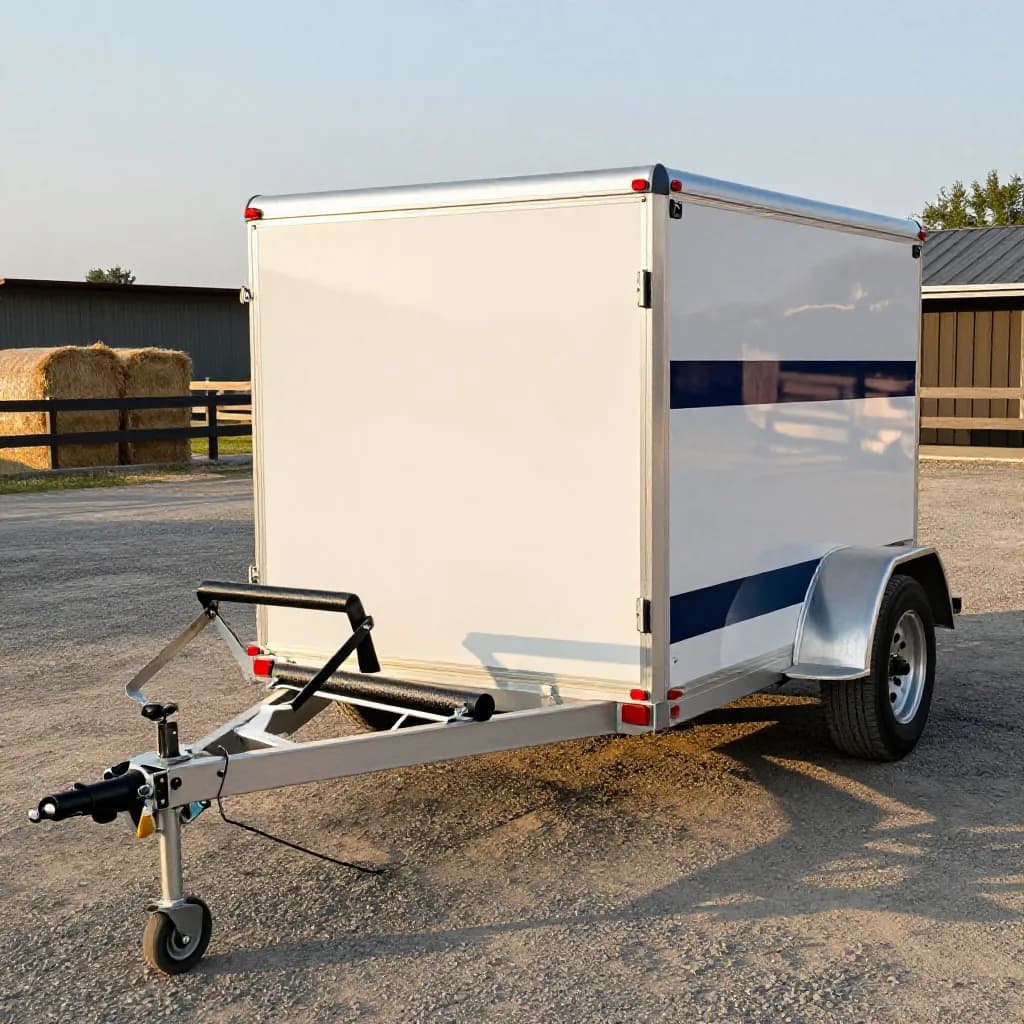
Wash-down chemicals add another layer of challenge. Trailers and stable equipment are regularly cleaned with disinfectants, degreasers, and pressure washers. These cleaning agents are necessary for animal health and hygiene, but they accelerate the breakdown of conventional paint finishes. A coating that cannot withstand frequent chemical cleaning is impractical in an equestrian setting.
Ready to Start Your Project?
From one-off customs to 15,000-part production runs — get precise pricing in 24 hours.
On This Page
Why Equestrian Equipment Needs Superior Coatings
Road salt exposure during winter travel, outdoor storage in all weather conditions, and the physical impacts from horses kicking and rubbing against surfaces all compound the problem. Equestrian equipment needs a coating that can handle chemical attack, mechanical abuse, and constant moisture simultaneously. This is exactly the combination of properties that powder coating delivers.
Powder Coating Advantages for Horse Trailers
Chemical resistance is the standout advantage of powder coating in equestrian applications. The cured polyester finish is impervious to ammonia, urine, manure acids, and the full range of stable cleaning products. This means trailer interiors and equipment maintain their protective barrier even after years of exposure to the harsh chemistry of a working equestrian environment.
Ease of cleaning is another major benefit. Powder-coated surfaces are smooth and non-porous, so waste, mud, and feed residue wash off easily with a hose and mild detergent. There are no paint pores or texture for contaminants to embed in, which also makes the surfaces more hygienic. This matters for animal health and for meeting the cleanliness standards required at competition venues.
Unlike conventional paint, powder coating does not flake or peel into chips that could contaminate feed or bedding. Horses that crib or chew on metal surfaces will not ingest paint flakes from a powder-coated surface the way they might from a painted one. While no coating is intended to be chewed on, the integrity of powder coating under mechanical stress provides an additional safety margin.
Common Items to Coat
Trailer frames are the most critical component to protect, as they bear the structural load and are exposed to road spray, salt, and standing water. A properly prepared and coated trailer frame resists the corrosion that weakens steel and compromises towing safety. Both new and used trailer frames benefit from professional powder coating.
Interior dividers, partition panels, and stall guards are high-priority items because they are in direct contact with horses and their waste. These components need a finish that is tough enough to withstand kicks and rubbing while remaining easy to clean and resistant to corrosive substances. Powder coating meets all of these requirements.
Feed troughs, hay racks, water bucket holders, tack room fittings, and stable doors are all commonly powder coated in equestrian facilities. Even smaller items like bridle hooks, saddle racks, and grooming tool holders benefit from the durability and easy maintenance of a powder-coated finish. Coating all metal components in a stable or trailer creates a unified, professional appearance.
Color Choices
Traditional dark green is the most popular color for equestrian equipment and facilities, reflecting the classic aesthetic of the horse world. Hunter green, British racing green, and forest green are all commonly requested shades. These colors look elegant, hide dirt reasonably well, and complement the natural surroundings of most equestrian properties.
Black is the second most popular choice, offering a clean, modern look that works well for both trailers and stable equipment. Satin and semi-gloss black finishes are practical because they show less dust and water spotting than high-gloss options. Dark grey and charcoal are also popular for their understated, professional appearance.
Custom stable colors are increasingly common, especially for competition barns and professional equestrian facilities. Matching trailer components, stable fittings, and equipment to the stable's brand colors creates a polished, cohesive identity. Any color can be matched, and many equestrian operations choose distinctive colors that make their setup instantly recognizable at events.
Cost and Maintenance
The cost of powder coating horse trailer components varies widely based on the scope of the project. Individual items like dividers, feed troughs, and tack room fittings typically cost $50 to $200 each. A complete trailer frame coating runs $500 to $1,500 depending on trailer size, condition, and whether a single-coat or dual-coat system is used.
For a full trailer refurbishment including frame, dividers, and interior fittings, expect to budget $1,000 to $3,000 total. While this is a significant investment, it is far less than replacing a corroded trailer, and it extends the usable life of the trailer by many years. The cost is comparable to a single veterinary emergency call, putting it in perspective for horse owners.
Maintaining a powder-coated trailer or stable is straightforward. An annual wash with mild detergent and water is usually sufficient to keep the finish looking good. After hauling in winter, rinse the undercarriage to remove road salt. Inspect the coating periodically for any chips from impacts and touch up exposed areas promptly to prevent rust from gaining a foothold.
Frequently Asked Questions
Is powder coating safe for surfaces that horses contact directly?
Yes. Fully cured powder coating is chemically inert and non-toxic. It does not off-gas or leach chemicals, making it safe for surfaces that horses may lick, rub against, or eat from. It is a safer choice than many liquid paints, which can contain solvents that remain in the film after drying.
Can I powder coat an aluminum horse trailer?
Yes. Aluminum trailers can be powder coated, though the preparation process differs slightly from steel. Aluminum requires specific pretreatment chemicals and careful temperature control during curing to avoid warping thinner panels. Choose a powder coating shop experienced with aluminum for the best results.
How often does a powder-coated horse trailer need recoating?
A properly applied powder coat on a horse trailer typically lasts 10 to 15 years with normal use and basic maintenance. Trailers that are washed regularly and stored under cover will last longer. Interior surfaces exposed to heavy corrosive contact may show wear sooner than exterior surfaces.
Should I powder coat a new trailer or wait until it needs restoration?
Coating a new trailer frame before it sees any corrosion is ideal and provides the longest-lasting protection. Factory finishes on many trailers are adequate but not exceptional. Upgrading to a professional powder coat from the start prevents the rust cycle from ever beginning and is more cost-effective than waiting for restoration to become necessary.
Ready to Start Your Project?
From one-off customs to 15,000-part production runs — get precise pricing in 24 hours.