Commercial fitness equipment endures a punishing daily cycle of heavy mechanical loading, impact from dropped weights, exposure to sweat and body oils, aggressive cleaning with disinfectants, and the constant abrasion of hands, bodies, and accessories against coated surfaces. A busy commercial gym may see 500-1,000 users per day, each interacting with multiple pieces of equipment, creating cumulative wear that can destroy inadequate coatings within months of installation.
Consumer
Powder Coating Gym and Fitness Equipment: Sweat Resistance, Impact Durability, and Commercial Gym Specifications
Sundial Powder Coating·April 22, 2026·11 min
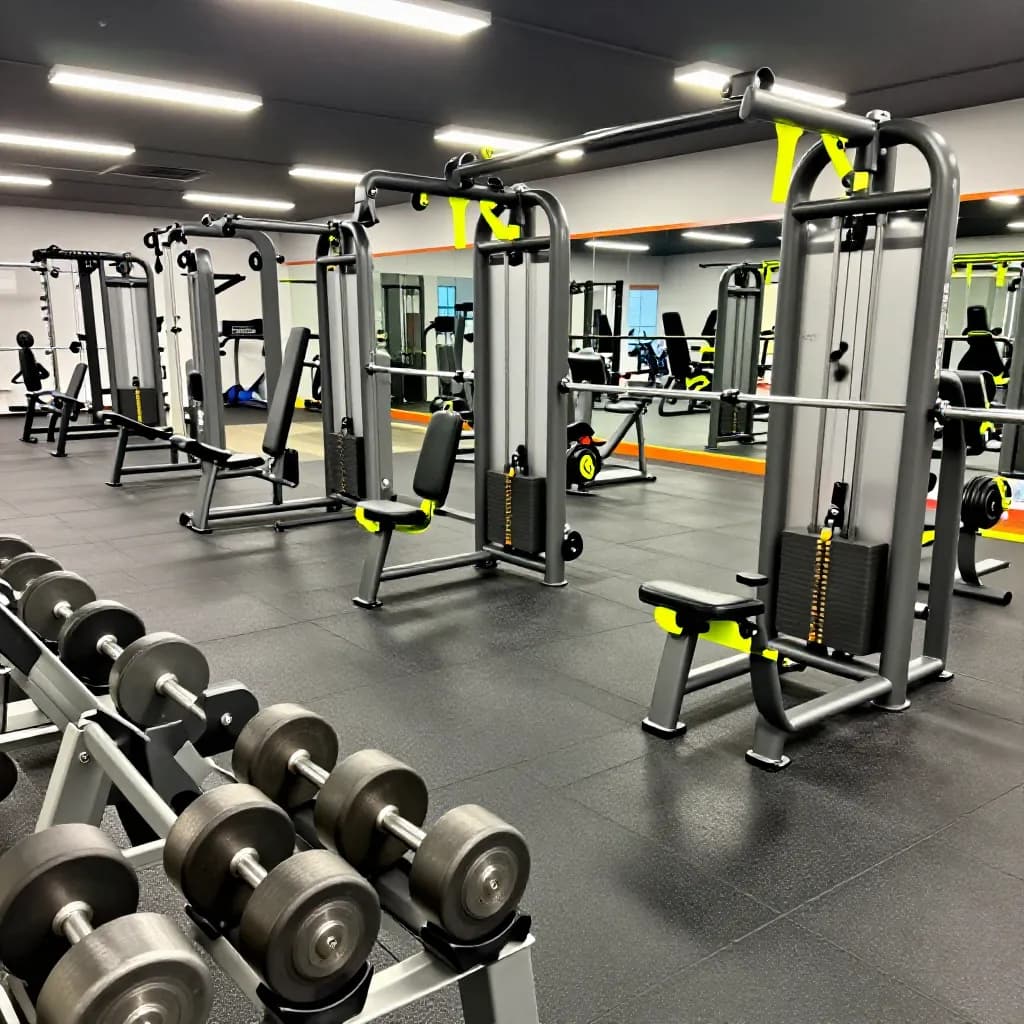
Powder coating has become the universal finishing technology for commercial fitness equipment because its thermoset film structure provides the combination of impact resistance, chemical resistance, and abrasion durability that the fitness environment demands. Every major fitness equipment manufacturer — Life Fitness, Technogym, Precor, Hammer Strength, Rogue Fitness, Cybex — uses powder coating as their primary finishing method, with specifications developed through decades of field experience in commercial gym environments.
Ready to Start Your Project?
From one-off customs to 15,000-part production runs — get precise pricing in 24 hours.
On This Page
Fitness Equipment Coating: Engineered for Extreme Daily Use
The fitness equipment coating specification must balance multiple competing requirements. The coating must be hard enough to resist scratching and abrasion, yet flexible enough to withstand the impact of dropped weight plates and colliding equipment. It must resist the corrosive effects of sweat (which contains salt, urea, and lactic acid at pH 4.5-7.0) while also withstanding the alkaline cleaning chemicals (pH 10-12) used to sanitize equipment between users. And it must provide an attractive, professional appearance that reflects the quality positioning of the gym facility.
Frame and Structure Coating: Impact and Abrasion Resistance
Equipment frames — the structural steel tubing and plate that form the skeleton of weight machines, racks, benches, and cardio equipment — require the most robust coating specification in the fitness equipment category. These frames are subjected to direct impact from weight plates, barbell collisions, and equipment being moved across the gym floor, as well as continuous abrasion from cable pulleys, adjustment pins, and user contact.
The standard coating system for commercial fitness equipment frames is TGIC-free polyester powder at 80-120 microns over zinc phosphate pretreatment on steel tube and plate. The higher film thickness (compared to typical industrial specifications of 60-80 microns) provides additional impact and abrasion protection for the demanding gym environment. Zinc phosphate pretreatment is strongly preferred over iron phosphate because the superior adhesion and corrosion resistance of zinc phosphate is essential for equipment that will be exposed to sweat-induced corrosion for 10-15 years.
Impact resistance specifications for fitness equipment frames typically require 100-160 inch-pounds (direct and reverse) per ASTM D2794, significantly exceeding the 40-80 inch-pounds typical of architectural and general industrial specifications. This high impact resistance ensures that the coating survives the inevitable collisions with weight plates, dumbbells, and other equipment that occur in daily gym operations. Powder formulations achieving these impact values use flexible resin systems with controlled cross-link density that absorb impact energy without cracking.
Abrasion resistance is equally critical, particularly at cable guide points, adjustment pin holes, and surfaces where equipment contacts the floor. Taber abrasion testing (ASTM D4060, CS-17 wheels, 1,000g load) with maximum weight loss of 60-80 mg per 1,000 cycles is a typical specification. For the highest-wear surfaces — cable guide channels, weight stack guide rods, and barbell rack J-hooks — supplementary wear protection using nylon bushings, UHMWPE liners, or chrome plating is used in conjunction with the powder coat to extend service life.
Sweat and Chemical Resistance in the Gym Environment
Human sweat is a surprisingly aggressive corrosive medium for metal equipment coatings. Sweat contains 0.2-1.0% sodium chloride (salt), urea, lactic acid, and various amino acids at a pH range of 4.5-7.0. When sweat accumulates on coated steel surfaces — particularly in crevices, joints, and areas where moisture is trapped — it creates a corrosive environment similar to dilute salt spray. Over months and years of daily sweat exposure, this can initiate corrosion beneath the coating at any point where the film is thin, damaged, or poorly adhered.
The salt content of sweat is the primary corrosion driver. At 0.2-1.0% NaCl concentration, sweat is comparable to a mild salt spray environment. Coating systems that achieve 500+ hours of neutral salt spray resistance per ASTM B117 provide adequate protection against sweat-induced corrosion for the expected 10-15 year service life of commercial fitness equipment. The zinc phosphate pretreatment is critical for sweat resistance — it provides a corrosion-inhibiting barrier at the metal-coating interface that prevents sweat from initiating under-film corrosion even at minor coating defects.
Cleaning chemical resistance is the other major chemical challenge for gym equipment coatings. Post-COVID hygiene protocols have intensified the cleaning regimen in commercial gyms, with equipment surfaces cleaned multiple times daily using quaternary ammonium disinfectants, hydrogen peroxide solutions, isopropyl alcohol, and in some facilities, electrolyzed water or UV-C disinfection. The coating must withstand thousands of cleaning cycles over its service life without softening, discoloring, or losing adhesion.
Testing for gym-specific chemical resistance should include immersion or spot testing per ASTM D1308 with the specific cleaning products used in the target gym environment. Common test chemicals include 70% isopropyl alcohol (30-minute spot test), quaternary ammonium disinfectant at use concentration (24-hour spot test), 3% hydrogen peroxide (1-hour spot test), and dilute bleach at 1:10 concentration (30-minute spot test). The coating should show no softening, blistering, discoloration, or adhesion loss after these exposures.
Textured Coatings for Grip and Ergonomic Performance
Textured powder coatings play a critical functional role on fitness equipment, providing grip surfaces on handles, bars, and contact points that enhance user safety and ergonomic performance. The texture must provide sufficient friction to prevent slipping during exercise — particularly when hands are sweaty — while remaining comfortable for extended contact and cleanable to maintain hygiene standards.
Fine texture powder coatings (surface roughness Ra 10-25 micrometers) are the most common grip surface specification for fitness equipment handles and bars. This texture level provides a noticeable tactile grip without being abrasive to bare skin during extended use. The texture is achieved through controlled formulation — specific combinations of resin flow characteristics, particle size distribution, and texturing agents create a consistent surface profile during the cure process.
Medium texture coatings (Ra 25-50 micrometers) are used on surfaces where maximum grip is required — pull-up bar sleeves, kettlebell handles, and dumbbell grips. These coarser textures provide aggressive grip that prevents slipping even with heavily sweating hands, but they can cause callus formation and skin abrasion during high-repetition exercises. Many equipment manufacturers offer both smooth and textured grip options to accommodate different user preferences.
The wrinkle texture finish — a distinctive crinkled surface pattern — is widely used on fitness equipment frames for both aesthetic and functional reasons. Wrinkle textures hide minor scratches, scuff marks, and surface imperfections that would be prominently visible on smooth finishes, extending the visual service life of the equipment. The texture also provides a non-slip surface on bench seats and pads where users sit or lie during exercise. Wrinkle textures are available in fine, medium, and coarse patterns, with fine wrinkle being the most popular for commercial fitness equipment.
Color selection for textured fitness equipment coatings is more limited than for smooth finishes because the texture affects color perception. Textured surfaces appear darker and less saturated than smooth surfaces of the same color due to micro-shadowing within the texture. This effect must be accounted for when specifying colors for textured equipment — a color that appears correct on a smooth test panel may appear too dark when applied with texture. Powder manufacturers provide textured color samples for this reason, enabling accurate color evaluation on the actual surface texture.
Weight Stacks, Plates, and High-Wear Components
Weight stacks, weight plates, dumbbells, and barbells represent the highest-wear powder coating applications in the fitness equipment category. These components experience direct metal-to-metal contact during use — weight plates sliding on guide rods, dumbbells being racked and re-racked, and barbells rotating in J-hooks — creating concentrated abrasion that can wear through coatings at contact points.
Weight stack plates are typically cast iron, powder coated with epoxy-polyester hybrid at 80-100 microns for a balance of chemical resistance and impact durability. The coating on weight stack plates must withstand the sliding abrasion of the guide rod passing through the plate's guide holes, the impact of plates contacting each other during exercise, and the corrosive effects of sweat transferred from users' hands. Guide rod holes are often left uncoated or fitted with nylon bushings to reduce friction and prevent coating wear from affecting the smooth operation of the weight stack.
Dumbbell and barbell coating faces the most extreme wear conditions in the gym. These free weights are repeatedly gripped, lifted, racked, and sometimes dropped, creating a combination of abrasion, impact, and chemical exposure that challenges any coating system. Premium dumbbell manufacturers use a multi-layer approach: zinc phosphate pretreatment, epoxy primer at 50-75 microns for corrosion protection, and a textured polyester topcoat at 75-100 microns for grip and appearance. Even with this robust system, the coating on high-use dumbbells may require touch-up or recoating every 3-5 years in busy commercial gyms.
Bumper plates (rubber-coated weight plates for Olympic lifting) use powder coating on the steel hub insert that interfaces with the barbell sleeve. This coating must withstand the repeated impact of being dropped from overhead height — the standard use case for Olympic lifting — without chipping or delaminating from the steel hub. Impact-resistant epoxy primers with flexible polyester topcoats provide the best performance for bumper plate hub coating, maintaining adhesion through thousands of drop cycles.
Cardio Equipment: Treadmills, Bikes, and Ellipticals
Cardio equipment — treadmills, stationary bikes, elliptical trainers, rowing machines, and stair climbers — presents coating challenges that differ from strength equipment. Cardio machines have larger surface areas of visible coated panels, incorporate more electronic displays and controls, and generate significant vibration during operation that can stress coating adhesion at joints and fastener points.
The frame coating specification for cardio equipment is similar to strength equipment — polyester powder at 80-100 microns over zinc phosphate pretreatment — but the aesthetic requirements are typically higher because cardio equipment is more prominently displayed in gym layouts and the large panel surfaces make any coating defect more visible. Semi-gloss or satin finishes (30-50 GU at 60°) are preferred for cardio equipment frames because they balance professional appearance with fingerprint resistance and scratch concealment.
Shroud panels — the plastic or sheet metal covers that enclose the mechanical and electronic components of cardio equipment — require coating that coordinates with the frame finish while accommodating the different substrate materials. Steel shroud panels are powder coated using the same process as frames. Plastic shroud panels (typically ABS or polycarbonate) can be powder coated using low-temperature cure formulations (120-140°C) that do not distort the plastic substrate, though many manufacturers use in-mold coloring or liquid paint for plastic components.
Vibration resistance is a specific concern for cardio equipment coatings. Treadmills, ellipticals, and stair climbers generate continuous vibration during operation that can cause fatigue cracking of rigid coatings at stress concentration points — particularly at welded joints, sharp bends, and fastener holes. Flexible powder coating formulations with elongation values of 8-15% resist vibration-induced cracking better than standard rigid formulations. Vibration testing per ASTM D4169 (transportation vibration simulation) or custom vibration profiles matching the equipment's operating frequency spectrum validates coating durability under the specific vibration conditions of each equipment type.
Color Trends and Brand Identity in Fitness Equipment
Color and finish are increasingly important differentiators in the competitive fitness equipment market. Equipment manufacturers use distinctive color schemes to establish brand identity, and gym operators select equipment colors to create specific aesthetic environments that attract and retain members. Powder coating's unlimited color range and consistent batch-to-batch color reproduction enable both manufacturers and gym operators to achieve their visual branding objectives.
Matte black remains the dominant color for commercial fitness equipment, accounting for approximately 50-60% of production volume. Its popularity stems from its professional appearance, ability to hide minor wear and scratches, and compatibility with virtually any gym interior design scheme. However, the trend toward boutique fitness studios and branded gym experiences is driving demand for custom colors — brand-specific reds, blues, greens, and metallics that create distinctive visual environments.
Metallic and chrome-effect powder coatings are popular for premium fitness equipment lines, providing a high-end appearance that communicates quality and justifies premium positioning. Bonded metallic powders with aluminum flake pigments create consistent metallic effects that are more durable and cost-effective than chrome plating, while avoiding the environmental concerns associated with hexavalent chromium plating processes.
The home fitness equipment market, which expanded dramatically during the COVID-19 pandemic, has different color preferences than the commercial market. Home gym equipment buyers prefer colors that integrate with residential interior design — warm greys, matte whites, soft blacks, and accent colors that complement home décor. This has driven fitness equipment manufacturers to expand their color offerings beyond the traditional commercial palette of black, grey, and white to include residential-friendly options that appeal to the home gym consumer.
Quality Standards and Warranty Expectations
Commercial fitness equipment is a significant capital investment for gym operators, and coating quality directly affects the equipment's service life, maintenance cost, and resale value. Equipment manufacturers typically offer 5-10 year frame warranties and 2-5 year finish warranties for commercial installations, with the coating specification engineered to support these warranty commitments.
The coating quality control program for fitness equipment manufacturing includes incoming powder material verification (color, gloss, particle size, gel time), pretreatment process monitoring (chemical concentration, temperature, contact time, rinse water quality), application parameter control (film thickness, cure temperature and time), and finished product inspection (visual quality, adhesion, hardness, impact resistance). Statistical process control (SPC) methods are used to monitor key parameters and detect process drift before it results in nonconforming product.
Field performance data from commercial gym installations provides the ultimate validation of coating specifications. Equipment manufacturers track warranty claims related to coating failure — corrosion, adhesion loss, excessive wear, color fading — and use this data to refine their coating specifications and supplier requirements. The most common coating-related warranty claims in commercial fitness equipment are sweat-induced corrosion at coating defects (addressed by improving pretreatment and film thickness), wear-through at high-contact points (addressed by supplementary wear protection), and cleaning chemical damage (addressed by chemical resistance testing with specific cleaning products).
For gym operators, the coating condition of fitness equipment directly affects member perception of facility quality. Equipment with chipped, faded, or corroded coatings creates a negative impression regardless of the equipment's mechanical condition. Establishing a preventive maintenance program that includes regular coating inspection, prompt touch-up of damage, and scheduled recoating of high-wear components extends the visual service life of the equipment and maintains the professional appearance that members expect.
Frequently Asked Questions
How does powder coating resist sweat corrosion on gym equipment?
Sweat contains 0.2-1.0% salt, creating a mild corrosive environment. Powder coating at 80-120 microns over zinc phosphate pretreatment provides 500+ hours of salt spray resistance, adequate for 10-15 years of commercial gym use. The zinc phosphate barrier prevents sweat from initiating under-film corrosion even at minor coating defects.
What texture is best for gym equipment grip surfaces?
Fine texture (Ra 10-25 micrometers) provides comfortable grip for most applications. Medium texture (Ra 25-50 micrometers) offers maximum grip for pull-up bars and kettlebells but can cause calluses. Wrinkle texture is popular for frames — it hides scratches, provides non-slip surfaces, and extends visual service life.
How long does powder coating last on commercial gym equipment?
Frame coatings last 10-15 years in commercial gym environments with proper maintenance. High-wear components like dumbbells and weight plates may need touch-up every 3-5 years. Regular cleaning with compatible disinfectants, prompt repair of coating damage, and periodic recoating of wear points extend service life.
Can powder coating withstand gym cleaning chemicals and disinfectants?
Yes, with proper specification. Quality polyester powder coatings resist quaternary ammonium disinfectants, 70% isopropyl alcohol, 3% hydrogen peroxide, and dilute bleach. Testing per ASTM D1308 with the specific cleaning products used in the gym validates compatibility. Post-COVID cleaning intensity makes chemical resistance testing essential.
Why is matte black the most popular color for gym equipment?
Matte black accounts for 50-60% of commercial fitness equipment production. It provides a professional appearance, hides minor wear and scratches, and complements any gym interior design. The trend toward boutique fitness studios is driving demand for custom brand colors, metallics, and residential-friendly options.
Ready to Start Your Project?
From one-off customs to 15,000-part production runs — get precise pricing in 24 hours.