Gloss in powder coating is not a subjective description. It is a measurable property quantified using a gloss meter, an instrument that shines a beam of light onto the surface at a specific angle and measures how much light is reflected back. The standard measurement angle for powder coatings is 60 degrees, and the result is expressed in Gloss Units, abbreviated as GU.
Consumer
Powder Coating Gloss Levels: Matte, Satin, Semi-Gloss, and High Gloss
Sundial Powder Coating·April 20, 2026·7 min
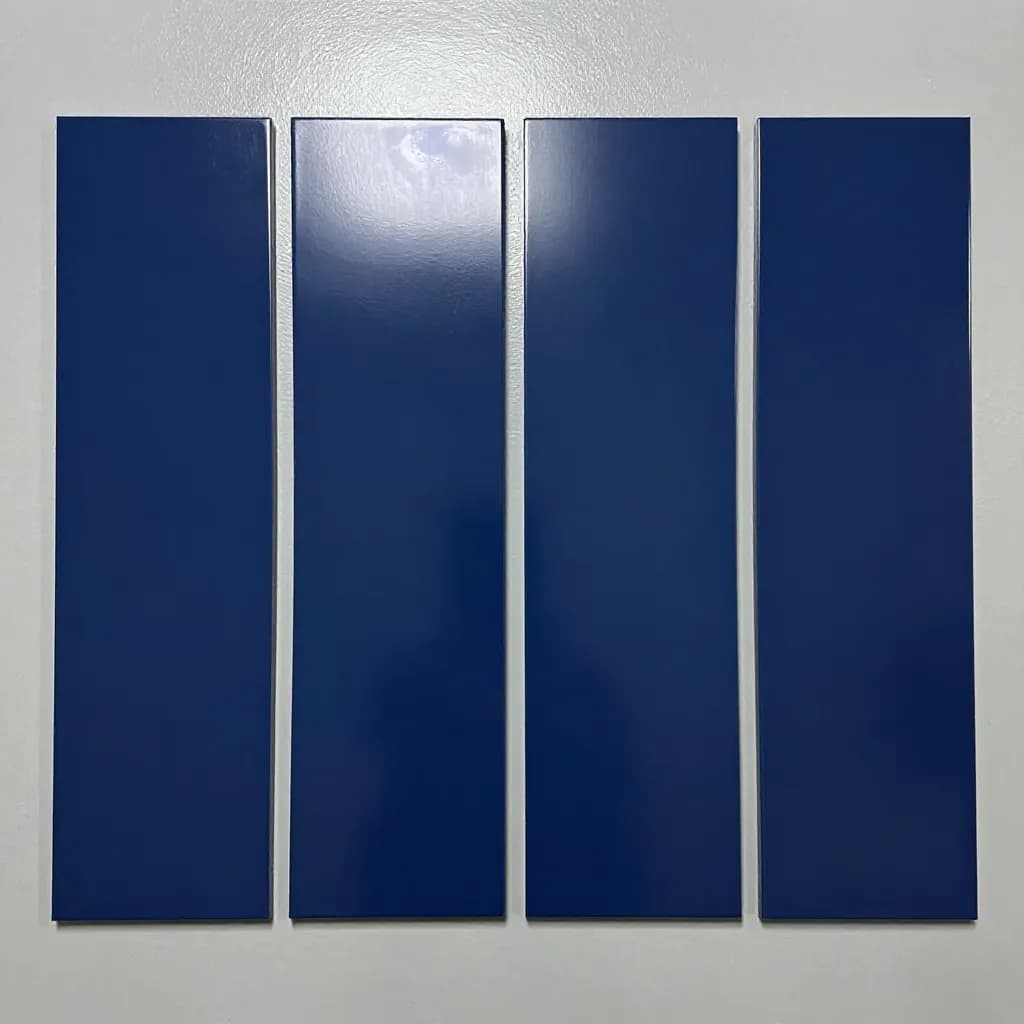
The GU scale runs from near zero to 100 or slightly above. A perfectly matte surface reflects very little light and registers low on the scale, while a mirror-like high-gloss surface reflects most of the light and scores near the top. This standardized measurement allows coaters, specifiers, and customers to communicate about gloss levels precisely, without relying on subjective terms that mean different things to different people.
Ready to Start Your Project?
From one-off customs to 15,000-part production runs — get precise pricing in 24 hours.
On This Page
Understanding Gloss Units
When specifying a powder coating, the gloss level is just as important as the color. Two parts coated in the same color but at different gloss levels will look noticeably different, even from a distance. Understanding the GU scale helps you communicate exactly what you want and evaluate whether the finished result meets your expectations.
Matte Finishes
Matte powder coatings fall in the 0 to 20 GU range and are characterized by their flat, non-reflective appearance. They absorb light rather than bouncing it back, creating a soft, understated look that has become extremely popular in contemporary design. Matte black, matte white, and matte grey are among the most requested finishes in both residential and commercial projects.
One of the practical advantages of matte finishes is their ability to hide surface imperfections. Minor scratches, slight waviness in the substrate, and small dents are far less visible on a matte surface than on a glossy one because there are no sharp reflections to highlight them. This makes matte an excellent choice for parts that may not have a perfectly smooth substrate or for items that will see regular handling and use.
Matte finishes do require some care considerations. They can show fingerprints and oils more readily than glossy surfaces, particularly in darker colors. Cleaning requires gentle methods, as aggressive scrubbing can create shiny spots that stand out against the flat surrounding finish. Despite these minor considerations, matte remains one of the most versatile and visually appealing gloss levels available.
Satin and Semi-Gloss Finishes
The satin and semi-gloss range spans roughly 20 to 70 GU and represents the versatile middle ground between flat matte and mirror-like high gloss. Satin finishes, typically 20 to 40 GU, offer a subtle sheen that adds depth to the color without creating strong reflections. Semi-gloss finishes, around 40 to 70 GU, have a more noticeable shine that catches the light without being overtly glossy.
These mid-range gloss levels are popular because they combine the best qualities of both extremes. They hide imperfections better than high gloss while showing more color depth and richness than matte. They are easier to clean than matte surfaces because the smoother finish does not trap dirt and oils as readily, yet they do not show every fingerprint and water spot the way high gloss does.
Satin and semi-gloss finishes are the workhorses of the powder coating world. They are commonly specified for architectural metalwork, outdoor furniture, automotive components, appliances, and industrial equipment. If you are unsure which gloss level to choose, a satin or semi-gloss finish is often the safest and most universally appealing option.
High Gloss Finishes
High gloss powder coatings register 70 GU and above, with some formulations reaching 95 GU or higher. These finishes create a deep, reflective surface that makes colors appear more vibrant and saturated. A high-gloss red, for example, will look richer and more intense than the same red in a matte or satin finish because the smooth surface reflects light uniformly, enhancing color perception.
The visual impact of high gloss is undeniable, but it comes with a trade-off: high gloss shows everything. Every surface imperfection in the substrate, every speck of dust trapped in the coating, every minor handling mark becomes visible under the unforgiving reflections of a glossy surface. Achieving a flawless high-gloss finish requires meticulous surface preparation, a clean application environment, and careful handling throughout the process.
High gloss is the preferred choice for automotive parts, motorcycle components, show pieces, and any application where visual impact is the top priority. It is also easier to clean than matte finishes because the smooth surface releases dirt and grime readily. However, it does show fingerprints, water spots, and fine scratches more than lower gloss levels, so regular maintenance is needed to keep it looking its best.
How to Choose the Right Gloss for Your Project
Start by considering the intended use and environment. Parts that will be handled frequently, exposed to dirt, or installed where cleaning access is limited benefit from matte or satin finishes that hide wear and require less maintenance. Parts intended for display, show, or high-visibility applications where appearance is paramount are better suited to semi-gloss or high gloss.
The condition of the substrate matters too. If the metal surface has minor imperfections, weld marks, or texture that cannot be fully smoothed out, a lower gloss level will be more forgiving. High gloss amplifies every flaw, so it demands a substrate that is as close to perfect as possible. Discuss the condition of your parts with your coater so they can recommend a gloss level that will look great given the starting surface.
Finally, consider the aesthetic context. What other finishes and materials will the coated parts sit alongside? A matte black railing next to brushed stainless steel creates a different mood than a high-gloss black railing in the same setting. Request sample panels at different gloss levels in your chosen color and evaluate them in the actual environment where the finished parts will live. The right gloss level is ultimately the one that looks and performs best in your specific application.
Frequently Asked Questions
Can I get an exact gloss level, like 35 GU?
Powder manufacturers offer specific gloss ranges for each product, such as 30 to 40 GU for a satin finish. Hitting an exact number like 35 GU consistently is difficult because gloss can vary slightly with film thickness, cure conditions, and substrate. If you need a precise gloss level, discuss tolerances with your coater and powder supplier to find a product that targets your desired range.
Does gloss level affect durability?
The gloss level itself does not significantly affect the mechanical durability of the coating. Matte, satin, and gloss versions of the same powder chemistry offer similar hardness, adhesion, and corrosion resistance. However, matte finishes can be more susceptible to showing burnish marks from abrasion, which appear as shiny spots on the flat surface.
Why does my powder coating have a different gloss than expected?
Gloss is sensitive to cure conditions. Over-curing tends to reduce gloss, making a finish flatter than intended, while under-curing can result in higher-than-expected gloss because the matting agents in the powder have not fully developed. Film thickness also affects gloss. If your gloss is off, the first things to check are cure temperature, cure time, and coating thickness.
Can I mix gloss levels on the same part?
Yes, and it can create striking visual effects. A common technique is combining a matte body with high-gloss accent areas, or vice versa. This requires masking and multiple coating and curing cycles, which adds complexity and time to the job. Discuss your design vision with your coater to determine the best approach for achieving the look you want.
Ready to Start Your Project?
From one-off customs to 15,000-part production runs — get precise pricing in 24 hours.