A powder-coated gate or fence will outlast a painted one by three to four times, and that difference shows up in both appearance and maintenance costs. Traditional brush-on or spray-painted metalwork starts fading, chalking, and rusting within two to four years in most climates. Powder coating maintains its color and protection for 10-20 years, meaning you can stop the cycle of sanding and repainting every few summers.
Consumer
Powder Coating Gates and Fences: A Homeowner's Complete Guide
Sundial Powder Coating·April 20, 2026·8 min
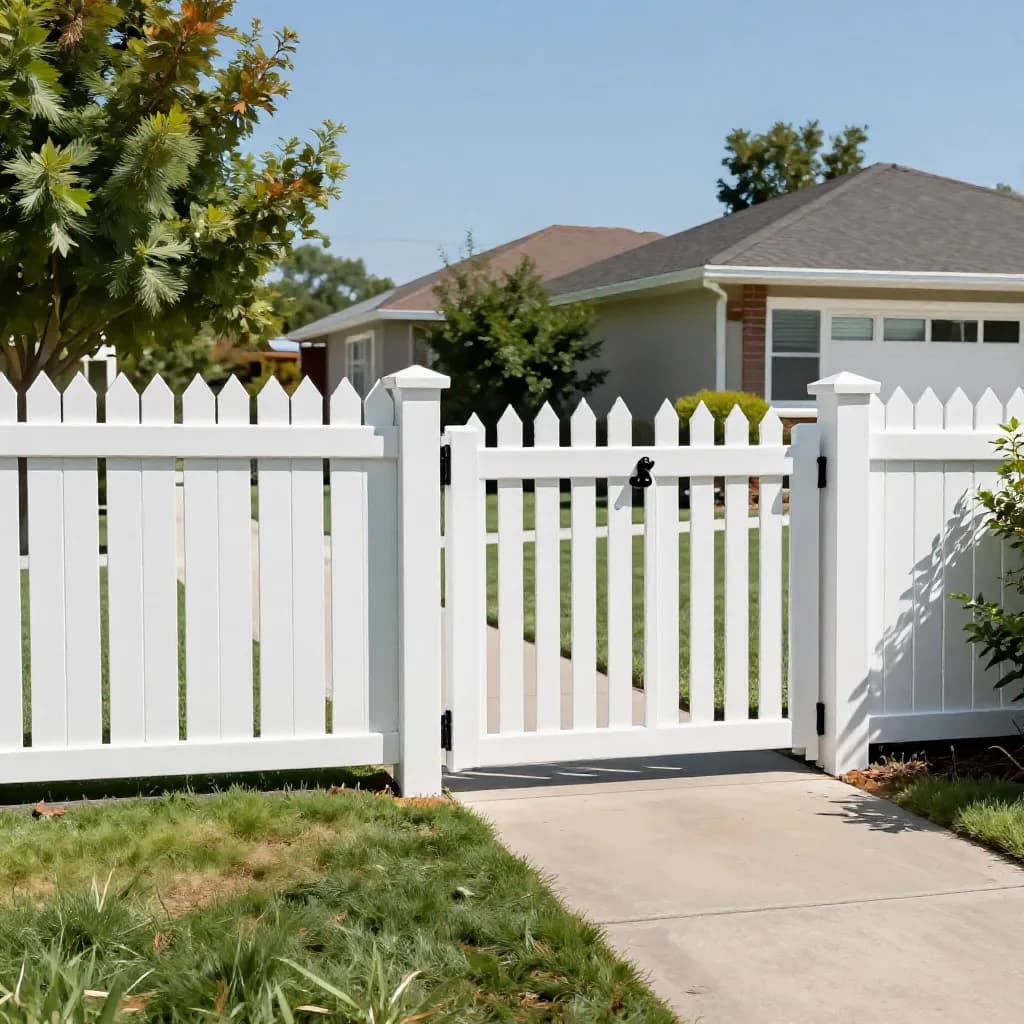
Corrosion protection is where powder coating really earns its keep on gates and fences. These structures live outdoors year-round, exposed to rain, humidity, frost, and in coastal areas, salt air. Powder coating forms a continuous, non-porous barrier that seals the metal far more effectively than paint, which can develop micro-cracks and pinholes that let moisture reach the steel underneath.
Ready to Start Your Project?
From one-off customs to 15,000-part production runs — get precise pricing in 24 hours.
On This Page
Why Powder Coat Your Gate or Fence?
There is also a significant curb appeal advantage. A freshly powder-coated gate or fence looks sharp and professional, with a smooth, even finish that brush marks and drips cannot match. Whether you are improving your home's street presence for your own enjoyment or preparing to sell, quality metalwork with a durable finish adds real value.
Popular Colors for Gates and Fences
RAL 9005 jet black is the most popular color for gates and fences worldwide, and it is easy to see why. Black metalwork looks elegant, pairs with any house color, and gives a classic, timeless appearance. For a slightly softer look, satin or matte black finishes reduce glare and fingerprint visibility compared to high gloss.
RAL 7016 anthracite grey has become the second most popular choice in recent years, driven by the trend toward modern, minimalist architecture. This dark charcoal tone looks contemporary and sophisticated, particularly on sleek, flat-bar fence designs and automated sliding gates. RAL 6005 moss green remains a traditional favorite for rural and period properties where black feels too stark.
Wood-grain sublimation finishes are an increasingly popular option for homeowners who want the warmth of timber with the durability of metal. These finishes use a heat-transfer process to apply a realistic wood pattern over a powder-coated base, creating a remarkably convincing wood look on steel or aluminum. They are particularly popular for front gates and privacy fencing where a softer, more natural aesthetic is desired.
New Fabrication vs. Restoration
If you are having a new gate or fence fabricated, the metalwork will typically be powder coated at the factory or by a specialist coater before installation. This is the ideal scenario because the bare steel can be properly pretreated and coated in controlled conditions before it ever goes outside. Factory coating on new fabrication delivers the best possible adhesion and corrosion protection.
Restoring an existing gate or fence with powder coating is also very achievable, but it requires more planning. The metalwork must be removed from its posts or mountings and transported to the coating shop. For a gate, this is usually straightforward. For long runs of fencing, it may need to be done in sections. The old finish is stripped, the metal is blasted and pretreated, and the new powder coat is applied.
The decision between restoration and replacement often comes down to the condition of the metalwork and the cost comparison. If your existing gate or fence is structurally sound with no major rust-through or damage, restoration with powder coating is almost always cheaper than buying new. A gate that cost $1,000-3,000 to fabricate can be restored to like-new condition for $200-600 in coating costs.
Cost Guide
For fencing, powder coating typically costs $15-40 per linear meter, depending on the height, complexity, and style of the fence. Simple flat-bar or tubular fencing is at the lower end, while ornate wrought-iron-style fencing with scrollwork and decorative elements costs more due to the additional surface area and the difficulty of achieving even coverage in tight spaces.
Gates range from $200-600 to powder coat, depending on size and complexity. A standard single pedestrian gate might cost $150-250, while a large double driveway gate with decorative details could run $400-600 or more. Automated sliding gates tend to be at the higher end due to their size and the need to mask mechanical components.
These prices typically include stripping the old finish if applicable, media blasting, pretreatment, powder application, and curing. Some shops charge separately for pickup and delivery, which is worth considering for large or heavy items. When comparing quotes, make sure each includes the same scope of work so you are comparing like with like.
Maintenance Tips for Long-Lasting Results
The best maintenance for a powder-coated gate or fence is an annual wash with warm soapy water and a soft cloth or sponge. This removes accumulated dirt, pollen, bird droppings, and other contaminants that can degrade the finish over time if left in place. Pay particular attention to the bottom rails and any horizontal surfaces where water and debris tend to collect.
If you notice any chips or scratches that expose bare metal, touch them up promptly with a color-matched touch-up paint. Even a small chip can become a rust spot if moisture gets underneath the coating. Catching and sealing these early prevents the kind of creeping corrosion that eventually requires a full strip and recoat.
Avoid using pressure washers directly on damaged areas of the coating. High-pressure water can force its way under any existing chips or edge lifting and accelerate delamination. A gentle hand wash is always safer. For stubborn dirt or stains, a non-abrasive household cleaner is fine, but avoid anything with harsh solvents or abrasive particles that could dull or scratch the finish.
Frequently Asked Questions
Can I powder coat my gate without removing it?
No. Powder coating requires the part to be placed in a curing oven at around 200 degrees Celsius, so the gate must be removed from its hinges and posts and taken to the coating shop. For gates that cannot be removed, on-site liquid painting is the alternative, though it will not match the durability of powder coating.
How long does powder coating last on outdoor gates and fences?
A quality powder coat on gates and fences typically lasts 10-20 years in most climates. In harsh coastal environments with salt air exposure, the lifespan may be shorter, around 8-12 years. Using a marine-grade pretreatment and a UV-stable polyester powder maximizes longevity in challenging conditions.
Is powder coating better than galvanizing for fences?
They serve different purposes and work best together. Galvanizing provides excellent corrosion protection but has a limited silver-grey appearance. Powder coating provides color, aesthetics, and additional surface protection. The best approach for maximum durability is to galvanize the steel first and then powder coat over the galvanizing for both corrosion resistance and appearance.
Can I get my aluminum fence powder coated?
Yes, aluminum fences and gates are excellent candidates for powder coating. Aluminum does not rust like steel, and powder coating adds UV protection, color options, and scratch resistance. Many aluminum fence manufacturers offer factory powder coating as a standard finish option in a range of colors.
Ready to Start Your Project?
From one-off customs to 15,000-part production runs — get precise pricing in 24 hours.