Metal wine racks, bar carts, bottle displays, and bar furniture have become staples of both home entertaining spaces and commercial hospitality venues. These pieces combine functional storage with design statement, and their finish plays a crucial role in both aesthetics and performance. Powder coating has emerged as the ideal finish for wine and bar furniture because it delivers the durability needed for daily use while offering the design flexibility to create pieces that range from rustic industrial to sleek contemporary.
Consumer
Powder Coating for Wine Racks and Bar Furniture: Custom Finishes, Hospitality, and Food-Adjacent Safety
Sundial Powder Coating·April 22, 2026·8 min
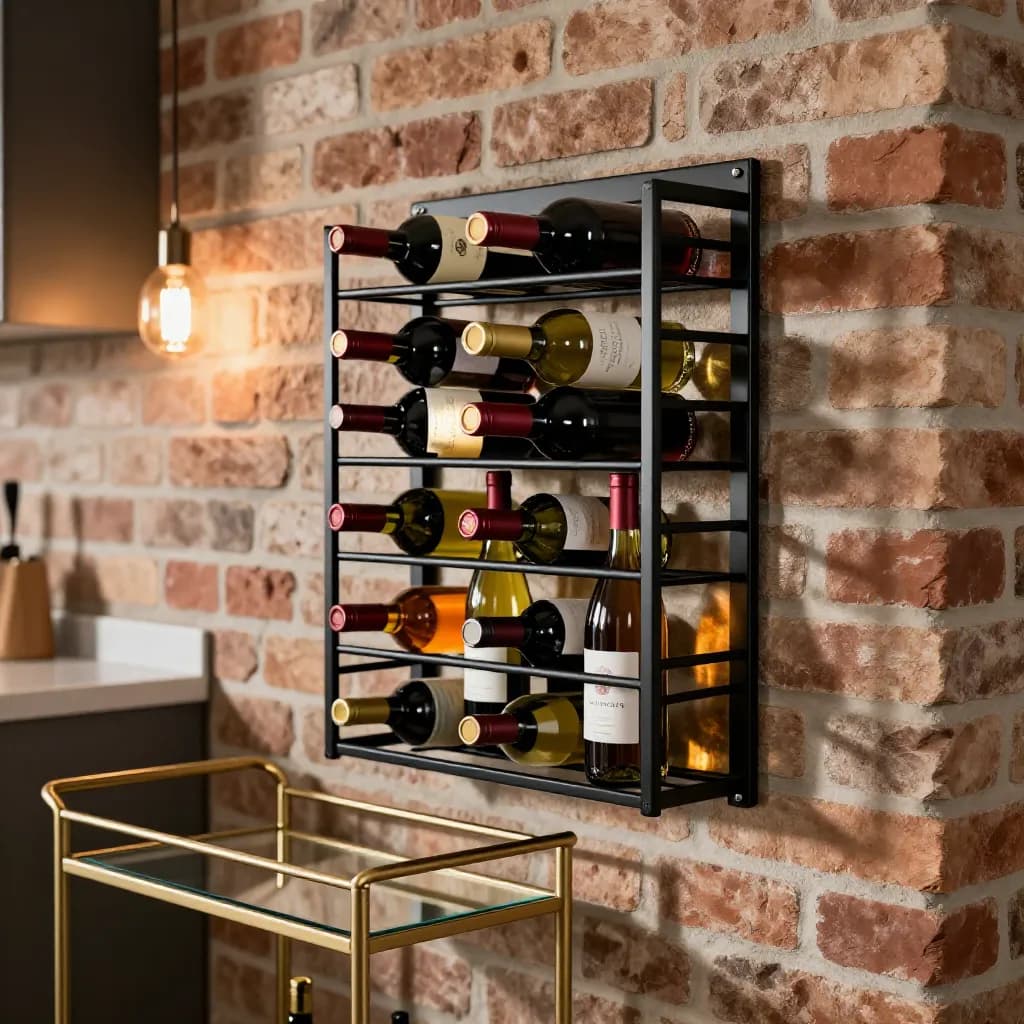
Wine racks and bar furniture face a unique combination of environmental challenges. Wine storage areas may have elevated humidity levels, particularly in dedicated wine cellars or climate-controlled rooms. Bar surfaces encounter spills from wine, spirits, cocktail ingredients, and cleaning products. Bottle contact creates repeated friction at the same points on rack surfaces. Powder coating handles all of these exposures with its combination of moisture resistance, chemical resistance, and abrasion resistance.
Ready to Start Your Project?
From one-off customs to 15,000-part production runs — get precise pricing in 24 hours.
On This Page
Powder Coating Meets the Bar and Wine World
For hospitality businesses — restaurants, wine bars, hotels, and tasting rooms — the finish on wine displays and bar furniture contributes directly to the guest experience and brand image. A beautifully finished wine wall or custom bar installation creates a visual focal point that enhances the atmosphere and communicates quality. Powder coating enables these custom installations with finishes that maintain their appearance through the heavy use and frequent cleaning that commercial hospitality environments demand.
Wine Rack Design and Coating Considerations
Wine racks come in an enormous variety of designs, from simple wall-mounted bottle holders to elaborate floor-to-ceiling storage systems that hold hundreds of bottles. The coating requirements vary with the design complexity and the storage environment. A decorative kitchen wine rack holding a dozen bottles has different needs than a cellar storage system designed for long-term wine aging.
For standard wine racks in kitchens, dining rooms, and living spaces, a polyester powder coating at standard thickness provides excellent protection and appearance. The coating must resist the moisture from condensation that forms on chilled bottles, the occasional wine spill, and the friction from bottles being inserted and removed. A satin or semi-gloss finish is practical because it shows fingerprints and water spots less than high gloss while maintaining an attractive appearance.
Wine cellar racks face more demanding conditions. Cellars are typically maintained at 55 to 60 degrees Fahrenheit with 60 to 70 percent relative humidity — conditions that promote corrosion on unprotected steel. For cellar applications, a two-coat system with an epoxy primer and polyester topcoat provides the moisture resistance needed for long-term performance in high-humidity environments. All weld joints and edges should receive extra attention during coating, as these are the first points where moisture can penetrate and initiate corrosion.
Bar Carts, Shelving, and Display Furniture
Bar carts and mobile serving stations have become essential pieces in home entertaining, and powder coating gives these pieces the durability to handle the demands of regular use. A bar cart's finish must resist spills from cocktail preparation, condensation from ice buckets and chilled bottles, and the chemical exposure from citrus juice, bitters, and cleaning products. Powder coating's chemical resistance makes it well-suited to this challenging environment.
Bar shelving and back-bar displays in commercial settings face even more demanding conditions. These pieces are cleaned multiple times daily with commercial cleaning products, subjected to constant bottle contact, and exposed to the humidity and temperature fluctuations of a busy bar environment. A hard polyester powder coating at 60 to 80 microns provides the durability these applications require. Textured finishes are practical for shelving surfaces because they hide the scratches from bottle sliding and provide a non-slip surface that helps prevent bottles from tipping.
Custom bar installations — including foot rails, bar die fronts, and decorative metalwork — are showcase applications for powder coating. These visible, high-touch elements define the character of the bar and must look impeccable. Metallic finishes in brass, copper, and bronze tones are popular for bar installations, creating a warm, inviting atmosphere. Matte black provides a modern, industrial aesthetic that works well in craft cocktail bars and contemporary restaurants. The ability to match the bar metalwork to other design elements in the space — light fixtures, hardware, and furniture — creates a cohesive design that elevates the entire venue.
Food-Adjacent Safety Considerations
Wine racks and bar furniture are food-adjacent items — they do not directly contact food but are used in close proximity to food and beverages. This raises reasonable questions about the safety of powder coating in these applications. The good news is that cured powder coatings are chemically inert and do not leach harmful substances into the surrounding environment.
Once fully cured, powder coatings form a stable, cross-linked polymer film that does not release volatile compounds, migrate into liquids, or break down under normal use conditions. The coating does not react with wine, spirits, beer, or any common beverage. Bottles stored in powder-coated racks are separated from the coating by their glass walls, so there is no pathway for any coating component to contact the wine itself.
For applications where the coating may come into direct contact with food — such as serving trays, garnish holders, or surfaces where food is placed — FDA-compliant powder coatings are available. These formulations are manufactured from resins and pigments that meet FDA 21 CFR 175.300 requirements for food-contact coatings. While standard powder coatings are perfectly safe for wine racks and bar furniture where food contact is incidental, specifying an FDA-compliant formulation provides an extra level of assurance for surfaces that may directly contact food items.
Custom Finishes for Home and Hospitality
The finish on wine and bar furniture sets the tone for the entire space, and powder coating offers a range of options that suit every design direction. For home wine rooms and bars, the finish should complement the room's overall design while providing practical durability. For commercial hospitality venues, the finish must also withstand heavy use and frequent cleaning while contributing to the brand's visual identity.
Industrial and rustic aesthetics are popular for wine bars and craft beverage venues. Raw steel looks — achieved through clear-coated bare metal or metallic gray powder coatings — create an authentic, workshop-inspired atmosphere. Textured black wrinkle finish evokes traditional ironwork and pairs well with reclaimed wood and exposed brick. Rust-effect powder coatings, which replicate the appearance of weathered steel without actual corrosion, provide the industrial look with full corrosion protection beneath the decorative surface.
For upscale wine rooms and elegant home bars, refined metallic finishes create a premium atmosphere. Antique bronze, champagne gold, and brushed copper powder coatings add warmth and sophistication. High-gloss black with metallic flake creates a dramatic, luxurious look for feature walls and display cases. Matte white and soft gray finishes suit contemporary and minimalist spaces where the wine collection itself is the visual focus and the rack should recede into the background.
Humidity and Moisture Resistance
Humidity is a constant companion in wine storage environments, and the coating system must be designed to perform reliably under sustained moisture exposure. Standard powder coatings provide good moisture resistance for typical indoor environments, but wine cellars and climate-controlled storage rooms with elevated humidity levels place additional demands on the coating.
The primary risk in high-humidity environments is not that moisture will damage the coating surface — powder coatings are inherently water-resistant — but that moisture can penetrate through microscopic defects, thin spots, or damaged areas to reach the steel substrate and initiate corrosion beneath the coating. Once corrosion starts beneath the coating, it spreads laterally, lifting the coating from the surface and creating blisters that eventually expose larger areas of bare metal.
Preventing this failure mode requires thorough surface preparation, complete coating coverage with no thin spots or holidays, and particular attention to edges and weld joints where the coating is most vulnerable. A zinc phosphate conversion coating before powder application provides an additional corrosion barrier at the metal-coating interface. For the most demanding cellar environments, specifying a coating system that has been tested to 1000 hours of salt spray resistance per ASTM B117 ensures the coating can handle sustained moisture exposure without failure.
Cleaning and Maintenance in Hospitality Settings
In commercial hospitality settings, wine racks and bar furniture must be cleaned frequently and thoroughly to maintain hygiene standards and visual appeal. Powder coating's chemical resistance makes it compatible with the cleaning products commonly used in food service environments, including quaternary ammonium sanitizers, dilute bleach solutions, and commercial multi-surface cleaners.
For daily cleaning, wiping down powder-coated surfaces with a damp cloth and mild detergent removes fingerprints, spills, and dust. For more thorough sanitizing, commercial food-service sanitizers can be used without damaging the coating. Avoid using undiluted bleach, strong acids, or abrasive cleaners, as these can damage even the most durable powder coatings with prolonged or repeated exposure.
Wine stains are a particular concern for bar and wine room furniture. Red wine contains tannins and pigments that can stain porous surfaces, but the smooth, non-porous surface of powder coating resists wine staining effectively. Spills should be wiped up promptly, but even dried wine can typically be removed with a damp cloth and mild cleaner without leaving a permanent mark. For textured finishes where wine can settle into the texture pattern, a soft brush helps remove residue from the texture valleys. This ease of cleaning is one of the practical advantages that makes powder coating the preferred finish for wine and bar furniture in both home and commercial settings.
Frequently Asked Questions
Is powder coating safe for wine racks that hold bottles?
Yes. Cured powder coating is chemically inert and does not leach substances into the environment. Wine bottles are separated from the coating by glass, so there is no contact between the coating and the wine. For surfaces that directly contact food, FDA-compliant powder coating formulations are available.
Will powder coating hold up in a wine cellar's humidity?
Yes, with proper specification. A two-coat system with epoxy primer and polyester topcoat provides excellent moisture resistance for wine cellar conditions of 60 to 70 percent humidity. Thorough surface preparation and complete coating coverage are essential to prevent moisture penetration at defects or thin spots.
Can red wine stain powder coating?
Powder coating's smooth, non-porous surface resists wine staining effectively. Spills wiped up promptly leave no mark, and even dried wine can typically be removed with mild cleaner. Textured finishes may require a soft brush to remove wine from texture valleys, but permanent staining is rare on quality powder coatings.
What finish is best for a commercial bar installation?
A satin or semi-gloss polyester powder coating at 60 to 80 microns provides the best balance of appearance and durability for commercial bars. Textured finishes on shelving surfaces hide scratches from bottle contact. Metallic finishes in brass, copper, or bronze tones create a warm, inviting atmosphere popular in hospitality design.
Can powder-coated bar furniture handle commercial cleaning products?
Yes. Powder coating resists common commercial cleaning products including quaternary ammonium sanitizers and dilute bleach solutions. Avoid undiluted bleach, strong acids, and abrasive cleaners. For daily cleaning, mild detergent and water are sufficient to maintain the finish in commercial hospitality environments.
Ready to Start Your Project?
From one-off customs to 15,000-part production runs — get precise pricing in 24 hours.