Weathervanes and cupolas sit at the highest point of a building, fully exposed to every element the sky delivers. They face unfiltered UV radiation from sunrise to sunset, driving rain from every direction, wind loads that can exceed 100 kilometers per hour, temperature extremes from summer heat to winter frost, and in coastal areas, salt-laden air that accelerates corrosion. No other architectural element faces a more demanding environment.
Consumer
Powder Coating for Weathervanes and Cupolas: Rooftop Finishes Built to Endure
Sundial Powder Coating·April 23, 2026·8 min
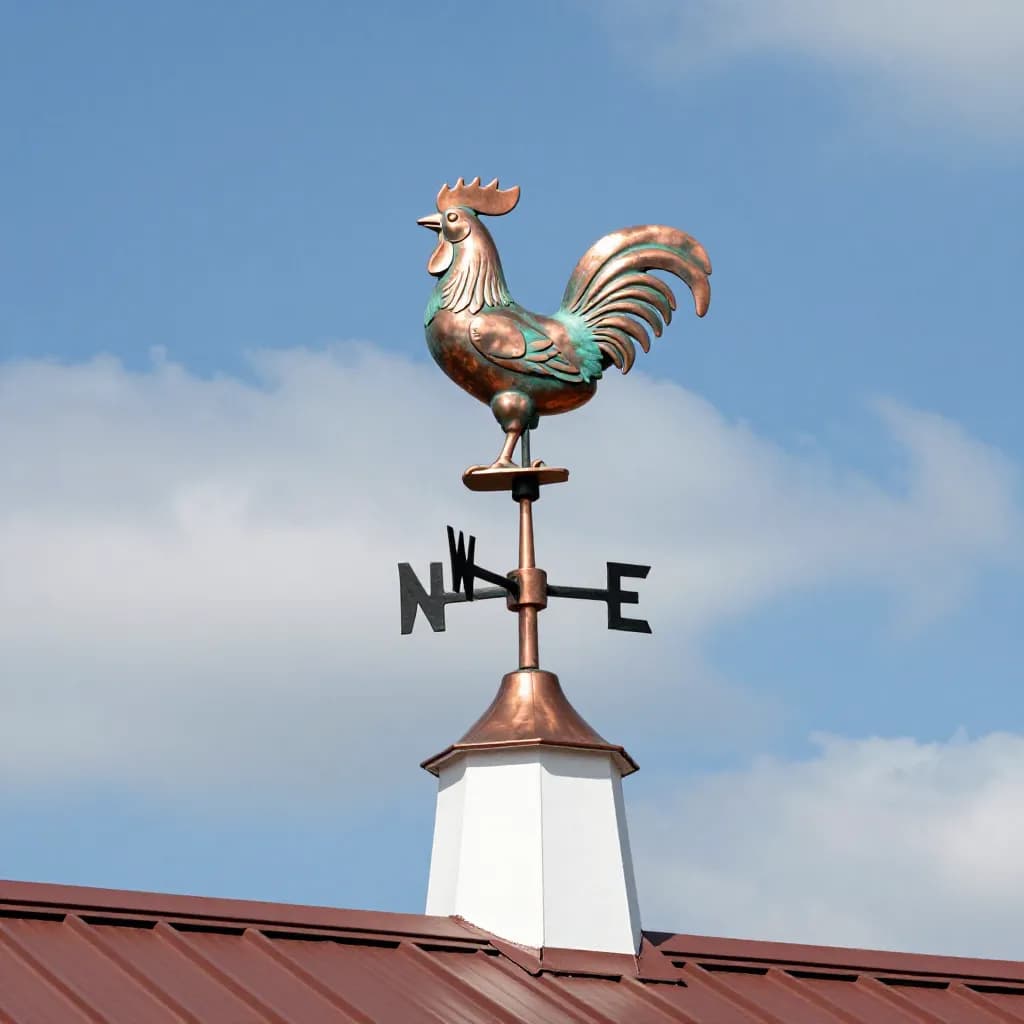
Traditionally, weathervanes were made from copper and left to develop a natural verdigris patina, or fabricated from iron and painted with oil-based paints that required regular maintenance. Cupolas were typically clad in copper, lead, or painted wood. These traditional approaches have their charm, but they require ongoing maintenance that is difficult and expensive to perform at rooftop height.
Ready to Start Your Project?
From one-off customs to 15,000-part production runs — get precise pricing in 24 hours.
On This Page
Rooftop Ornaments and the Extreme Exposure Challenge
Powder coating offers a modern alternative that dramatically reduces maintenance requirements while providing design flexibility that traditional finishes cannot match. A powder-coated weathervane or cupola can maintain its appearance for a decade or more without intervention, compared to painted versions that may need recoating every three to five years. For building owners who want the beauty of rooftop ornamentation without the burden of frequent maintenance, powder coating is the practical choice.
Weathervane Construction and Coating
Modern weathervanes are fabricated from steel, aluminum, or copper, with steel and aluminum being the most common substrates for powder coating. The weathervane assembly typically includes the directional figure (the arrow, rooster, horse, or custom design), the directional letters (N, S, E, W), the mounting rod, and the bearing assembly that allows the vane to rotate freely in the wind.
The directional figure is the most visible component and the primary candidate for decorative powder coating. These figures are cut from sheet metal using laser, plasma, or waterjet cutting, then detailed with embossing, bending, or welded elements. Powder coating the figure provides both corrosion protection and the color or finish that defines the vane's appearance.
The mounting rod and directional letters can be coated to match or contrast with the figure. A common approach is a matte black rod and letters with a metallic or colored figure, creating visual hierarchy that draws the eye to the decorative element. Alternatively, coating everything in a single color creates a unified, graphic silhouette against the sky.
The bearing assembly — the critical mechanical component that allows the vane to rotate — must be masked during coating. Any powder on the bearing surfaces will impede rotation, defeating the weathervane's functional purpose. The bearing should be a sealed, maintenance-free type rated for outdoor exposure, as accessing a rooftop bearing for lubrication is impractical. After coating, the bearing is installed into the masked cavity, and the assembly is complete.
Cupola Finishing: Metal Cladding and Structural Elements
Cupolas are architectural features that crown rooftops, providing ventilation, light, and decorative interest. Their metal components — roof panels, louver blades, finials, and structural frames — are all candidates for powder coating. The coating must withstand the same extreme exposure as a weathervane while also providing an attractive finish visible from ground level.
Cupola roof panels are typically fabricated from sheet steel or aluminum, formed into the conical, pyramidal, or domed shapes that define the cupola's silhouette. These panels are powder coated before assembly, ensuring complete coverage on all surfaces including the underside that faces the cupola interior. The underside coating prevents condensation-driven corrosion that can develop inside the cupola structure.
Louver blades — the angled slats that allow airflow while shedding rain — present a coating challenge due to their thin cross-section and close spacing. Each blade must be coated individually or carefully sprayed as an assembly to ensure complete coverage on all surfaces. The blade edges, which are the thinnest points, need adequate coating thickness to prevent corrosion at these vulnerable locations.
Finials — the decorative spires or ornaments that top the cupola — are often the most intricate components. Cast or fabricated from metal, finials may include scrollwork, balls, arrows, or other decorative elements that require careful coating technique to achieve even coverage in all recesses and details. These pieces are typically coated separately and assembled onto the cupola after curing.
UV and Weather Resistance at Rooftop Level
Rooftop installations receive more UV radiation than ground-level structures because there is no shading from adjacent buildings, trees, or terrain. The UV intensity at rooftop level is essentially unfiltered, making UV resistance the single most important coating property for weathervanes and cupolas.
Super-durable polyester powder coatings are the recommended specification for rooftop applications. These formulations contain enhanced UV stabilizers that resist fading and chalking significantly longer than standard polyester powders. While a standard polyester might begin showing color shift after five to seven years of full sun exposure, super-durable formulations maintain color accuracy for ten to fifteen years or more.
Wind-driven rain creates a unique challenge for rooftop coatings. Rain at ground level falls primarily downward, but at rooftop height, wind drives rain horizontally and even upward against surfaces that would normally be sheltered. This means every surface of a weathervane or cupola — including undersides and lee-side surfaces — must be fully coated. There are no sheltered surfaces at rooftop height.
Ice and snow loading add mechanical stress to the coating. Ice formation on metal surfaces can create adhesive forces that pull at the coating when the ice eventually releases. Repeated freeze-thaw cycling works moisture into any coating defects, progressively enlarging them. A defect-free initial coating application is the best defense against freeze-thaw damage, as there are no weak points for ice to exploit.
For coastal installations, the combination of salt air, UV, and moisture creates the most aggressive environment for any coating. Super-durable polyester powders applied over aggressive pretreatment systems — zinc phosphate or chromate conversion — provide the maximum protection available for these demanding locations.
Heritage Styles and Traditional Aesthetics
Weathervanes and cupolas are deeply rooted in architectural heritage, and many building owners want finishes that honor traditional aesthetics while providing modern durability. Powder coating can replicate the appearance of traditional finishes — aged copper, wrought iron, gilded metal — without the maintenance burden these finishes historically required.
Copper verdigris effects are among the most requested heritage finishes for cupolas and weathervanes. Specialty powder coatings that replicate the blue-green patina of aged copper provide the traditional look without the decades of natural weathering required to develop a real patina. These multi-tone finishes use blended powders or multi-step application processes to create the varied, organic appearance of natural verdigris.
Wrought iron effects — matte black with subtle texture — replicate the look of traditional hand-forged metalwork. This finish is appropriate for weathervanes and cupolas on colonial, farmhouse, and traditional architectural styles. The matte black finish is also the most practical choice for UV resistance, as dark colors show less fading than lighter tones.
Gilded and metallic gold finishes replicate the look of gold leaf that historically adorned the finest weathervanes and cupola finials. Metallic gold powder coatings provide a convincing approximation of gold leaf at a fraction of the cost and with far greater durability. For restoration projects where historical accuracy is important, gold metallic powders can be matched to the specific tone of the original gilding.
For historic preservation projects, powder coating must be evaluated against the building's preservation requirements. Some historic preservation standards require the use of traditional materials and methods. In these cases, powder coating may not be appropriate, and traditional finishes should be used. For non-designated historic buildings where the goal is aesthetic compatibility rather than strict historical accuracy, powder coating provides an excellent balance of traditional appearance and modern performance.
Installation and Maintenance at Height
The practical reality of rooftop installation and maintenance heavily influences finishing decisions for weathervanes and cupolas. Any work at rooftop height requires ladders, scaffolding, or lift equipment, making it expensive and potentially dangerous. A finish that minimizes the frequency of maintenance visits has significant practical and economic value.
Powder coating's longevity directly reduces the number of times someone needs to climb to the rooftop for finish maintenance. A well-applied powder coat on a weathervane or cupola can last ten to fifteen years before recoating is needed, compared to three to five years for conventional paint. Over the life of a building, this difference translates to significantly fewer maintenance interventions and lower cumulative maintenance costs.
When recoating is eventually needed, the weathervane or cupola components are typically removed from the roof, brought to ground level for stripping and recoating, and then reinstalled. This approach is safer and produces better results than attempting to coat at height. The removal and reinstallation process also provides an opportunity to inspect and service the bearing assembly, mounting hardware, and structural connections.
For new construction, weathervanes and cupolas should be powder coated before installation. Coating at ground level in a controlled shop environment produces far better results than any field-applied finish. The coated components are then transported to the site and installed, with care taken to protect the finish during handling and mounting.
Periodic visual inspection from ground level — using binoculars if necessary — helps monitor the condition of rooftop finishes without requiring roof access. Look for obvious color changes, chalking, or rust staining that would indicate coating degradation. Early detection of coating issues allows for planned maintenance rather than emergency repairs.
Custom Designs and Modern Interpretations
While traditional weathervane and cupola designs remain popular, contemporary architects and homeowners are increasingly commissioning modern interpretations that reflect personal interests, regional identity, or architectural style. Powder coating enables these custom designs with finishes that would be difficult or impossible to achieve with traditional methods.
Custom weathervane figures — sailboats, aircraft, wildlife, sports figures, corporate logos — are cut from metal sheet and finished in colors that bring the design to life. A sailboat weathervane in navy blue, a cardinal in bright red, or a company logo in brand colors all become possible with powder coating's color range. These custom pieces become distinctive architectural features that personalize the building.
Modern cupola designs may incorporate clean geometric forms, minimal ornamentation, and bold color choices that depart from traditional styles. A contemporary cupola in matte white or charcoal grey complements modern architecture, while a bright accent color can create a playful focal point on a residential rooftop. Powder coating supports these design choices with the same durability it provides for traditional finishes.
For architects and designers specifying custom rooftop elements, powder coating provides the confidence that the specified color and finish will be maintained through years of extreme exposure. This reliability allows designers to make bold color choices knowing the finish will perform as intended, rather than defaulting to safe, conservative options out of concern for durability.
Frequently Asked Questions
How long does powder coating last on a rooftop weathervane?
With super-durable polyester powder coating, a weathervane can maintain its appearance for ten to fifteen years of full rooftop exposure. Standard polyester formulations may show color shift sooner, in five to seven years. The specific lifespan depends on UV intensity, climate severity, and coating quality.
Can powder coating replicate the look of aged copper on a cupola?
Yes. Specialty powder coatings that replicate copper verdigris patina are available. These multi-tone finishes use blended powders or multi-step processes to create the varied, organic appearance of naturally aged copper without the decades of weathering required for a real patina.
Will powder coating affect a weathervane's ability to rotate?
Not if the bearing assembly is properly masked during coating. The bearing surfaces must remain uncoated to allow free rotation. The decorative figure, rod, and directional letters can all be coated without affecting the vane's mechanical function.
What powder coating type is best for coastal rooftop installations?
Super-durable polyester powders applied over aggressive pretreatment systems like zinc phosphate provide the best performance in coastal environments. The combination of enhanced UV stabilizers and robust corrosion protection addresses the salt air, humidity, and intense UV typical of coastal locations.
Can weathervanes and cupolas be recoated without replacement?
Yes. Components are typically removed from the roof, brought to ground level for stripping and recoating, and then reinstalled. This process is safer and produces better results than field coating, and it provides an opportunity to inspect and service mechanical components.
Ready to Start Your Project?
From one-off customs to 15,000-part production runs — get precise pricing in 24 hours.