Trailer hitches occupy one of the most punishing positions on any vehicle — directly behind the rear axle, fully exposed to road spray, salt, gravel, and the elements. Factory hitch finishes vary widely in quality, from robust e-coat and powder coat on premium brands to thin paint or basic oil coating on budget hitches. Regardless of the original finish, years of towing duty, road salt exposure, and weather take their toll, and many hitches develop surface rust that is both unsightly and potentially damaging to the structural steel.
Consumer
Powder Coating for Trailer Hitches: Corrosion Protection, Weight Ratings, and Finish Options
Sundial Powder Coating·April 22, 2026·8 min
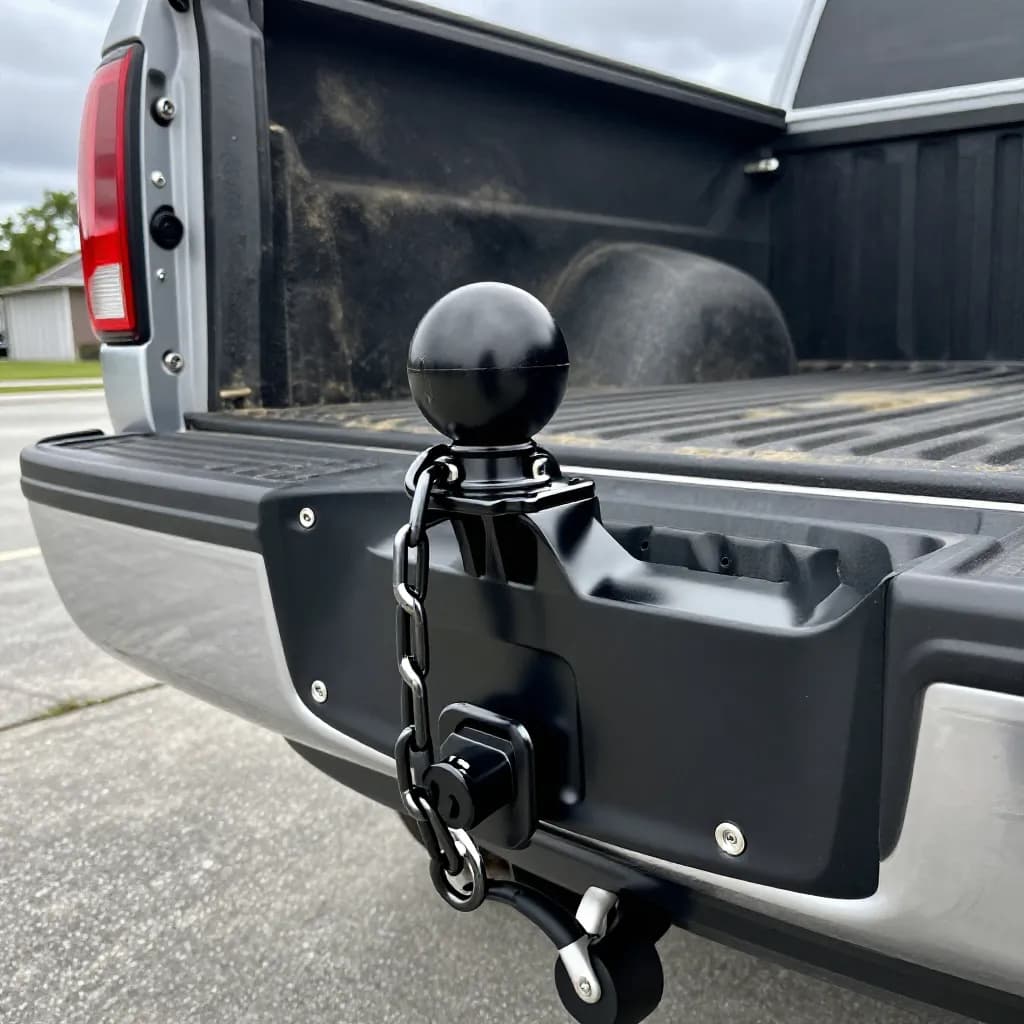
Powder coating a trailer hitch restores its appearance and provides long-term corrosion protection that exceeds most factory finishes. The thick, uniform film bonds tenaciously to properly prepared steel and creates a barrier against moisture, salt, and road chemicals that cause corrosion. For hitch owners who want to maintain their equipment in top condition, powder coating is the most effective and durable refinishing option available.
Ready to Start Your Project?
From one-off customs to 15,000-part production runs — get precise pricing in 24 hours.
On This Page
Why Powder Coat a Trailer Hitch
Beyond corrosion protection, powder coating a hitch improves its appearance and can coordinate it with other vehicle accessories. A freshly powder-coated hitch in textured black or a custom color looks sharp and professional, eliminating the rusty, neglected appearance that many hitches develop over time. For truck and SUV owners who take pride in their vehicles, a clean hitch finish is a detail that completes the overall look.
Weight Ratings and Structural Safety
A critical consideration when powder coating a trailer hitch is ensuring that the coating process does not compromise the hitch's structural integrity or weight rating. Trailer hitches are rated for specific tongue weights and gross trailer weights, and these ratings are based on the mechanical properties of the steel as manufactured. The good news is that powder coating does not affect these ratings when applied correctly.
The curing temperature for standard powder coatings — 180 to 200 degrees Celsius — is well below the tempering temperature of the steel used in trailer hitches. Class III, IV, and V hitches are typically fabricated from structural steel with yield strengths that are unaffected by temperatures below 400 degrees Celsius. The powder coating process therefore has no impact on the steel's strength, hardness, or fatigue resistance, and the hitch retains its full rated capacity after coating.
However, it is essential that the coating process does not mask structural damage. Before coating, the hitch should be thoroughly inspected for cracks, excessive corrosion that has reduced the cross-section of the steel, bent or deformed components, and worn pin holes. Any hitch with structural damage should be replaced rather than recoated. The blasting process that precedes coating is actually beneficial for inspection, as it removes all surface corrosion and coatings to reveal the true condition of the underlying steel.
Preparation for Hitch Coating
Proper preparation is the foundation of a durable hitch coating, and hitches present some specific challenges. Most hitches have been exposed to years of road salt, moisture, and contamination that must be completely removed before coating. The preparation process begins with thorough degreasing to remove oil, grease, and road film, followed by abrasive blasting to remove all existing finish and surface corrosion.
Hitches often have areas of heavy corrosion, particularly in crevices where the receiver tube meets the mounting plate, around bolt holes, and on surfaces that trap moisture. These areas may require additional blasting time or even mechanical cleaning with wire wheels to ensure all corrosion is removed. Any remaining corrosion beneath the new coating will continue to spread and eventually cause the coating to fail from underneath.
Masking requirements for trailer hitches are relatively straightforward. The receiver tube interior should be masked to maintain proper dimensions for the hitch ball mount or accessory insertion. The pin holes should be masked or the coating should be thin enough in these areas to allow the hitch pin to pass through freely. Mounting bolt holes should be masked to ensure proper fit against the vehicle frame. The hitch ball platform on ball-mount hitches should be left uncoated or lightly coated, as the ball mount needs a solid metal-to-metal connection for proper load transfer.
Textured Black and Other Finish Options
Textured black is by far the most popular finish for powder-coated trailer hitches, and for good reason. The textured surface hides the minor scratches and scuffs that are inevitable during hitch use — inserting and removing ball mounts, connecting safety chains, and general towing operations all leave marks that would be visible on a smooth gloss finish. The dark color also coordinates with the underside of most vehicles and does not show road grime as readily as lighter colors.
Several texture options work well for hitches. Fine sand texture provides a subtle, uniform surface that looks clean and professional. Medium wrinkle texture offers more visual depth and better scratch concealment. Hammer-tone textures with contrasting flecks add visual interest while maintaining practical durability. All of these textures are available in black and dark gray, which are the most common hitch colors.
For owners who want something different, powder coating opens up the full color spectrum. Color-matching the hitch to the vehicle's body color creates a seamless, integrated appearance. Chrome-effect powder coatings provide a bright, metallic look without the maintenance requirements of actual chrome plating. Dark bronze, gunmetal, and charcoal offer subtle alternatives to black that add a touch of distinction. Whatever the color choice, a polyester or super-durable polyester formulation is recommended for the UV resistance needed on an exterior automotive component.
Receiver Tubes and Ball Mounts
The receiver tube is the functional heart of a trailer hitch, and coating it requires balancing corrosion protection with proper fit and function. The interior of the receiver tube must maintain its dimensional tolerance to accept standard 1.25-inch or 2-inch ball mounts and accessories. Coating the interior of the receiver tube is generally not recommended because the added thickness can make ball mount insertion difficult and the coating will be quickly worn away by the sliding metal-to-metal contact.
The exterior of the receiver tube and the surrounding structure benefit greatly from powder coating. These surfaces are constantly exposed to road spray and are prone to corrosion, particularly at the weld joints where the tube meets the main hitch structure. A thorough coating of all exterior surfaces, with particular attention to weld seams and crevices, provides comprehensive corrosion protection.
Ball mounts themselves are excellent candidates for powder coating. The shank that inserts into the receiver tube should be left uncoated or very lightly coated to maintain proper fit, but the ball platform, drop section, and any exposed surfaces benefit from a durable powder coat. The ball itself should not be powder coated, as the coating would be immediately destroyed by the friction and pressure of the trailer coupler. Ball mounts in textured black powder coat are a popular upgrade that matches the hitch and provides years of corrosion-free service.
Maintenance of Powder-Coated Hitches
One of the primary advantages of powder coating a trailer hitch is the reduced maintenance required compared to bare or painted steel. A powder-coated hitch can be washed with the rest of the vehicle using standard car wash soap and water. Road salt, mud, and grime wash off easily from the smooth or textured powder surface, and the coating prevents these contaminants from reaching the steel substrate.
During winter months when road salt is prevalent, more frequent washing of the hitch area helps prevent salt accumulation in crevices and around bolt heads where moisture can be trapped. While the powder coating provides excellent protection, prolonged salt exposure in trapped areas can eventually find its way to any coating imperfections. A quick rinse of the hitch area after driving on salted roads takes only a moment and significantly extends the coating's effective life.
Inspect the coating periodically for chips or damage, particularly after towing operations where the hitch has been subjected to impacts or abrasion. The receiver tube opening is the most common area for coating damage, as ball mounts and accessories scrape the coating during insertion and removal. Applying a light coat of rust-inhibiting spray to the receiver tube interior after each use prevents corrosion in this high-wear area. Touch up any exterior coating damage with matching touch-up paint to maintain the protective barrier.
Coating Hitch Accessories and Related Components
Beyond the hitch itself, numerous towing accessories benefit from powder coating. Safety chain hooks, D-ring shackles, hitch steps, and anti-sway brackets are all steel components that face the same corrosive environment as the hitch. Coating these accessories in a matching color and finish creates a coordinated appearance and extends their service life.
Trailer wiring brackets and connector holders can be powder coated for protection and appearance, though electrical contact surfaces must be masked to maintain proper grounding and connectivity. License plate brackets and light mounts that attach to the hitch area are also good candidates for coating, particularly if the factory finish has deteriorated.
For a complete, professional appearance, many hitch owners coat all their towing accessories at the same time as the hitch. This ensures a perfect color and texture match across all components and is more efficient than coating individual pieces at different times. The batch approach also allows the coater to optimize the process, running all the small accessories through the oven alongside the main hitch body in a single cure cycle. The result is a complete towing setup that looks cohesive, professional, and well-maintained.
Frequently Asked Questions
Does powder coating affect a trailer hitch's weight rating?
No. The powder coating curing temperature of 180 to 200 degrees Celsius does not affect the mechanical properties of the structural steel used in trailer hitches. The hitch retains its full rated tongue weight and gross trailer weight capacity after coating. However, hitches with structural damage should be replaced, not recoated.
Should I coat the inside of the receiver tube?
Coating the interior of the receiver tube is generally not recommended. The added thickness can interfere with ball mount insertion, and the coating will be quickly worn away by the sliding contact. Instead, apply a light coat of rust-inhibiting spray to the interior after each use to prevent corrosion.
How long does powder coating last on a trailer hitch?
A properly applied powder coating on a trailer hitch typically lasts five to eight years under normal towing conditions, including exposure to road salt and weather. The receiver tube opening area may show wear sooner due to ball mount insertion and removal. Regular maintenance and prompt touch-up of damage extends the coating's life.
Can I powder coat a rusty trailer hitch?
Yes, as long as the rust has not compromised the structural integrity of the steel. All rust must be completely removed through abrasive blasting before coating. If corrosion has significantly reduced the thickness of the steel in structural areas, the hitch should be replaced rather than recoated for safety reasons.
What is the best powder coating color for a trailer hitch?
Textured black is the most popular and practical choice for trailer hitches. The texture hides scratches from normal use, the dark color coordinates with most vehicles, and it does not show road grime readily. Textured charcoal and dark bronze are attractive alternatives for owners who want something slightly different.
Ready to Start Your Project?
From one-off customs to 15,000-part production runs — get precise pricing in 24 hours.