Vintage tractor restoration is a passionate pursuit that combines mechanical skill, historical knowledge, and an appreciation for agricultural heritage. Whether restoring a 1940s Farmall, a 1950s John Deere, a 1960s Ford, or any of the hundreds of tractor models that worked the world's farms, the finish quality defines the restoration's success. Powder coating has become the preferred finishing method for serious tractor restorers because it delivers a factory-quality finish that is more durable than the original paint.
Consumer
Powder Coating for Tractor Restoration: Correct Colors, Heavy Prep, and Agricultural Durability
Sundial Powder Coating·April 23, 2026·10 min
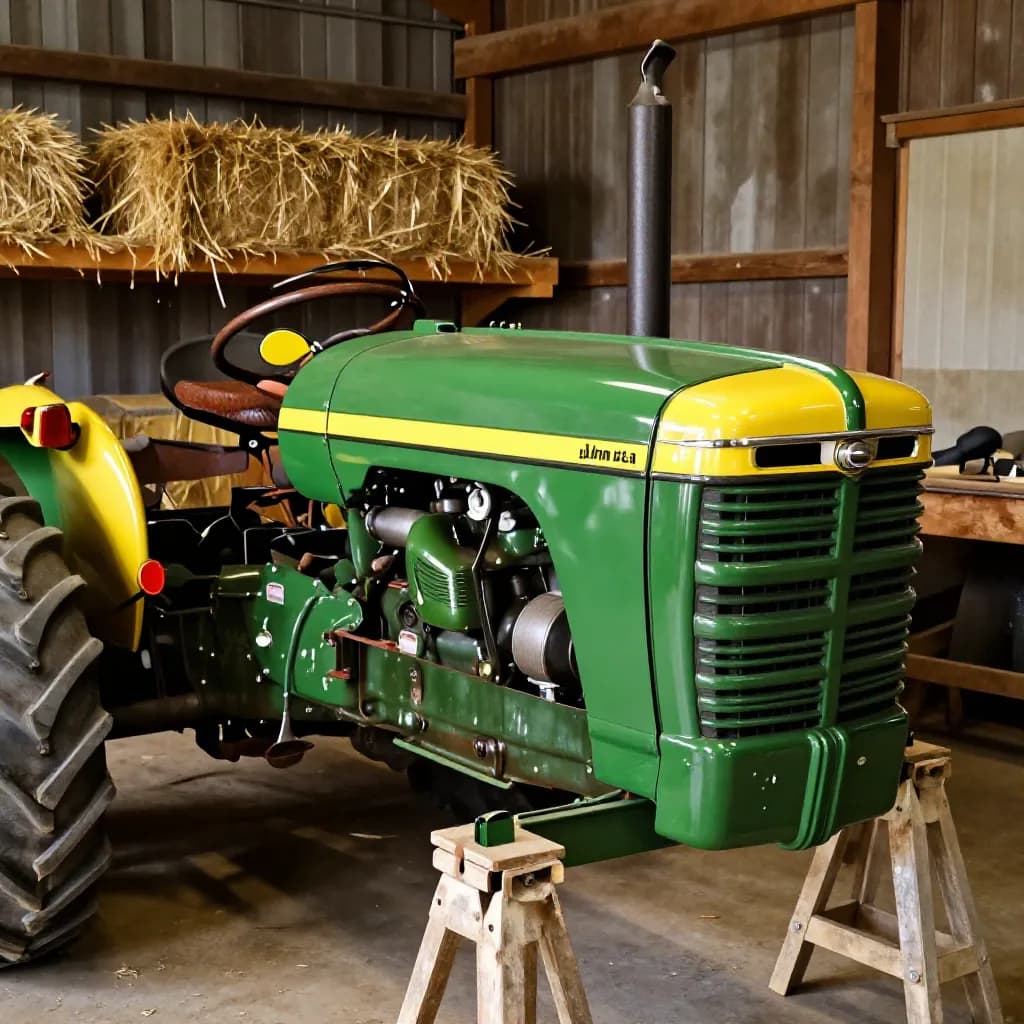
Traditional tractor restoration relied on brush-on enamel or spray paint to replicate the factory finish. While these methods can produce acceptable results, they lack the durability, uniformity, and chemical resistance that powder coating provides. A powder-coated tractor can be displayed at shows, driven in parades, and even returned to light farm work without the finish deteriorating rapidly.
Ready to Start Your Project?
From one-off customs to 15,000-part production runs — get precise pricing in 24 hours.
On This Page
Why Powder Coating for Tractor Restoration
The challenge of tractor restoration finishing lies in the condition of the components. Vintage tractors have typically spent decades exposed to weather, soil, fertilizers, fuel, and hydraulic fluid. The resulting corrosion, pitting, and surface damage require extensive preparation before any finish can be applied. Powder coating's thick film build and strong adhesion make it particularly well-suited to these heavily weathered substrates, providing a beautiful finish even on components with significant surface history.
Achieving Period-Correct Colors
Color accuracy is paramount in vintage tractor restoration. Each manufacturer used specific colors that changed over the production years, and knowledgeable judges at tractor shows can spot an incorrect shade immediately. Achieving the correct period color in powder coat requires research, reference materials, and a skilled powder supplier.
John Deere green and yellow, Farmall red, Ford grey and blue, Allis-Chalmers orange, Oliver green, Minneapolis-Moline yellow, and Case eagle red are among the most iconic tractor colors. Each of these colors varied across production years, and the correct shade for a specific model year may differ from the color used a decade earlier or later. Restoration guides, factory paint codes, and original color chips are essential references for accurate color matching.
Powder coating suppliers who specialize in restoration work often maintain libraries of period-correct tractor colors. These formulations have been developed by matching original paint samples from unrestored tractors or factory color standards. Using a supplier with tractor restoration experience significantly improves the chances of achieving an accurate color match.
If a custom match is needed, provide the powder supplier with the best available color reference. An original paint chip from a protected area of the tractor, such as under a decal or behind a bracket, provides the most accurate reference. Factory paint code charts, restoration guide color samples, and even photographs of known-correct restorations can serve as secondary references.
Gloss level is as important as color for period accuracy. Many vintage tractors were finished in a semi-gloss or satin sheen rather than the high gloss that modern restorers sometimes prefer. Research the correct gloss level for the specific model and year to achieve an authentic appearance. Powder coatings are available in the full range of gloss levels from dead matte to mirror gloss.
Heavy Preparation for Decades of Corrosion
Vintage tractor components present some of the most challenging preparation work in the powder coating industry. Decades of exposure to soil, moisture, fertilizers, animal waste, and agricultural chemicals create corrosion that goes far beyond surface rust. Deep pitting, scale buildup, and structural thinning are common, and the preparation process must address all of these conditions.
The first step is assessment. Evaluate each component for structural integrity before investing in coating. Sheet metal with rust-through holes, castings with cracks, and structural members with significant wall thinning may need repair or replacement before coating. Powder coating is a surface finish, not a structural repair, and coating a compromised component wastes time and materials.
Heavy abrasive blasting is the primary preparation method for tractor components. Use steel grit or aluminum oxide at 40-60 mesh with sufficient pressure to remove all rust, scale, old paint, and surface contamination. Multiple passes may be needed for heavily corroded areas. The goal is to reach clean, bright metal across the entire surface.
Deep pitting that remains after blasting presents a decision point. For show-quality restorations, pits can be filled with a high-temperature body filler or weld-filled and ground smooth. This creates a smooth surface that produces a flawless powder coat finish. For working restorations or driver-quality finishes, the pitting can be left as-is, and the powder coat will follow the surface contour, providing corrosion protection while preserving the component's honest patina.
Cast iron components, common on vintage tractors for engine blocks, transmission housings, and implement brackets, are particularly challenging. Cast iron is porous and absorbs oils and chemicals over decades of service. These contaminants migrate to the surface during the cure cycle, causing outgassing defects. Extended pre-bake cycles of 45-60 minutes at cure temperature, potentially repeated multiple times, are necessary to drive out these deep-seated contaminants.
Cast Iron and Heavy Steel Component Coating
Vintage tractors are built primarily from cast iron and heavy steel, materials that respond well to powder coating but require specific preparation techniques to achieve optimal results.
Cast iron engine blocks, transmission cases, rear axle housings, and front axle assemblies are the largest and most complex components to coat. These castings have rough, granular surfaces with significant porosity that traps contaminants and causes outgassing. The preparation protocol for cast iron tractor components is the most rigorous in the powder coating process.
After blasting, soak cast iron components in a hot alkaline cleaner to draw out oils and chemicals that have penetrated the casting over decades. Follow with multiple pre-bake cycles at cure temperature, inspecting the surface between cycles for evidence of continued outgassing. The pre-bake process may need to be repeated three to five times for heavily contaminated castings before the surface is clean enough for a defect-free finish.
Heavy steel components like drawbars, three-point hitch arms, loader brackets, and frame rails are simpler to prepare than castings but may have extensive corrosion that requires aggressive blasting. These components are structurally critical and should be inspected for cracks and fatigue damage during the preparation process. Any structural defects should be repaired by welding before coating.
Sheet metal components including hoods, fenders, grille panels, and fuel tank covers are typically lighter gauge steel that can distort under aggressive blasting. Use controlled blast pressure and support thin panels during blasting to prevent warping. Dents and damage should be repaired through metal work before coating, as powder coat cannot fill or hide dents.
After blasting all components, apply a zinc phosphate conversion coating for maximum corrosion resistance. The agricultural environment these tractors may return to is highly corrosive, with exposure to soil moisture, fertilizers, and animal waste. A robust pretreatment foundation is essential for long-term coating performance.
Agricultural Chemical Resistance
Tractors that return to farm work after restoration face chemical exposures that most vehicle coatings never encounter. Fertilizers, herbicides, pesticides, diesel fuel, hydraulic fluid, and animal waste all contact the tractor's surfaces during normal agricultural operations. The powder coating must resist these chemicals without degradation.
Nitrogen-based fertilizers, both granular and liquid, are mildly corrosive and can stain or etch coatings with prolonged contact. Ammonium nitrate and urea solutions are particularly aggressive. Polyester powder coatings provide good resistance to brief fertilizer contact, but spills should be cleaned promptly. For tractors used primarily in fertilizer application, an epoxy primer beneath the polyester topcoat adds chemical resistance at the substrate level.
Herbicides and pesticides vary widely in their chemical composition and aggressiveness to coatings. Glyphosate-based herbicides are relatively mild, while some older formulations containing organic solvents can soften polyester coatings with prolonged contact. If the tractor will be used for chemical application, consult the powder manufacturer regarding resistance to the specific chemicals involved.
Diesel fuel and hydraulic fluid are common contaminants on working tractors. Polyester powder coatings resist brief contact with both, but persistent leaks that keep the coating surface wet with fuel or hydraulic fluid will eventually cause softening and staining. Addressing leaks promptly and cleaning spills protects both the coating and the environment.
Animal waste, particularly from dairy and poultry operations, contains ammonia and acids that are corrosive to many coatings. Tractors used in livestock operations should be cleaned regularly to remove waste accumulation. A two-coat system with epoxy primer provides the best resistance to the chemical cocktail found in agricultural waste.
For show tractors that will not return to farm work, chemical resistance is less of a concern, and the coating selection can prioritize appearance and UV resistance over chemical durability.
Show-Quality Finishing Techniques
Tractor shows and competitions judge restoration quality rigorously, and the finish is one of the most scrutinized aspects. Achieving a show-winning powder coat finish on vintage tractor components requires meticulous preparation and skilled application that goes beyond standard commercial coating work.
Surface smoothness is the foundation of a show-quality finish. Every pit, scratch, and imperfection in the substrate will be visible in the finished coating, particularly under the bright lights of a show venue. Fill all pits and imperfections with high-temperature body filler, sand smooth, and verify the surface by running a gloved hand across it. Any irregularity you can feel will be visible in the finished coating.
Color accuracy must be verified before coating the full set of components. Apply a test panel in the selected color and compare it against the best available color reference under multiple lighting conditions, including daylight, fluorescent, and incandescent light. Colors can appear different under different light sources, and show judges evaluate tractors under various lighting conditions.
Gloss consistency across all components is essential. All parts should be coated in the same batch using the same powder lot to ensure identical color and gloss. If batch coating is not possible due to oven size limitations, verify color and gloss consistency between batches before proceeding with the full set.
Decals and graphics are applied after coating and are an important part of the restoration's authenticity. Original-style decals are available from restoration suppliers for most major tractor brands. Apply decals to a clean, fully cured surface using the manufacturer's instructions. A clear coat over the decals protects them from UV degradation and peeling, though some show classes require decals to be applied without clear coat for authenticity.
Final detailing after assembly includes cleaning all surfaces, touching up any handling damage from assembly, and applying a light coat of wax or detailing spray to enhance the finish. The goal is a tractor that looks as good as, or better than, the day it left the factory.
Component Logistics and Batch Planning
A complete tractor restoration involves dozens of individual components that must be prepared, coated, and reassembled in a logical sequence. Planning the coating process as a coordinated project rather than a series of individual parts saves time, ensures color consistency, and reduces the risk of errors.
Group components by color. Most vintage tractors use two or three colors: a primary body color, a contrasting color for wheels and implements, and sometimes a third color for accents or trim. Batch all components of the same color together for coating in a single session. This ensures identical color and gloss across all parts.
Sequence the coating to support the reassembly schedule. Coat the frame and major structural components first, as these are the first parts installed during reassembly. Follow with engine and drivetrain components, then sheet metal and cosmetic parts. This sequence allows reassembly to begin while later components are still being coated.
Label every component before disassembly. Vintage tractor parts are often unique to specific locations on the machine, and mixing up left and right fenders, front and rear brackets, or upper and lower panels creates frustrating reassembly problems. Photograph the tractor from all angles before disassembly and tag each part with its location.
Transport components to the coater carefully. Freshly blasted steel rusts rapidly in humid conditions, so minimize the time between blasting and coating. If components must be transported between a blast facility and a coating facility, wrap them in VCI (vapor corrosion inhibitor) paper or apply a temporary rust preventive that is compatible with the powder coating pretreatment process.
After coating, store components in a clean, dry location until reassembly. Wrap coated parts in soft cloth or foam to prevent scratches during storage. Avoid stacking heavy components on top of lighter ones, as the weight can crack or mark the coating on the lower parts.
Reassembly and Final Presentation
Reassembling a powder-coated vintage tractor is the culmination of months or years of restoration work. The reassembly process should be approached with the same care and attention to detail as the preparation and coating, as careless handling at this stage can damage the finish that represents so much invested effort.
Use the correct fasteners for each location. Vintage tractors used specific bolt grades, head styles, and finishes that contribute to the restoration's authenticity. Show judges notice incorrect fasteners. Source correct-style hardware from restoration suppliers, and consider having fasteners zinc plated or powder coated to match the original appearance.
Apply anti-seize compound to all threaded connections to prevent galvanic corrosion and facilitate future disassembly. Use torque values appropriate for the fastener grade and the component being assembled. Over-torquing can crack the coating around bolt holes and damage cast iron components.
Protect the finish during reassembly by using soft cloths, cardboard, or foam padding at any point where tools or components might contact coated surfaces. Wear clean gloves when handling coated parts to prevent fingerprints and oil contamination.
Electrical grounding points must be clean metal-to-metal contacts. Scrape the coating from grounding locations or mask these points during the coating process. Verify all electrical circuits function correctly after assembly, as poor grounding causes starting problems, lighting failures, and charging system issues.
After complete reassembly, perform a thorough inspection of the entire tractor. Check for any coating damage from the assembly process and touch up as needed. Verify all mechanical systems function correctly. Clean the entire tractor and apply a final detail to prepare for display or use.
The finished tractor represents a piece of agricultural history preserved for future generations. Whether it takes a ribbon at a show, leads a parade, or returns to light duty on the farm, a properly powder-coated restoration will maintain its appearance and protection for decades to come.
Frequently Asked Questions
Can powder coating match original vintage tractor colors?
Yes. Powder suppliers who specialize in restoration work maintain libraries of period-correct tractor colors. Custom matching from original paint chips or factory color standards is also available. Provide the best available color reference, ideally an original paint sample from a protected area of the tractor.
How do you handle decades of rust on tractor parts?
Heavy abrasive blasting with steel grit or aluminum oxide removes rust, scale, and old paint. Multiple passes may be needed for heavily corroded areas. Deep pitting can be filled for show-quality finishes or left as-is for working restorations. Cast iron components require extended pre-bake cycles to drive out decades of absorbed contaminants.
Will powder coating withstand farm chemicals and fertilizers?
Polyester powder coatings resist brief contact with most agricultural chemicals. For tractors returning to farm work, a two-coat system with epoxy primer and polyester topcoat provides enhanced chemical resistance. Clean spills promptly and address fuel or hydraulic fluid leaks to prevent prolonged chemical contact.
Is powder coating better than paint for tractor restoration?
Powder coating provides a thicker, harder, and more chemically resistant finish than brush-on enamel or spray paint. It is more uniform, more durable, and more resistant to chipping and fading. The trade-off is that powder coating requires complete disassembly and oven curing, which adds complexity to the restoration process.
How do I prepare cast iron tractor parts for powder coating?
Cast iron requires the most rigorous preparation. Blast to remove all corrosion and old coatings. Soak in hot alkaline cleaner to draw out absorbed oils. Pre-bake at cure temperature for 45-60 minutes, repeating three to five times for heavily contaminated castings. Apply zinc phosphate conversion coating before powder application.
Should I coat all tractor parts in the same batch?
Group all components of the same color for coating in a single batch to ensure identical color and gloss. If oven size limits batch size, verify color consistency between batches. Sequence coating to support the reassembly schedule, starting with the frame and structural components.
Ready to Start Your Project?
From one-off customs to 15,000-part production runs — get precise pricing in 24 hours.