Bathrooms are among the most demanding environments for metal finishes in any home. Daily exposure to steam, water splashes, humidity cycling, and cleaning chemicals creates conditions that aggressively attack poorly protected metal surfaces. Chrome plating has been the traditional answer, but it comes with limitations — a narrow aesthetic range, susceptibility to pitting in hard water areas, and the environmental concerns associated with the chrome plating process.
Consumer
Powder Coating for Towel Racks and Bathroom Hardware: Humidity-Proof Custom Finishes
Sundial Powder Coating·April 23, 2026·7 min
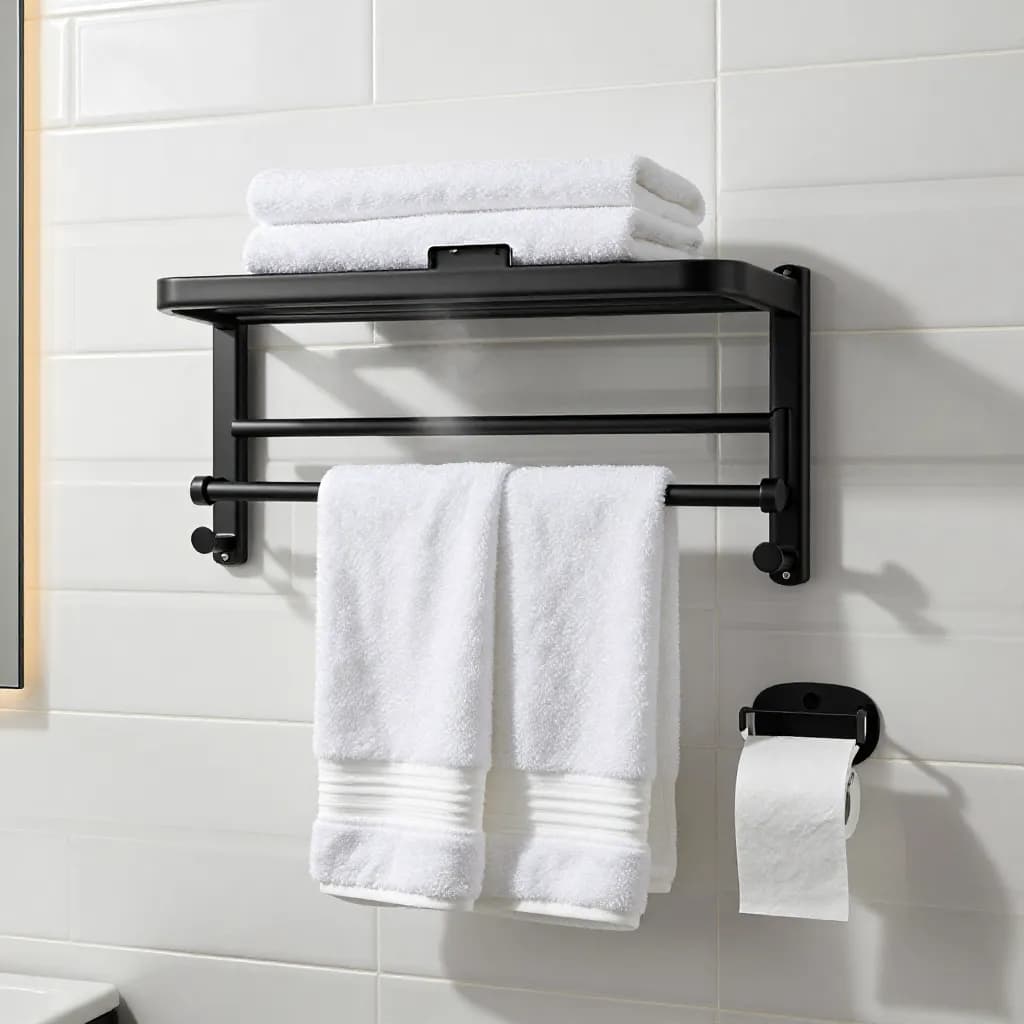
Powder coating offers a compelling alternative for bathroom hardware. The sealed, non-porous finish blocks moisture from reaching the metal substrate, preventing the corrosion that plagues bare or poorly finished hardware in humid environments. Unlike chrome, which can pit and flake when the underlying nickel layer is compromised, powder coating maintains a consistent protective barrier across the entire surface.
Ready to Start Your Project?
From one-off customs to 15,000-part production runs — get precise pricing in 24 hours.
On This Page
The Bathroom Environment Challenge
The design advantages are equally significant. While chrome offers essentially one look — shiny and reflective — powder coating opens up the full spectrum of colors, textures, and effects. Matte black bathroom hardware has become a major design trend, and powder coating is the most practical way to achieve this look with lasting durability. Beyond black, any color that complements the bathroom's tile, paint, and fixture palette is achievable.
Towel Racks and Bars: Coating for Daily Contact
Towel racks and bars are the most frequently touched hardware in any bathroom. Wet hands grab them multiple times daily, damp towels hang on them for hours, and they are regularly wiped down during cleaning. The coating on these items must withstand constant moisture contact and mechanical handling without degrading.
Powder coating handles this combination of stresses well. The thermoset film does not soften or weaken when wet, unlike some paint finishes that can become tacky or peel when exposed to prolonged moisture. Towels draped over a powder-coated bar dry normally without sticking to or staining the finish, and water droplets bead on the surface rather than being absorbed.
The bar or rail itself is typically steel or aluminum tubing, which takes powder coating readily. Wall-mount brackets and end caps are coated along with the bar for a unified appearance. For heated towel racks, standard powder coatings are suitable since the operating temperatures of heated racks — typically 50 to 70 degrees Celsius — are well within the thermal tolerance of conventional polyester powders.
Mounting considerations are similar to other wall-mounted bathroom hardware. Brackets should be designed to hold the rack securely while allowing for the thermal expansion that occurs with heated models. Mounting screws should engage into wall anchors or studs, not just into the powder-coated bracket surface, to ensure long-term stability under the weight of wet towels.
Chrome Alternative: Why Designers Are Switching
The shift away from chrome in bathroom design has been one of the most significant trends in interior design over the past decade. Matte black, brushed gold, oil-rubbed bronze, and matte white have all gained popularity as alternatives to the ubiquitous chrome finish that dominated bathrooms for generations. Powder coating is the enabling technology behind many of these alternative finishes.
Chrome plating is an electrochemical process that deposits a thin layer of chromium over a nickel base layer. It produces a distinctive mirror-like finish that is hard and scratch-resistant but limited in aesthetic range. The process also involves hexavalent chromium compounds, which are toxic and heavily regulated, making chrome plating increasingly expensive and environmentally problematic.
Powder coating avoids these environmental concerns entirely. The process uses no toxic heavy metals, produces no liquid waste, and emits zero volatile organic compounds. For environmentally conscious homeowners and designers, this is a meaningful advantage. The finish itself is also more versatile — any color, any texture, any sheen level — giving designers freedom that chrome simply cannot offer.
The durability comparison is nuanced. Chrome is harder and more scratch-resistant than powder coating, making it better for high-abrasion applications. But powder coating is more resistant to chipping and impact damage, and it does not suffer from the pitting and flaking that affects chrome in hard water environments. For bathroom hardware where impact resistance and moisture protection matter more than scratch hardness, powder coating is often the better choice.
Humidity and Corrosion Resistance
Bathroom humidity levels routinely reach 80 to 100 percent during showers and baths, creating a persistently moist environment that tests any metal finish. Condensation forms on cool metal surfaces, water splashes during use, and residual moisture lingers in poorly ventilated bathrooms for hours after use. This constant moisture exposure is the primary threat to bathroom hardware longevity.
Powder coating's corrosion resistance stems from its continuous, non-porous film that completely seals the metal substrate from moisture contact. Unlike paint, which can have microscopic pores and thin spots that allow moisture penetration, a properly applied powder coat creates an unbroken barrier. This is particularly important on steel hardware, which corrodes rapidly when exposed to moisture.
For bathrooms with hard water, powder coating offers an advantage over chrome. Hard water deposits — the white, chalky mineral buildup from calcium and magnesium in the water supply — are easier to clean from powder-coated surfaces than from chrome. The deposits do not bond as aggressively to the powder coat film, and they can be removed with mild acidic cleaners without damaging the finish. Chrome, by contrast, can be permanently etched by hard water deposits if they are not removed promptly.
Ventilation plays a supporting role in hardware longevity regardless of the finish. A well-ventilated bathroom that clears humidity quickly after use reduces the total moisture exposure time for all hardware. Exhaust fans, operable windows, and adequate air circulation complement the protection provided by powder coating and extend the life of all bathroom finishes.
Design Trends and Color Choices for Bathrooms
Bathroom design trends have moved decisively toward matte and satin finishes in recent years. The reflective, high-gloss look of chrome is giving way to softer, more tactile finishes that create a spa-like atmosphere. Powder coating is perfectly positioned to deliver these trending finishes with the durability bathroom hardware demands.
Matte black is the dominant trend, offering a bold, graphic contrast against white tile and fixtures. Powder coating delivers a true matte black that does not show water spots or fingerprints as readily as glossy finishes. The matte surface also creates a visual warmth that high-gloss finishes lack, contributing to the relaxed, organic feel that contemporary bathroom design seeks.
Brushed gold and warm metallic tones have emerged as popular alternatives to both chrome and black. Powder coating can replicate these warm metallic effects with excellent consistency, producing finishes that evoke brushed brass or aged gold without the maintenance requirements of actual brass hardware. These warm tones pair beautifully with natural stone, wood accents, and neutral tile palettes.
Matte white hardware is gaining traction in minimalist and Scandinavian-inspired bathrooms. Powder coating produces a clean, bright white finish that coordinates with white fixtures and creates a monochromatic, serene aesthetic. The matte texture prevents the clinical, sterile feel that glossy white can create, keeping the space warm and inviting.
For bold design statements, saturated colors like deep navy, forest green, and terracotta are appearing in designer bathrooms. These colors work best as accent hardware in otherwise neutral spaces, adding personality without overwhelming the room.
Complete Bathroom Hardware Coordination
The real power of powder coating for bathroom hardware is the ability to coordinate every metal element in the room. Towel bars, robe hooks, toilet paper holders, shower shelves, mirror frames, and cabinet pulls can all be finished in the same color and texture, creating a cohesive design that ties the entire bathroom together.
This level of coordination is difficult to achieve with off-the-shelf hardware, which often comes from different manufacturers with slightly different finish interpretations. One brand's matte black may have a warm undertone while another's leans cool, creating a subtle but noticeable mismatch when installed in the same room. Powder coating all hardware in a single batch from the same powder lot eliminates this inconsistency.
For renovation projects, powder coating can update existing hardware to match a new design scheme without replacing functional pieces. A set of solid, well-made chrome towel bars and hooks can be stripped and recoated in matte black or brushed gold, giving the bathroom a completely new look while reusing quality hardware. This approach is both economical and sustainable.
Custom bathroom accessories — soap dishes, toothbrush holders, tissue box covers, and wastebasket frames — can be fabricated from metal and powder coated to match the rest of the hardware suite. This creates a fully coordinated bathroom that looks intentionally designed rather than assembled from disparate retail products. For high-end residential projects and boutique hospitality, this level of coordination distinguishes the space.
Frequently Asked Questions
Can powder coating withstand daily bathroom humidity?
Yes. Powder coating creates a continuous, non-porous barrier that blocks moisture from reaching the metal substrate. It performs well in the high-humidity environment of bathrooms, resisting corrosion and maintaining its appearance through daily exposure to steam, water splashes, and condensation.
Is powder coating more durable than chrome for bathroom hardware?
The comparison depends on the type of wear. Chrome is harder and more scratch-resistant, but powder coating is more resistant to chipping, impact damage, and hard water pitting. For bathroom hardware where moisture protection and impact resistance are priorities, powder coating is often the better choice.
Can existing chrome bathroom hardware be powder coated?
Yes. The chrome plating is stripped first, then the bare metal is pretreated and powder coated in the desired color and finish. This is an economical way to update quality hardware to match a new bathroom design without replacing functional pieces.
What is the most popular powder coating finish for bathroom hardware?
Matte black is currently the most popular choice, offering a bold, modern look that hides water spots and fingerprints. Brushed gold, oil-rubbed bronze, and matte white are also trending. The best choice depends on the bathroom's overall design scheme and fixture palette.
Does powder coating work on heated towel racks?
Yes. Heated towel racks typically operate at 50 to 70 degrees Celsius, which is well within the thermal tolerance of standard polyester powder coatings. No special high-temperature formulation is needed for heated bathroom hardware.
Ready to Start Your Project?
From one-off customs to 15,000-part production runs — get precise pricing in 24 hours.