Metal speaker enclosures, amplifier chassis, rack-mount equipment, and audio hardware are natural candidates for powder coating. The audio industry has long relied on powder coating for its combination of durability, aesthetic quality, and the ability to create the textured, professional finishes that define the look of serious audio equipment. From touring PA systems that endure the rigors of road life to boutique home audio components that serve as living room centerpieces, powder coating delivers the finish quality these products demand.
Consumer
Powder Coating for Speaker Enclosures: Audio Equipment, Textured Finishes, and Professional Audio
Sundial Powder Coating·April 22, 2026·8 min
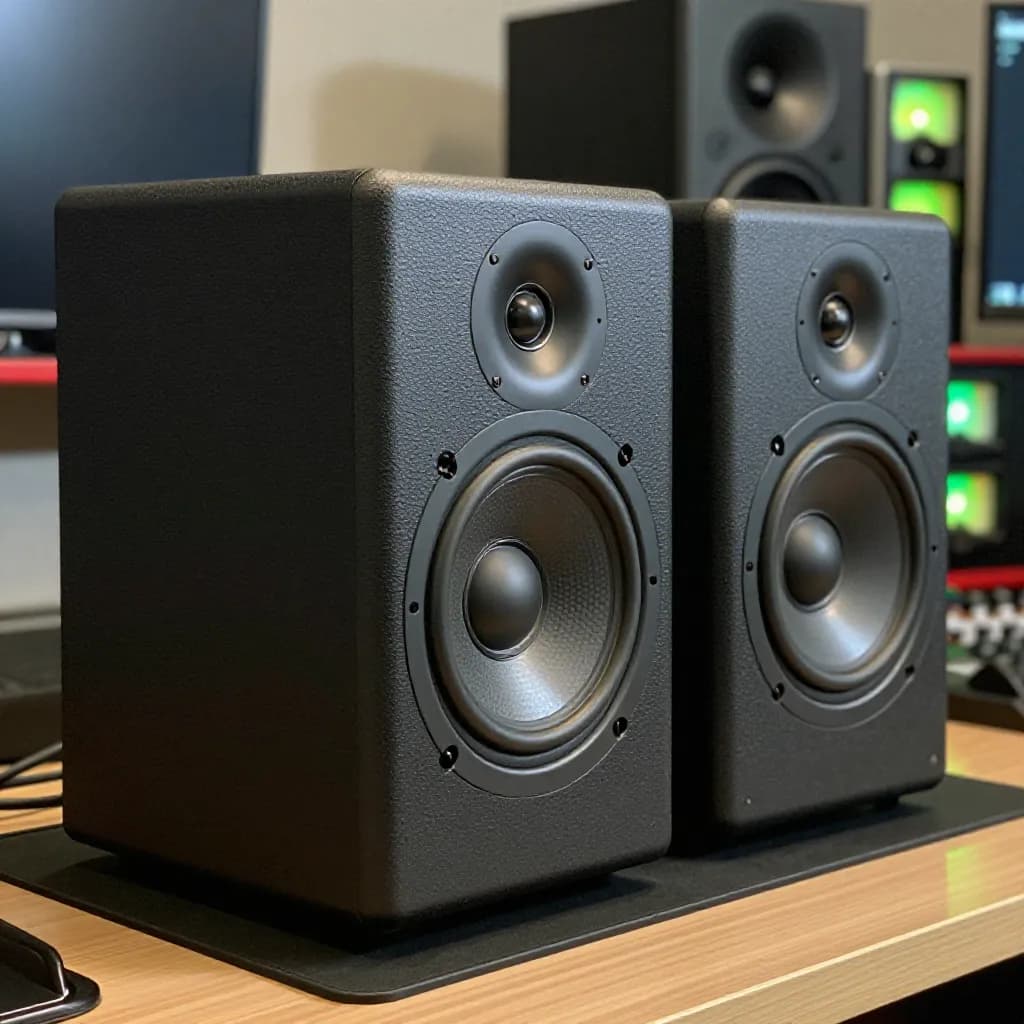
The demands on audio equipment finishes vary dramatically by application. Professional touring gear must survive loading docks, truck beds, rain, and the occasional drop. Studio monitors and home audio components need a refined, furniture-quality finish that looks premium in a controlled environment. DJ equipment and stage monitors face a combination of both — they need to look good under stage lighting while surviving the physical demands of regular transport and setup.
Ready to Start Your Project?
From one-off customs to 15,000-part production runs — get precise pricing in 24 hours.
On This Page
Powder Coating in the Audio World
Powder coating serves all of these applications because the finish can be tailored to the specific requirements. Thick, textured coatings provide maximum durability for road-worn touring gear. Smooth, refined finishes in custom colors create the premium appearance that high-end home audio demands. The versatility of powder coating chemistry and application techniques makes it the dominant finishing technology across the audio equipment spectrum.
Textured Finishes: The Audio Industry Standard
Textured powder coatings are the signature finish of professional audio equipment, and there are practical reasons beyond aesthetics for this preference. The fine sand texture commonly seen on amplifiers, mixing consoles, and speaker enclosures serves multiple functions: it hides fingerprints and minor scratches, provides a non-slip surface for stacked equipment, and creates a professional appearance that communicates quality and durability.
The most common texture for audio equipment is a fine sand or leather texture in black, which has become so ubiquitous that it is essentially the default finish for professional audio gear. This texture is achieved through specific powder formulations that contain texturing agents — typically controlled amounts of incompatible materials that cause the coating to form a uniform micro-texture during curing. The result is a surface that feels slightly rough to the touch and has a low, even sheen.
Beyond the standard fine texture, audio equipment manufacturers use a range of textured finishes to differentiate their products. Coarser sand textures create a more rugged, industrial appearance suited to heavy-duty touring equipment. Wrinkle textures add visual depth and character to boutique and vintage-styled equipment. Smooth satin and semi-gloss finishes are used for premium home audio components where a more refined appearance is desired. The texture choice communicates the product's intended use and market position as much as any other design element.
Vibration and Acoustic Considerations
Speaker enclosures present a unique coating challenge because they are designed to vibrate. The enclosure panels move in response to the acoustic energy produced by the drivers, and the coating must withstand this constant vibration without cracking, delaminating, or producing unwanted resonances. Powder coating's flexibility and adhesion make it well-suited to this dynamic environment.
The vibration levels experienced by speaker enclosures vary enormously depending on the application. A bookshelf speaker in a home listening room experiences relatively gentle vibration. A subwoofer enclosure handling deep bass frequencies at high power levels experiences significant panel movement. A touring PA subwoofer driven at full power produces vibration levels that would shake loose any poorly adhered coating. Powder coating's mechanical bond to the metal substrate — created by the combination of surface profile from blasting and the chemical adhesion of the cured polymer — withstands these vibration levels without failure.
From an acoustic perspective, the coating adds a thin damping layer to the enclosure panels. While the effect is subtle compared to dedicated damping materials, the powder coating does contribute a small amount of vibration damping that can marginally reduce panel resonances. This effect is more pronounced with thicker coating applications and textured finishes, which have more mass per unit area than thin smooth coatings. Audio engineers generally consider the acoustic effect of powder coating to be neutral to slightly beneficial.
Professional PA and Touring Equipment
Professional PA speakers and touring audio equipment face some of the harshest conditions any consumer product encounters. These products are loaded in and out of trucks, stacked on dollies, set up outdoors in rain and sun, and subjected to the general rough handling of live event production. The coating must survive this treatment while maintaining a professional appearance that reflects well on the production company and the performers.
For touring equipment, coating durability is paramount. A thick application of 80 to 100 microns in a tough, textured polyester powder provides the best protection against the impacts, scratches, and abrasion of road life. The textured surface hides the inevitable scuffs and marks that accumulate during transport and setup, maintaining a presentable appearance even after years of touring use.
Corrosion resistance is important for touring gear that is regularly used outdoors. Rain, morning dew, and humidity from outdoor events expose the equipment to moisture that can initiate corrosion at any coating damage point. A polyester powder with good moisture resistance, applied over a properly prepared and conversion-coated surface, provides the protection needed for outdoor use. For equipment that will be used in coastal venues or tropical climates, a two-coat system with an epoxy primer adds an extra layer of corrosion protection that extends the equipment's service life in these aggressive environments.
Home Audio and Boutique Equipment
Home audio components and boutique audio equipment occupy the opposite end of the spectrum from touring gear, prioritizing visual refinement and premium aesthetics over rugged durability. These products are displayed in living rooms, dedicated listening rooms, and studios where their appearance is as important as their sound quality. Powder coating for these applications must deliver a flawless, furniture-quality finish that communicates craftsmanship and attention to detail.
Smooth finishes in matte, satin, and semi-gloss sheens are preferred for home audio equipment. These finishes showcase the quality of the metalwork and create a refined appearance that suits domestic environments. Color options extend well beyond the standard black of professional audio — silver, white, dark gray, and warm metallics are popular choices that coordinate with home decor. Some boutique manufacturers offer custom color matching, allowing customers to specify a finish that perfectly complements their room.
The preparation and application standards for home audio components are more exacting than for professional gear. Surface imperfections that would be hidden by a textured finish are visible on smooth coatings, so the metal must be finished to a higher standard before coating. Weld joints must be ground perfectly smooth, and any surface defects must be filled and sanded. The powder application must be uniform with no thin spots, orange peel, or inclusions. This level of quality requires skilled application and careful quality control, but the result is a finish that rivals the best liquid paint work.
EMI Shielding and Grounding Considerations
Audio equipment often requires electromagnetic interference shielding to prevent noise and interference from affecting audio signals. Metal enclosures provide this shielding naturally, but powder coating is an electrical insulator that can interfere with the enclosure's shielding effectiveness if not properly managed. Understanding this interaction is important for audio equipment that requires EMI protection.
The primary concern is grounding. For an enclosure to function as an effective EMI shield, it must be electrically grounded. Powder coating insulates the enclosure surface, which can prevent proper grounding if all contact surfaces are coated. The solution is straightforward — mask the grounding points, connector mounting surfaces, and any areas where electrical contact between components is required. These bare metal areas provide the grounding path needed for effective shielding.
For rack-mount equipment, the rack rail contact surfaces on the front panel flanges should be left uncoated or have the coating removed after application. This ensures proper grounding through the rack rails when the equipment is installed. Similarly, connector panel areas where XLR, TRS, and other audio connectors are mounted should have bare metal contact between the connector body and the enclosure for proper shield grounding. These masking requirements are standard practice in audio equipment manufacturing and do not complicate the coating process significantly.
Custom Branding and Visual Identity
For audio equipment manufacturers, the finish is a key element of brand identity. The color, texture, and quality of the coating communicate the brand's values and market position. Powder coating enables manufacturers to create distinctive visual identities through custom colors, unique textures, and consistent finish quality across their product lines.
Brand colors can be precisely matched and consistently reproduced across production runs, ensuring that every product in the lineup has an identical appearance. This consistency is difficult to achieve with liquid paint, where batch-to-batch color variation is more common. Powder coating's digital color matching and controlled application process deliver the repeatability that brand consistency requires.
Logos and branding elements can be incorporated into the powder-coated finish through several methods. Silk-screened logos applied over the cured coating are the most common approach, providing crisp, detailed graphics in any color. For a more integrated look, logos can be laser-engraved through the coating to reveal the bare metal beneath, creating a subtle, tactile branding element. Recessed or raised logos can be incorporated into the metal fabrication and highlighted by the coating, with the texture and color of the powder emphasizing the dimensional branding. These techniques allow manufacturers to create products with a cohesive, professional appearance that reinforces brand recognition.
Frequently Asked Questions
Does powder coating affect speaker sound quality?
Powder coating has a neutral to slightly beneficial effect on speaker enclosure acoustics. The coating adds a thin damping layer that can marginally reduce panel resonances. The effect is subtle compared to dedicated damping materials. Audio engineers generally consider powder coating acoustically neutral for speaker enclosure applications.
Will powder coating crack from speaker vibration?
No. Powder coating's combination of flexibility and strong adhesion to the metal substrate allows it to withstand the vibration levels produced by speaker enclosures, including high-power subwoofers. The coating moves with the panel rather than cracking or delaminating, even under sustained high-output operation.
What texture is standard for professional audio equipment?
Fine sand texture in black is the industry standard for professional audio equipment. This texture hides fingerprints and minor scratches, provides a non-slip surface for stacking, and creates the professional appearance associated with quality audio gear. Coarser textures are used for heavy-duty touring equipment.
Does powder coating interfere with EMI shielding?
Powder coating is an electrical insulator that can reduce EMI shielding effectiveness if grounding points are coated. The solution is to mask grounding points, connector mounting surfaces, and rack rail contact areas during coating. These bare metal areas maintain the electrical continuity needed for effective shielding.
Can powder coating match the finish of existing audio equipment?
Yes. Powder coating shops can match virtually any existing finish using color matching tools. Bring a sample of the existing equipment finish, and the shop can formulate a custom powder that replicates the color and texture. This is useful for matching new custom enclosures to existing equipment in a rack or system.
Ready to Start Your Project?
From one-off customs to 15,000-part production runs — get precise pricing in 24 hours.