Custom smoker and grill building has exploded from a niche welding hobby into a full-blown movement. Backyard fabricators, professional pitmasters, and small-batch manufacturers are all building cookers tailored to specific cooking styles, fuel types, and aesthetic preferences. Whether it is a reverse-flow offset smoker built from quarter-inch steel plate or a compact drum smoker fashioned from a repurposed barrel, the finish on these builds matters as much as the engineering underneath.
Consumer
Powder Coating for Smoker and Grill Builds: Durable Finishes for Custom Cookers
Sundial Powder Coating·April 23, 2026·9 min
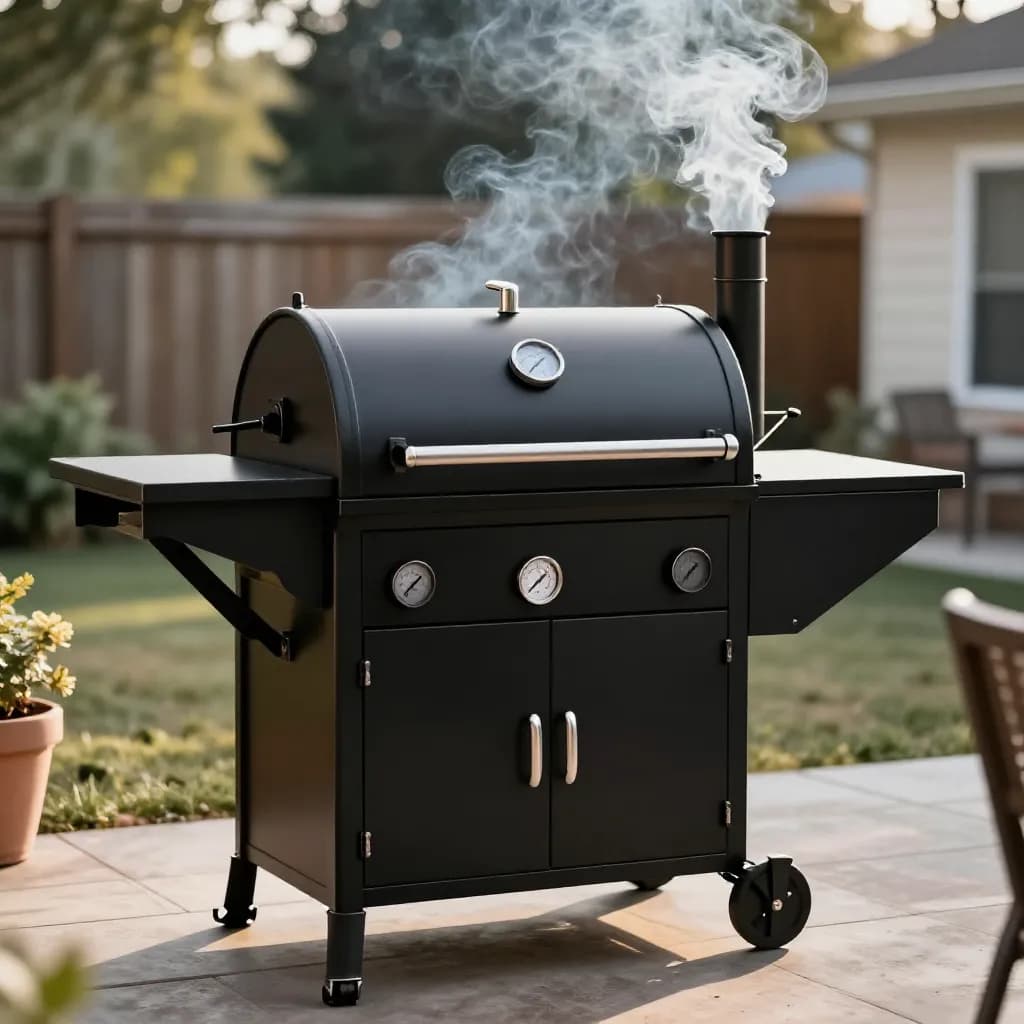
A raw steel smoker will rust quickly when exposed to rain, humidity, and the moisture inherent in the cooking process itself. Traditional approaches — high-temperature spray paint or seasoning with cooking oil — provide limited protection that requires constant maintenance. Powder coating offers a more permanent solution, delivering a factory-quality finish that protects the exterior from corrosion while withstanding the heat generated during long smoking sessions.
Ready to Start Your Project?
From one-off customs to 15,000-part production runs — get precise pricing in 24 hours.
On This Page
The Custom Smoker and Grill Building Boom
For builders who invest dozens or hundreds of hours fabricating a custom cooker, the finish is the final detail that separates a backyard project from a professional-grade product. Powder coating provides that polished, commercial appearance while adding genuine functional protection that extends the life of the build.
Exterior Coating: High-Temperature Protection
The exterior surfaces of a smoker or grill experience a wide range of temperatures depending on the cooker design and cooking method. An offset smoker's firebox can reach surface temperatures of 300 to 400 degrees Celsius on the outside, while the cooking chamber exterior might see 150 to 250 degrees during a long cook. Drum smokers and kettle-style grills fall somewhere in between, with hot spots near the fire and cooler zones farther away.
High-temperature powder coatings rated for 300 to 600 degrees Celsius are the standard choice for smoker and grill exteriors. These silicone-based formulations maintain their integrity through repeated heat cycles without blistering, peeling, or discoloring. They also provide excellent corrosion resistance for the periods between cooks when the smoker sits exposed to weather.
Color options for high-temp exterior coatings are more limited than standard powders but still offer good variety for cooker builds. Satin black is the overwhelming favorite, as it hides smoke stains and grease splatter while providing a classic barbecue aesthetic. Charcoal grey, dark bronze, and silver metallic are also popular choices that complement the industrial look of custom steel fabrication.
The firebox area deserves special attention during coating specification. This is the hottest zone on any smoker, and the coating here experiences the most thermal stress. Some builders opt for an even higher-rated coating on the firebox while using a standard high-temp formulation on the cooler cooking chamber exterior. This zoned approach optimizes both performance and appearance.
Interior Considerations: Food Safety First
The interior of a smoker or grill presents a fundamentally different coating challenge than the exterior. Interior surfaces contact food, smoke, grease, and moisture at elevated temperatures. Any coating used inside a cooker must be food-safe, heat-resistant, and able to withstand the acidic environment created by smoke and rendered fats.
Many custom smoker builders choose not to coat the interior at all, instead relying on a seasoning layer of carbonized cooking oil to protect the steel. This traditional approach works well and is the standard in competition barbecue. The seasoning builds up over time, creating a natural non-stick surface that also provides moderate corrosion protection.
For builders who prefer a coated interior, food-safe high-temperature powder coatings are available. These formulations are specifically designed for surfaces that contact food at elevated temperatures and are tested to ensure they do not release harmful compounds under cooking conditions. They provide a cleaner initial appearance than raw steel and make the interior easier to clean between cooks.
The cooking grates themselves are typically left uncoated or treated with a food-safe seasoning rather than powder coated. Grates experience the most direct heat and the most aggressive cleaning, and even high-temperature coatings can wear through relatively quickly under these conditions. Cast iron or stainless steel grates with a traditional oil seasoning remain the most practical choice for the cooking surface itself.
Offset Smoker Builds: Coating Strategies
Offset smokers are the flagship of custom cooker building, and their size and complexity create specific coating considerations. A typical offset smoker consists of a main cooking chamber, a firebox, connecting plates or tunnels, exhaust stacks, doors, hinges, handles, shelving, and often a warming cabinet or additional cooking level. Each of these components has different thermal and functional requirements.
The firebox is the hottest component and should receive the highest-rated coating available. The cooking chamber exterior runs cooler and can use a standard high-temp formulation. Doors, handles, and shelving that are removable should be coated separately to ensure complete coverage on all surfaces. Exhaust stacks experience moderate heat and benefit from high-temp coating to prevent the unsightly rust that quickly develops on unprotected vertical steel surfaces.
Hinges and moving parts require careful masking during coating. Powder coating on hinge pins or inside hinge barrels can cause binding and prevent smooth operation. These areas should be masked before coating and lubricated after assembly. Similarly, door seal surfaces where gasket material contacts the frame should be masked to ensure a proper seal after coating.
For trailer-mounted offset smokers, the frame and running gear can be coated with standard outdoor-grade powder since they do not experience cooking temperatures. This allows the use of the full color palette for the trailer frame, and many builders choose a contrasting color or finish for the frame to complement the black or dark finish on the cooker itself. The wheels, axles, and tongue can all be coated for a fully finished, professional appearance.
Drum Smoker and Compact Cooker Builds
Drum smokers — also known as ugly drum smokers or UDS builds — are a popular entry point for DIY cooker builders. Built from 55-gallon steel drums, these simple but effective smokers produce excellent barbecue with minimal fabrication complexity. Powder coating transforms a utilitarian drum into a polished, professional-looking cooker.
The cylindrical shape of a drum smoker is actually ideal for powder coating. The smooth, continuous surface allows for even powder distribution with minimal Faraday cage issues. The main coating challenges are the lid edge, where the lid meets the drum body, and any intake or exhaust vents that have been cut into the drum. These areas need careful attention to ensure complete coverage.
Before coating a repurposed drum, thorough cleaning is essential. Industrial drums may have contained chemicals, oils, or other substances that must be completely removed before the drum is safe for food use and before powder coating can be applied. A full burn-out at high temperature, followed by media blasting and chemical cleaning, is the standard preparation sequence for repurposed drums.
Compact cookers like mini offset smokers, portable grills, and tabletop units are also excellent candidates for powder coating. Their smaller size makes them easy to handle in a coating shop, and the professional finish adds significant perceived value to what might otherwise look like a simple welding project. For builders who sell their cookers, powder coating is often the detail that justifies a higher asking price and sets their product apart from competitors.
Preparation and Fabrication Tips for Coaters
The quality of a powder-coated smoker starts long before the powder gun comes out. Fabrication decisions made during the build directly affect how well the coating performs and how good the finished product looks. Builders who plan for powder coating from the start get better results than those who treat it as an afterthought.
Weld quality is paramount. Every weld on the exterior of the cooker will be visible through the powder coat, so clean, consistent welds are essential. Grind down any spatter, smooth rough welds, and fill any pinholes or gaps before sending the cooker for coating. The powder will faithfully follow every surface contour, so imperfections in the metalwork become imperfections in the finish.
All drilling, cutting, and grinding should be completed before coating. Any post-coating fabrication work will damage the finish and create bare spots that need touch-up. Plan your build sequence so that the cooker is fully assembled and tested before disassembly for coating. This ensures all holes are drilled, all fitment is confirmed, and no additional metalwork is needed after the finish is applied.
Drain holes and weep holes should be incorporated into the design to prevent water from pooling inside enclosed sections. Trapped water behind a powder-coated surface will eventually cause corrosion from the inside out. Similarly, any enclosed tubes or box sections should have vent holes to allow air expansion during the curing process and to prevent moisture accumulation during use.
Curing and Post-Coating Assembly
Curing a large smoker requires an oven big enough to accommodate the assembled cooker or its individual components. Many custom smoker builds exceed the capacity of standard powder coating ovens, so finding a shop with a large batch oven or a walk-in oven is often necessary. Some builders disassemble their cookers into manageable sections — firebox, cooking chamber, doors, shelving — that can be coated and cured individually in standard-sized ovens.
High-temperature powder coatings often require different cure schedules than standard powders. Cure temperatures may be higher, cure times may be longer, and the coating may need a post-cure heat cycle to develop its full heat resistance. Follow the powder manufacturer's specifications precisely, as under-curing a high-temp coating can result in premature failure when the cooker is put into service.
After curing and cooling, reassemble the cooker carefully to avoid scratching or chipping the fresh finish. Use felt or rubber pads between mating surfaces where metal-to-metal contact could damage the coating during assembly. Tighten fasteners gradually and evenly to avoid point-loading that could crack the coating around bolt holes.
Before the first cook, perform a seasoning burn at moderate temperature to condition the interior surfaces and allow the exterior coating to go through its initial heat cycle in a controlled manner. This gradual break-in helps the high-temperature coating reach its full performance characteristics without the thermal shock of an immediate high-heat cook.
Long-Term Care for Powder-Coated Cookers
A powder-coated smoker or grill will provide years of service with basic maintenance. After each cook, allow the cooker to cool completely, then wipe down the exterior with a damp cloth to remove smoke residue, grease splatter, and ash. For stubborn deposits, a mild degreaser and soft cloth will clean the surface without damaging the coating.
Avoid using abrasive cleaners, steel wool, or pressure washers on powder-coated surfaces. These can scratch or chip the coating, creating entry points for moisture and corrosion. A soft sponge or microfiber cloth is all you need for routine cleaning. For textured finishes, a soft-bristle brush helps clean the texture valleys without damaging the raised surfaces.
When the cooker is not in use, protect it from the elements with a fitted cover or store it in a covered area. While high-temperature powder coating provides excellent weather resistance, prolonged exposure to rain and UV radiation between cooks will eventually take a toll on any finish. A cover extends the coating life significantly and keeps the cooker clean and ready for the next session.
Inspect the coating periodically, paying special attention to the firebox area, door edges, and any points where metal components contact each other during use. These high-stress areas are where coating wear typically appears first. Small chips or worn spots can be touched up with high-temperature spray paint as a temporary measure, and the cooker can be professionally recoated when the overall finish has degraded enough to warrant it.
Frequently Asked Questions
Can the inside of a smoker be powder coated?
Yes, using food-safe high-temperature powder coatings specifically formulated for surfaces that contact food at elevated temperatures. However, many builders prefer the traditional approach of seasoning the interior with cooking oil, which builds a natural protective layer over time.
What temperature rating do I need for a smoker exterior?
Most smoker exteriors need coatings rated for 300 to 400 degrees Celsius. The firebox area may need coatings rated for 500 to 600 degrees Celsius. The specific rating depends on your cooker design, wall thickness, and typical cooking temperatures.
Will powder coating affect the taste of food?
Properly formulated food-safe high-temperature coatings do not affect food taste. The exterior coating does not contact food at all. If the interior is coated with a food-safe formulation, it is designed to be inert at cooking temperatures and will not impart flavors.
Can I powder coat a smoker built from a repurposed drum?
Yes, but thorough cleaning is essential. The drum must be completely stripped of any previous contents through burn-out, blasting, and chemical cleaning before it is safe for food use and before powder coating can be applied.
How do I find a coater with an oven large enough for my smoker?
Look for shops that handle industrial, agricultural, or automotive frame work, as they typically have large batch ovens. Alternatively, disassemble your smoker into sections that fit standard ovens. Many coaters experienced with custom fabrication work can advise on the best approach.
Ready to Start Your Project?
From one-off customs to 15,000-part production runs — get precise pricing in 24 hours.