The houseplant revival has created enormous demand for attractive, functional plant stands and holders. From minimalist wire frames to elaborate tiered displays, metal plant stands have become essential decor elements in homes, offices, patios, and commercial spaces. These stands need to look good while surviving the unique challenges of holding plants — water exposure, humidity, soil contact, and for outdoor stands, full weather exposure.
Consumer
Powder Coating for Plant Stands and Holders: Indoor and Outdoor Durability
Sundial Powder Coating·April 23, 2026·7 min
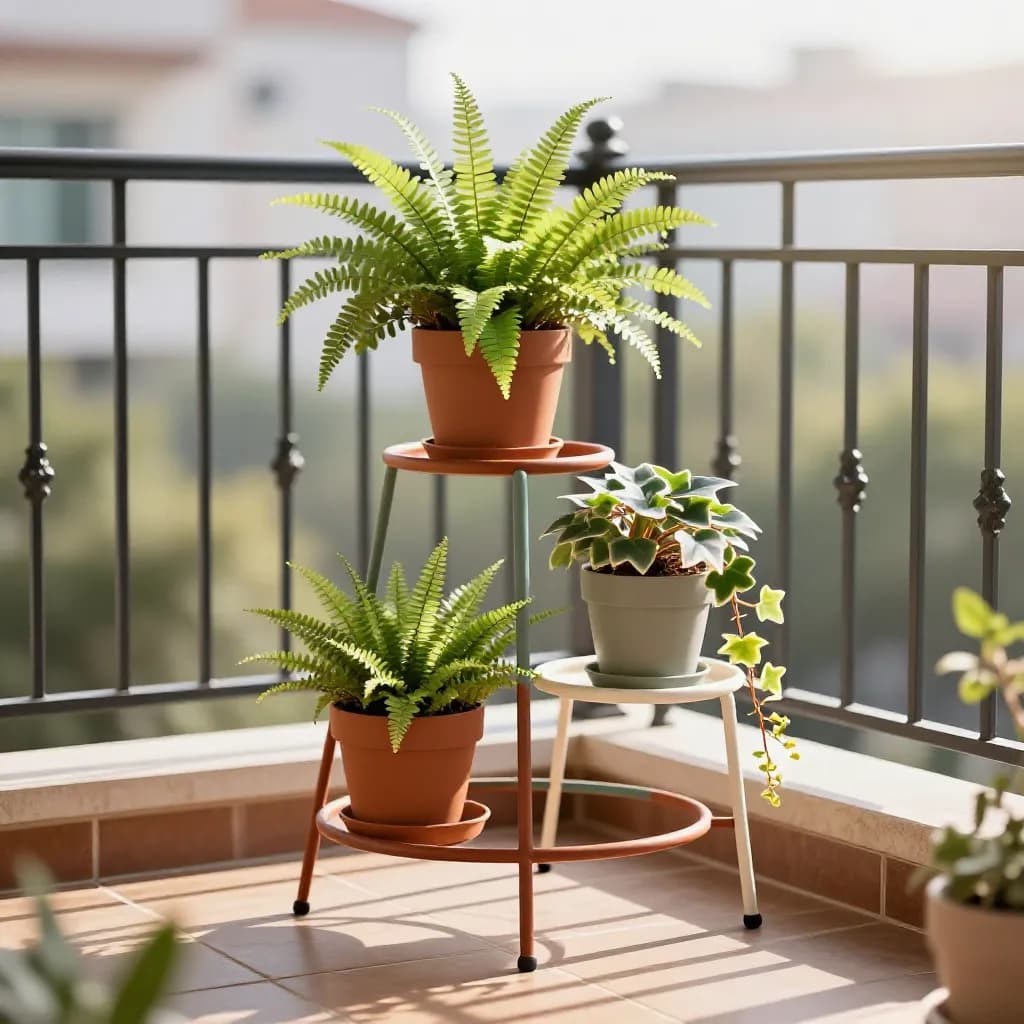
Powder coating is the ideal finish for metal plant stands because it addresses all of these challenges simultaneously. The sealed, non-porous coating prevents water from reaching the metal, resists the humidity that surrounds potted plants, and withstands UV exposure for outdoor installations. Unlike paint that peels when wet or bare metal that rusts at the first sign of moisture, powder-coated plant stands maintain their appearance through the constant water exposure that comes with plant care.
Ready to Start Your Project?
From one-off customs to 15,000-part production runs — get precise pricing in 24 hours.
On This Page
Plant Stands in the Modern Home and Garden
The design possibilities are equally compelling. Powder coating's color range allows plant stands to complement any interior or exterior design scheme, from bold statement colors that contrast with green foliage to subtle neutrals that let the plants take center stage. The finish becomes part of the overall plant display, contributing to the aesthetic rather than merely supporting it.
Indoor Plant Stands: Humidity and Water Protection
Indoor plant stands face a specific set of moisture challenges. Watering inevitably leads to drips, spills, and condensation on the stand's surfaces. Saucers overflow, humidity rises around grouped plants, and condensation forms on metal surfaces in air-conditioned rooms. A finish that cannot handle persistent moisture exposure will fail quickly in this environment.
Powder coating's moisture resistance makes it the practical choice for indoor plant stands. Water beads on the coated surface rather than being absorbed, and any drips or spills can be wiped away without affecting the finish. The coating does not soften, bubble, or peel when wet — a common failure mode for painted plant stands that leads to unsightly rust stains on floors and furniture.
The ring-shaped water stain is the bane of plant stand owners. When a wet pot sits on an unprotected metal surface, the moisture trapped between the pot and the stand initiates corrosion that leaves a permanent rust ring. Powder coating prevents this by sealing the metal completely. Even if water sits on the coated surface for extended periods, it cannot reach the metal to start the corrosion process.
For stands that hold multiple plants in close proximity, the microclimate of elevated humidity around the grouped plants is a constant presence. Powder coating withstands this ambient humidity without degradation, maintaining its appearance and protection in the humid zone that surrounds a well-stocked plant collection.
Outdoor Plant Stands: Full Weather Exposure
Outdoor plant stands face the full spectrum of weather challenges — UV radiation, rain, frost, heat, humidity, and wind-blown debris. The finish must withstand all of these simultaneously while maintaining its color and protective properties through multiple seasons.
UV-stable polyester powder coatings are the standard choice for outdoor plant stands. These formulations resist the fading and chalking that UV radiation causes in lesser finishes, maintaining color accuracy through years of sun exposure. For stands in full-sun locations, this UV stability is essential — a stand that fades to a washed-out version of its original color within one summer defeats the purpose of choosing a specific color in the first place.
Rain and irrigation water are constant companions for outdoor plant stands. The coating must resist not just occasional splashes but sustained water contact from rain, sprinkler overspray, and drainage from the pots above. Powder coating's continuous film provides this protection, but attention to detail matters — the bottom of the stand's legs, where they contact wet ground or patio surfaces, are particularly vulnerable and must be fully coated.
Frost and freeze-thaw cycling can stress any coating. Water that finds its way into a coating defect — a chip, scratch, or thin spot — can freeze and expand, lifting the coating away from the metal and creating a larger defect. This progressive failure is why initial coating quality and complete coverage are so important for outdoor applications. A well-applied powder coat with no defects resists freeze-thaw damage effectively.
Design Trends and Color Choices
Plant stand design has evolved from purely functional to highly decorative, and powder coating enables this evolution with its vast palette of colors and finishes. Current trends favor clean lines, geometric shapes, and finishes that complement both the plants and the surrounding decor.
Matte black remains the most versatile and popular choice for plant stands. It provides a graphic, modern look that works with any plant variety and any interior style. The dark finish recedes visually, keeping attention on the plants rather than the stand. For outdoor use, matte black absorbs heat, which can be a consideration for stands in direct sun — the stand may become warm to the touch on hot days.
White and light-colored stands have gained popularity in Scandinavian and minimalist interiors. A matte white stand creates a clean, airy feel and pairs beautifully with white pots and light-colored interiors. For outdoor use, white reflects heat and stays cooler than dark finishes, which can be an advantage in hot climates.
Metallic finishes — gold, brass, copper, and rose gold — add warmth and sophistication to plant displays. These finishes are particularly popular for indoor stands in living rooms and bedrooms, where they contribute to a curated, intentional aesthetic. Satin metallic finishes provide a subtle glow without the flashiness of high-gloss metallics.
Bold colors — terracotta, deep green, navy blue, mustard yellow — are emerging as statement choices for plant stands. A brightly colored stand becomes a design element in its own right, adding a pop of color that complements or contrasts with the foliage above. These bold choices work best as accent pieces rather than for every stand in a collection.
Stand Construction and Coating Preparation
Plant stands are fabricated from a variety of metal forms — steel rod, flat bar, tube, sheet, and wire — each with its own coating characteristics. Understanding how different materials and construction methods interact with the powder coating process helps ensure the best possible results.
Wire and rod stands — the classic mid-century modern style — are among the easiest to coat. The open construction allows powder to wrap around each element, and the simple geometry produces even coverage. The main consideration is ensuring adequate coating at weld points where rods intersect, as these joints can be prone to thin coverage if not addressed during application.
Sheet metal stands with folded or bent construction may have enclosed sections that trap air during curing. These enclosed areas need vent holes to allow air expansion and prevent coating defects caused by trapped air pushing through the uncured powder. Small vent holes in inconspicuous locations solve this problem without affecting the stand's appearance.
For stands with adjustable or removable components — telescoping height adjustments, removable pot rings, or modular shelf systems — the moving parts need attention during coating. Sliding surfaces should be coated with a smooth finish to minimize friction, and any adjustment mechanisms should be tested after coating to ensure they still operate freely.
Surface preparation follows standard powder coating practices. All rust, mill scale, and contamination must be removed. Welds should be clean and smooth. Sharp edges should be broken to ensure adequate coating thickness. For stands that will be used outdoors, a phosphate or chromate pretreatment provides the adhesion and corrosion resistance foundation that outdoor exposure demands.
Caring for Powder-Coated Plant Stands
Maintaining powder-coated plant stands is straightforward and requires minimal effort. The most important habit is wiping up water promptly. While the coating itself is moisture-resistant, standing water on horizontal surfaces — shelf tops, pot rings, and base plates — can leave mineral deposits as it evaporates, especially in areas with hard water. A quick wipe after watering prevents these deposits from building up.
For indoor stands, regular dusting keeps the finish looking fresh. A soft cloth or feather duster removes the dust that accumulates on horizontal surfaces and in the angles where structural members meet. For deeper cleaning, a damp cloth with mild soap handles fingerprints, water spots, and soil residue without affecting the finish.
Outdoor stands benefit from a seasonal rinse with a garden hose to remove accumulated dirt, pollen, and organic debris. Leaves and plant material that collect on the stand should be removed promptly, as decomposing organic matter can trap moisture against the coating and create conditions favorable to corrosion at any coating defects.
Inspect outdoor stands at the beginning and end of each growing season. Look for chips, scratches, or areas where the coating has been compromised by impact or abrasion. Touch up any damage promptly with matching spray paint to prevent corrosion from starting at exposed metal. The bottom of the legs, where they contact wet ground, is the most common area for coating wear and should be checked regularly.
When repositioning plant stands, lift rather than drag them across floors. Dragging can scratch both the stand's coating and the floor surface. For heavy stands with multiple large pots, remove the pots before moving the stand to reduce weight and prevent tipping.
Frequently Asked Questions
Will powder coating prevent rust rings from wet plant pots?
Yes. Powder coating seals the metal completely, preventing moisture from reaching the surface and initiating corrosion. Even if water sits on the coated surface for extended periods, it cannot penetrate to the metal, eliminating the rust rings that plague unprotected metal plant stands.
Can powder-coated plant stands be used outdoors year-round?
Yes, with UV-stable polyester powder coatings. These formulations resist fading, chalking, and corrosion through multiple seasons of sun, rain, and temperature cycling. Ensure complete coating coverage, especially on leg bottoms that contact wet surfaces.
What is the best powder coating color for plant stands?
Matte black is the most versatile choice, providing a modern look that complements any plant variety and interior style. White, metallic gold, and bold accent colors are also popular depending on the design scheme. The best choice depends on whether the stand should blend in or make a statement.
Does powder coating add significant weight to plant stands?
No. The coating adds a thin film of 50 to 80 microns that translates to negligible weight on plant stand-sized components. The weight of the stand is determined by the metal construction, not the coating.
How do I clean a powder-coated plant stand?
Wipe with a soft cloth for dust, or use a damp cloth with mild soap for water spots and soil residue. Avoid abrasive cleaners and scouring pads. For outdoor stands, a seasonal rinse with a garden hose removes accumulated dirt and organic debris.
Ready to Start Your Project?
From one-off customs to 15,000-part production runs — get precise pricing in 24 hours.