Metal picture frames have a clean, modern aesthetic that complements contemporary interiors and gallery settings. Aluminum and steel frames offer slim profiles, structural rigidity, and a minimalist look that lets the artwork take center stage. But the finish on these frames determines whether they look like professional gallery hardware or budget craft-store finds.
Consumer
Powder Coating for Metal Picture Frames: Gallery-Quality Finishes at Home
Sundial Powder Coating·April 23, 2026·7 min
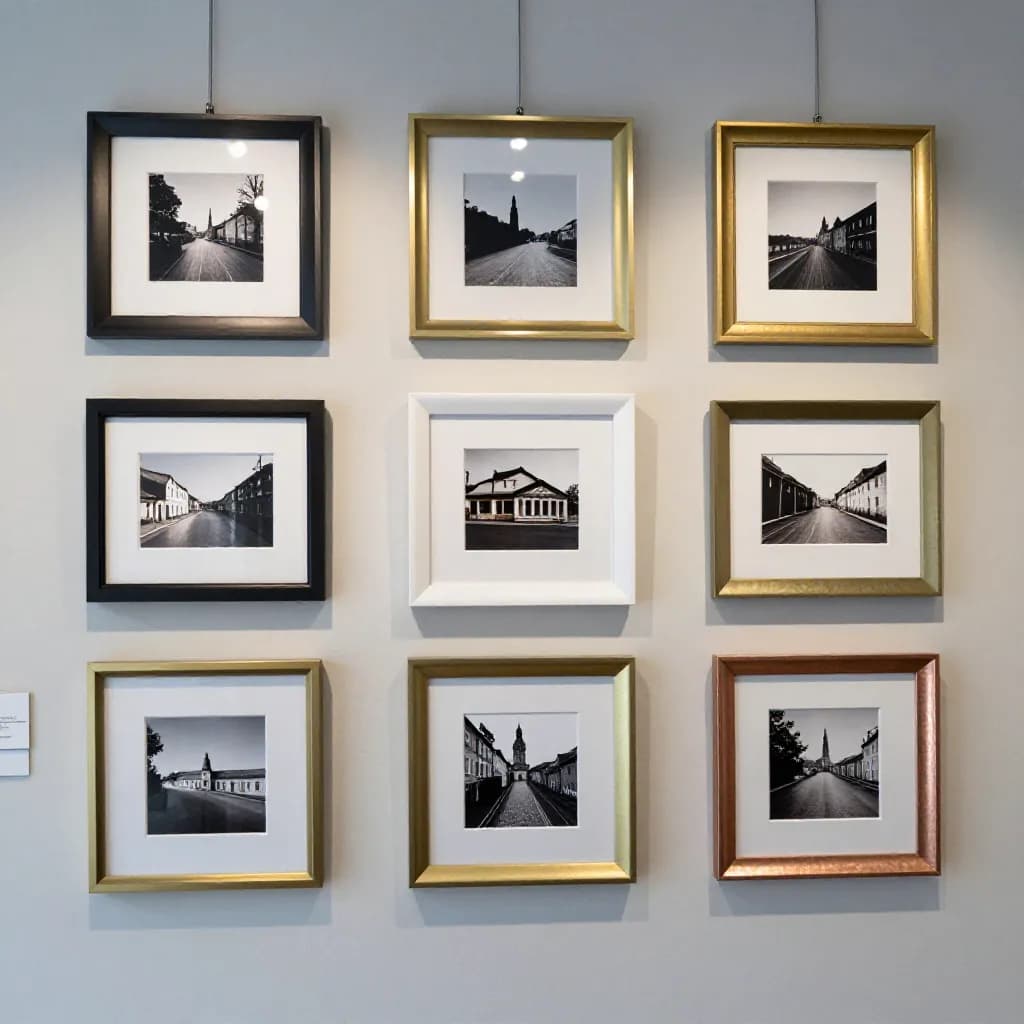
Powder coating elevates metal picture frames to gallery quality. The process delivers a smooth, uniform finish with consistent color and no brush marks, drips, or orange peel texture. Whether the frame is a simple rectangular profile or an elaborate custom fabrication, powder coating provides the kind of flawless surface that professional framers and galleries demand.
Ready to Start Your Project?
From one-off customs to 15,000-part production runs — get precise pricing in 24 hours.
On This Page
Metal Frames and the Case for Powder Coating
For custom frame makers, interior designers, and artists who fabricate their own frames, powder coating opens up a world of color and finish options that off-the-shelf frames cannot match. A frame finished in a specific color to complement the artwork, coordinate with room decor, or match a corporate brand identity becomes a design element in its own right rather than just a border around the image.
Frame Profiles and Coating Thickness
Metal picture frames typically use thin-walled aluminum or steel profiles — often just one to two millimeters thick with face widths ranging from 10 to 40 millimeters. These slim dimensions mean that coating thickness is a proportionally significant consideration. A standard powder coat of 60 to 80 microns on a 20-millimeter face width represents a visible percentage of the total profile dimension.
For most frame applications, standard coating thickness works well and produces a smooth, durable finish. The slight dimensional increase from the coating is not noticeable on frames wider than about 15 millimeters. However, for very narrow profiles — the ultra-slim frames popular in contemporary gallery settings — thinner applications in the 40 to 50 micron range may be preferred to maintain the intended proportions.
Corner joints deserve special attention. Metal frames are typically joined at 45-degree miters using mechanical fasteners, welding, or adhesive. If the frame is assembled before coating, the corner joints are coated along with the rest of the frame, creating a seamless appearance. If the frame is coated as individual lengths and assembled afterward, the cut ends at each miter will show bare metal that needs touch-up or careful alignment to hide.
Coating the inside of the frame channel — the rabbet that holds the glass, artwork, and backing — is optional. Some framers prefer to coat the entire frame for complete corrosion protection, while others leave the rabbet uncoated to maintain precise dimensions for glass and mat fitment. Discuss this with your coater based on your specific frame design and assembly method.
Color Selection for Framing Applications
Color choice in picture framing is driven by the artwork being displayed and the environment where the frame will hang. Unlike many powder coating applications where personal preference dominates, framing color selection requires consideration of how the frame interacts visually with the image it surrounds.
Neutral tones dominate professional framing. Matte black is the most versatile and popular choice, providing a clean border that works with virtually any artwork or photograph. Satin white and warm grey are common for lighter works and contemporary settings. Dark bronze and gunmetal offer warmth without the heaviness of black, making them popular for residential installations.
For decorative and design-forward applications, the full powder coating palette is available. A frame in deep navy blue might complement a coastal photograph, while a warm terracotta frame could enhance a desert landscape. Interior designers often specify frame colors that tie into the room's color scheme, using the frame as a bridge between the artwork and the surrounding decor.
Metallic finishes add sophistication to framing. Gold, silver, bronze, and copper metallic powders replicate the look of traditional gilded frames at a fraction of the complexity. These metallic finishes are particularly effective on wider frame profiles where the metallic effect has room to develop visually. Brushed and satin metallic finishes provide a more contemporary take on the classic metallic frame.
Hanging Hardware and Assembly Considerations
Picture frame hanging hardware must be integrated thoughtfully with the powder coating process. D-rings, sawtooth hangers, wire anchors, and French cleat brackets are all common hanging methods for metal frames, and each interacts differently with the coated surface.
Hardware that is attached before coating gets coated along with the frame, creating a unified appearance but potentially affecting the hardware's function. Screw-in D-rings, for example, may not thread properly if the screw holes are coated. The practical approach is to drill all mounting holes before coating, mask the holes during the coating process, and attach hardware after the frame is coated and cured.
For welded hanging brackets — common on heavy-duty frames for large or heavy artwork — the brackets should be welded in place before coating. This ensures the weld areas are fully coated and protected, and the bracket becomes a seamless part of the frame structure. The bracket surface that contacts the wall can be left as-is, since it will not be visible once the frame is hung.
Wire hanging systems require anchor points that can withstand the tension of the hanging wire plus the weight of the frame and artwork. These anchor points should be robust enough that the coating does not chip or crack under the wire tension. Reinforced anchor plates or through-bolted wire anchors distribute the load across a larger area of the coated surface, preventing point-stress damage.
Gallery and Commercial Framing Applications
Galleries, museums, and commercial spaces have specific requirements for picture frames that go beyond residential use. Consistency across multiple frames in an exhibition, durability for frequent handling during installation changes, and a professional appearance that does not distract from the artwork are all critical considerations.
Powder coating excels at consistency. When a gallery needs 30 identical frames for an exhibition, powder coating delivers uniform color and finish across the entire batch. This consistency is difficult to achieve with spray paint or brush-on finishes, where slight variations in application technique, ambient conditions, or paint batch can create visible differences between frames.
Durability for commercial use is another strength. Gallery frames are handled frequently — installed, removed, stored, transported, and reinstalled for different exhibitions. The hard powder coat finish resists the fingerprints, scuffs, and minor impacts that come with regular handling. Frames maintain their professional appearance through multiple exhibition cycles without needing refinishing.
For museums and archival framing, the inert nature of cured powder coating is an advantage. Unlike some paints that can off-gas volatile compounds over time, cured powder coating is chemically stable and does not release substances that could affect sensitive artwork. This makes powder-coated frames suitable for framing valuable or archival works where the framing materials must not contribute to degradation of the artwork.
Custom Frame Fabrication and Finishing
For artists, designers, and makers who fabricate custom metal frames, powder coating is the finishing step that brings the project together. Custom frames can be built to any dimension, profile, and design — from simple rectangular frames to complex multi-opening configurations, shadow boxes, and sculptural frame designs.
Fabrication quality directly affects the coated result. Clean welds, smooth surfaces, and precise miters produce the best finished frames. Any surface imperfection — grinding marks, weld spatter, dents, or scratches — will be visible through the powder coat. The coating follows the surface faithfully, so the metalwork must be finished to the standard you want the final frame to reflect.
For makers producing frames in small batches, establishing a consistent fabrication and coating workflow saves time and improves quality. Standardize your frame profiles, cutting methods, and assembly techniques so that each batch of frames arrives at the coater in consistent condition. This consistency allows the coater to optimize their process for your specific parts, producing better results with fewer issues.
Prototyping new frame designs is straightforward with powder coating. Fabricate a single frame, have it coated, and evaluate the result before committing to a production run. If the color or finish is not quite right, the frame can be stripped and recoated with a different specification. This iterative approach to design development is practical and cost-effective with powder coating.
Frequently Asked Questions
Does powder coating add noticeable thickness to thin picture frame profiles?
A standard powder coat adds 60 to 80 microns per surface. On frames wider than about 15 millimeters, this is not visually noticeable. For ultra-slim profiles, thinner applications of 40 to 50 microns can be specified to maintain the intended proportions.
Should picture frames be assembled before or after powder coating?
Both approaches work. Coating assembled frames creates seamless corners but requires the frame to fit in the oven as a unit. Coating individual lengths and assembling afterward allows easier handling but leaves bare metal at miter cuts that may need touch-up.
What is the most popular powder coating color for picture frames?
Matte black is the most popular and versatile choice, working with virtually any artwork or interior setting. Satin white, warm grey, dark bronze, and gunmetal are also common. Metallic finishes in gold, silver, and bronze are popular for decorative and traditional framing styles.
Is powder coating safe for framing valuable artwork?
Yes. Cured powder coating is chemically stable and does not off-gas volatile compounds that could affect sensitive artwork. This makes powder-coated frames suitable for archival and museum framing applications where material inertness is important.
Can hanging hardware be attached to powder-coated frames?
Yes. The best approach is to drill mounting holes before coating, mask the holes during the coating process, and attach hardware after curing. This ensures clean holes for screws and prevents coating damage during hardware installation.
Ready to Start Your Project?
From one-off customs to 15,000-part production runs — get precise pricing in 24 hours.