Walk through any outdoor furniture showroom, hotel terrace, or public park, and the metal furniture you see — chairs, tables, benches, loungers, planters — is almost certainly powder coated. Powder coating has become the dominant finishing technology for outdoor metal furniture because it delivers the combination of durability, appearance, and environmental responsibility that this demanding application requires.
Consumer
Powder Coating for Outdoor Furniture: UV Resistance, Salt Spray Protection, and Maintenance Tips
Sundial Powder Coating·April 22, 2026·12 min
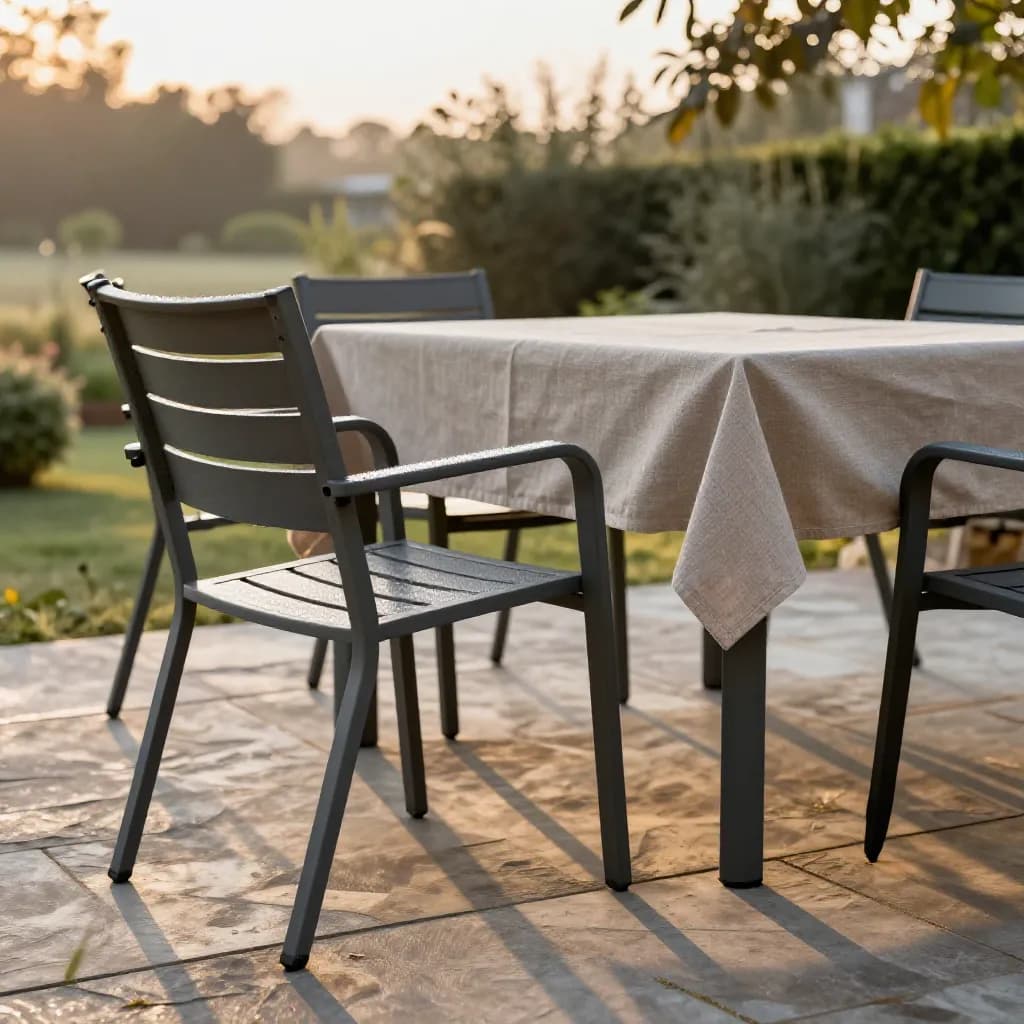
Outdoor furniture faces a relentless assault from the elements. Ultraviolet radiation from sunlight attacks the coating chemistry, causing fading and chalking. Rain, humidity, and morning dew create the moisture conditions that drive corrosion of the underlying metal. Salt air in coastal environments accelerates corrosion dramatically. Temperature cycling — hot days and cool nights — stresses the coating through repeated expansion and contraction. Wind-blown sand and dust abrade the surface. And on top of all this, the furniture is handled, moved, stacked, and occasionally dropped by users who are not thinking about coating preservation.
Ready to Start Your Project?
From one-off customs to 15,000-part production runs — get precise pricing in 24 hours.
On This Page
Why Powder Coating Is the Standard for Outdoor Furniture
Powder coating meets these challenges through its fundamental characteristics: a thick, uniform film (60 to 100 microns in a single coat) that provides a robust barrier against moisture and UV; a crosslinked polymer matrix that resists scratching, chipping, and chemical attack; and a formulation flexibility that allows the resin system, pigments, and additives to be optimized for outdoor performance. The result is a finish that maintains its appearance and protective function for years of outdoor exposure with minimal maintenance — exactly what furniture manufacturers, hospitality operators, and homeowners need.
UV Resistance and Color Stability
Ultraviolet radiation is the primary enemy of outdoor coating longevity. UV energy breaks chemical bonds in the coating resin and pigments, causing gradual degradation that manifests as color fading, chalking (a powdery residue on the surface), and loss of gloss. The rate of UV degradation depends on the coating chemistry, the pigment system, and the intensity and duration of UV exposure.
Polyester powder coatings are the standard choice for outdoor furniture because of their excellent UV resistance. The polyester resin backbone is inherently more resistant to UV degradation than epoxy, which chalks and fades rapidly in sunlight. Within the polyester family, super-durable polyester formulations — engineered with UV-stabilized resin systems and hindered amine light stabilizers (HALS) — offer the highest level of UV resistance, maintaining color and gloss for 15 to 25 years in direct sun exposure.
Pigment selection also affects UV stability. Inorganic pigments — iron oxides (reds, yellows, browns), titanium dioxide (white), carbon black (black), and chromium oxide (green) — are inherently UV-stable and maintain their color indefinitely. Organic pigments — used for bright reds, oranges, yellows, blues, and violets — vary widely in UV stability. Some organic pigments are highly lightfast, while others fade noticeably within a few years of outdoor exposure. When selecting colors for outdoor furniture, ask the powder manufacturer about the lightfastness rating of the specific pigments used in the formulation. For maximum color stability, choose colors based on inorganic pigments or specify super-durable polyester formulations with proven outdoor performance data.
Corrosion Protection and Salt Spray Resistance
Corrosion protection is the other critical performance requirement for outdoor furniture coatings. Metal furniture exposed to moisture, salt air, and atmospheric pollutants will corrode if the coating fails to provide an effective barrier. The consequences of corrosion are both cosmetic (rust staining, surface roughening) and structural (weakening of the metal, particularly at joints and welds).
The corrosion resistance of a powder-coated furniture piece depends on three factors: the substrate material, the pretreatment quality, and the coating system. Aluminum furniture has an inherent advantage because aluminum forms a natural oxide layer that resists corrosion. Steel furniture requires more robust protection because steel corrodes aggressively when exposed to moisture and salt.
Pretreatment is the foundation of corrosion protection. For steel furniture, zinc phosphate conversion coating provides the best corrosion resistance, creating a crystalline layer that improves coating adhesion and acts as a sacrificial barrier against under-film corrosion. Iron phosphate is a less expensive alternative that provides moderate protection suitable for inland environments. For aluminum, chromate-free conversion coatings based on zirconium or titanium chemistry provide excellent adhesion and corrosion resistance without the environmental concerns of chromate treatments.
For coastal environments where salt spray exposure is significant, enhanced coating systems may be necessary. These might include a zinc-rich primer under the powder topcoat for steel substrates, thicker film builds (80 to 120 microns), or powder coatings specifically formulated for marine environments. Furniture manufacturers targeting coastal markets should specify salt spray testing (per ISO 9227 or ASTM B117) as part of their coating qualification, with minimum performance requirements appropriate for the intended exposure — typically 500 to 1,000 hours for general outdoor use and 1,500 to 3,000 hours for coastal applications.
Choosing Colors for Outdoor Furniture
Color selection for outdoor furniture involves balancing aesthetic preferences with practical performance considerations. Not all colors perform equally well in outdoor environments, and understanding the factors that affect outdoor color performance helps buyers and designers make choices that will look good for years.
Dark colors absorb more solar radiation than light colors, causing the furniture surface to reach higher temperatures in direct sunlight. This thermal loading can accelerate coating degradation and make the furniture uncomfortably hot to touch in summer. Very dark colors — black, dark brown, dark navy — can reach surface temperatures of 70 to 80°C in direct sun, which is hot enough to be uncomfortable and can accelerate UV degradation of the coating. Light and medium colors reflect more solar energy, staying cooler and experiencing less thermal stress.
That said, dark colors remain popular for outdoor furniture because of their visual appeal, and modern super-durable polyester formulations handle the thermal stress well. If dark colors are desired, specify super-durable polyester with HALS stabilization and accept that the furniture will be hot to touch in direct sun — a comfort issue rather than a durability issue.
Neutral colors — whites, greys, beiges, and blacks — are the most popular choices for outdoor furniture because they coordinate with a wide range of outdoor settings and architectural styles. Earth tones — terracotta, olive, warm brown — are trending strongly and connect furniture visually with natural outdoor environments. Bold accent colors — deep blue, forest green, warm red — add personality and can define outdoor spaces. Metallic finishes are available for outdoor use but require super-durable formulations to maintain their appearance, as metallic pigments can be more sensitive to weathering than solid colors.
Maintenance Tips for Powder Coated Outdoor Furniture
One of the great advantages of powder coated outdoor furniture is its low maintenance requirement. Unlike painted wood furniture that needs annual sanding and repainting, or bare metal furniture that develops a patina (charming on some materials, unsightly on others), powder coated furniture maintains its appearance with simple periodic cleaning.
The basic maintenance routine is straightforward: wash the furniture with warm water and a mild dish soap or pH-neutral detergent using a soft cloth or sponge, rinse thoroughly with clean water, and allow to air dry. This removes accumulated dirt, pollen, bird droppings, salt deposits, and other surface contamination that can degrade the coating over time if left in place. For stubborn stains, a non-abrasive household cleaner can be used, but avoid abrasive cleaners, scouring pads, steel wool, or harsh solvents that can scratch or damage the coating surface.
Cleaning frequency depends on the environment. In clean, sheltered locations, cleaning every 3 to 6 months is sufficient. In coastal areas, near swimming pools (chlorine exposure), or in urban environments with high pollution, monthly cleaning is recommended. After storms or periods of heavy pollen, an extra cleaning helps prevent buildup.
Beyond cleaning, a few additional practices extend the life of powder coated furniture. Use furniture pads or caps on the feet to prevent scratching when the furniture is moved on hard surfaces. Store furniture indoors or under covers during extended periods of non-use (winter storage in cold climates). Inspect the coating periodically for chips, scratches, or signs of corrosion, and address any damage promptly with touch-up paint to prevent corrosion from spreading under the coating. Applying a coat of automotive wax once or twice a year adds a sacrificial protective layer that enhances UV resistance and makes cleaning easier.
Recoating Outdoor Furniture
Even the best powder coating will eventually show signs of aging after years of outdoor exposure — gradual fading, loss of gloss, minor chalking, or localized damage from impacts and abrasion. When the appearance has degraded beyond acceptable levels, recoating restores the furniture to like-new condition and extends its useful life for another decade or more.
Recoating outdoor furniture is a practical and environmentally responsible alternative to replacement. The metal frame of quality outdoor furniture is designed to last for decades — it is the coating that wears out first. Stripping the old coating and applying a fresh powder coat is significantly less expensive than purchasing new furniture and keeps functional metal frames out of the waste stream.
The recoating process involves disassembling the furniture (removing fabric slings, plastic components, and hardware that cannot withstand the cure temperature), stripping the old coating (by chemical stripping, media blasting, or a combination), inspecting and repairing the bare metal substrate (addressing any corrosion, weld repairs, or structural issues), applying pretreatment, applying the new powder coating, curing, and reassembling.
Many local powder coating job shops offer furniture recoating services, and some specialize in it. The turnaround time is typically 1 to 2 weeks, and the result is a factory-quality finish that is indistinguishable from new. This is also an opportunity to change the color — refreshing the look of the furniture while restoring its protective coating. When selecting a coater for furniture recoating, ask about their pretreatment process (essential for long-term adhesion and corrosion resistance on the stripped substrate) and their experience with furniture — the disassembly, masking, and reassembly steps require familiarity with furniture construction.
Buying Guide: What to Look for in Powder Coated Furniture
When purchasing powder coated outdoor furniture, a few key indicators help distinguish high-quality coating from budget alternatives that may not perform well over time.
Ask about the powder type. Polyester or super-durable polyester is the correct choice for outdoor furniture. Epoxy or hybrid (polyester-epoxy) coatings are not suitable for outdoor use — they will chalk and fade within months. If the manufacturer or retailer cannot tell you the powder type, that is a warning sign.
Ask about pretreatment. Quality furniture manufacturers use multi-stage pretreatment with conversion coating (phosphate or chrome-free alternatives) before powder coating. Budget manufacturers may skip pretreatment or use only a simple wash, which compromises long-term adhesion and corrosion resistance. The pretreatment is invisible in the finished product, but it determines how long the coating will last.
Examine the coating quality visually. Look for uniform color and gloss across all surfaces, smooth film without orange peel or texture variation, complete coverage with no bare spots or thin areas (check inside corners, under edges, and around welds), and clean, well-finished edges without coating pull-back or excessive build-up.
Check the film thickness if possible. Quality outdoor furniture should have a minimum coating thickness of 60 microns, with 80 to 100 microns preferred for enhanced durability. A coating thickness gauge — available as an inexpensive pocket tool — can verify this.
Look for warranty information. Reputable furniture manufacturers provide coating warranties of 3 to 5 years for residential use and 1 to 3 years for commercial use. The warranty should cover fading, chalking, peeling, and corrosion under normal outdoor conditions with specified maintenance. Read the warranty terms carefully, particularly the maintenance requirements and exclusions.
Frequently Asked Questions
How long does powder coating last on outdoor furniture?
Quality powder coating on well-prepared outdoor furniture typically lasts 10-15 years before showing significant fading or chalking. Super-durable polyester formulations can extend this to 15-20 years. Actual longevity depends on UV exposure intensity, coastal proximity, maintenance frequency, and the quality of the pretreatment and application.
Can powder coated furniture be left outside year-round?
Yes, powder coated furniture is designed for year-round outdoor exposure. However, storing furniture under covers or indoors during extended periods of non-use (such as winter) reduces UV and moisture exposure, extending the coating life. In coastal environments, more frequent cleaning helps prevent salt accumulation.
How do I clean powder coated outdoor furniture?
Wash with warm water and mild dish soap using a soft cloth or sponge, rinse thoroughly, and air dry. Clean every 3-6 months in sheltered locations, monthly in coastal or high-pollution areas. Avoid abrasive cleaners, scouring pads, and harsh solvents. Applying automotive wax once or twice a year adds extra protection.
Can I repaint powder coated furniture that has faded?
Yes, but recoating with fresh powder coating (after stripping the old finish) produces a far superior result compared to painting over the existing coating. Many local powder coating shops offer furniture recoating services. This restores factory-quality finish and is more economical than replacing the furniture.
What colors last longest on outdoor furniture?
Colors based on inorganic pigments — whites, greys, blacks, earth tones (browns, terracottas), and greens — offer the best long-term color stability. Bright organic colors (vivid reds, oranges, yellows) may fade faster unless formulated with super-durable polyester and UV-stable pigments. Ask the manufacturer about pigment lightfastness ratings.
Ready to Start Your Project?
From one-off customs to 15,000-part production runs — get precise pricing in 24 hours.