Metal wall art has surged in popularity as homeowners and designers embrace industrial aesthetics, custom fabrication, and one-of-a-kind decorative pieces. From plasma-cut wildlife silhouettes to welded abstract sculptures, metal art brings texture, dimension, and personality to both interior and exterior spaces. But raw or poorly finished metal art has a limited lifespan — rust, fading, and surface degradation can turn a striking piece into an eyesore within a few seasons of exposure.
Consumer
Powder Coating for Metal Art and Wall Decor: Protecting Creative Metalwork
Sundial Powder Coating·April 23, 2026·8 min
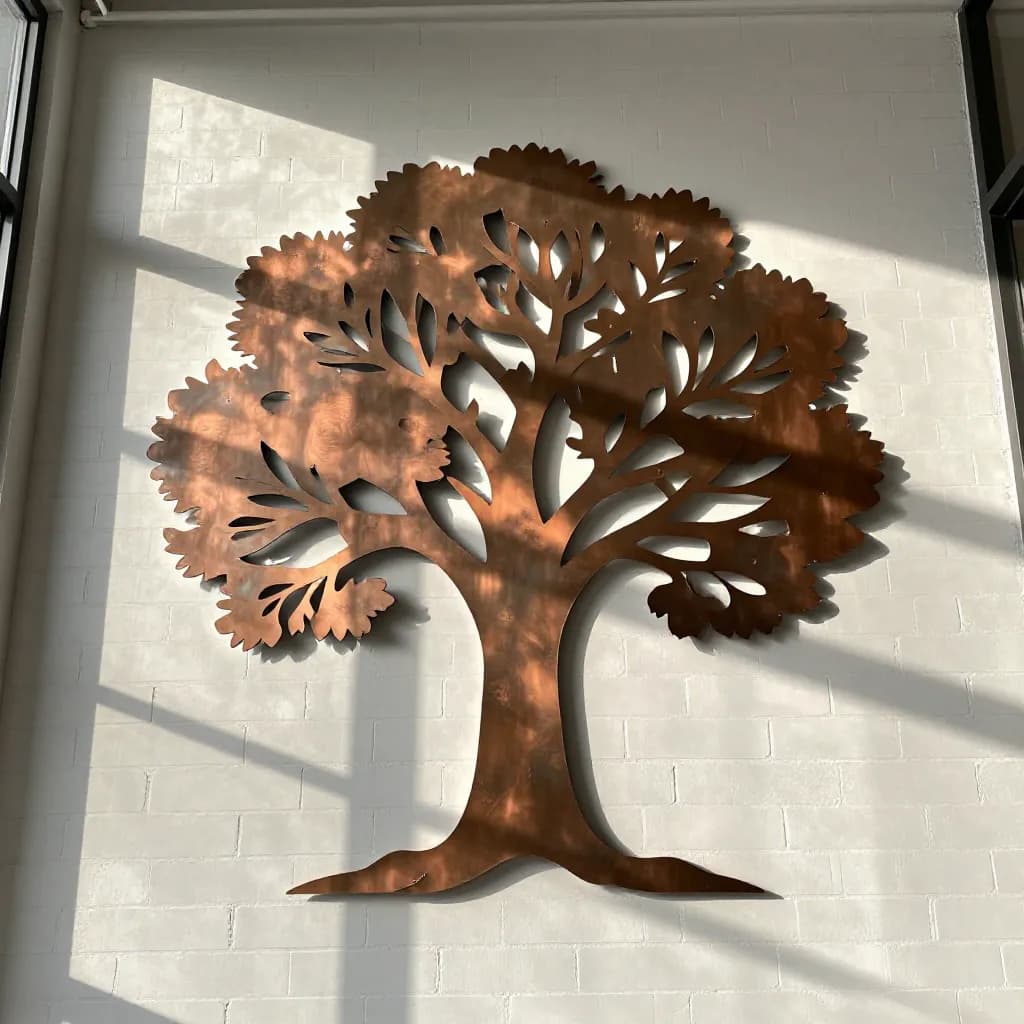
Powder coating solves this problem comprehensively. It wraps each piece in a durable, uniform finish that resists corrosion, UV fading, and mechanical damage. For outdoor installations, this protection is essential. For indoor pieces, it provides a clean, professional appearance that elevates the artwork from craft-fair quality to gallery-ready presentation.
Ready to Start Your Project?
From one-off customs to 15,000-part production runs — get precise pricing in 24 hours.
On This Page
Why Metal Art Deserves a Professional Finish
The finish itself becomes part of the art. Powder coating offers hundreds of colors, textures, and effects that artists and buyers can use to enhance the visual impact of a piece. A matte black finish on a plasma-cut tree silhouette creates a bold graphic statement, while a metallic bronze on an abstract sculpture adds warmth and depth. The coating is not just protection — it is an integral element of the artistic vision.
Plasma Cut Art and Powder Coating
Plasma cutting has democratized metal art. CNC plasma tables allow artists to cut intricate designs from steel and aluminum sheet with precision that was previously impossible without expensive laser equipment. The resulting pieces — nature scenes, geometric patterns, typography, custom portraits — are wildly popular for home decor, gifts, and commercial installations.
Powder coating is the ideal finishing method for plasma-cut art. The electrostatic application process wraps powder around edges and into the detailed cutouts that define these pieces. Unlike spray paint, which tends to build up on flat surfaces while leaving edges thin, powder coating provides consistent coverage on both faces and all cut edges of the piece.
Edge coverage is particularly important for plasma-cut work. The cut edges are where corrosion starts first because the raw metal is fully exposed and often has a rougher surface texture from the cutting process. Powder coating seals these edges completely, preventing rust from gaining a foothold. For outdoor installations, this edge protection is the difference between a piece that lasts decades and one that shows rust within its first year.
The heat-affected zone along plasma-cut edges can sometimes cause adhesion challenges. Proper preparation — including degreasing, light abrasive blasting, and chemical pretreatment — ensures the powder bonds securely to these areas. A quality coater will pay special attention to edge preparation on plasma-cut work.
Wall Sculptures and Three-Dimensional Pieces
Three-dimensional metal wall sculptures present unique coating challenges and opportunities. Unlike flat plasma-cut pieces, sculptures have depth, overlapping elements, and areas that are difficult to reach with a spray gun. Recessed areas, tight joints, and the back sides of protruding elements all need coverage to prevent corrosion from starting in hidden spots.
The Faraday cage effect — where electrostatic charge concentrates on outer surfaces and struggles to penetrate into recesses — is a real consideration for complex sculptures. Experienced coaters address this by adjusting gun settings, using multiple spray angles, and sometimes hand-dusting powder into hard-to-reach areas before the main application pass. The goal is complete coverage with no bare spots that could become corrosion initiation points.
For sculptures with welded joints, the welds themselves need attention during preparation. Weld spatter, flux residue, and heat discoloration should be cleaned and smoothed before coating. The powder will follow the surface contour of the weld, so any lumps or irregularities in the weld bead will be visible in the finished piece. Artists who want clean lines should grind and finish their welds before sending pieces for coating.
Hanging hardware is another consideration. Wall-mounted sculptures need attachment points, and these should be planned before coating. Welding brackets or tabs after coating would damage the finish, so all mounting hardware should be fabricated and attached before the piece goes to the coater. Alternatively, mounting points can be masked during coating and hardware attached afterward.
Outdoor Metal Art: Weather Protection That Lasts
Outdoor metal art faces relentless environmental assault. UV radiation fades colors and degrades coatings. Rain and humidity drive corrosion. Temperature cycling causes expansion and contraction that can crack rigid finishes. Wind-blown debris causes abrasion. Salt air in coastal areas accelerates corrosion dramatically. Any finish intended for outdoor metal art must withstand all of these forces simultaneously.
Powder coating meets this challenge with UV-stable polyester formulations designed specifically for exterior exposure. These coatings resist fading and chalking for years, maintaining their color and gloss through seasons of sun exposure. The thermoset film is flexible enough to accommodate thermal expansion without cracking, and its hardness resists abrasion from wind-blown particles.
For coastal installations, super-durable polyester powders with enhanced corrosion resistance are recommended. These formulations include additional UV stabilizers and are applied over aggressive pretreatment systems that provide maximum adhesion and corrosion protection. The combination of proper pretreatment and a high-performance powder can keep outdoor metal art looking fresh for ten to fifteen years or more, even in demanding coastal environments.
Ground-mounted outdoor sculptures face additional challenges at the base where the piece contacts soil or concrete. Moisture wicking up from the ground can attack the coating from below. Ensuring complete coating coverage at the base, and ideally elevating the piece slightly above ground contact, helps prevent this type of degradation.
Custom Colors and Artistic Effects
The color and finish of a powder-coated metal art piece can dramatically alter its visual impact and emotional tone. A single design can feel completely different in matte black versus metallic copper versus textured forest green. Artists and buyers should consider the intended setting, lighting conditions, and surrounding decor when selecting a finish.
For interior pieces, the full range of powder coating effects is available. Gloss and semi-gloss finishes reflect light and create visual energy, making them good choices for pieces in well-lit spaces. Matte finishes absorb light and create a more subdued, sophisticated feel. Metallic powders add depth and shimmer that changes with viewing angle, adding a dynamic quality to static wall art.
Textured finishes serve both aesthetic and practical purposes. A wrinkle or hammertone texture adds visual interest and tactile quality to a piece while also hiding minor surface imperfections in the base metal. River or vein textures create organic, flowing patterns that complement nature-themed artwork. Sand textures provide a subtle, understated surface that works well with minimalist designs.
Multi-color effects are achievable through masking and multiple coating passes. An artist might coat a wildlife scene with a matte black background and then mask the animal silhouette to apply a contrasting metallic finish. These multi-color pieces require additional time and skill but produce striking results that single-color finishes cannot match.
Working with Artists and Fabricators
The best results come from collaboration between the artist, the fabricator, and the powder coater. When all three parties understand the design intent, material properties, and coating requirements, the finished piece meets everyone's expectations. If the artist is also the fabricator — as is often the case with independent metal artists — the conversation is simpler but no less important.
Artists should communicate their vision clearly to the coater. Bring reference images, color samples, and if possible a small test piece to confirm the finish before committing to the full artwork. Discuss whether the piece will be installed indoors or outdoors, as this determines the powder chemistry and pretreatment required. Mention any areas that need masking, such as mounting points or areas where additional elements will be attached after coating.
Fabricators should prepare pieces with coating in mind. Clean, consistent welds with minimal spatter produce the best coated results. Sharp edges should be slightly rounded or broken, as powder tends to pull away from razor-sharp edges during curing, leaving them thin. All holes, slots, and mounting points should be completed before the piece goes to the coater.
For artists producing multiple pieces in a series, establishing a relationship with a reliable coater streamlines the process. The coater learns the artist's preferences, keeps notes on color specifications and finish details, and can often batch multiple pieces for efficient processing. This ongoing relationship typically produces better results than one-off jobs with unfamiliar shops.
Displaying and Installing Powder-Coated Art
Proper installation protects both the artwork and the powder-coated finish. For wall-mounted pieces, use appropriate anchors and fasteners rated for the weight of the metal art. Steel wall art can be surprisingly heavy, and inadequate mounting hardware risks both the piece and the wall. French cleats, heavy-duty picture hangers, and through-bolted brackets are all suitable depending on the piece's weight and design.
When handling powder-coated art during installation, wear clean gloves to prevent fingerprints and avoid dragging the piece against walls or other surfaces. While powder coating is durable, it can be scratched by rough handling during installation. Protective padding on work surfaces and careful lifting technique prevent unnecessary damage.
For outdoor installations, consider the mounting surface and how water will interact with the piece. Metal art mounted flat against a wall can trap moisture behind it, creating a corrosion risk on the back surface. Spacers that hold the piece slightly away from the wall allow air circulation and water drainage, extending the life of both the coating and the mounting hardware.
Lighting dramatically affects how powder-coated metal art is perceived. Directional spotlights create shadows that emphasize depth and dimension in three-dimensional pieces. Backlighting through cutouts in plasma-cut art creates dramatic silhouette effects. When planning lighting, consider how the powder coating finish — matte, gloss, metallic, or textured — will interact with the light source to achieve the desired visual effect.
Frequently Asked Questions
Can powder coating be applied to plasma-cut metal art?
Yes, and it is one of the best finishing options for plasma-cut work. The electrostatic application wraps powder around cut edges, providing complete coverage that prevents rust. Proper preparation of the heat-affected zone along cut edges ensures strong adhesion.
How long does powder coating last on outdoor metal art?
With UV-stable polyester powder and proper pretreatment, outdoor metal art can maintain its appearance for ten to fifteen years or more. Coastal or extreme environments may reduce this lifespan, but powder coating still significantly outlasts spray paint or brush-on alternatives.
Can metal art be powder coated in multiple colors?
Yes. Multi-color effects are achieved through masking and multiple coating passes. Each color requires a separate spray and cure cycle, so complex color schemes add time to the process, but the results can be striking.
Should metal art be powder coated before or after welding?
Always after welding. Powder coating cannot survive the heat of welding, so all fabrication, welding, and grinding should be completed before the piece goes to the coater. Mounting hardware and attachment points should also be in place before coating.
What finish is most popular for metal wall art?
Matte black is the most popular choice for its bold, graphic appearance and versatility with different decor styles. Metallic bronze, textured dark finishes, and satin black are also common. The best choice depends on the piece's design, installation location, and surrounding decor.
Ready to Start Your Project?
From one-off customs to 15,000-part production runs — get precise pricing in 24 hours.