The mailbox and house numbers are often the first things visitors notice about a home, and their condition speaks volumes about the care and attention the homeowner puts into their property. A faded, rusted mailbox or peeling house numbers create an impression of neglect, while crisp, well-finished pieces signal pride of ownership and attention to detail. Powder coating transforms these everyday items into durable, attractive elements that enhance curb appeal and withstand years of weather exposure.
Consumer
Powder Coating for Mailboxes and House Numbers: Weather Resistance, UV Stability, and Curb Appeal
Sundial Powder Coating·April 22, 2026·8 min
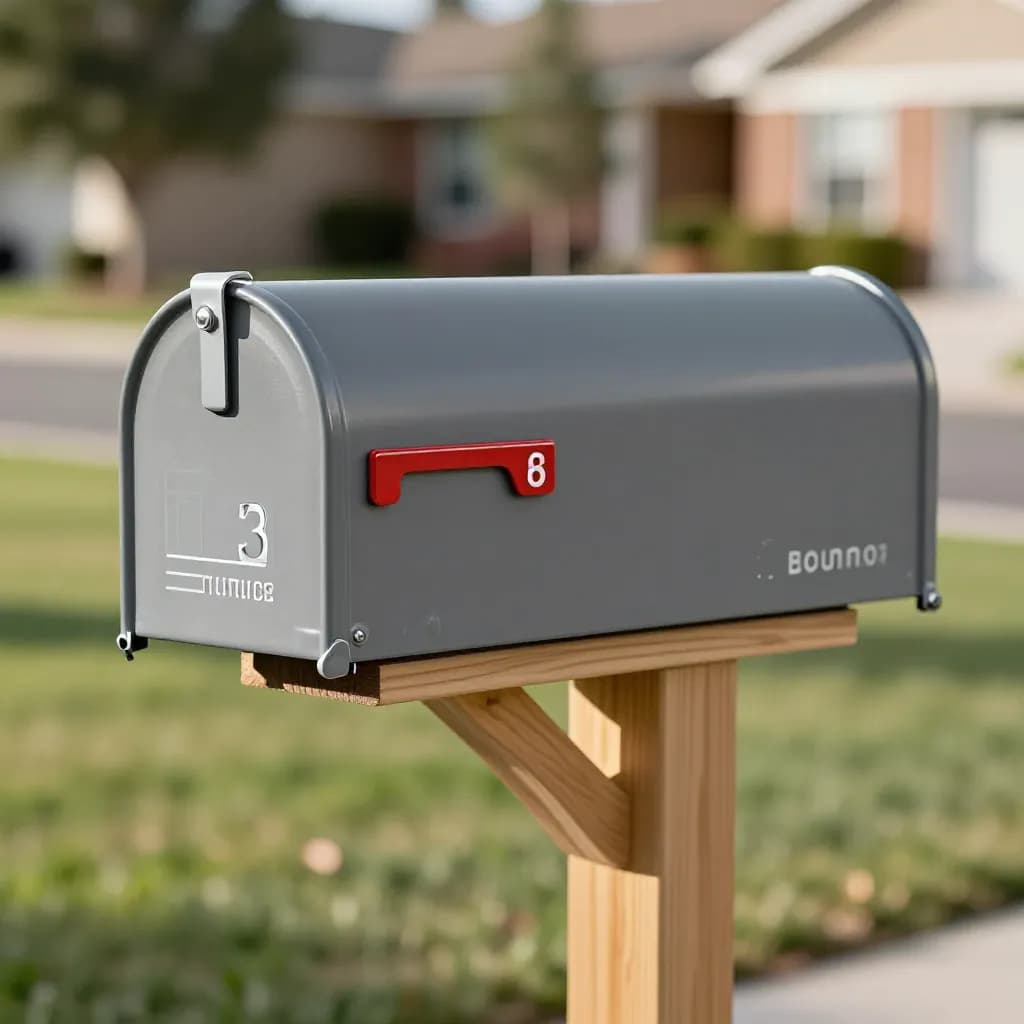
Metal mailboxes and house numbers are constantly exposed to the elements — direct sunlight, rain, snow, humidity, and temperature swings that cycle from freezing to scorching throughout the year. This relentless exposure degrades most decorative finishes within a few years. Spray paint fades and peels. Brush-on enamel chalks and cracks. Even factory finishes on commercial mailboxes often deteriorate within three to five years of outdoor exposure. Powder coating provides a dramatically more durable alternative that maintains its color and gloss for years longer than these conventional finishes.
Ready to Start Your Project?
From one-off customs to 15,000-part production runs — get precise pricing in 24 hours.
On This Page
First Impressions Start at the Curb
Beyond durability, powder coating offers the design flexibility to create mailboxes and house numbers that complement the home's architecture and color scheme. Rather than settling for the limited color options available in retail mailboxes, homeowners can choose from thousands of colors and finishes to create a custom look that ties into their home's exterior palette.
Mailbox Materials and Coating Compatibility
Most metal mailboxes are constructed from steel, aluminum, or cast iron, all of which are excellent substrates for powder coating. Steel mailboxes — including both sheet steel and tubular steel post-mounted designs — are the most common and the easiest to coat. The steel accepts electrostatic powder application uniformly and provides excellent adhesion with proper surface preparation.
Aluminum mailboxes are popular for their light weight and natural corrosion resistance. Powder coating aluminum mailboxes adds color and UV protection while enhancing the already good corrosion resistance of the base material. Aluminum requires a chromate-free conversion coating for optimal powder adhesion, and the coater should be aware of aluminum's higher thermal conductivity when setting oven profiles.
Cast iron mailboxes and post-mounted mailbox stands are heavier and more ornate, often featuring decorative castings with detailed patterns. These pieces require the standard outgassing pre-bake to prevent pinholes in the finish. Cast iron is also more prone to deep pitting corrosion than sheet steel, so thorough blasting and inspection are important to ensure all corrosion is removed before coating. For heavily pitted surfaces, a high-build primer can fill minor pitting and create a smoother base for the topcoat.
UV Stability: Keeping Colors True
UV stability is the single most important coating property for mailboxes and house numbers, which spend their entire service life in direct sunlight. Ultraviolet radiation breaks down the chemical bonds in coating resins, causing the finish to chalk, fade, and lose gloss over time. The rate of degradation depends on the coating chemistry, the color, and the intensity of UV exposure at the installation location.
Super-durable polyester powder coatings are the recommended formulation for mailboxes and house numbers. These coatings contain enhanced UV stabilizers and hindered amine light stabilizers that significantly slow the degradation process. A super-durable polyester maintains its color and gloss for seven to ten years in direct sun exposure, compared to three to five years for standard polyester and less than one year for epoxy-based coatings.
Color choice also affects UV performance. Darker colors — particularly deep reds, blues, and greens — tend to show fading more visibly than lighter colors because the color shift is more apparent against the original deep tone. Black is relatively stable because minor chalking is less visible. White and light colors show the least visible change over time. For homeowners who want a vibrant color that stays true for years, selecting a super-durable formulation and accepting that some gradual change is normal ensures the best long-term results.
Custom Colors and Design Coordination
One of the most compelling reasons to powder coat a mailbox is the ability to choose a custom color that coordinates with the home's exterior. Rather than being limited to the black, white, and bronze options available at the hardware store, powder coating opens up the entire color spectrum. Matching the mailbox to the front door color, the window trim, or the shutters creates a cohesive, designed appearance that elevates the home's curb appeal.
Popular color choices for mailboxes include classic black, which works with virtually any home style, and dark bronze, which adds warmth and sophistication. Navy blue, forest green, and burgundy are traditional choices that complement colonial and craftsman-style homes. For modern and contemporary homes, matte white, charcoal gray, and warm taupe create clean, understated looks. Bold colors like red, yellow, and bright blue make a statement and work well with eclectic or cottage-style homes.
House numbers offer an opportunity for creative contrast. Numbers in a color that contrasts with the mounting surface — white numbers on a dark wall, black numbers on a light surface — provide maximum visibility for emergency services and delivery drivers. Metallic finishes like brushed nickel, brass-tone, and copper add a premium look to house numbers. For a subtle, sophisticated approach, numbers can be coated in a finish that matches the door hardware, creating a coordinated detail that ties the entry together.
Preparation and Coating Process
Preparing a mailbox for powder coating follows the standard process for outdoor metal items, with particular attention to areas that trap moisture. The mailbox should be completely disassembled — removing the flag mechanism, door hinges, latch, and any mounting hardware. Old paint or finish is removed through abrasive blasting, which also cleans any surface corrosion and creates the profile needed for powder adhesion.
The interior of the mailbox can be coated or left uncoated depending on preference. Coating the interior provides additional corrosion protection and a finished appearance when the door is opened, but it is not strictly necessary since the interior is sheltered from direct weather exposure. If the interior is coated, the door hinge mounting points and latch engagement surfaces should be masked to ensure proper function after reassembly.
House numbers are typically small, simple shapes that are easy to coat. Steel and aluminum numbers are hung on hooks or placed on a rack for coating. The back surface can be left uncoated if the numbers will be mounted flush against a wall, as the coating on the back adds unnecessary thickness that can prevent the numbers from sitting flat. Alternatively, a thin coat on the back provides corrosion protection without significantly affecting mounting. Threaded studs or mounting posts on the back of the numbers should be masked to maintain proper fit in their mounting holes.
Installation and Mounting Considerations
Installing a powder-coated mailbox requires care to protect the new finish during mounting. Use stainless steel or coated fasteners to prevent galvanic corrosion between dissimilar metals. When mounting a mailbox to a post, place a rubber or neoprene gasket between the mailbox and the post to prevent the coated surfaces from rubbing against each other and wearing through the finish at the contact points.
For post-mounted mailboxes, the post itself can be powder coated to match the mailbox for a coordinated appearance. Steel and aluminum posts coat well, and the buried portion of the post benefits from the corrosion protection that powder coating provides. However, the section of the post that will be embedded in concrete or soil should receive additional protection — a coat of bituminous paint or a wrap of waterproof membrane over the powder coating prevents the alkaline concrete from attacking the coating at the ground line.
House numbers should be mounted with appropriate standoffs or spacers if a floating effect is desired. Stainless steel standoffs prevent corrosion and provide a clean, modern mounting method. For flush-mounted numbers, a thin bead of exterior-grade adhesive or silicone behind each number prevents water from wicking behind the number and causing corrosion on the mounting surface. Ensure the mounting surface is clean and dry before installation for the best adhesive bond.
Maintenance for Lasting Curb Appeal
Maintaining a powder-coated mailbox and house numbers is simple and requires minimal effort. Periodic washing with mild soap and water removes accumulated dirt, pollen, bird droppings, and other environmental deposits that can dull the finish over time. A soft cloth or sponge is sufficient — abrasive scrubbers are unnecessary and can scratch the coating surface.
For mailboxes in areas with heavy pollen, tree sap, or bird activity, more frequent cleaning prevents these deposits from bonding to the coating surface. Tree sap in particular can be difficult to remove if allowed to harden, so prompt cleaning when sap is noticed saves effort later. A light application of automotive wax once or twice a year adds a sacrificial protective layer that makes the coating easier to clean and provides additional UV protection.
Inspect the mailbox and house numbers annually for any signs of coating damage — chips from impact, scratches from contact, or any areas where corrosion may be starting. The flag mechanism on traditional mailboxes is a common wear point where the coating can be rubbed through by repeated operation. Touch up any damage promptly with matching touch-up paint to maintain the protective barrier. With this minimal level of care, a powder-coated mailbox and house numbers will maintain their appearance and protection for many years, keeping the home's curb appeal sharp season after season.
Frequently Asked Questions
How long will powder coating last on a mailbox?
A super-durable polyester powder coating on a mailbox typically maintains its color and appearance for seven to ten years in direct sun exposure. Standard polyester formulations last three to five years. The actual lifespan depends on UV intensity, weather conditions, and maintenance. Regular cleaning and prompt touch-up of damage extends the coating's effective life.
Can you powder coat a plastic mailbox?
No. Standard powder coating requires curing temperatures of 180 to 200 degrees Celsius, which would melt or deform plastic mailboxes. Only metal mailboxes — steel, aluminum, and cast iron — can be powder coated. Plastic mailboxes can be refinished with spray paint designed for plastic substrates.
What color powder coating resists fading best?
White and light colors show the least visible fading over time because minor chalking is less apparent. Black is also relatively stable. Deep reds, blues, and greens show fading more visibly. Using a super-durable polyester formulation significantly improves fade resistance for all colors compared to standard polyester.
Can house numbers be powder coated in metallic finishes?
Yes. Metallic powder coatings in brass-tone, brushed nickel, copper, bronze, and silver are popular choices for house numbers. These finishes provide a premium, hardware-store-quality appearance with the durability of powder coating. The metallic effect is created by metal flakes suspended in the powder formulation.
Should I coat the inside of my mailbox?
Coating the interior is optional. The interior is sheltered from direct weather exposure, so corrosion protection is less critical than on the exterior. However, interior coating provides a finished appearance and additional protection against moisture that enters through the door opening. If coating the interior, mask the door hinge and latch surfaces.
Ready to Start Your Project?
From one-off customs to 15,000-part production runs — get precise pricing in 24 hours.